Reformer Buying Guide: Key Features That Separate Premium from Budget
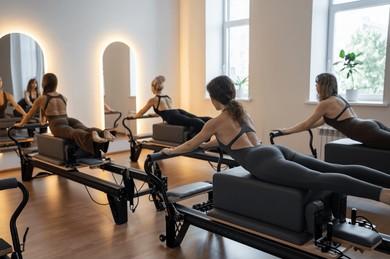
The Pilates reformer is the centerpiece of most Pilates practices, and choosing the right one is one of the most important purchasing decisions a trainer, studio owner, or home enthusiast will make. The market offers a wide spectrum, from entry-level budget reformers to premium commercial-grade machines. At first glance, many reformers look similar, but the differences in materials, engineering, and craftsmanship become obvious over time. This guide breaks down the key features that separate premium reformers from budget models, helping buyers make an informed decision based on long-term value rather than sticker price alone.
Frame Construction and Material Quality
The frame is the foundation of any reformer, and the material quality is the first clear dividing line between premium and budget models. Premium reformers typically use aircraft-grade aluminum, solid hardwood such as maple or beech, or high-tensile steel. These materials are chosen for their strength, stability, and resistance to flexing under load. A well-built frame stays rigid during demanding exercises, providing a secure base for every movement. Budget reformers often use thinner aluminum, lower-grade steel, or composite materials that may flex, wobble, or develop creaks over time. Frame weight and rigidity are good indicators: a premium reformer feels solid and planted, while a budget model may feel light and less stable. Buyers should also examine joint construction—welded or precision-machined joints outperform bolted or glued connections in durability.
Carriage and Rail System
The carriage is where the body meets the machine, and its quality directly affects movement smoothness and safety. Premium reformers use high-grade bearings and precision-machined rails that allow the carriage to glide silently and evenly across the full range of motion. The carriage should track straight without side-to-side play, and the wheels should roll smoothly without flat spots or grinding. Budget reformers often use lower-grade wheels, thinner rails, or less precise alignment, resulting in noisy, uneven travel that can disrupt exercises and accelerate wear. Buyers should test the carriage by moving it slowly and quickly, listening for noise and feeling for any catching or wobble. A premium carriage feels effortless and controlled; a budget carriage may feel gritty or loose.
Spring System and Resistance Quality
Springs are the heart of the reformer's resistance system, and their quality separates premium from budget more than almost any other component. Premium reformers use springs manufactured to precise tolerances, providing consistent, linear resistance across the full range of extension. The springs should return smoothly and quietly, without sudden jerks or dead spots. Premium manufacturers often color-code springs and provide clear resistance ratings, allowing trainers to program exercises accurately. Budget reformers frequently use lower-grade springs that lose tension quickly, vary in resistance from one spring to another, and may produce noise or uneven pull. Buyers should check how springs attach—premium systems use secure, easy-to-operate clips or hooks—and should ask about spring replacement availability, since springs are wear items that need periodic replacement.
Upholstery, Padding, and Comfort
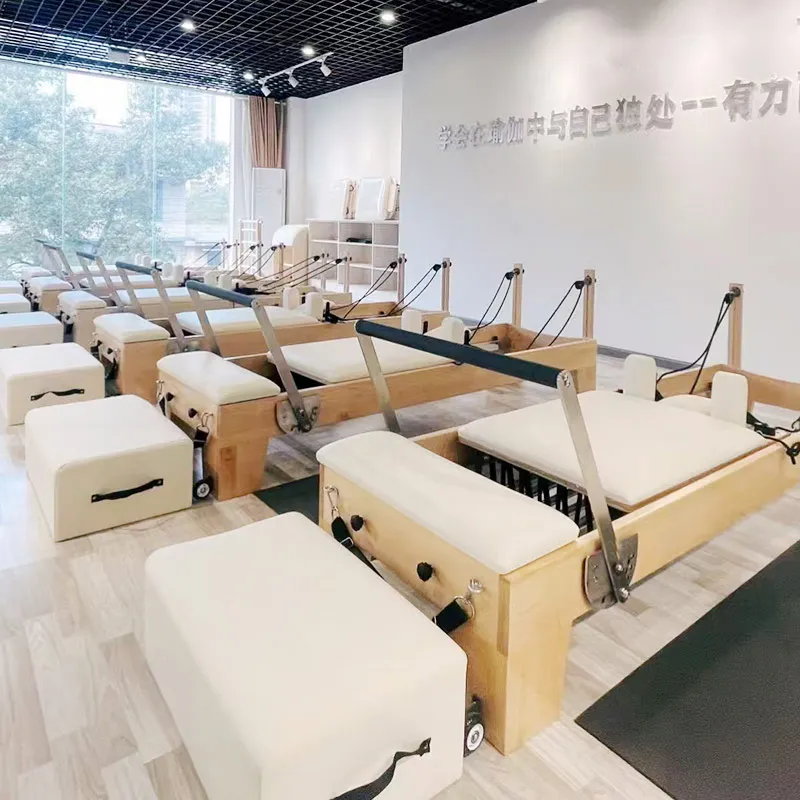
The upholstery affects both comfort and durability. Premium reformers use high-density foam covered with durable, easy-to-clean vinyl or leather. The padding should be firm enough to support the body during exercises but comfortable enough for longer sessions. Stitching should be tight and even, and the covering should resist cracking, peeling, and sweat damage. Budget reformers often use thinner foam and lower-grade vinyl that compresses quickly, cracks at stress points, and absorbs sweat and oils. Buyers should press on the upholstery to feel the foam density and inspect seams and edges for quality. Removable or replaceable upholstery is a plus, as it extends the machine's lifespan.
Adjustability and Versatility
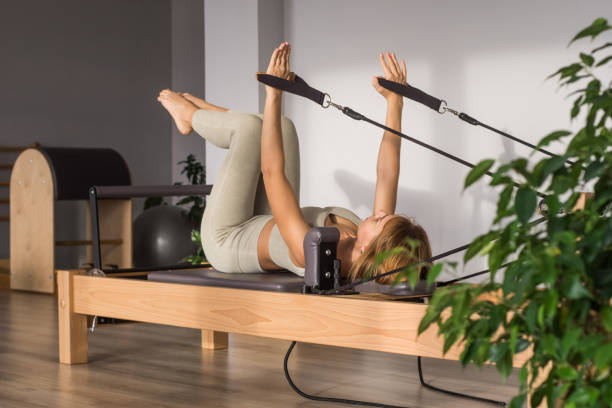
Premium reformers offer greater adjustability, which translates into more exercise options and better fit for different body types. Key adjustments include spring bar positions, headrest angles, footbar heights, and rope or strap length. Premium machines often include multiple spring attachment points, a jump board option, or a tower conversion, expanding the range of possible exercises. Adjustments should operate smoothly and lock securely, without excessive force or wobble. Budget reformers may offer fewer adjustment options, and the mechanisms may feel stiff or insecure. Buyers should consider their current and future programming needs—a machine with limited adjustability may become restrictive as skills and client needs evolve.
Rope, Strap, and Handle Quality
Ropes, straps, and handles are contact points that endure frequent use and should be inspected carefully. Premium reformers use high-quality ropes or straps that resist fraying and stretching, with secure stitching and sturdy handles. Attachment points should be metal or high-grade hardware, not plastic that can crack. Budget reformers often use thinner ropes, plastic clips, and handles that wear quickly or fail under load. Buyers should check how ropes attach and adjust, and whether replacement ropes and straps are readily available. These components are relatively inexpensive to replace but critical to safety.
Stability, Weight Capacity, and Safety Features
Safety is a non-negotiable feature of any reformer. Premium machines are designed with stability in mind: wide bases, sturdy frames, and secure locking mechanisms for the carriage and spring bar. Weight capacity ratings should be clearly stated and generous enough for diverse users. Non-slip surfaces on the footbar and carriage add security during exercises. Budget reformers may have narrower bases, lower weight capacities, or less secure locking systems, creating risks during challenging movements. Buyers should test stability by applying weight and lateral force, and should confirm that all locks engage firmly.
Maintenance, Parts Availability, and Warranty
Long-term ownership depends heavily on serviceability. Premium manufacturers provide maintenance guides, replacement parts, and responsive customer support. Springs, ropes, wheels, and upholstery should be replaceable, and the manufacturer should offer a clear warranty covering frame and components. Budget reformers often lack parts availability and meaningful warranties, meaning a single worn component can render the machine unusable. Buyers should ask about warranty terms, parts ordering, and expected service life before purchasing.
Price Versus Total Cost of Ownership
The sticker price of a budget reformer is lower, but the total cost of ownership often favors premium machines. A premium reformer may last a decade or more with proper maintenance, while a budget model may need replacement within a few years. Factoring in repairs, replacements, downtime, and resale value, premium machines frequently cost less per year of use. Buyers should think in terms of cost per session or cost per year rather than initial price alone.
Conclusion
Choosing a reformer is a significant decision, and the differences between premium and budget models go far beyond appearance. Frame quality, carriage smoothness, spring consistency, upholstery durability, adjustability, safety features, and serviceability all separate premium machines from budget alternatives. By evaluating these key features and considering total cost of ownership, buyers can select a reformer that supports safe, effective training for years to come.