Aluminum vs. Wood Pilates Reformers: Which Is Right for You?
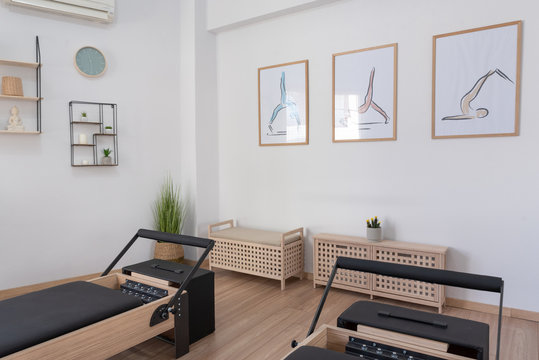
Choosing a Pilates reformer is a significant investment, and one of the first decisions you will face is the frame material. Wood and aluminum are the two dominant options, and each brings distinct advantages that suit different users, spaces, and training habits. Understanding what actually differs between them—and what does not—will help you make a choice you will not regret years down the line.
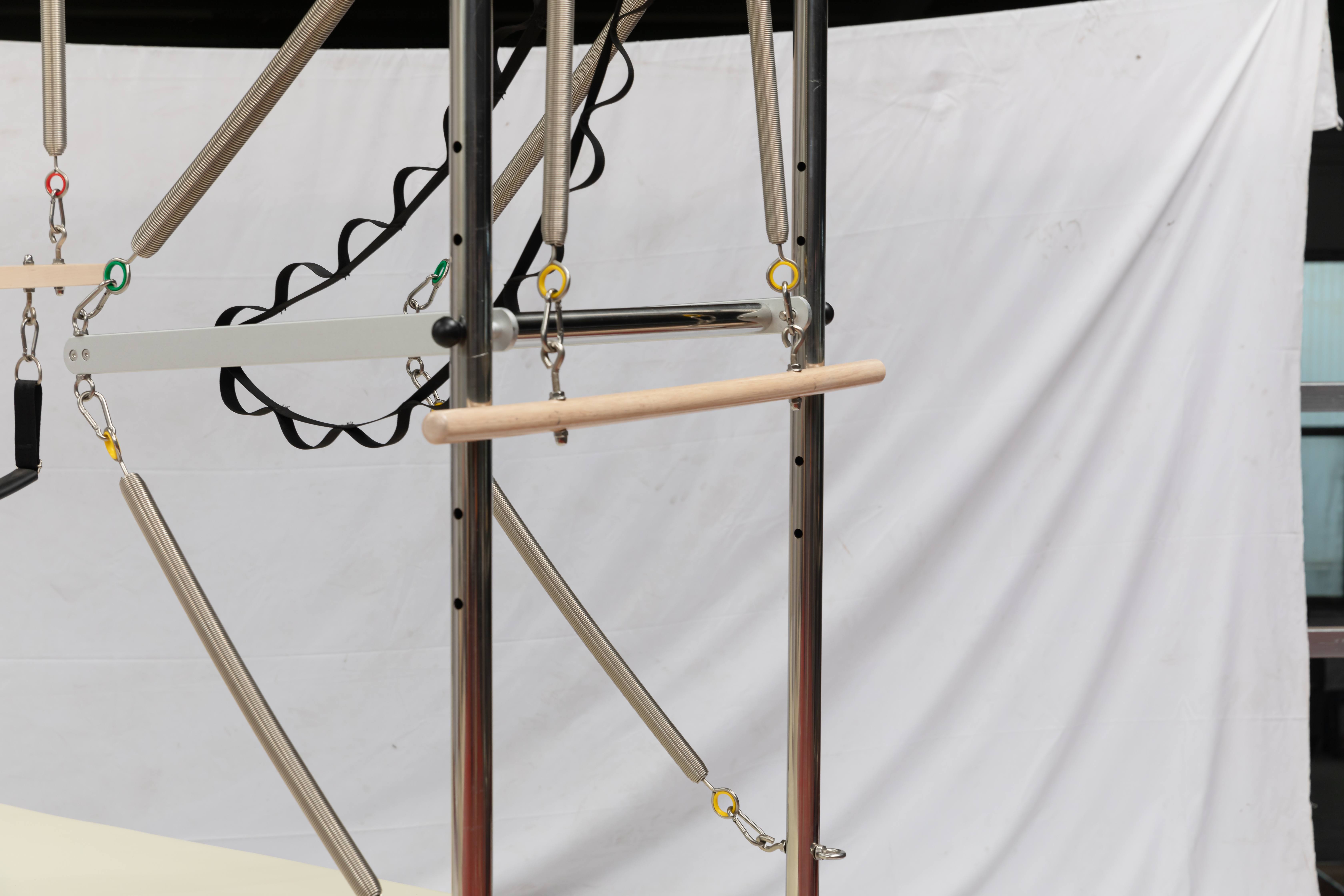
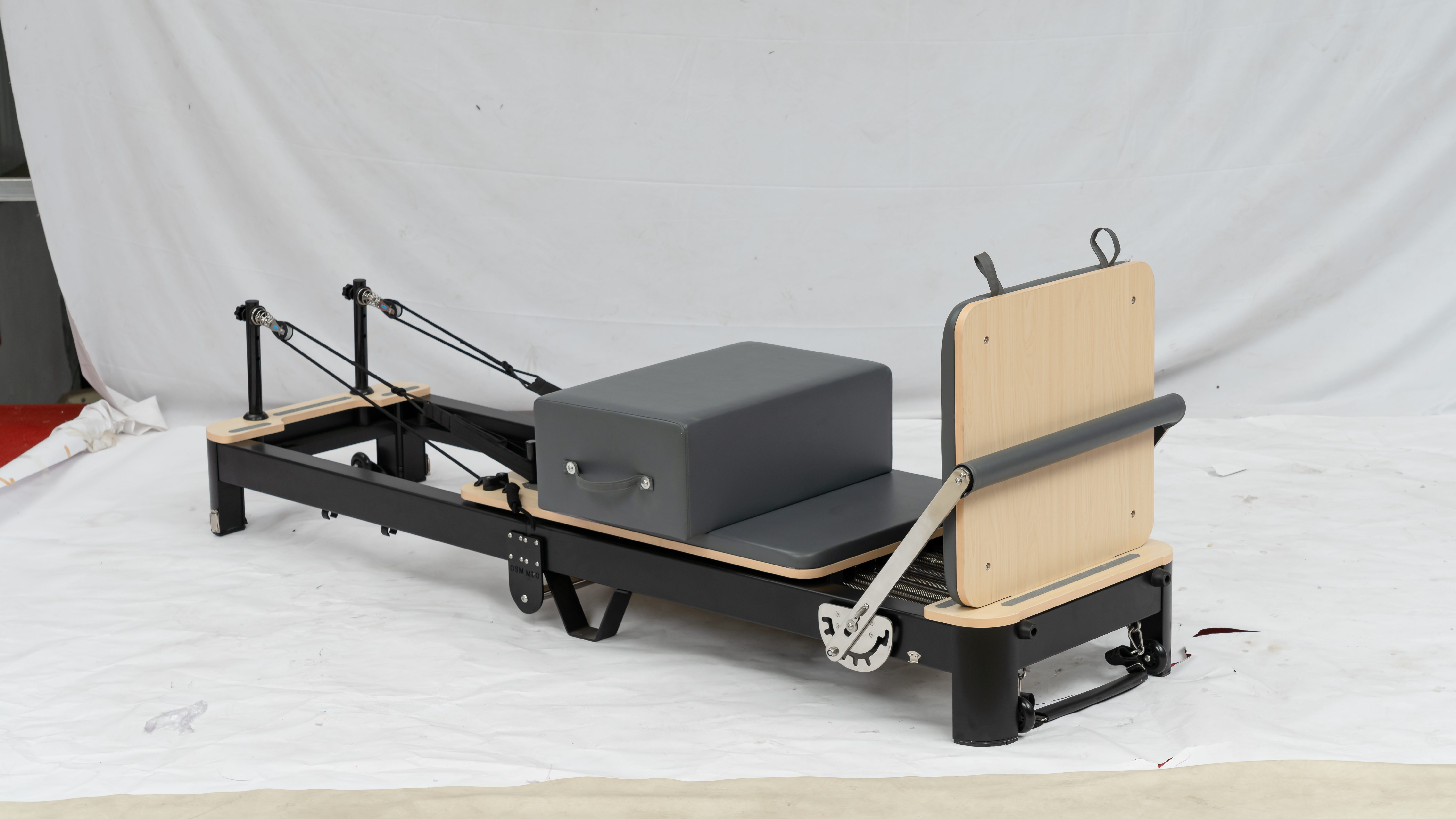
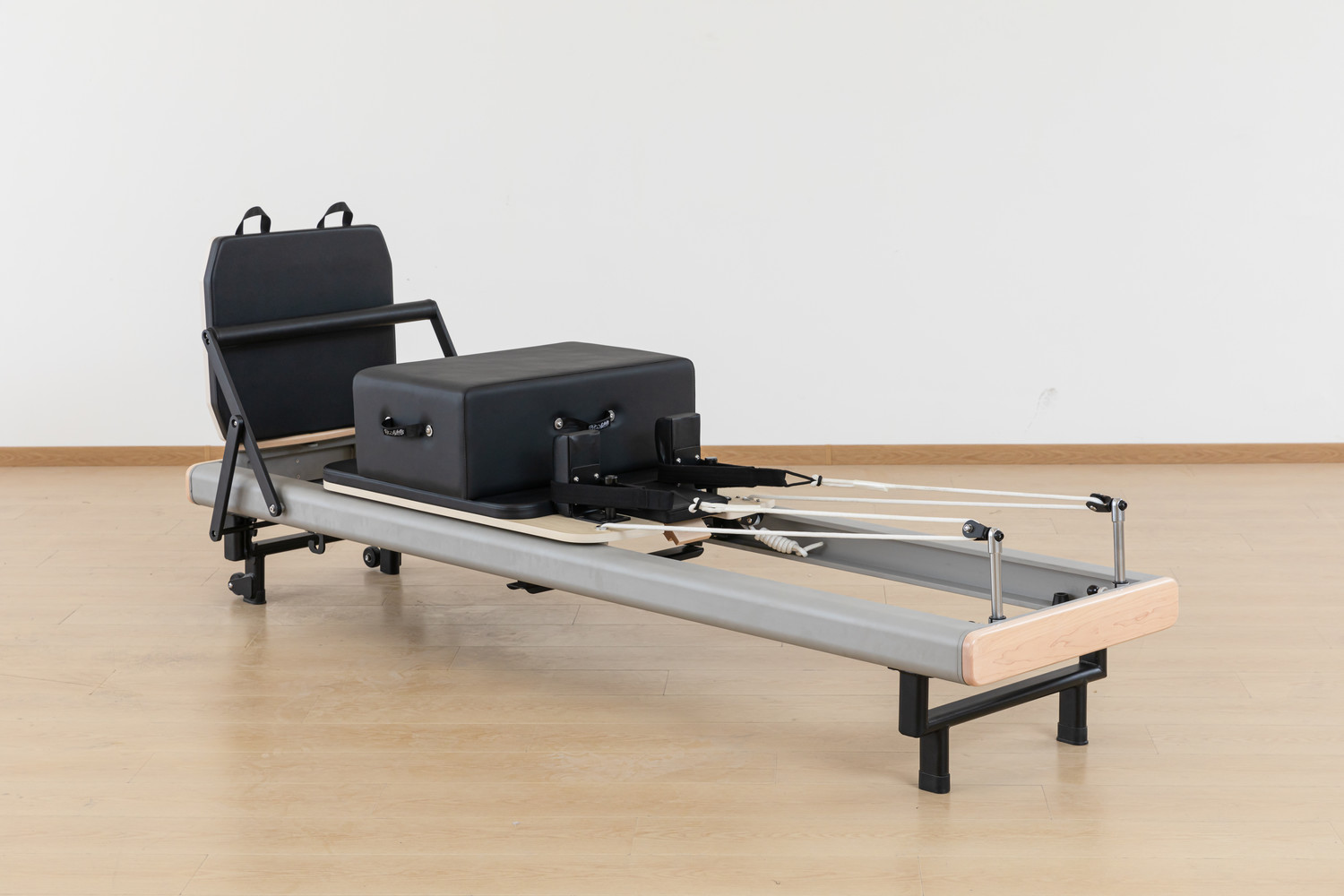
The difference between wood and aluminum reformers lies almost entirely in the frame, the load-bearing structure. Springs, pulleys, shoulder rests, and carriage systems function the same way regardless of frame material. What changes is weight, sound, stability, maintenance needs, and aesthetics. A well-built reformer of either material will perform well; a poorly built one will not, regardless of what it is made of.
Weight and Portability
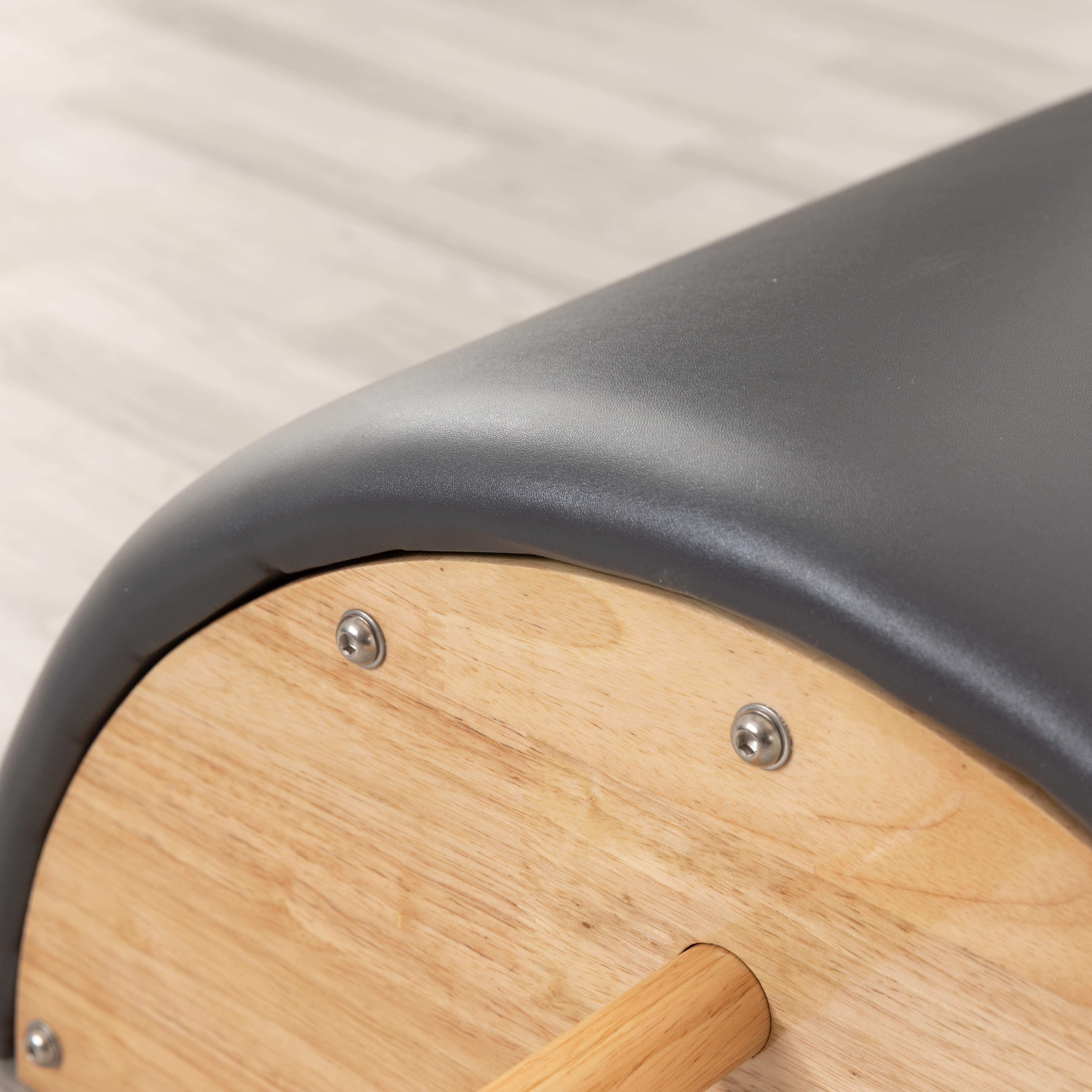
The most practical difference is weight. A solid wood reformer, typically made from maple or beech, weighs considerably more—often between 75 and 140 pounds depending on the model. This weight provides stability during dynamic movements, but it makes relocation difficult. If your reformer will live in a dedicated studio space and rarely move, that weight is an asset. If you need to fold it, store it, or move it between rooms, aluminum is far more practical. Aluminum reformers often weigh only half as much as their wood counterparts, making one-person handling possible.
Noise and Vibration
Wood naturally dampens vibration. The density of hardwood absorbs the impact when the carriage reaches the spring stop, resulting in quieter operation and a smoother, more grounded feel. Aluminum frames are often hollow and transmit more sound, giving them a lighter, more metallic quality. However, the frame material is not the largest factor in noise. Bearing quality and rail condition matter far more. A well-built aluminum reformer with high-quality sealed bearings can be nearly as quiet as a wood one, while a poorly maintained wooden reformer with worn bearings will be loud regardless. If quiet operation is a priority, pay attention to the carriage system, not just the frame.
Stability and Feel
Solid wood reformers are exceptionally stable. The sheer mass of a hardwood frame means the machine hardly shifts, even during forceful push-offs. This grounded feel is preferred by many experienced practitioners, particularly for advanced work. Aluminum reformers are also stable when well-designed, but lightweight models may move slightly during highly dynamic use. The “feel” of the carriage glide is also influenced by the rail. Notably, even high-quality wooden reformers typically use aluminum or metal rails rather than wooden ones, because wood expands and contracts with humidity, which would affect the precision of the carriage track over time. When evaluating a reformer, ask about the rail material as well as the frame.
Humidity and Maintenance
Wood responds to its environment. In very dry or very damp conditions, wooden joinery can shift slightly over the years. This does not affect furniture, but it can affect a precision fitness machine. Aluminum is dimensionally stable regardless of humidity, which makes it a safer choice for garages, coastal properties, or rooms with fluctuating climate control. In terms of routine care, both materials require wiping down and inspection of wear parts. Wood benefits from occasional conditioning and should not be kept in permanently damp spaces. Aluminum is easier to clean and resistant to sweat and cleaning products, but it is not maintenance-free—rails, wheels, springs, and upholstery still need attention on both types.
Aesthetics and Home Integration
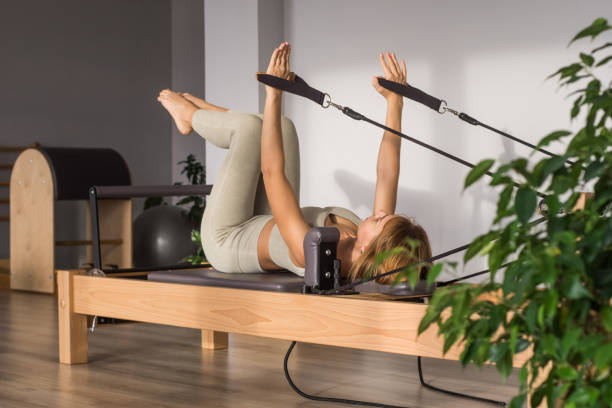
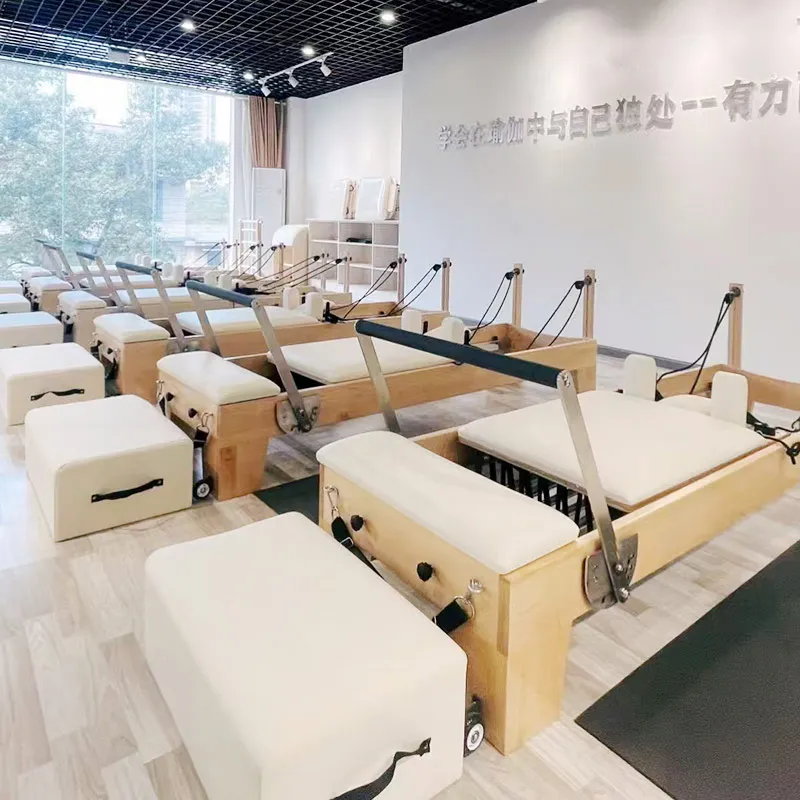
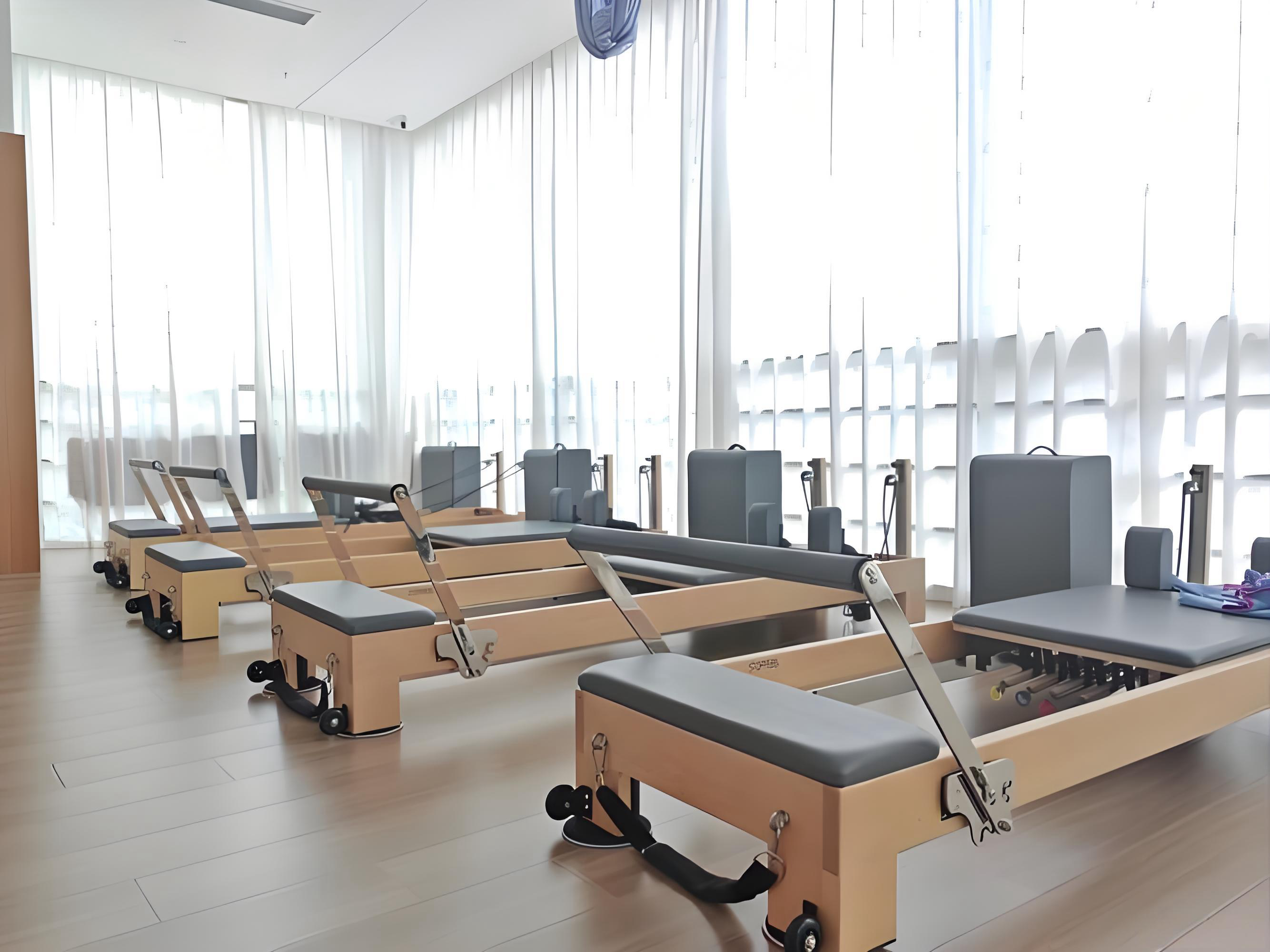
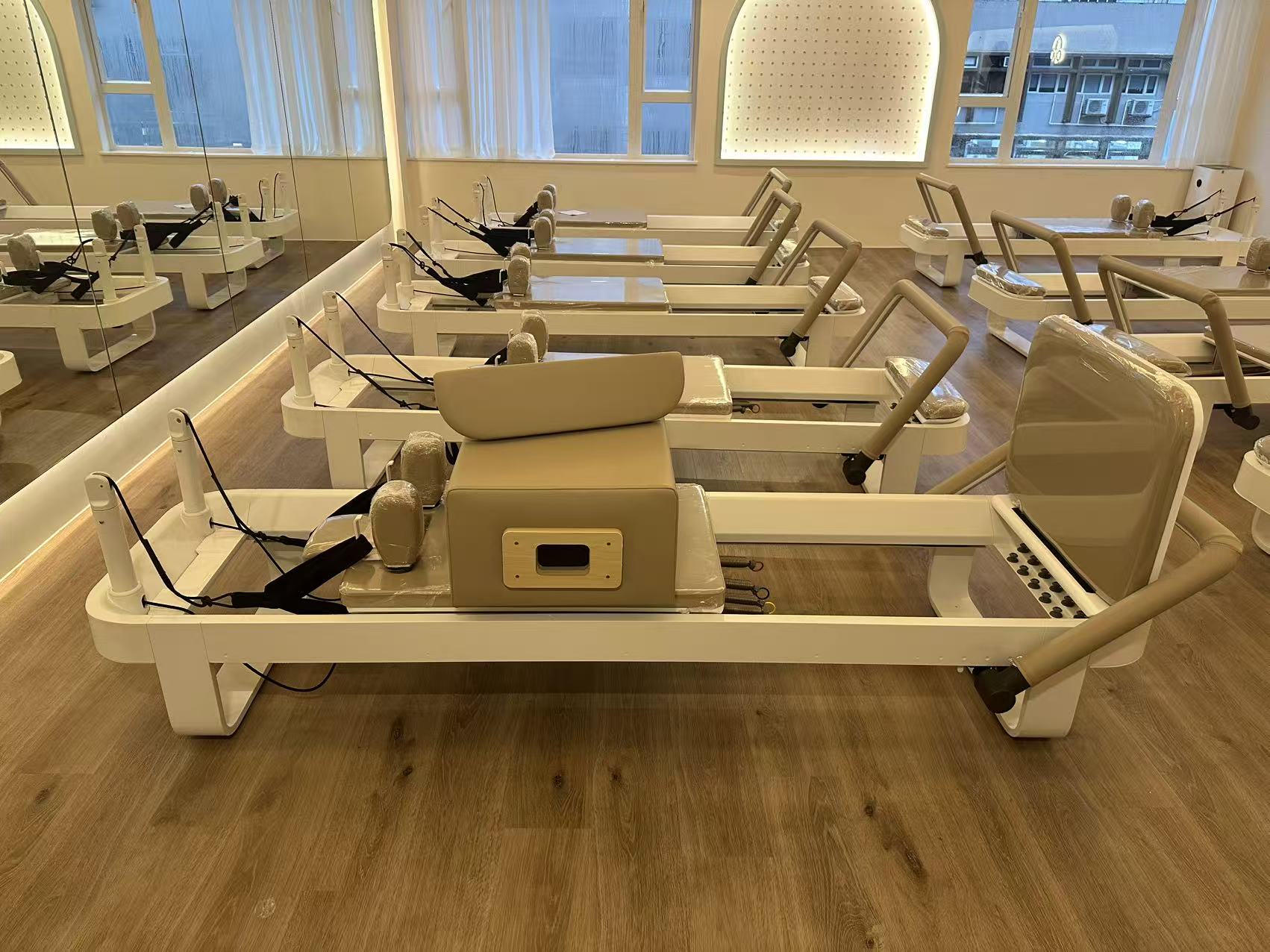
This is where personal preference plays the largest role. Wood reformers have a warm, furniture-like appearance that blends naturally into living spaces and boutique studios. Many home users choose wood precisely because they want the machine to remain visible and complement their interior rather than look like gym equipment. Aluminum has a sleeker, more modern, and clinical aesthetic. It suits commercial studio environments where equipment is wiped down frequently and a contemporary look is desired. Neither is objectively better; the question is whether you want your reformer to disappear into a dedicated training room or become a piece of your living space.
Price and Long-Term Value
Entry-level aluminum reformers can be less expensive than premium hardwood models, though high-end aluminum and high-end wood reformers often sit at similar price points. The more important consideration is total cost over time. Both materials, when well-made, outlast their wear components. Springs, ropes, and upholstery will need replacement on either type, and those costs are comparable. The frame itself is rarely what ends a machine’s life. What differs is resale value. Premium brands in both materials hold value, but wood reformers with strong brand reputation and solid construction often retain appeal in the secondary market for home buyers seeking aesthetic quality.
The Question That Actually Decides It
Before weighing every specification, ask one practical question: will the machine move? If your reformer will live in one place for years in a climate-stable room, a wood reformer offers a quieter, more grounded experience and a warmer presence. If it will be folded, stacked, moved between rooms, or kept in a space with humidity fluctuations, aluminum removes most of the risk and half the weight.
Build quality within each material varies more than between them. A thin, bolted aluminum frame and a poorly jointed wooden one will both develop problems. A well-made example of either will serve you for years. Examine the joints, the rail, the bearings, and the carriage system. Try both if you can. The right choice is the one that fits how you actually train and where you actually live.