White-Label Pilates Accessory Bundles: Packaging Rules and Branding Limits for New Resellers
If you are a new reseller stepping into the Pilates industry, white-label accessory bundles are one of the fastest ways to build your own brand without investing in factory tooling and mold development. Instead of manufacturing reformer boxes, foot straps, jump boards, and cervical pillows from scratch, you source pre-made kits from a fitness supplier, repackage them under your own brand, and sell them to local studios, private trainers, and home practitioners. While this business model lowers your startup risk, it comes with strict packaging rules, trademark boundaries, and branding limits that many first-time resellers overlook. Ignoring these constraints can lead to seized shipments, takedown notices on your website and social media, rejected customs entries, or even costly legal claims.
What Counts as a White-Label Pilates Accessory Bundle
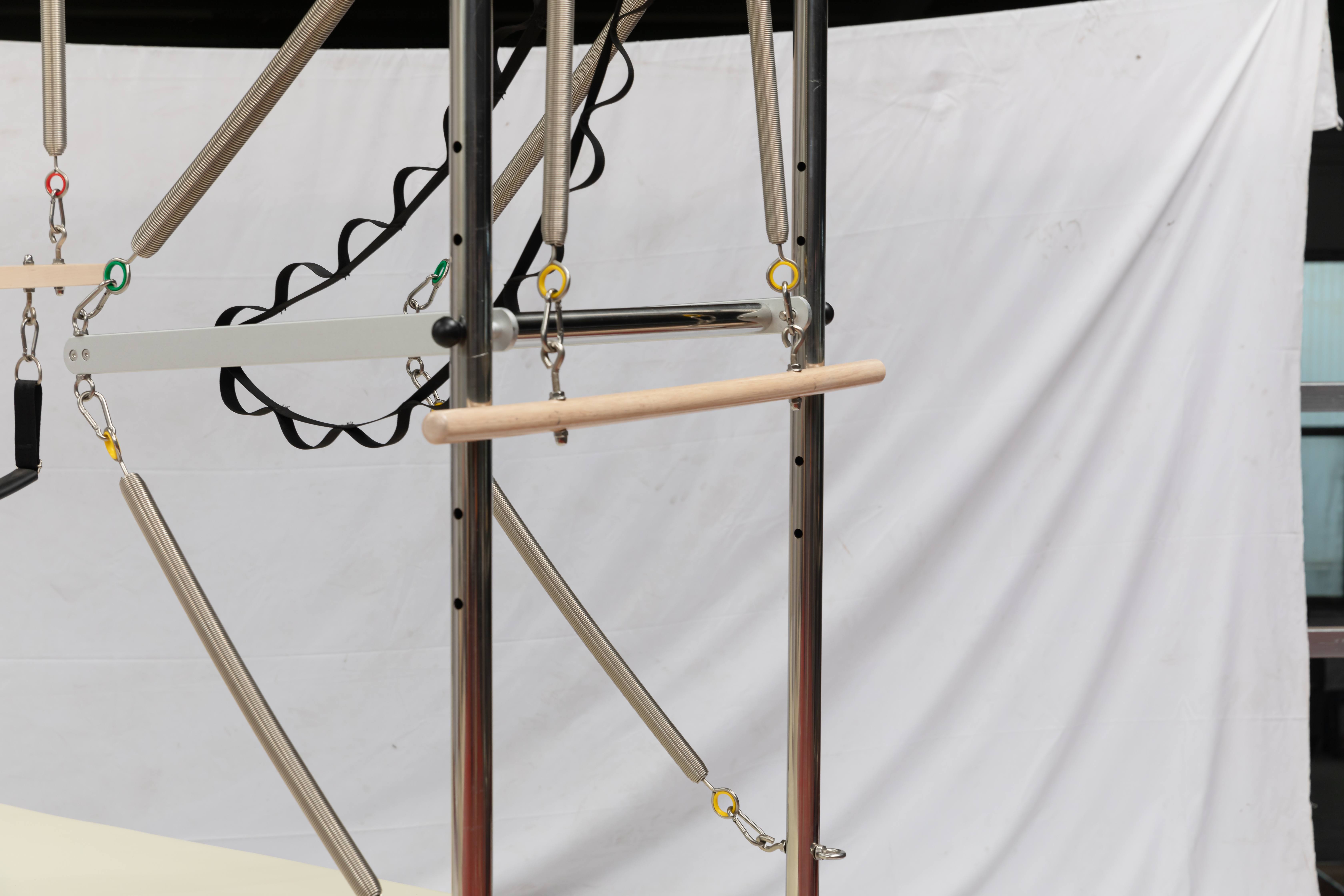
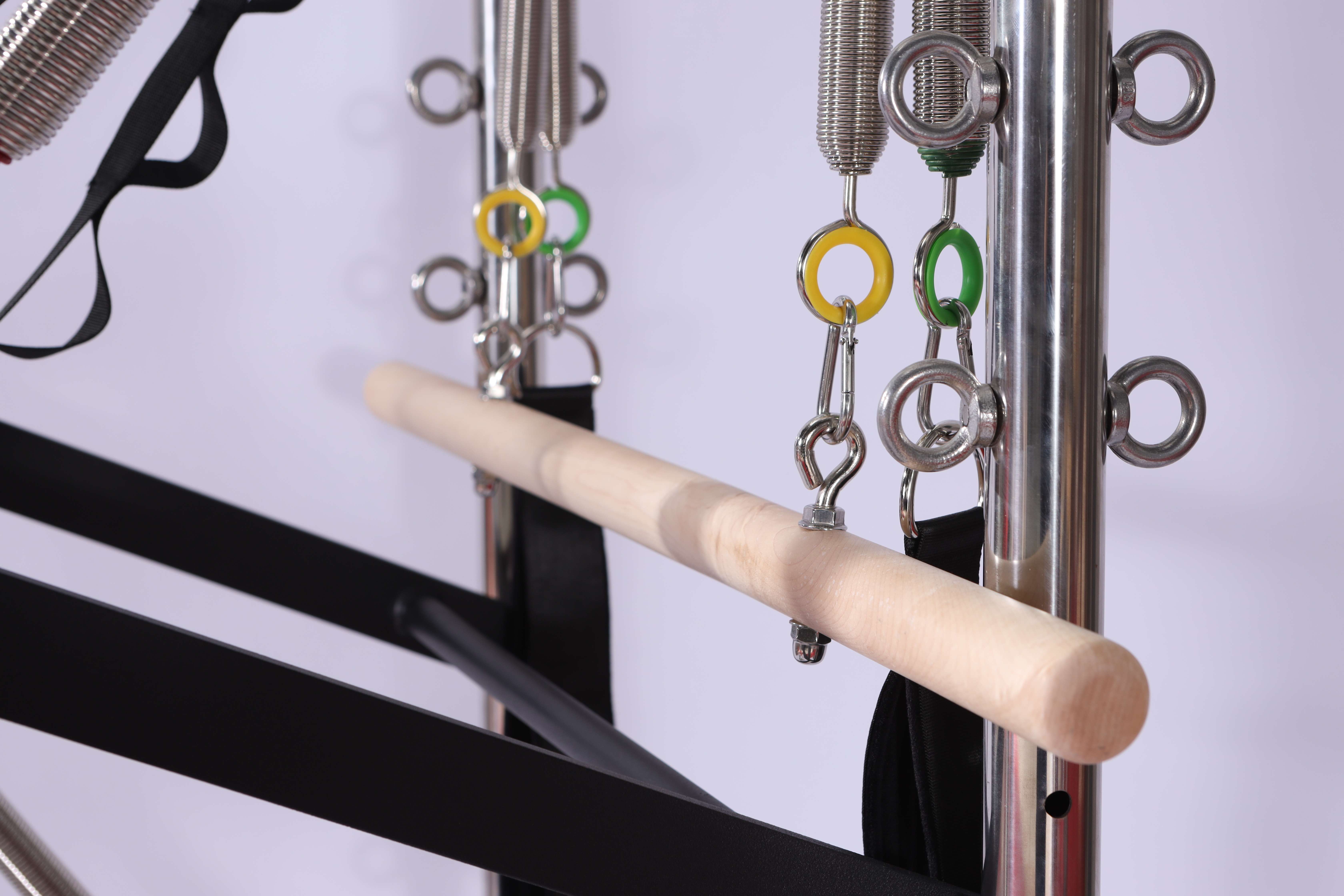
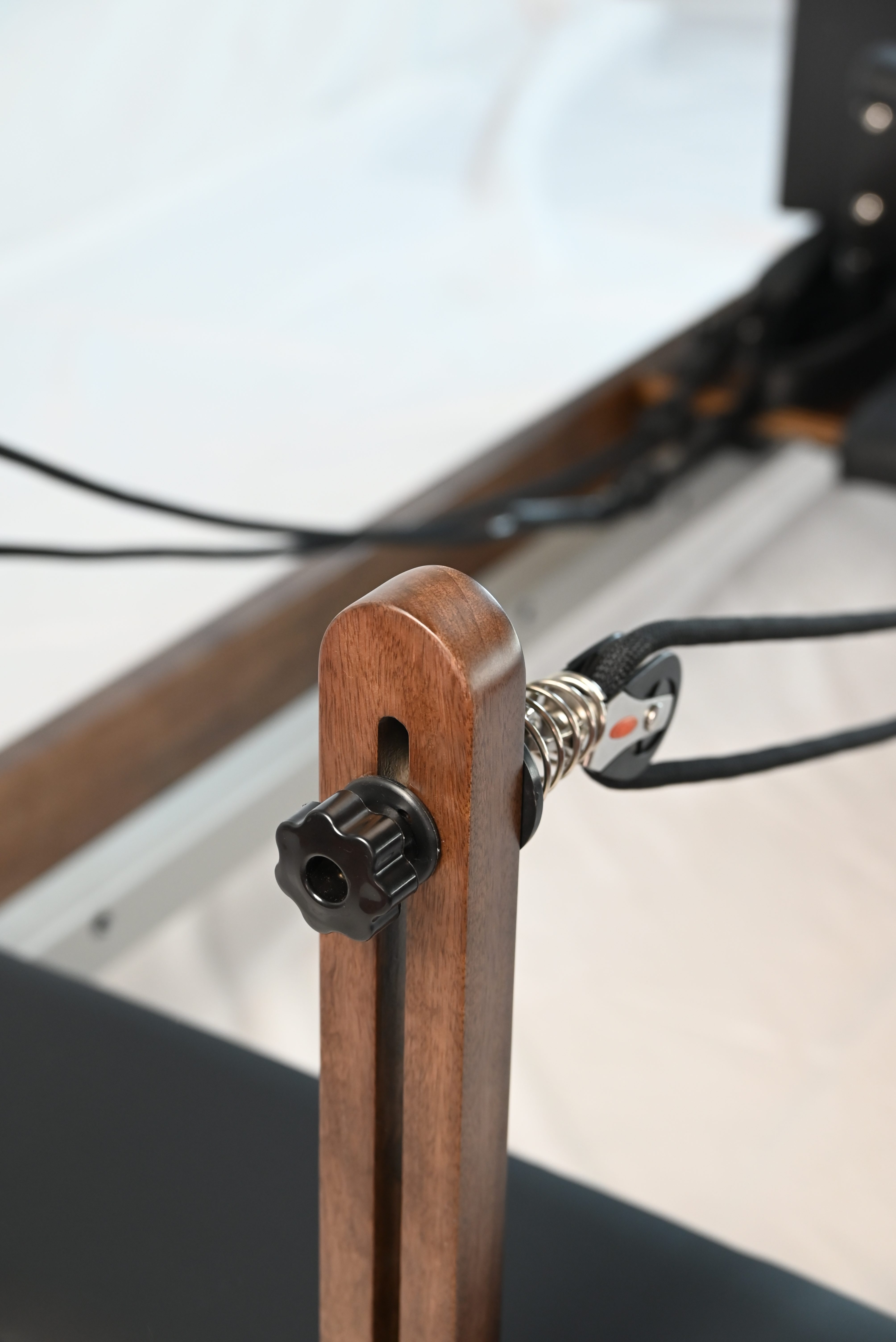
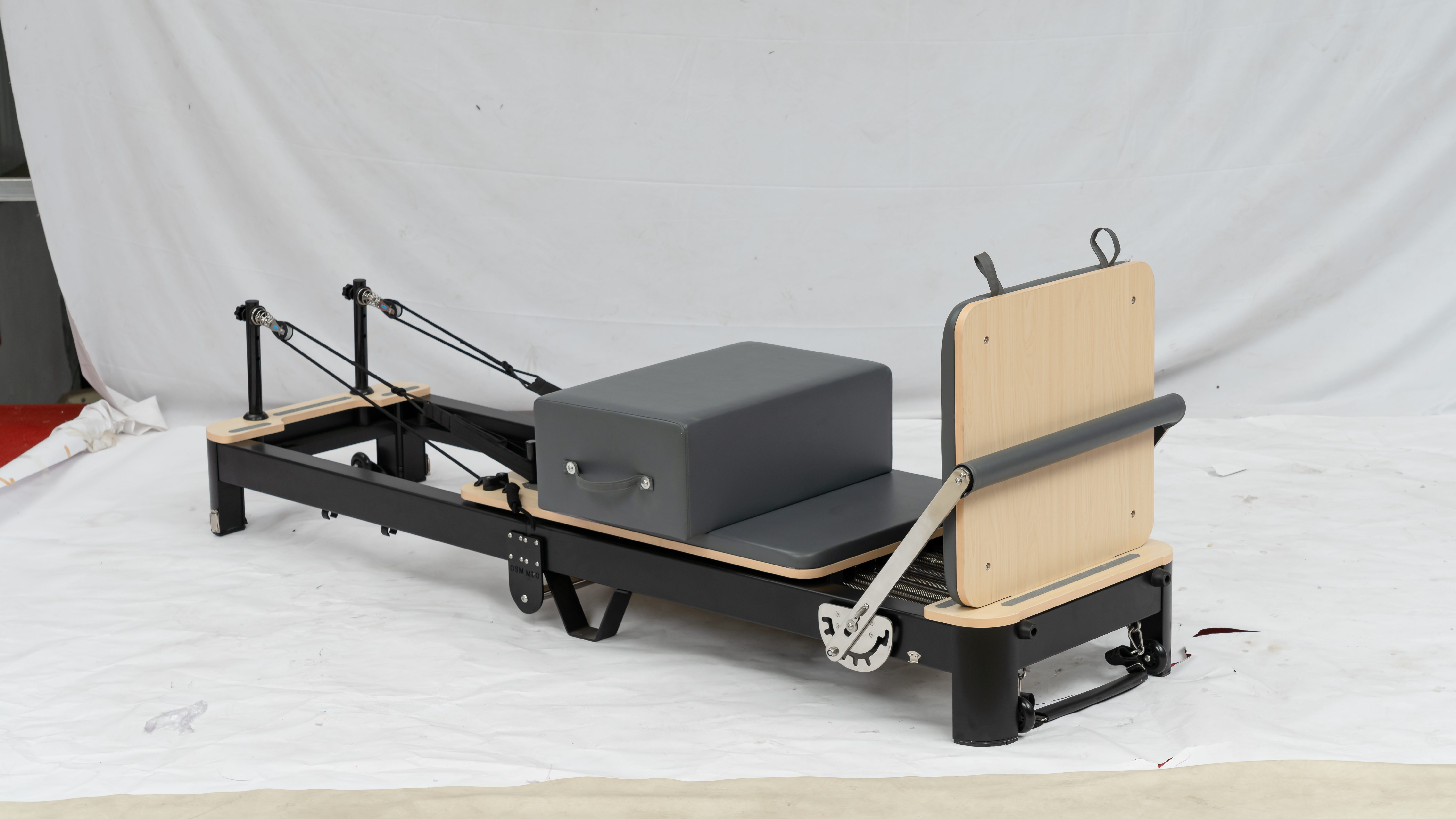
A white-label bundle combines complementary small Pilates accessories packed and sold together. Common bundles include reformer starter packs: hand straps, foot loops, head supports, small boxes, resistance bands, and non-slip pads. Unlike private-label orders, where you work with the factory to modify product molds, white-label goods are finished standard products. The core item itself stays unchanged; your customization mainly lives on outer packaging, insert cards, stickers, and printed guides. This distinction sets the baseline for all branding limits.
Many new resellers mistakenly treat white-label the same as fully custom private label. They ask factories to alter molded logos, emboss marks directly onto foam or wood surfaces, or remove all original casting stamps. Most suppliers cannot or will not do this for standard white-label packages, and attempting to cover embedded factory marks with paint or adhesive stickers often violates supplier terms and product safety rules.
Core Packaging Rules You Must Follow
1. Clear, Accurate Product Labelling
Regulations across the EU, UK, Australia, and North America require specific information printed on every retail package. Even if you only sell to B2B studio clients, your white-label packaging should include the product material composition (PU foam, birch wood, nylon webbing, steel hardware), country of origin, weight, safety warnings, and care instructions.
For Pilates accessories that touch the body, such as upholstered cushions and grip straps, vague descriptions like “premium soft foam” are not enough for many import authorities. If you market items as commercial-grade for studio use, you also need to retain supporting documentation, including material test reports and load data, ready for inspection. Do not print false certification marks on your packaging unless you hold valid, transferable certificates. Many fitness equipment certifications belong to the original manufacturer and cannot be rebranded as yours.
2. Packaging Separation Between Original Factory Marks and Your Brand
Most factories retain small permanent identifiers: mold codes, batch stamps, or safety marks molded directly onto accessories. Your packaging design must not create the impression that you manufactured the goods yourself. Acceptable practice: your brand name, logo, and website appear on outer boxes, hang tags, and instruction leaflets. Restricted practice: covering, scratching out, or digitally editing factory safety marks to erase their identity.
A practical workflow for new resellers: use custom outer cartons and branded tissue paper, add your own printed inserts, and place unmodified accessories inside. This keeps your presentation cohesive while staying compliant with supplier agreements and import rules.
3. Bundle Assembly and Packing Consistency
When you order mixed accessory bundles, confirm whether the factory packs them for you or you will perform repacking locally. If the supplier handles packing, request a standard packing checklist for every bundle. Inconsistent contents are one of the top customer complaints for white-label resellers: clients order a reformer accessory kit and receive missing straps or the wrong size box.
If you plan to repack in your own warehouse, note that repackaging may change your customs declaration. Some markets require you to state repacking activity on import documents; simply listing the factory as the producer while you fully redesign packaging can trigger customs queries.
Key Branding Limits for Pilates White-Label Resellers
1. Trademark and Intellectual Property Boundaries
You may use your own registered brand name on packaging and marketing, but you cannot use protected terms, artwork, or brand marks belonging to equipment manufacturers, certification bodies, or well-known Pilates method brands. This includes proprietary product names, registered logo styles, and marketing copy that implies official partnership.
A common pitfall: resellers create packaging that says “Official [Famous Pilates Method] Accessories” when they have no licensing agreement. This can result in cease-and-desist letters, marketplace listing removals, and blocked sales channels, including your Facebook shop and independent website.
You also cannot claim original design rights for standard white-label accessories. Your branding should focus on your service, fast local shipping, studio support, and curated bundle selection, rather than claiming you engineered the product itself.
2. Performance and Warranty Claim Restrictions
Branding limits extend to the promises you print on packaging. If the factory’s official warranty covers one year on hardware, you cannot print a five-year warranty on your custom box unless you independently underwrite that extended coverage. If a strap, foam cushion or wooden accessory fails, the liability chain must be clear to your buyers.
Many white-label supply contracts prohibit resellers from rewriting the original safety and performance claims. You may add your own customer service contact information for returns and support, but you cannot alter load ratings, fire safety statements, or material disclaimers provided by the manufacturer.
3. Visual Branding on the Physical Products
Most white-label arrangements only permit surface branding such as custom stickers, fabric heat transfer, or engraved tags attached separately to the item. Permanent engraving directly onto the accessory frame, foam mold, or hardware usually falls into private-label territory and requires higher MOQs, extra tooling fees, and a separate contract.
Even removable branding has limits. Stickers placed on high-wear areas, such as carriage straps or foot loops, often peel off during studio cleaning cycles. If your branding falls away quickly, it creates a poor impression of your brand quality, even if the underlying accessory is well made.
How to Negotiate Better White-Label Terms With Your Supplier
Before placing your first bundle order, put branding rules in writing. Ask your supplier these questions:
- Which surfaces are allowed for logo application, and which marks cannot be altered?
- Are there artwork templates for packaging, and what file formats do they accept?
- Can they supply neutral “no-brand” packaging, or will factory logos still appear on inner poly bags?
- Are there additional fees for custom cartons, hang tags, printed manuals, or multilingual inserts?
- What happens if customs rejects your packaging labels? Who provides supporting compliance paperwork?
New resellers often push for unlimited branding at the original white-label price, but factories have reasons to enforce boundaries. If too many resellers erase all trace of the original manufacturer, the supplier loses control over product liability, quality feedback, and certification traceability. A flexible, cooperative agreement will usually allow you enough branding space to build a recognizable reseller brand without crossing these lines.
Best Practices to Reduce Risk
Start small with low minimum order quantities for your first white-label accessory bundles. Test your packaging design with one carton before bulk printing, and send a sample to your freight forwarder to confirm it will pass destination customs checks. Keep all supplier agreements, test reports, and artwork approvals stored together, ready to share with marketplaces or regulators if requested.
Structure your product descriptions honestly: “Curated Pilates accessory bundle, white-labeled for our studio clients” builds trust and keeps you compliant. Highlight the value you bring as a reseller: local stock, quick replacement parts, bundled discounts for studio owners, and responsive after-sales support. These selling points belong to your brand and require no modification to the original accessories.
Final Thoughts
White-label Pilates accessory bundles remain an excellent entry point for new resellers who want to serve regional Pilates studios and trainers. The business works best when you understand where your branding freedom ends. Packaging must stay truthful, labelling must meet import and safety standards, and you cannot overwrite manufacturer marks, certifications, or liability disclaimers.
By respecting these packaging rules and branding limits, you avoid shipment delays and legal trouble while steadily growing a reliable brand that studio buyers will return to for repeat accessory orders.