Lead Time Forecasting Tips: How Distributors Avoid Stock Shortages During Peak Studio Opening Seasons
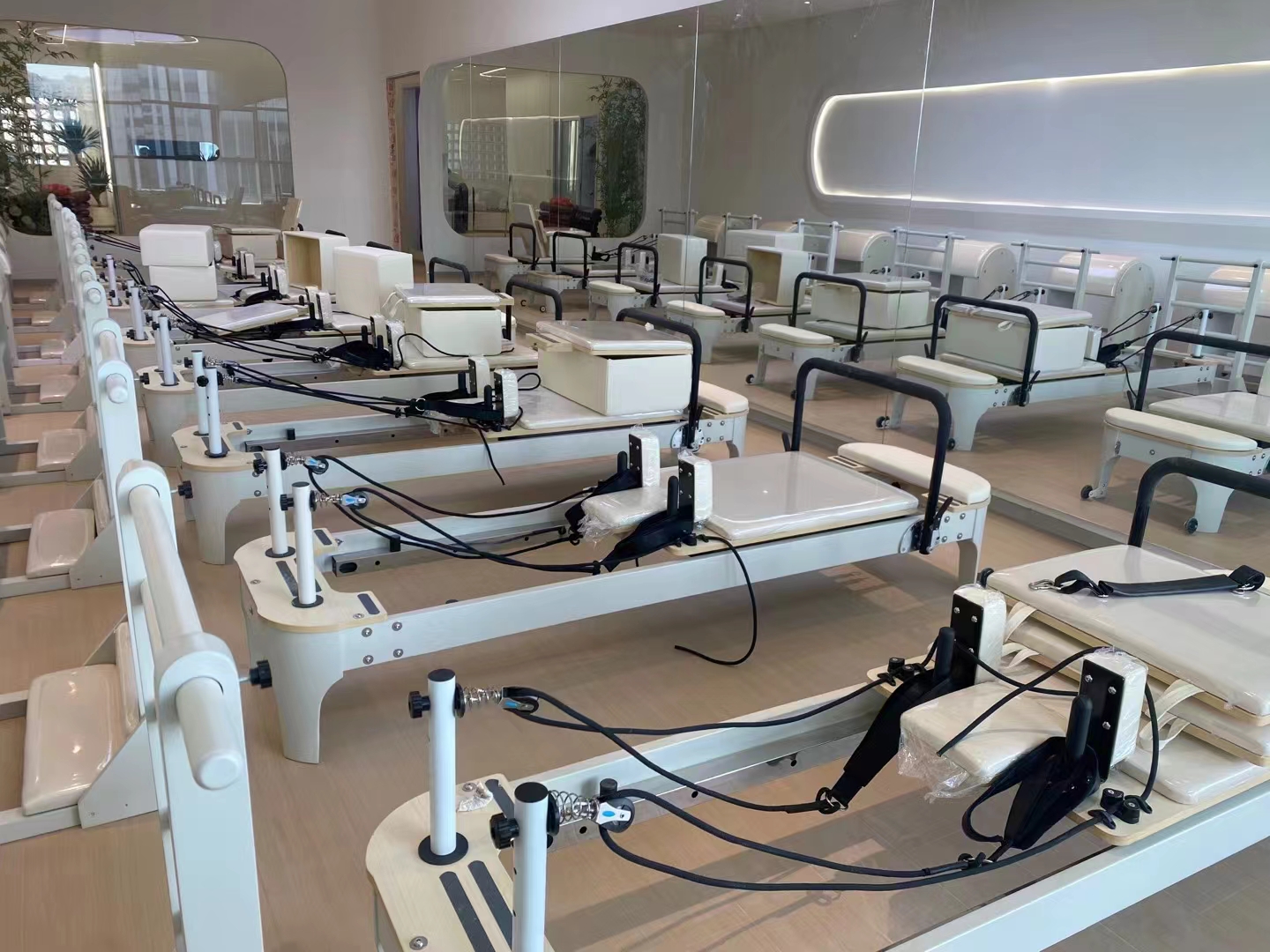
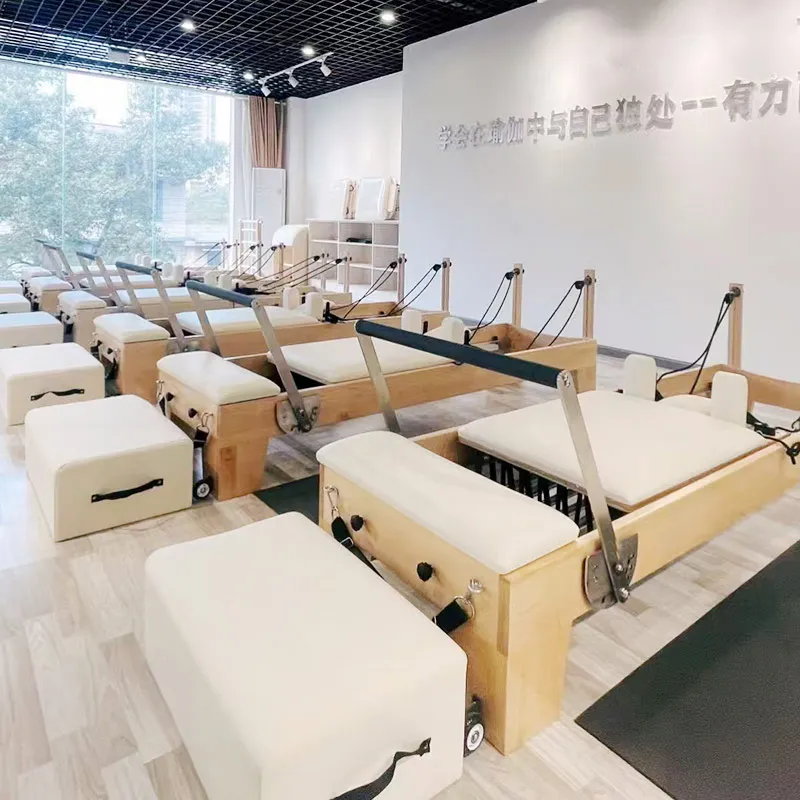
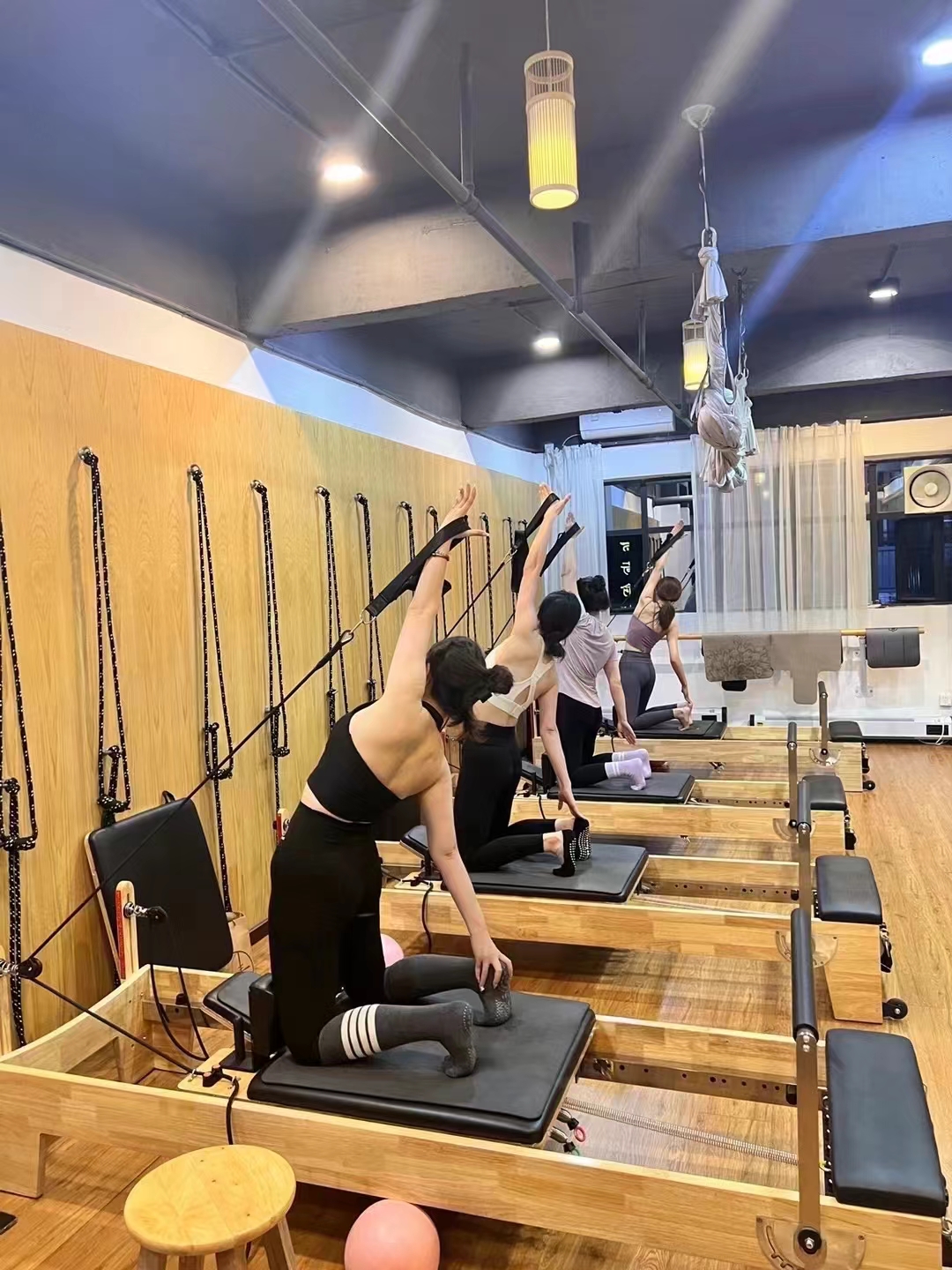
For Pilates equipment distributors, the seasonal rush of new studio launches is both your biggest revenue window and your highest inventory risk. Every year, waves of new fitness operators sign leases, hire instructors, and lock in grand-opening timelines, creating a sharp spike in orders for reformers, cadillacs, pilates towers, and accessory bundles. If your lead time forecasting is off by just a few weeks, you can end up losing bulk orders to competitors, disappointing loyal studio clients, or scrambling to source rushed shipments at steep airfreight premiums. Mastering realistic lead time forecasting is not simply about asking your factory “how long production takes.” It means mapping every layer of your supply chain, accounting for hidden delays, and building flexible buffers tailored to the Pilates industry’s unique production and shipping rhythms.
Understand What Makes Pilates Equipment Lead Times Hard to Predict
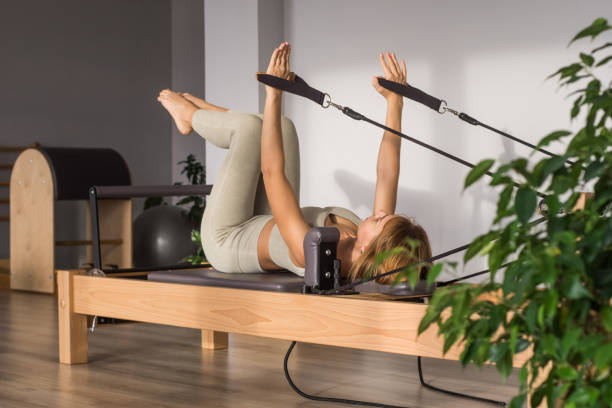
Unlike mass-produced small fitness goods, commercial Pilates apparatus relies on custom materials and labour-intensive hand assembly. A single wooden reformer requires solid timber framing, PU upholstery, precision spring sets, silent carriage rails, branded accessories, and quality testing before it leaves the factory. Many factories batch these orders rather than running continuous production lines.
Several variables routinely stretch quoted lead times: raw material shortages for birch or maple timber, backlogs on imported German springs, upholstery colour change requests, third-party load testing and certification checks, and seasonal factory shutdowns around major holidays. On top of production delays, you must add container booking bottlenecks, port congestion, customs inspection hold-ups, and inland trucking delays at destination ports.
New distributors often make the critical mistake of treating the factory’s quoted production lead time as your total customer lead time. The factory’s 45-day production window does not include packing, container loading, ocean transit, import clearance, local warehousing, or last-mile delivery to studio sites. When you quote timelines to studio buyers using only factory production days, you set yourself up for unavoidable stock shortages and missed delivery commitments.
Build a Granular Supply Chain Timeline for Forecasting
Accurate forecasting starts by breaking your full lead time into separate, trackable phases, and assigning a baseline and worst-case number to each segment. A standard breakdown for bulk Pilates equipment orders looks like this:
- Pre-production phase: Artwork confirmation, sample approval, deposit payment, material sourcing, and raw material cutting. This often takes 7 to 14 days, and it expands dramatically when clients request custom wood stains, bespoke upholstery colours, engraved logos, or mixed MOQ bundles.
- Production & quality inspection: Factory build, assembly, load testing, final inspection, and photo/video verification. Standard bulk orders range from 30 to 45 days; high-season backlogs can push this to 60 days or longer.
- Packing and loading: Custom export packaging, crating, and container loading. Mixed orders with multiple reformer models, towers, and accessory kits add extra packing time.
- Freight transit: FCL ocean transit varies widely by destination. Shipments to the UK and EU typically run 28–38 days, while Southeast Asian ports may only require 7–14 days. LCL shipments consistently add extra waiting time for consolidation.
- Import compliance and customs clearance: Document review, tariff classification, CE or EN 957 verification, duty payment, and random physical inspections. This segment is especially volatile during peak import seasons.
- Local receiving and fulfilment: Unloading at your warehouse, inventory auditing, and final delivery or cross-docking to your studio customers.
Store this timeline in your inventory planning sheet, and update the worst-case lead times every quarter based on feedback from your factory and freight forwarder. This layered view lets you spot bottlenecks before they derail your stock plan.
Use Historical Studio Opening Data to Spot Peak Windows
Forecasting becomes far more reliable when you tie order volumes to real studio launch patterns. In most markets, two major peak seasons dominate Pilates studio openings: late spring, ahead of summer fitness campaigns, and early autumn, when consumers return to regular routines after holiday breaks. Smaller spikes often hit after New Year fitness resolutions and local fitness expo events.
Review your sales history from the previous two or three years: track which months brought the largest bulk orders, what mix of products sold best, and how many last-minute rush requests you received. You will likely discover that reformer orders surge six to eight weeks before the actual grand opening date, as studio owners race to fit out their space before launching classes.
Create a forward demand curve and share it proactively with your manufacturing partner. Instead of sending sudden large orders once demand explodes, give your factory a rolling forecast: projected order volumes by product type for the next three to six months. Even if the forecast is non-binding, it helps the factory reserve raw materials, allocate production slots, and schedule labour ahead of the rush. This simple step alone cuts your risk of being pushed to the back of the production queue.
Build Tiered Stock Buffers for Different Product Lines
Not every Pilates product carries the same lead time risk, so your safety stock strategy should be tiered.
- Fast-moving standard reformers: These are your highest-risk items for stockouts. Keep a rotating safety stock buffer of finished units in your local warehouse, or lock in reserved production slots with your factory ahead of peak season. Standard colour, standard spring configuration, non-customised units are ideal for pre-building.
- Custom or premium units: Solid wood cadillacs, wall-mounted pilates stations, and custom-stained reformers have longer lead times and lower turnover. Avoid pre-building large inventory here. Instead, set an earlier order cutoff date for custom requests and clearly communicate extended lead times to your buyers.
- Accessory spare parts bundles: Straps, foot loops, springs, headrests, and small boxes have shorter production cycles. Maintain a dedicated spare parts inventory separate from your main equipment stock. These small items are frequently the reason a studio cannot start classes on time, even when the main reformer frame arrives on schedule.
When calculating buffer size, factor in your supplier’s historical delay rate. If your factory runs late on 20% of peak-season orders, add a corresponding time buffer rather than a fixed number of days across all orders.
Negotiate Flexible Terms to Reduce Shortage Exposure
Strong lead-time forecasting works hand-in-hand with supplier negotiation, especially for distributors serving regional studio markets. Before peak season arrives, discuss these protections with your factory:
- Priority production slots: Lock a guaranteed percentage of monthly factory capacity for your orders during the high-demand window, often with a small pre-deposit for reserved capacity.
- Phased shipment schedules: Split one large forecasted order into staggered production and shipment batches. This prevents you from tying up all your capital in one container and gives you room to adjust if demand shifts.
- Neutral quick-ship inventory: Ask whether the factory maintains neutral, unbranded ready stock of popular reformer models that can ship with minimal notice for emergency orders. These usually command a slight premium, but they are invaluable for saving high-value bulk clients.
- Clear delay escalation protocols: Agree on what the factory must do if they miss the confirmed ship date: timely alerts, alternative production plans, partial shipments, or negotiated compensation for air freight surcharges.
It is equally wise to build a secondary backup supplier for your top-selling reformer model. You do not need to shift all your volume, but having a second vetted factory option creates a safety net if your primary manufacturer becomes completely backlogged.
Communicate Transparent Lead Times to Studio Buyers
Many stock shortages begin with mismatched customer expectations. If your website, social media, or sales quotes promise a four-week turnaround when your full supply chain requires ten weeks, you will face a flood of urgent orders you cannot fulfil.
Segment your quoting language clearly: separate standard lead times, peak-season extended lead times, and rush-order options with their associated surcharges. For studio fit-out projects, encourage your clients to share their target opening date early. You can then flag hard order cut-off dates and warn them that custom upholstery, logo engraving, and mixed bundle orders require extra planning.
When delays do emerge, notify your buyers immediately rather than waiting until the original delivery date passes. Pilates studio owners are often working against strict lease and marketing timelines. Early communication lets them adjust their class launch schedule, arrange temporary rental equipment, or switch to an in-stock standard model, preserving your business relationship.
Track Real-Time Signals That Signal Upcoming Delays
Set up regular check-ins so you catch warning signals before they turn into stockouts. Watch for these red flags:
- Your factory begins pushing delivery dates for existing orders, even for standard non-custom products
- Raw material suppliers announce price increases or allocation limits for timber, foam, or hardware
- Freight forwarders warn of container shortages, rate spikes, or port labour disruptions
- Your inbound containers repeatedly get held for customs documentation reviews
Create a simple alert system: if the factory misses an intermediate milestone, such as sending pre-shipment inspection photos by the agreed date, flag that order as high-risk and activate your contingency plan early.
Final Takeaway
Peak studio opening season does not have to mean constant firefighting, rushed freight, and lost sales. Effective lead time forecasting for Pilates equipment distributors hinges on seeing your supply chain as a connected sequence of events, not just a factory production number. By mapping every phase of your timeline, learning from historical opening trends, building targeted safety stock, negotiating priority capacity, and setting honest expectations with your studio clients, you can avoid crippling stock shortages.
The most successful distributors do not simply react to incoming orders. They forecast demand months ahead, reserve production space, and design flexible fulfilment plans that keep popular reformers, towers, and accessory kits flowing steadily to studios exactly when they need them.