Hidden Costs of Buying a Pilates Reformer: What the Price Tag Doesn't Tell You

When you see a price on a Pilates reformer, whether it is $1,500 or $6,000, that number represents only the machine itself. The true cost of ownership extends far beyond the sticker price, and for many buyers—especially studio owners and serious home users—these additional expenses can add thousands of dollars over the life of the equipment. Understanding what the price tag leaves out is essential for making a financially sound decision.
Freight and Delivery
Reformers are large, heavy, and awkward to ship. Unless the seller explicitly states that shipping is included, expect to pay for freight. In the United States, curbside freight delivery for a reformer typically runs between $150 and $400 . Some manufacturers include free curbside delivery within the continental US, but even then, the truck driver may only drop the crate at the curb. Getting the machine inside your home or studio—especially up stairs or through narrow doorways—often requires a “white-glove” or threshold delivery service that costs extra. International buyers face even more complexity, with sea freight, customs clearance, duties, and final destination charges all adding to the landed cost .
Assembly and Installation
Most reformers arrive partially disassembled or require final calibration. If you are handy with tools, you can handle this yourself. If not, hiring a technician to assemble and properly calibrate the machine is a real expense. Some brands require specialized tools or precise spring alignment that is difficult without experience . A poorly assembled reformer is not only frustrating to use but potentially unsafe. For studio owners purchasing multiple units, professional installation becomes a necessary line item that should be negotiated into the purchase.
Accessories You Will Actually Need
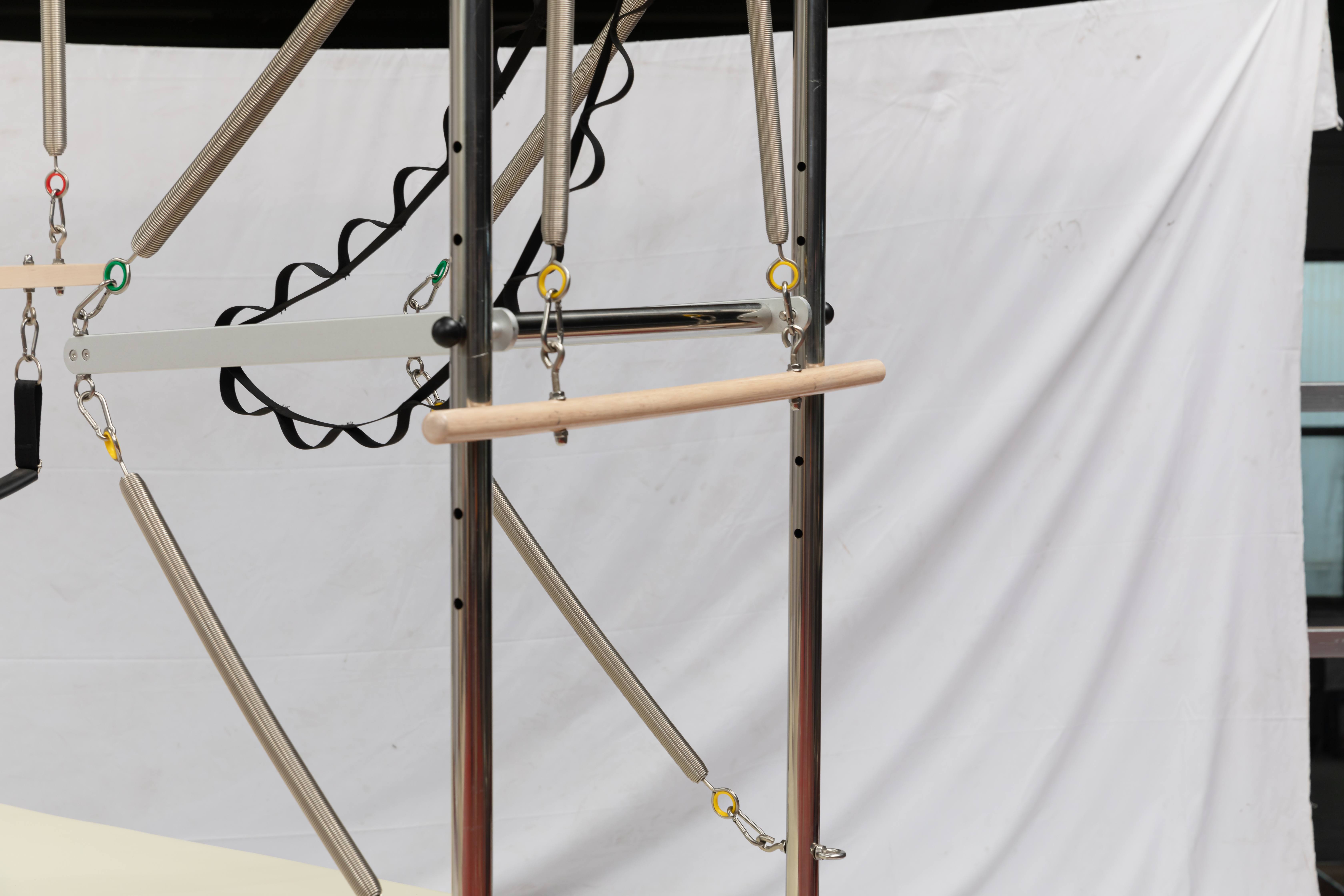
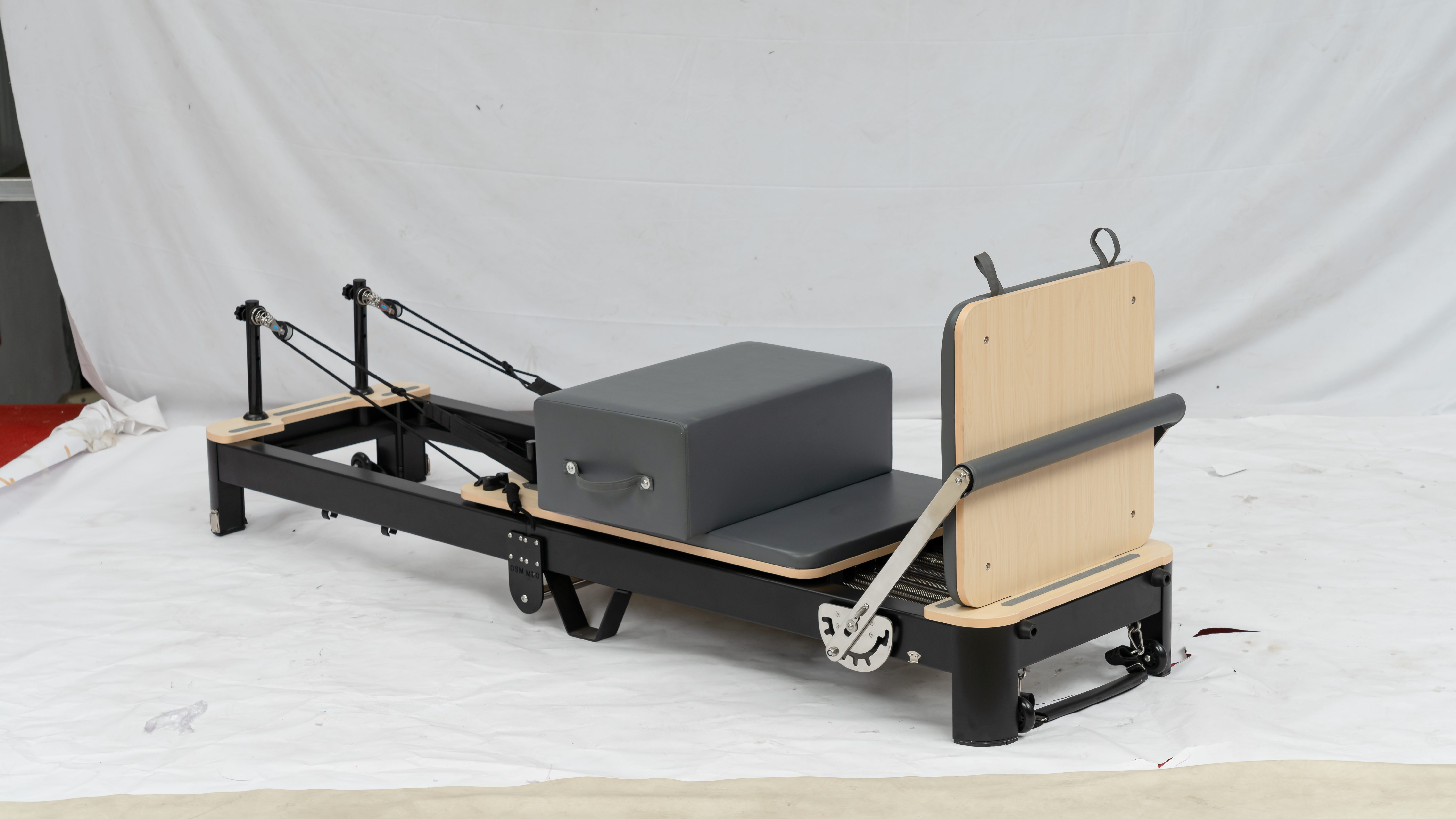
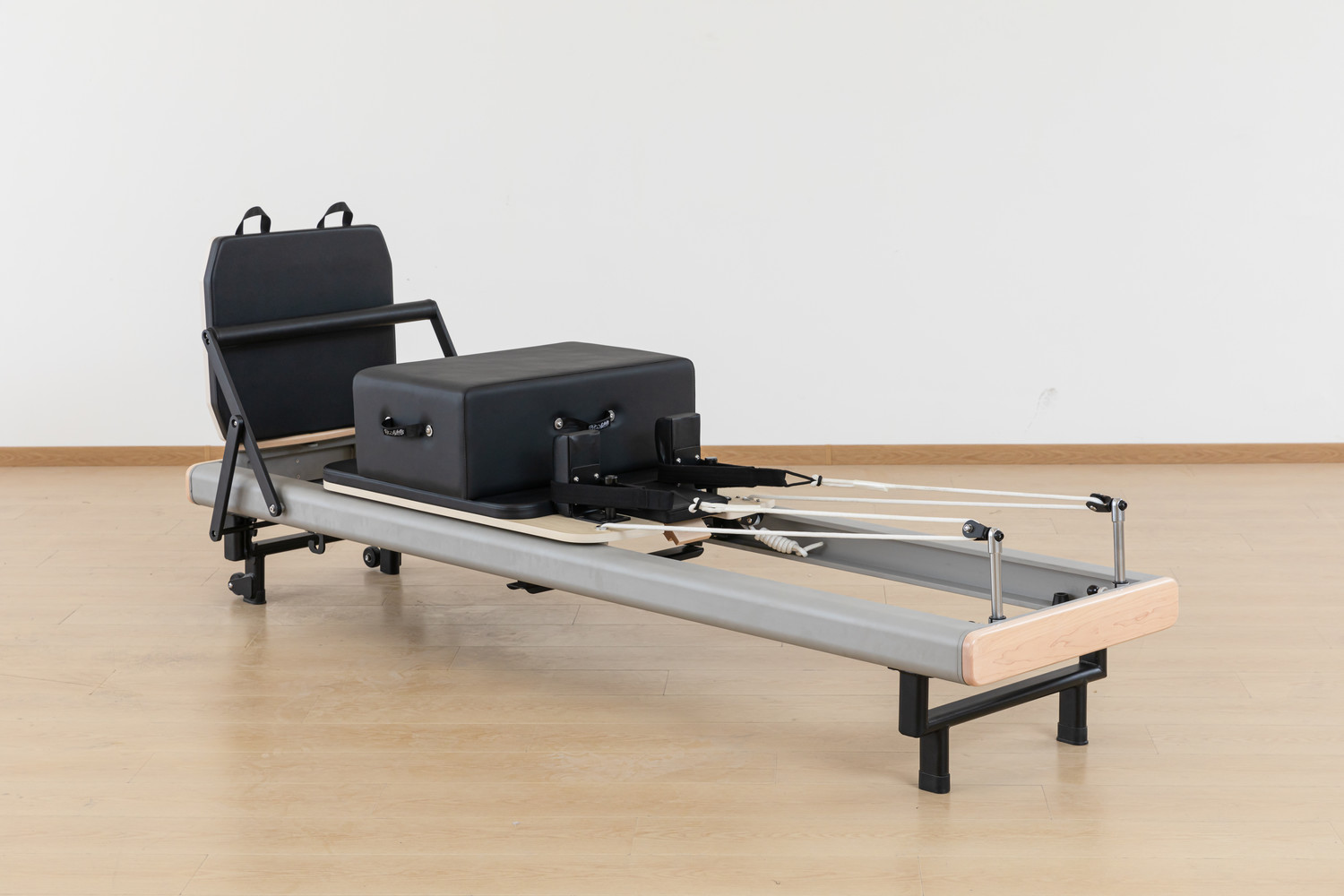
A bare reformer is functional, but most practitioners quickly discover they need accessories to unlock the full range of exercises. A sitting box and pole are the most common first additions, typically costing $150 to $300 combined. A jumpboard adds another $150 to $350 . These items are often not included in the base price, and the total can climb quickly. For studios offering varied class formats, accessories are not optional extras—they are essential programming tools.
Wear Parts and Replacement Cycles
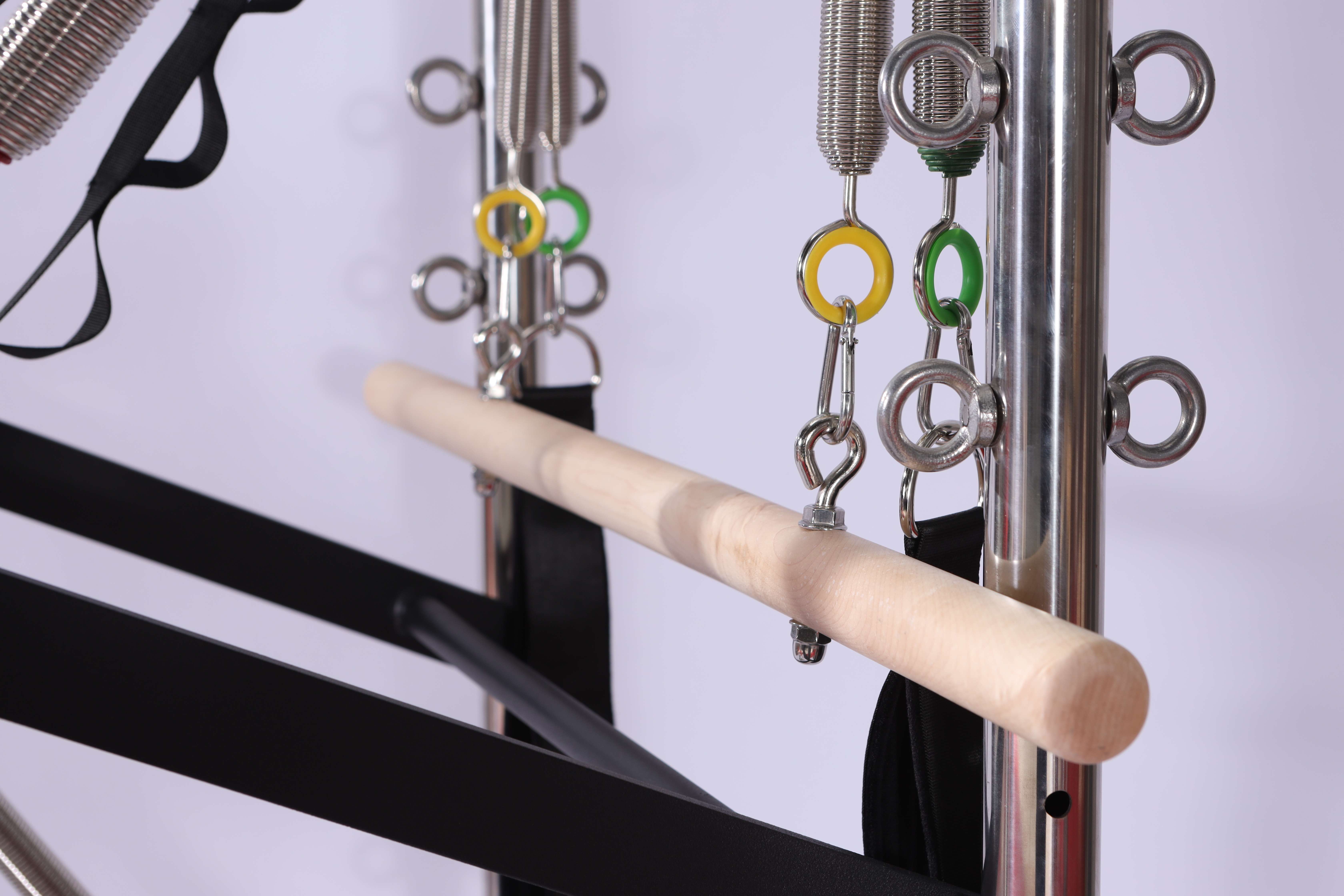
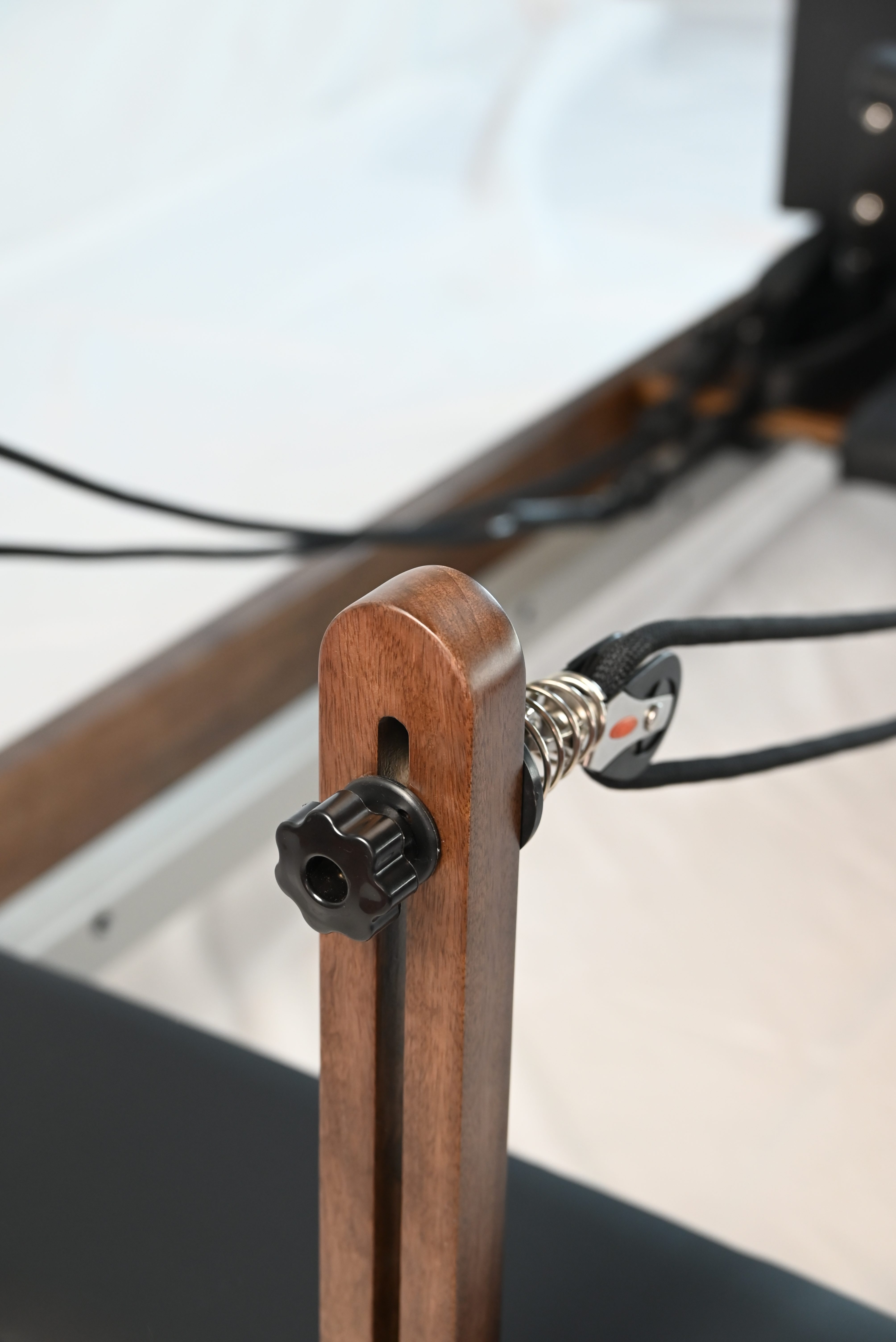
Every reformer has components that wear out. Springs lose tension and should be replaced every three to five years of regular use, at $80 to $200 per set . Ropes fray and need replacement. Upholstery compresses, cracks, or stains over time and may require re-covering. Wheels and bearings wear down with use. On a well-built machine with available parts, these are manageable maintenance costs. On a budget machine with proprietary or unavailable parts, a single worn component can render the entire reformer unusable . The hidden cost here is not just the parts themselves but the availability of those parts years after purchase.
Downtime and Lost Revenue
For studio owners, the most insidious hidden cost is downtime. When a reformer breaks or needs service, it stops generating revenue. Budget reformers can average three to six days of downtime per year, and at $35 to $60 per session with multiple classes per day, the lost revenue adds up quickly . A five-day outage on one reformer can represent $525 to $900 in reduced capacity, or $1,000 to $2,000 if classes must be cancelled entirely . Premium equipment with readily available parts and responsive technical support minimizes this risk.
The Five-Year Reality
When you add up freight, accessories, wear parts, and downtime, the gap between a budget reformer and a professional-grade machine narrows significantly. One cost analysis estimates that a $2,000 to $2,500 budget reformer can cost approximately $9,200 over five years when maintenance, parts, and downtime are included. A $4,695 studio-grade reformer, by contrast, totals around $6,595 over the same period . The cheaper machine is not cheaper to own.
Depreciation and Resale
Budget reformers typically have little to no resale value and are often written off as sunk costs within four to six years . Premium brands with strong reputations and parts availability hold value remarkably well. If you ever upgrade, relocate, or close your studio, that resale value represents real money recovered. When comparing purchase prices, factoring in expected resale value changes the math considerably.
Conclusion
The price tag on a Pilates reformer is a starting point, not the final number. Freight, assembly, accessories, wear parts, downtime, and depreciation all contribute to the true cost of ownership. Before you buy, ask the seller what is included and what is not. Confirm the availability and cost of replacement parts. Consider how much downtime would cost you if the machine failed. When you look at the full picture, the wisest choice is often not the one with the lowest sticker price, but the one that delivers the lowest total cost over the years you actually own it.