Budget Planning for Your First Pilates Studio: Equipment Costs Explained
Opening your first Pilates studio is an exciting milestone, but the financial planning can feel overwhelming—especially when it comes to equipment. A single reformer can cost anywhere from a few thousand to over ten thousand dollars, and a studio typically needs several. Understanding where your money goes, what you can reasonably spend, and how to avoid hidden costs will determine whether your studio opens on solid financial footing or struggles from day one.
The Reformer: Your Largest Equipment Expense
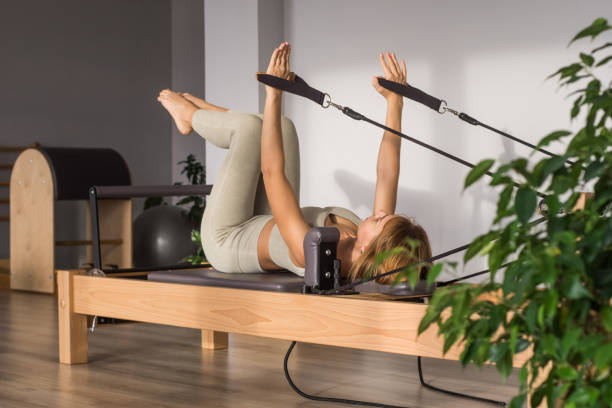
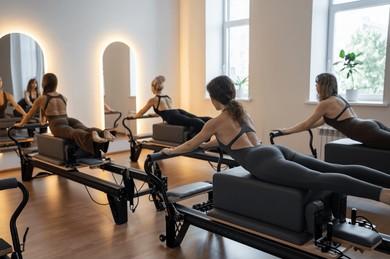
The reformer is the foundation of any machine-based Pilates studio, and it will dominate your equipment budget. Globally, the average price of a Pilates reformer in 2025 was approximately $2,850 per unit, though this figure spans a wide range from entry-level home models to commercial-grade studio machines. For a professional studio, expect to pay significantly more. Industry sources indicate that commercial reform ers suitable for daily group classes typically range from $4,000 to $10,000 or more per unit, depending on brand, materials, and features.
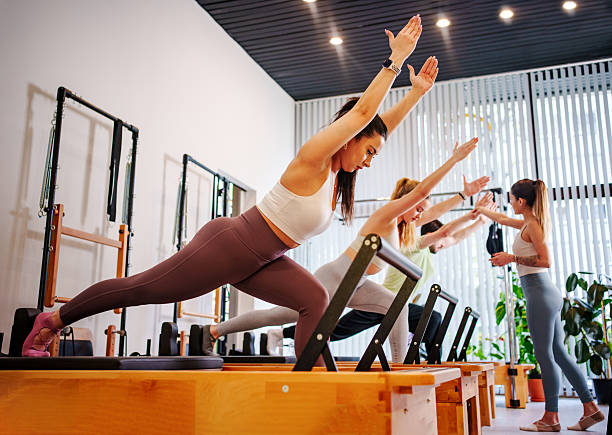
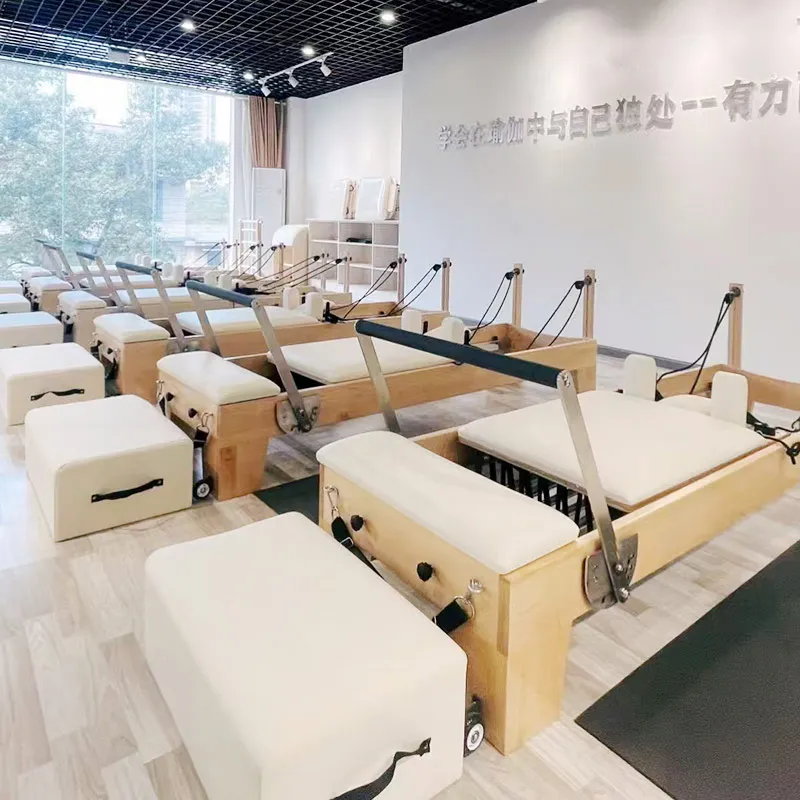
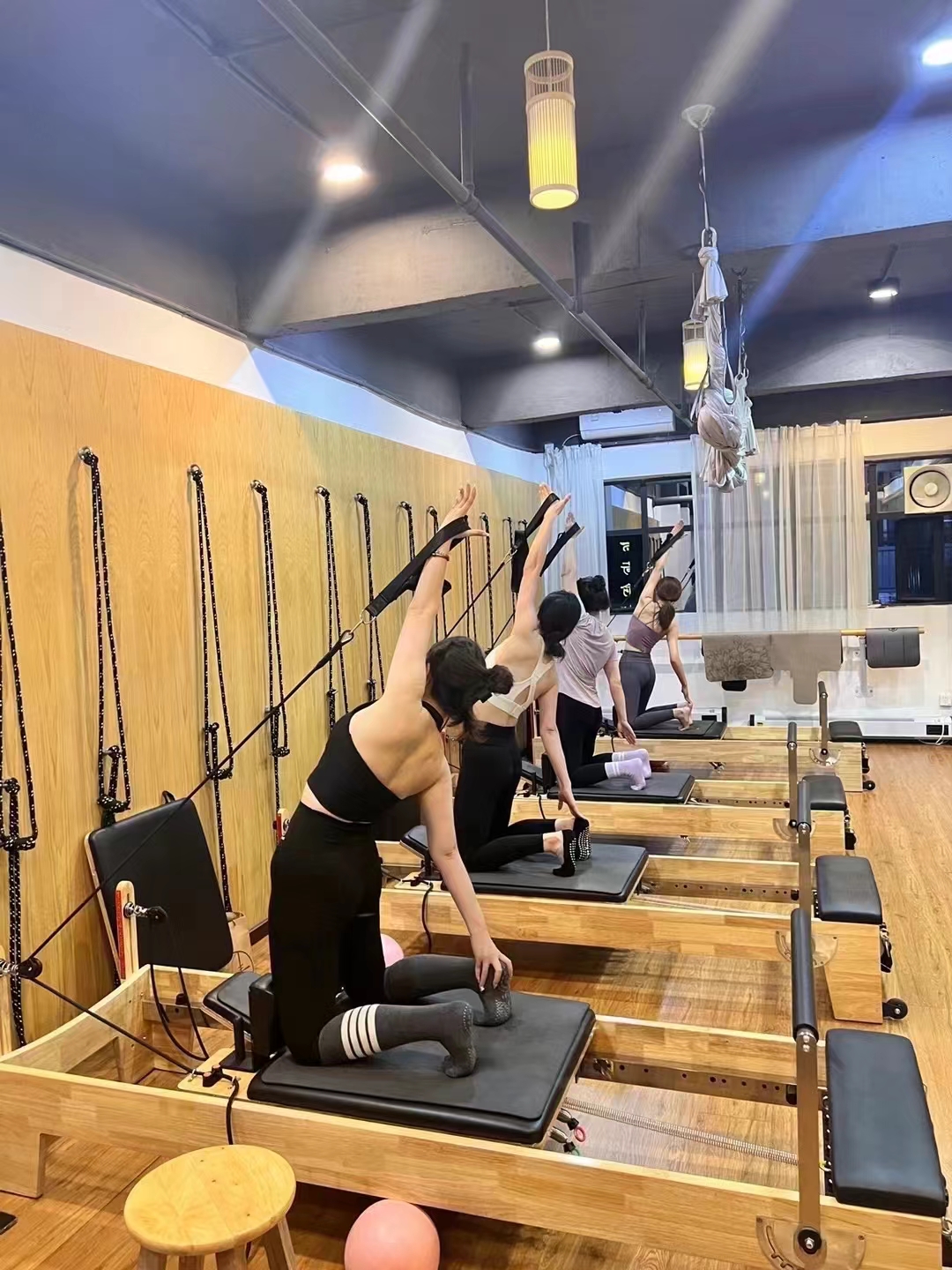
How many do you need? A small boutique studio often starts with two to four reformers, while a dedicated group reformer studio might require six to eight. The difference between three and six machines can mean tens of thousands of dollars in initial outlay. Before ordering, carefully assess your class schedule, target client volume, and whether you plan to offer private sessions alongside group classes. A room designed for maximum machine count may sacrifice circulation and instructor access, which can hurt the teaching experience.
Beyond the Reformer: Essential and Optional Equipment
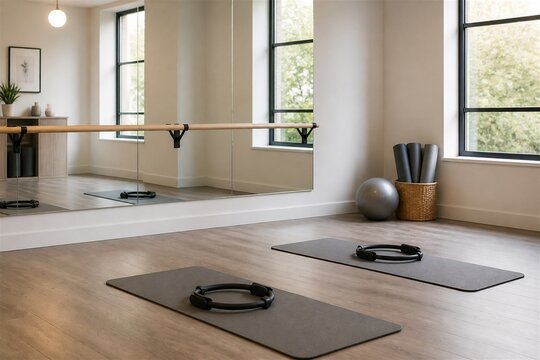
While the reformer is the centerpiece, a functional studio needs more. At minimum, budget for mats, props (rings, bands, balls), and a sound system. If you plan to offer a broader apparatus repertoire, consider adding a Pilates chair, a ladder barrel, or a spine corrector. These smaller machines are less expensive than reformers but still represent meaningful investment. A cadillac or trapeze table is a significant purchase typically reserved for studios with advanced programming or rehabilitation focus.
Balanced Body, a major equipment manufacturer, notes that small boutique studios often start with one or two reformers, a chair, and a barrel, then supplement as the business develops. This phased approach spreads costs over time and lets you validate demand before committing to a full apparatus suite.
New, Used, or Leased: Weighing Your Options
Your purchasing strategy dramatically affects both upfront costs and long-term financial risk. New equipment offers warranty coverage, manufacturer support, and predictable performance, but demands the highest initial capital. Used equipment can reduce costs by 30 to 50 percent, but requires careful inspection: check spring condition, carriage smoothness, rope and strap wear, and frame integrity. Critically, verify that replacement parts are still available—a discontinued model can become unusable if a single component fails.
Leasing or installment plans are increasingly common for studio startups. Some manufacturers and distributors offer leasing options specifically for business owners. In Japan, for example, domestic Pilates machine brands provide installment payment plans that can bring monthly costs down to a few thousand yen for a reformer, making equipment accessible with minimal upfront capital. Leasing preserves cash flow but means you do not own the equipment at the end of the term, and total payments may exceed the purchase price.
A practical middle path: buy your core reformers new (for reliability and warranty) and supplement with used or entry-level equipment for smaller items.
Hidden Costs That Catch New Owners Off Guard
The sticker price is rarely the full cost. Shipping, customs duties, and import taxes can add substantially, especially if you purchase from overseas manufacturers. One equipment distributor explicitly warns that listed prices from foreign manufacturers often exclude transport, duties, and taxes, and these should be factored into the total budget.
Installation and setup are another overlooked expense. Reformers are heavy and bulky; moving them into a studio space may require professional riggers, and assembly can take hours per machine. Some distributors include installation in the price, but many do not. Floor reinforcement is also a consideration—multiple heavy reformers in one room may require structural assessment, especially in older buildings or upper-floor locations.
Finally, budget for ongoing maintenance. Springs, ropes, and upholstery wear out and must be replaced periodically. A studio that neglects these costs will face unexpected downtime and repair bills.
Building Your Equipment Budget: A Realistic Framework
A reasonable approach is to allocate 40 to 60 percent of your total startup budget to equipment if you are opening a machine-based studio. Japanese industry data suggests that for a standard machine studio with six new reformers, equipment alone can represent nearly 40 percent of total startup costs, with interior construction and deposit/rental fees consuming much of the rest. For a smaller studio with three reformers and phased expansion, equipment might be 25 to 35 percent of the initial outlay.
Self-funding a portion is important. Lenders and grant programs typically expect owners to contribute at least 30 percent of startup costs from their own resources. If your equipment budget exceeds your available capital, consider starting with fewer machines and adding capacity as revenue grows, rather than stretching finances to fill the room on day one.
Conclusion
Equipment costs are the single most variable and consequential line item in your studio budget. The reformer you choose, how many you buy, whether they are new or used, and how you finance them will shape your monthly obligations and break-even timeline for years. Plan for the studio you can afford to operate sustainably, not the one that looks fullest on opening day. A carefully budgeted equipment plan leaves room for the marketing, staffing, and working capital that every new studio needs to survive its first year.