Common Mistakes Buyers Make When Purchasing Pilates Equipment
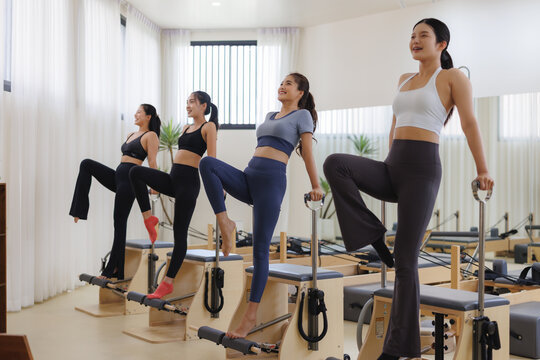
Buying Pilates equipment is a major decision, whether you are a studio owner outfitting a professional space or a home user building a personal practice. The market offers an enormous range of options, from budget reformers to premium commercial machines, and the buying process is full of pitfalls that are easy to overlook. Many buyers later regret their choices—not because the equipment was bad, but because they made avoidable mistakes along the way. Understanding these common errors before you buy can save you money, time, and frustration.
Focusing Only on the Upfront Price
The single most common mistake is letting the sticker price drive the entire decision. A cheap reformer looks attractive, but the true cost of ownership includes maintenance, replacement parts, downtime, and how quickly the machine needs to be replaced. Budget equipment often uses thinner frames, lower-grade springs, and cheaper bearings that wear out under regular use. Within a few years, the buyer may spend more on repairs and replacements than a commercial-grade machine would have cost upfront. Smart buyers calculate cost per year of use, not just the initial invoice.
Ignoring the Frame and Rail Materials
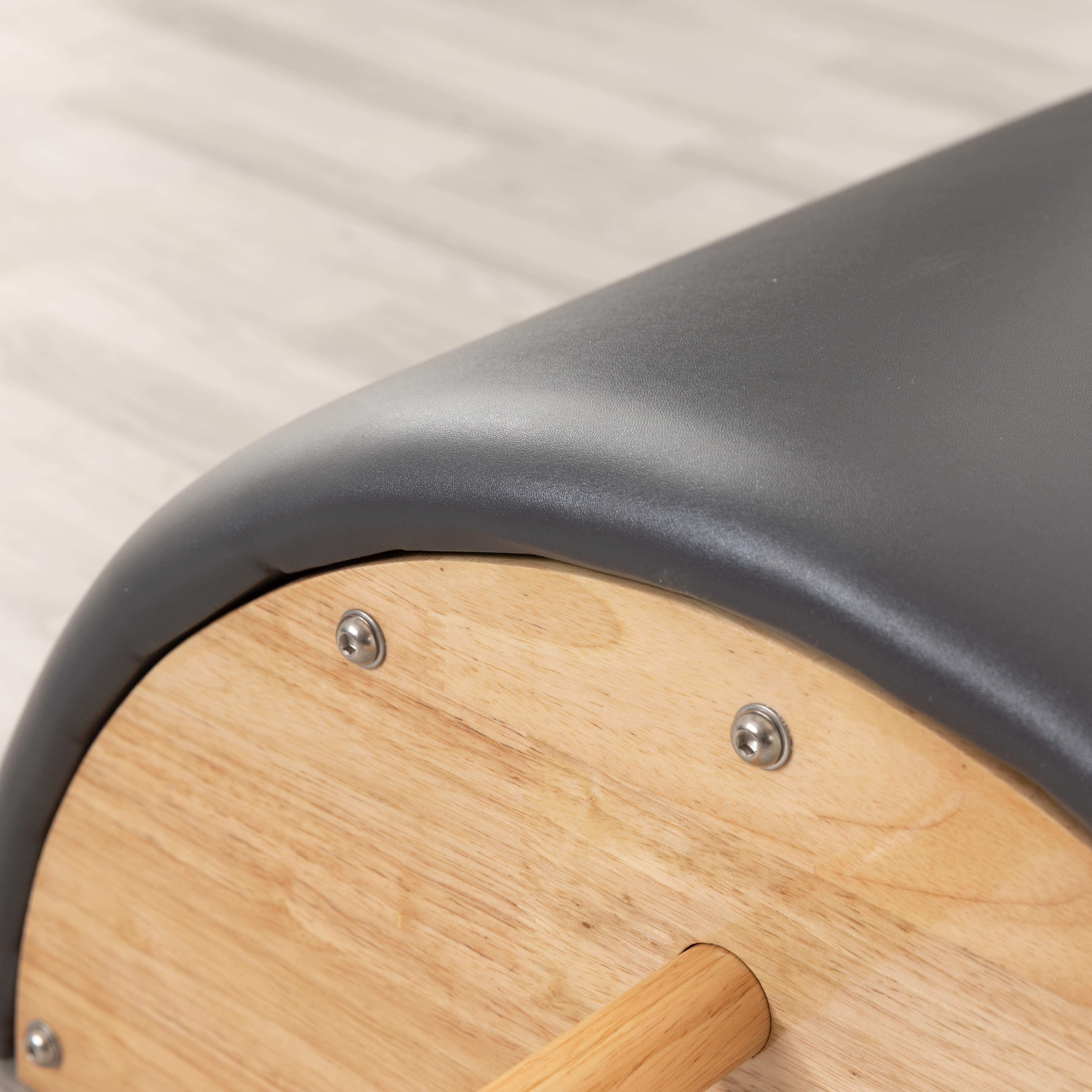
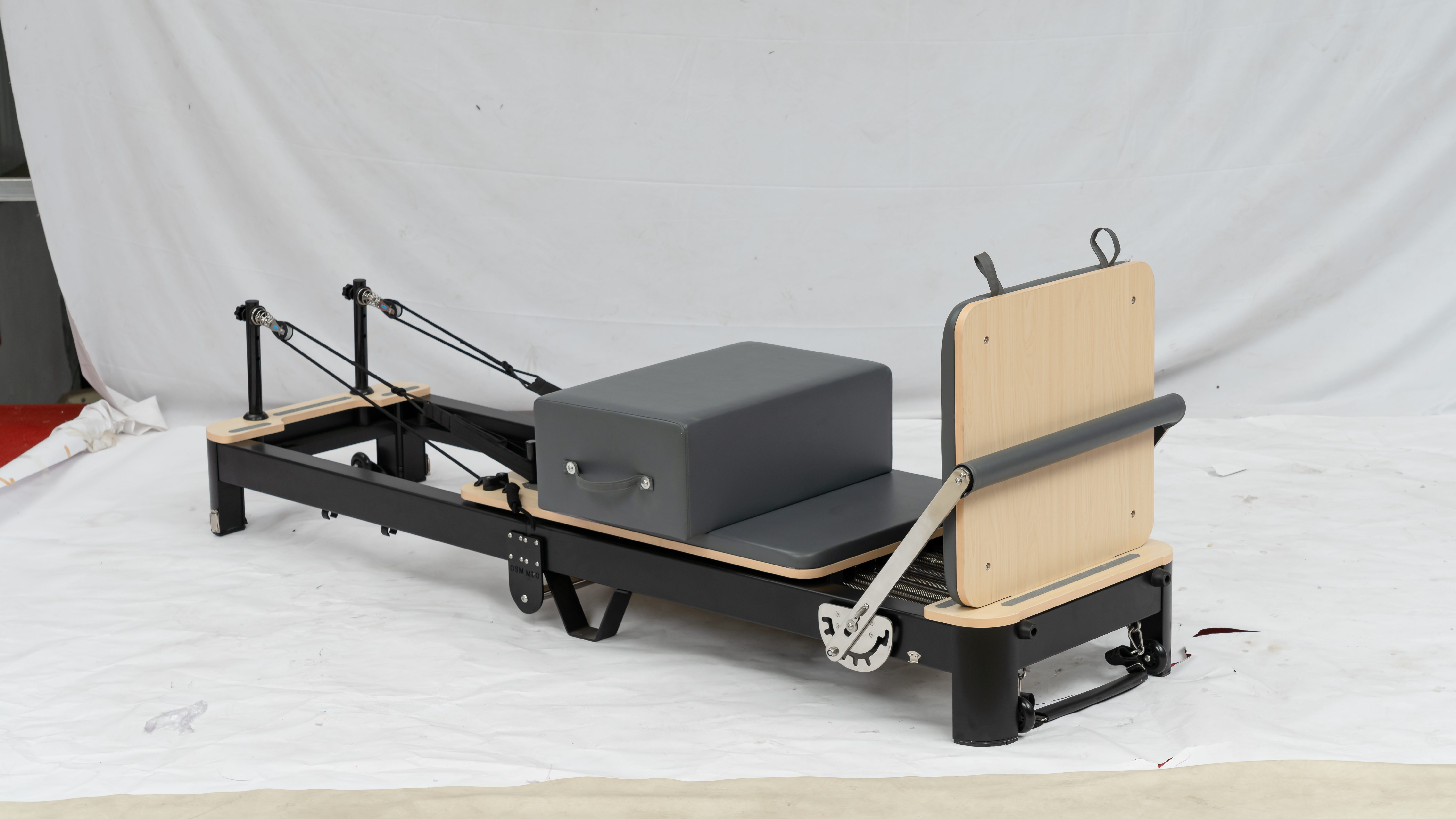
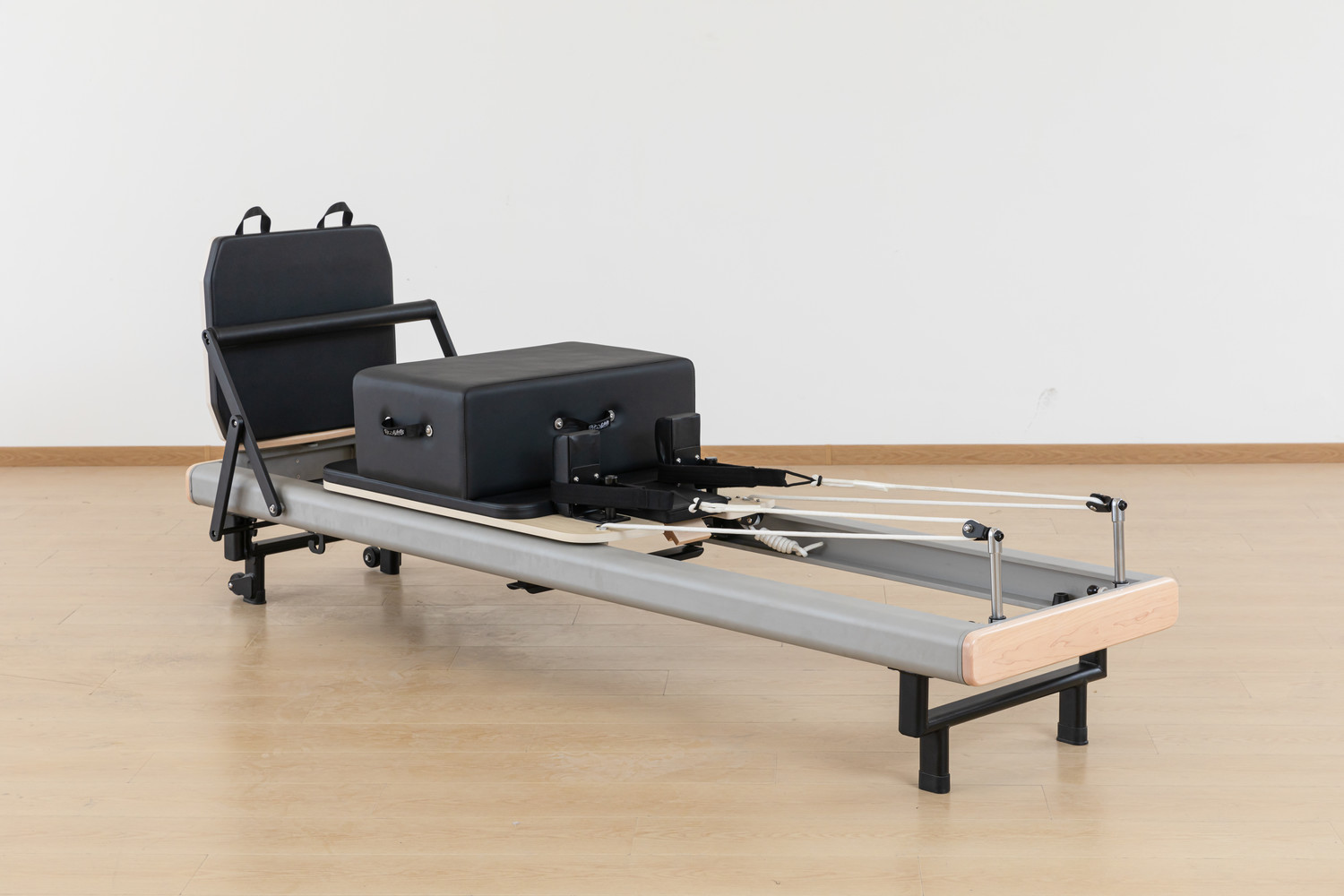
Many buyers ask about the frame material but forget to ask about the rails. Ironically, even high-quality wooden reformers typically use aluminum or metal rails, because wood expands and contracts with humidity and would compromise carriage precision over time. A buyer who assumes a wooden frame means wooden rails may misunderstand what they are purchasing. Similarly, buyers should ask whether the frame is solid hardwood or engineered wood, whether aluminum is aircraft-grade or thin extruded tubing, and how the joints are constructed. These details determine how the machine will feel and perform after years of use.
Overlooking the Spring System
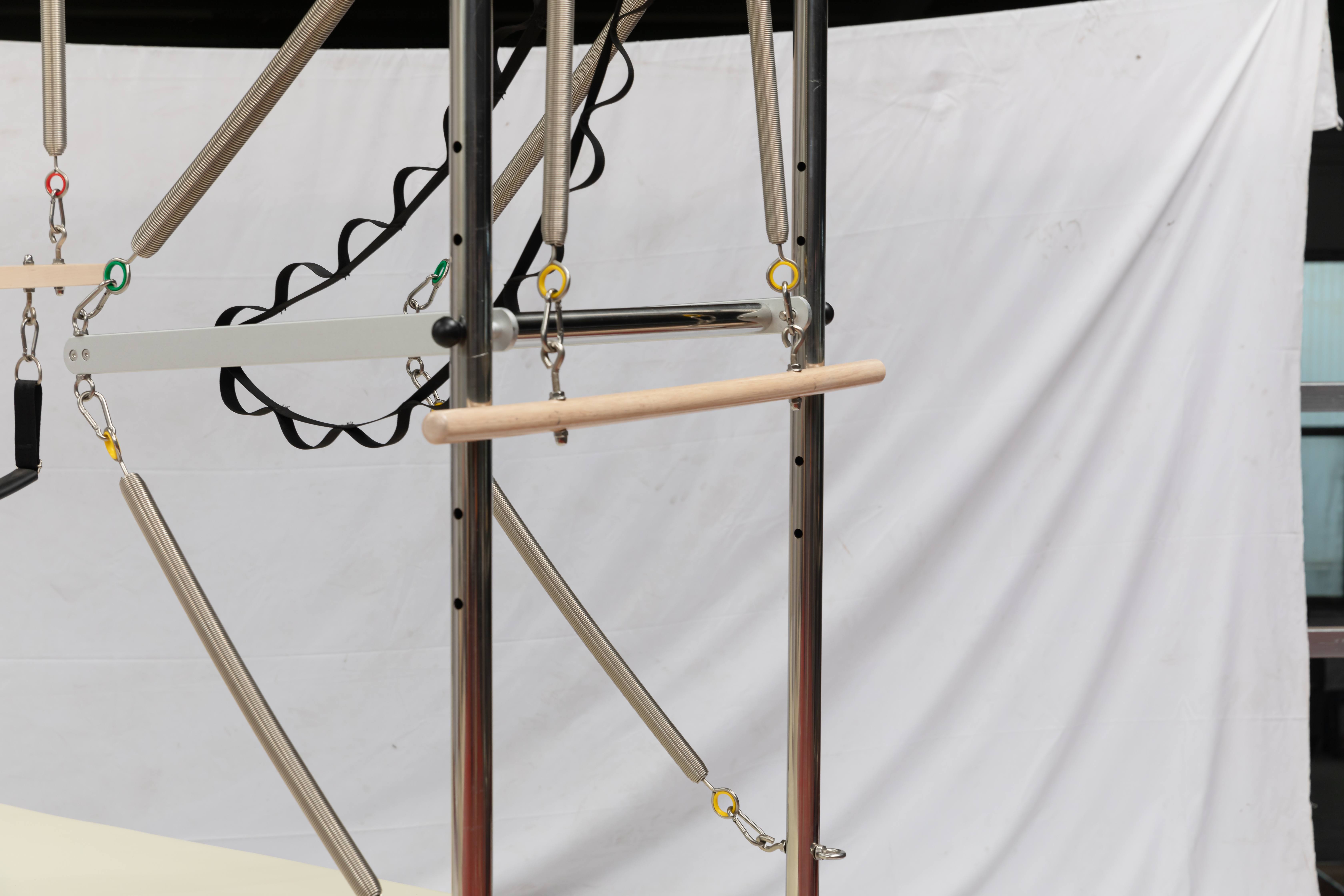
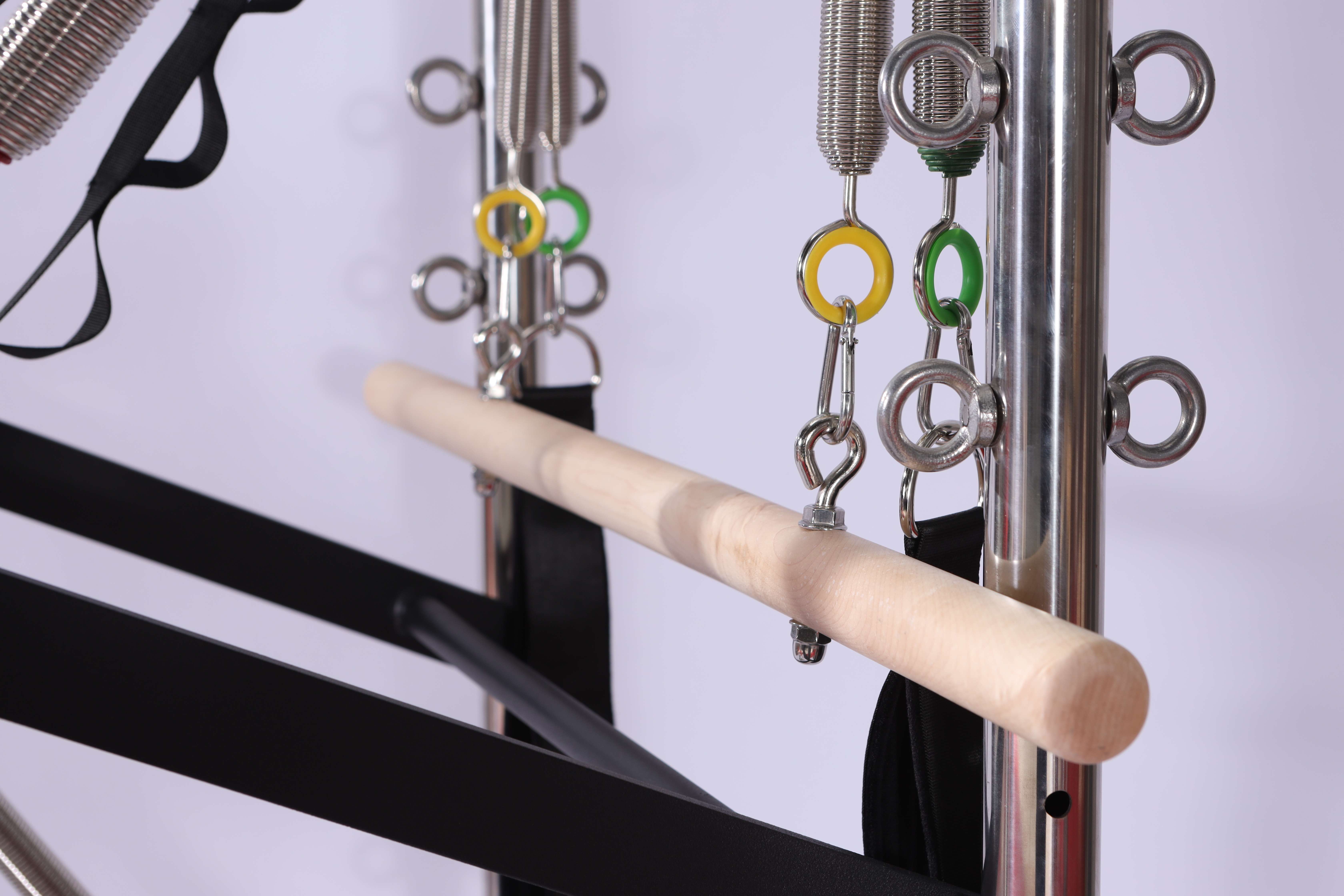
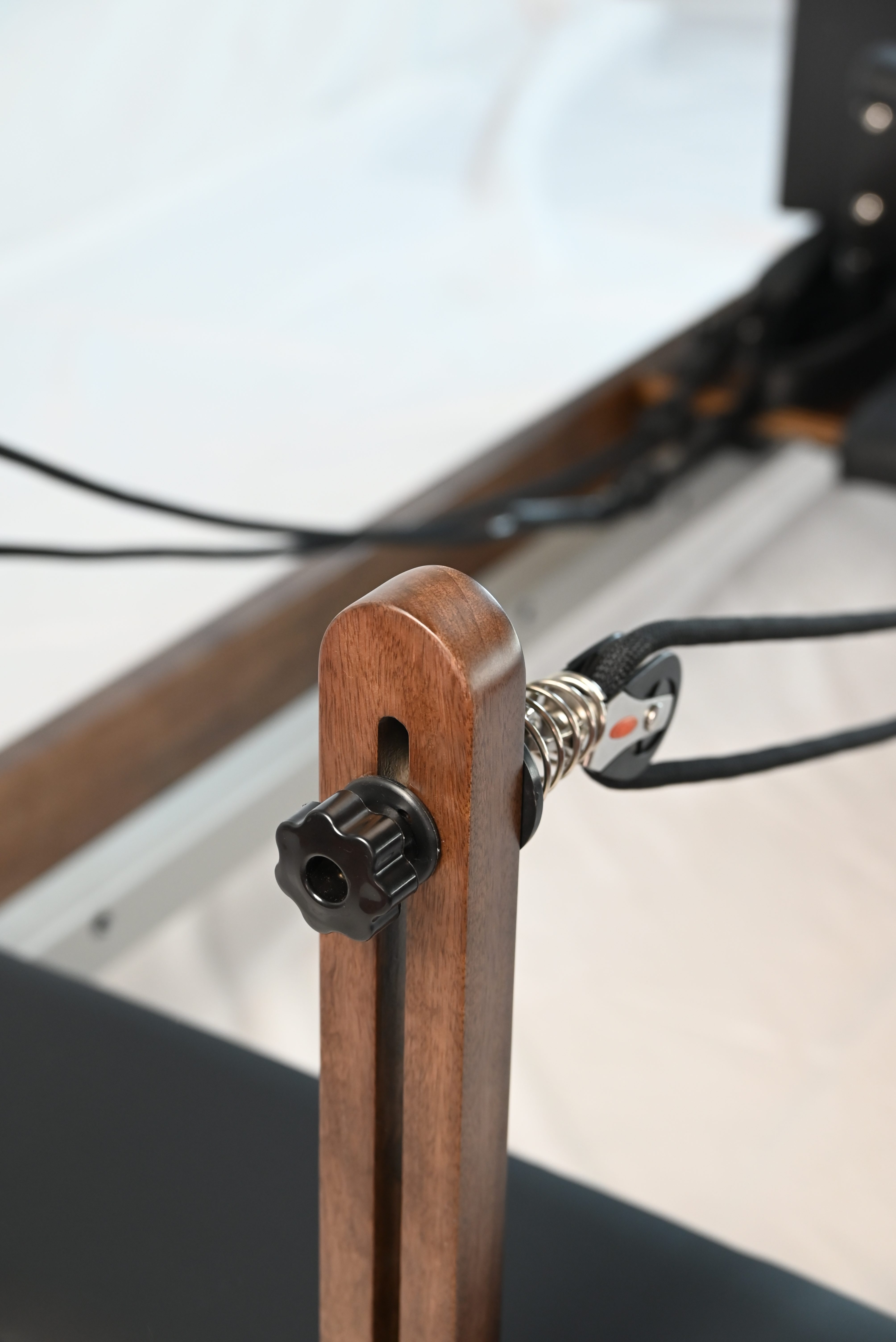
Springs are the heart of a Pilates reformer, yet many buyers treat them as an afterthought. Spring quality determines resistance consistency, smoothness of movement, and safety. Cheap springs lose tension quickly and may provide uneven resistance across the range of motion. Buyers should ask about spring gauge, material, attachment method, and whether replacement springs are readily available. A machine with excellent springs but a modest frame will outperform the reverse. It is also worth checking whether springs are sold individually or in sets, since balanced resistance matters for many exercises.
Underestimating Space and Access Requirements
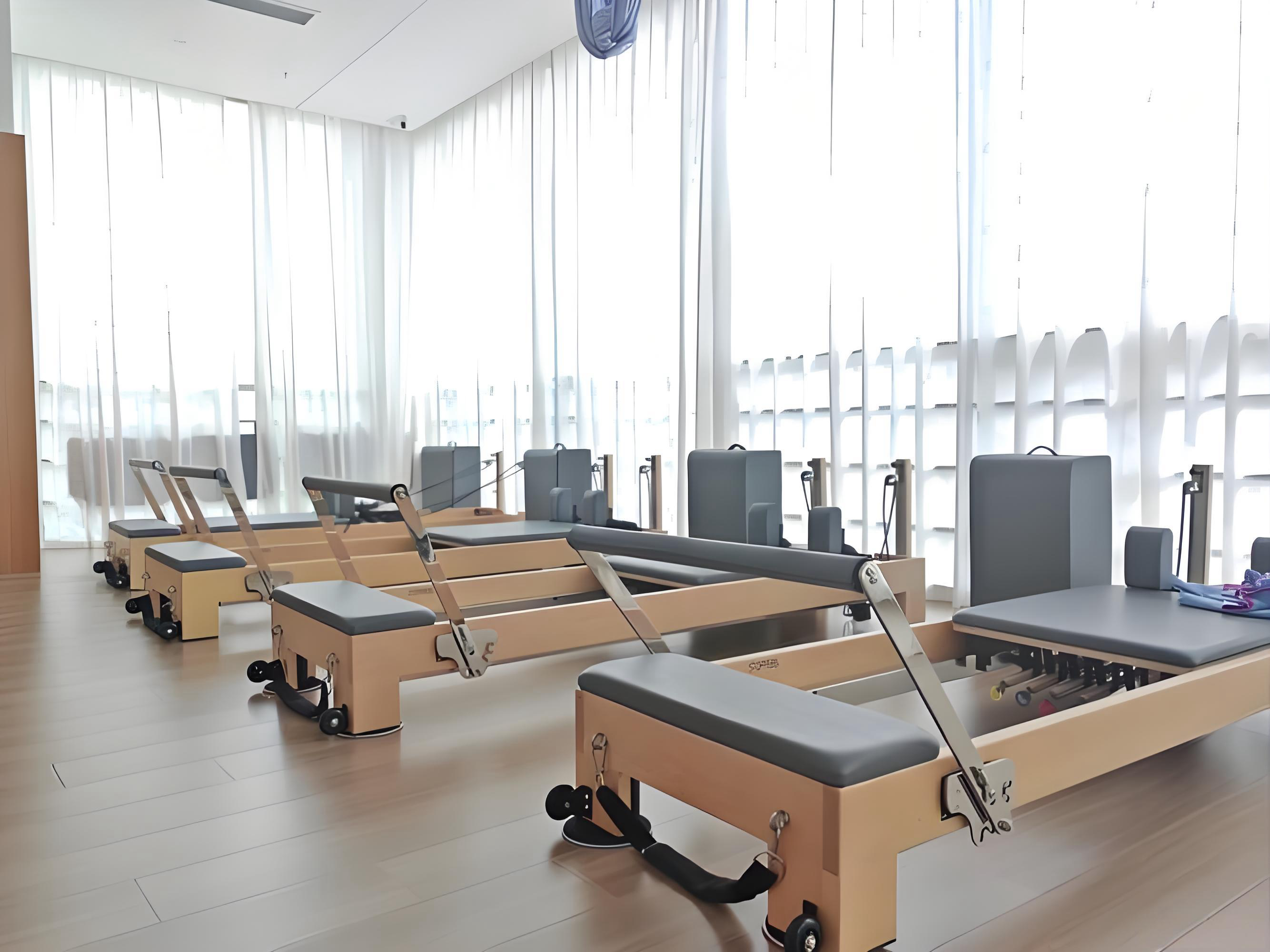
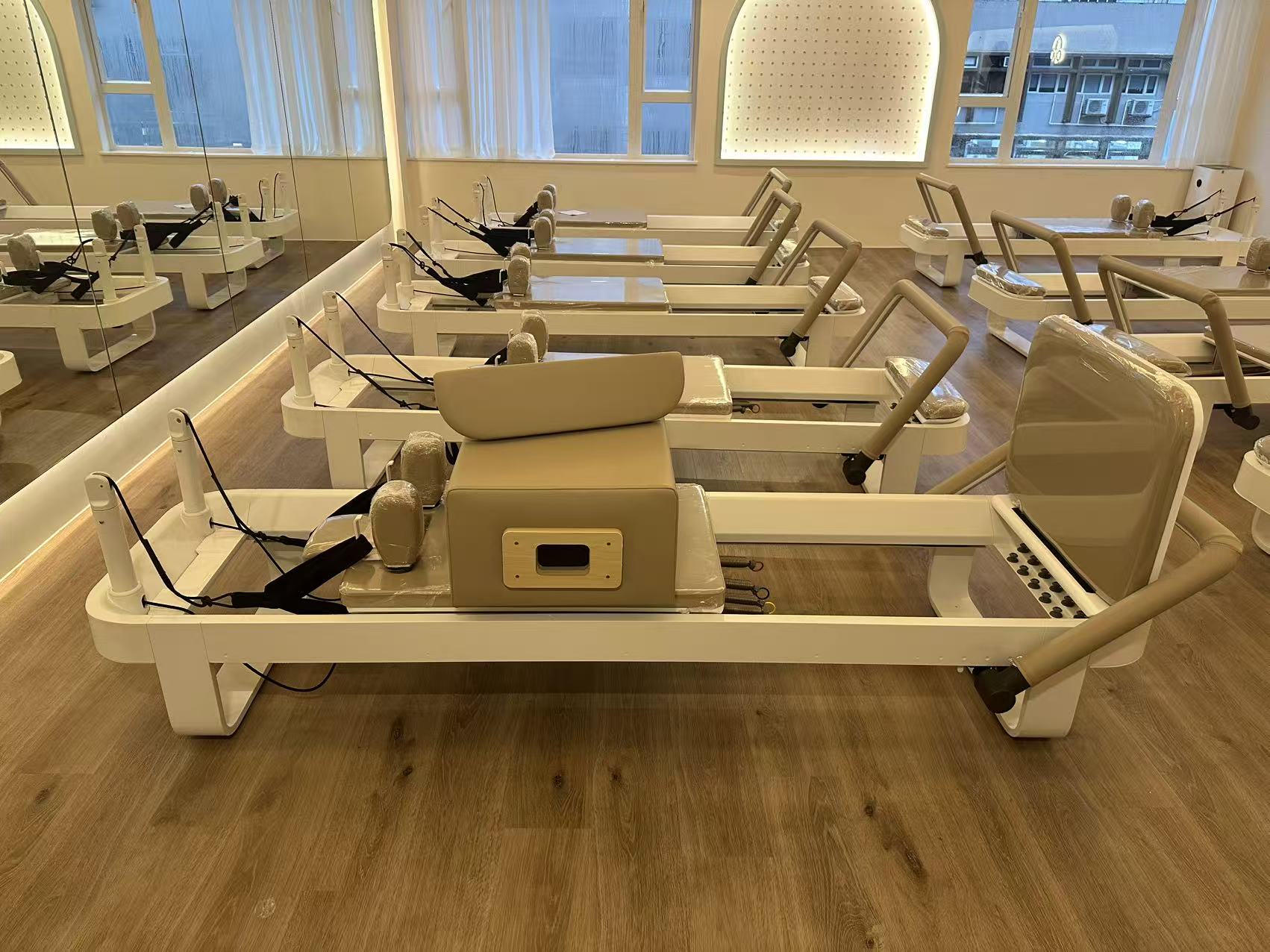
Buyers frequently underestimate how much room a reformer actually needs. A reformer requires clearance not just for the machine itself but for the carriage to travel, for the user to mount and dismount, and for surrounding movement. Ceiling height matters for exercises performed standing or with the tower. Doorways, stairways, and elevators may be too narrow for delivery. Home users in particular should measure their space carefully, including the path the machine will take to its final location. A machine that fits the room but cannot be delivered into it is a costly problem.
Skipping the Trial
Pilates equipment is highly tactile. The feel of the carriage glide, the responsiveness of the springs, the height of the shoulder rests, and the firmness of the upholstery all affect the training experience. Buyers who purchase based only on photos and specifications often find that the machine does not suit their body or training style. Whenever possible, test the equipment in person or arrange a trial session. If that is impossible, choose brands with clear return policies and strong customer reviews that describe the feel of the machine, not just its appearance.
Neglecting After-Sales Support and Parts Availability
A Pilates machine is a long-term asset that will need service. Buyers often fail to check whether the manufacturer provides replacement springs, straps, wheels, and upholstery, and whether technical support is available in their region. Equipment from brands with no local parts supply can become unusable after a single worn component. Before purchasing, confirm warranty terms, parts availability, and response times for service requests. This is especially important for commercial studios where downtime directly costs money.
Buying for Today Instead of Tomorrow
Many buyers purchase equipment that suits their current needs and budget, only to outgrow it quickly. A home user who begins with a basic reformer may soon want a tower, a jump board, or additional spring attachment points. A studio that buys light-duty machines may find they cannot handle class volume. Consider where your practice or business will be in three to five years. Buying slightly above your current needs often costs less than upgrading later, and it protects resale value.
Ignoring Warranty and Return Policies
Warranty terms vary widely. Some manufacturers cover the frame for a decade but the springs for only a few months. Others exclude commercial use entirely, which matters greatly for studios. Return policies may require original packaging and shipping at the buyer's expense. Buyers should read these terms carefully before purchase, not after a problem arises. A generous warranty is often a signal of manufacturer confidence in build quality.
Forgetting About Delivery and Assembly
Delivery logistics are frequently overlooked. Commercial machines can be heavy and bulky, requiring freight delivery, loading dock access, or professional installation. Some manufacturers include assembly; others do not. Home users may need to arrange help to move a heavy machine into place. Buyers should confirm delivery terms, assembly requirements, and whether old equipment removal is included. These details add to the real cost and should be part of the budget from the start.
Conclusion
Purchasing Pilates equipment is not simply a matter of picking a model and paying. The buyers who are happiest with their purchases are those who look beyond the price tag, ask detailed questions about materials and components, measure their space, test the equipment when possible, and confirm after-sales support. Avoiding these common mistakes turns a risky purchase into a confident investment that serves your practice or studio for years.