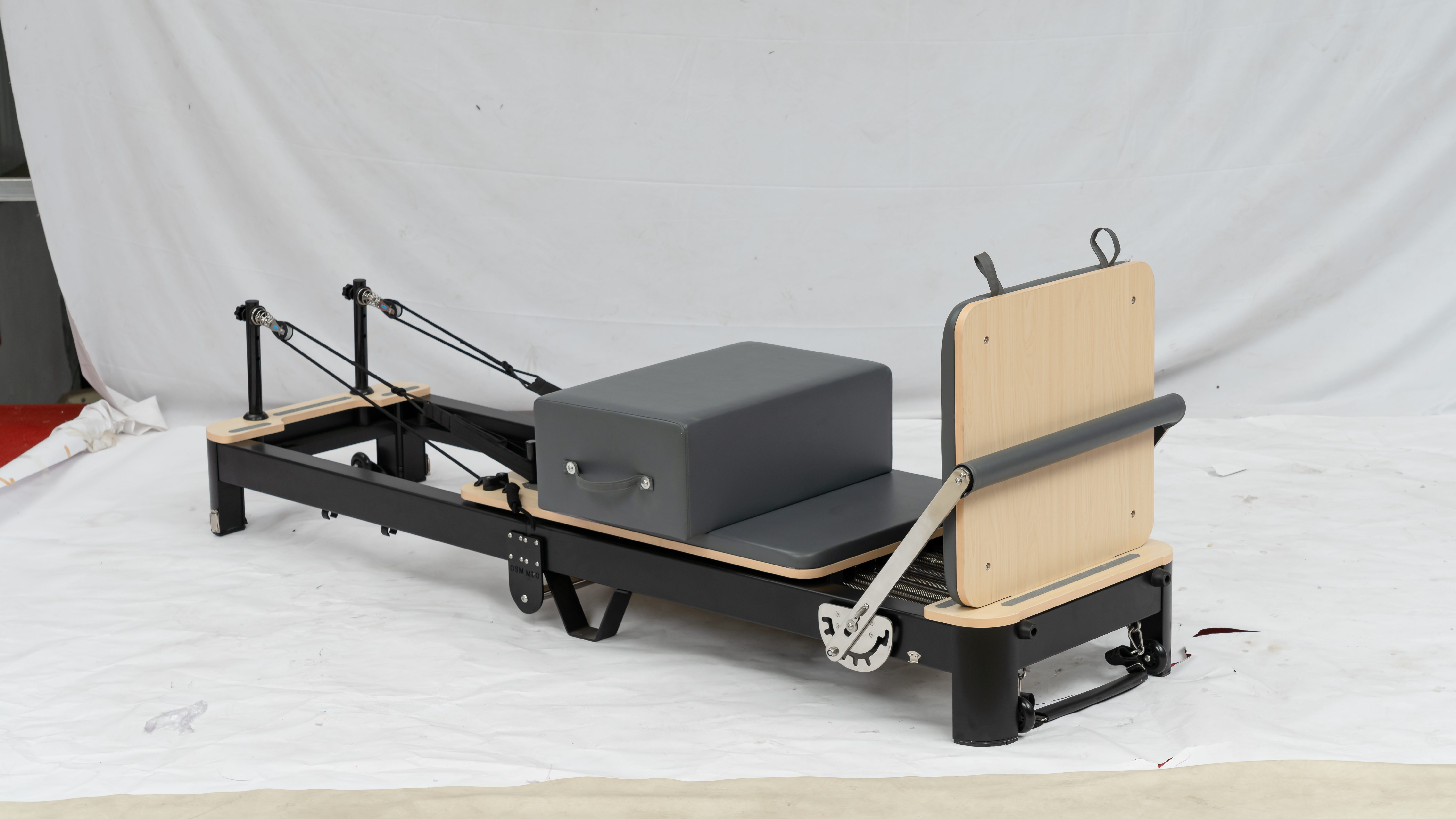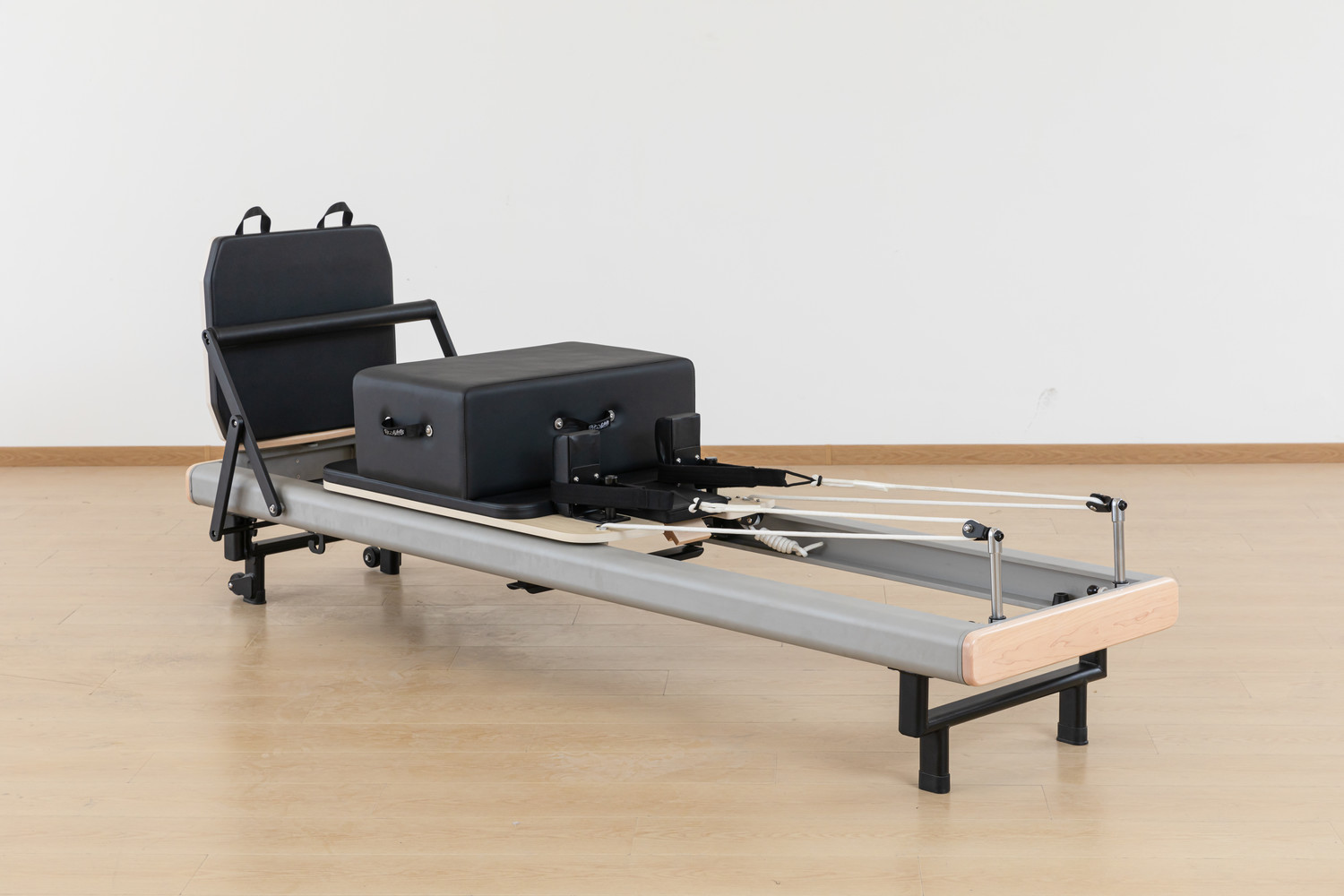
EN 957 Safety Standard Checklist for Pilates Tower and Wall System Imports Into Europe
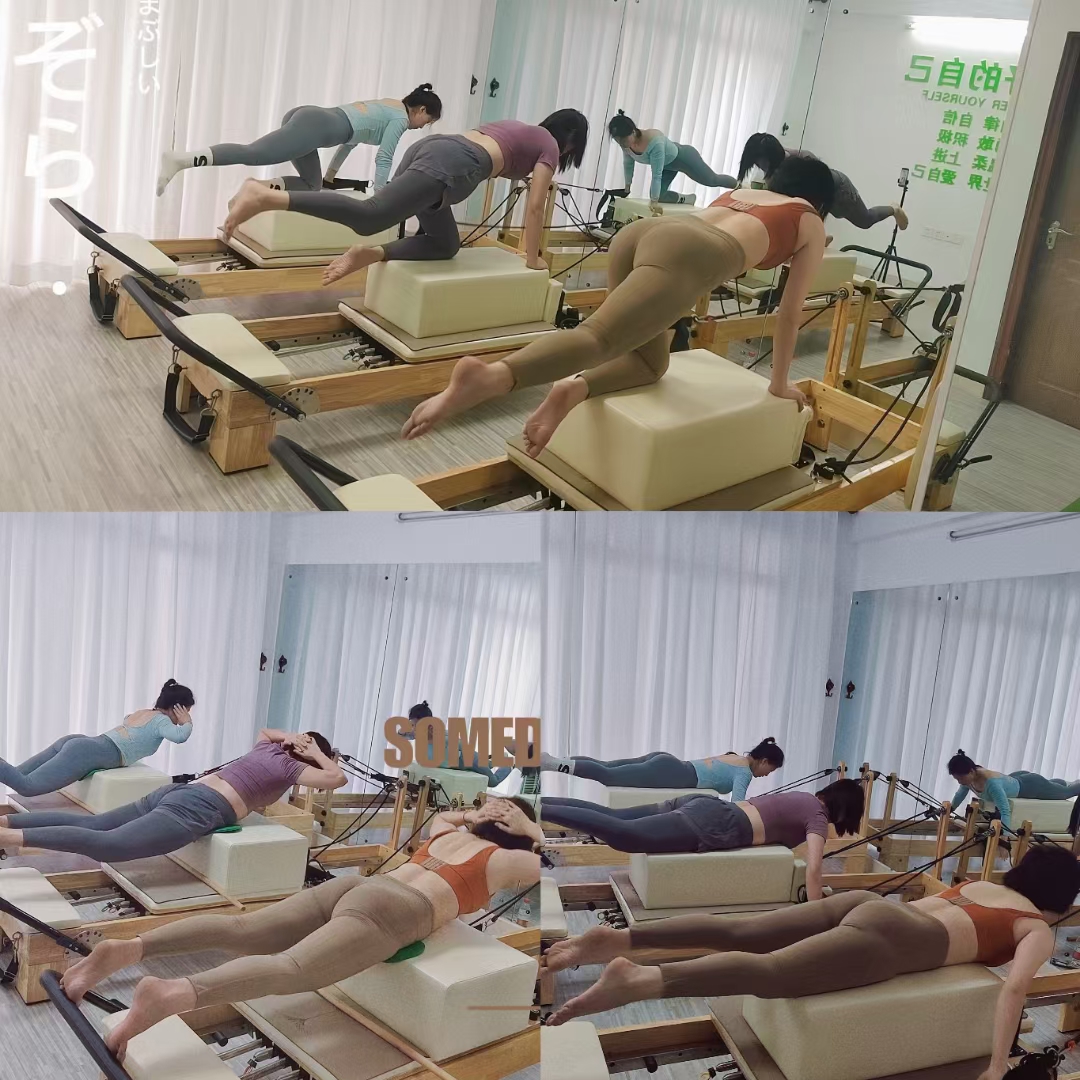
For distributors, studio fit-out contractors and Pilates equipment manufacturers shipping tower units, wall bars, spring wall systems and integrated Pilates wall rigs to the European market, compliance with EN 957 is not optional paperwork — it is the foundation of CE marking, customs clearance, product liability protection and insurance coverage. Unlike standalone reformers, Pilates towers and wall-mounted systems introduce unique hazards: fixed anchoring, suspended springs, overhead moving components, heavy frame loads and user fall risks. This practical checklist breaks down EN 957 requirements specifically for these product families, so importers can audit factory samples, verify test reports and avoid costly border holds or post-delivery studio accidents.
What Is EN 957 and Why It Matters for Pilates Wall & Tower Gear
EN 957 is the primary harmonised European standard for stationary training equipment. It defines mechanical strength, stability, risk assessment, labelling, user instructions and testing protocols for fitness apparatus. For wall towers and wall-mounted Pilates systems, two sections carry the highest weight: general safety clauses for all fitness equipment, plus additional controls for equipment with suspended loads, adjustable spring mechanisms and fixed building attachments.
Many first-time importers make the mistake of assuming a generic EN 957 certificate for a Pilates reformer automatically covers wall towers. It does not. Wall systems interact with building structures, so test reports must explicitly reference the exact tower model, anchoring configuration, spring assemblies and maximum user load. Without model-specific documentation, CE marking becomes invalid, and European authorities can refuse import or order product recalls.
Pre-Production & Documentation Checklist
Before mass production and shipment, gather and validate this package with your factory or test laboratory.
- Declaration of Conformity (DoC)
The DoC must name the exact Pilates tower or wall system model, list EN 957 as the harmonised standard, identify the manufacturer, authorised EU representative and signatory, and include CE marking information. It must be available for inspection by market surveillance bodies.
- Model-Specific Test Report
Confirm the report covers the same frame, spring set, hardware, upholstery and wall bracket design you are importing. Generic “family certificates” are frequently rejected during market surveillance.
- Technical Construction File (TCF)
The file should include mechanical drawings, bill of materials, risk assessment report, photos of prototypes, test records, label artwork and final user manual drafts.
- EU Authorised Representative
Non-EU manufacturers must appoint an authorised representative based inside the EU, whose contact details appear on documentation and product labelling.
- Risk Assessment Document
Focus on tower-specific risks: spring snap-back, bracket pull-out, fastener fatigue, pinching points between moving carriages, falling accessories and incorrect on-site installation by studio contractors.
Mechanical and Structural Compliance Checklist
This section covers the physical build quality audited under EN 957.
- Static and dynamic load testing: The tower frame, vertical posts, wall plates, mounting brackets and all welded joints must withstand the rated maximum user load plus required safety margin.
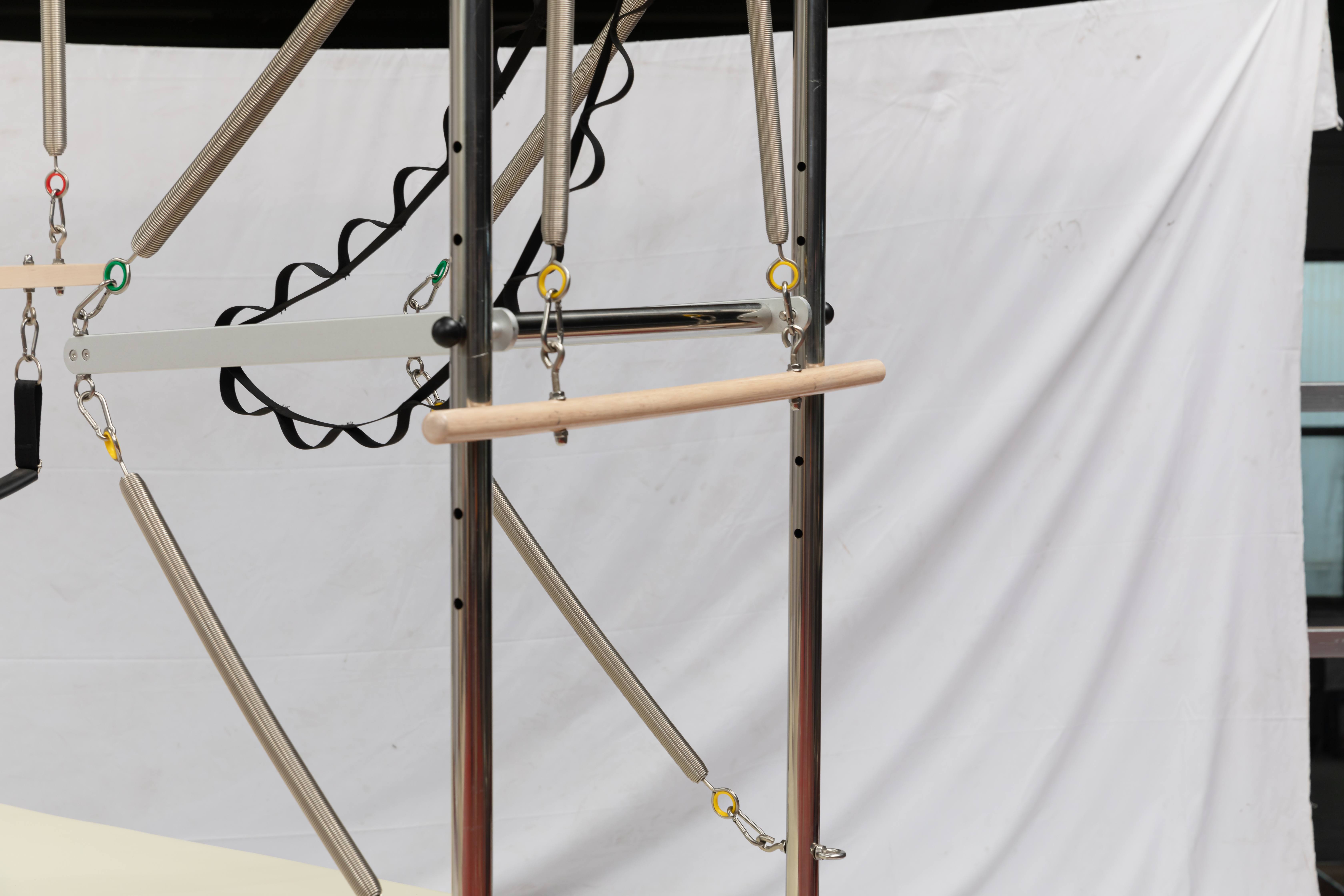
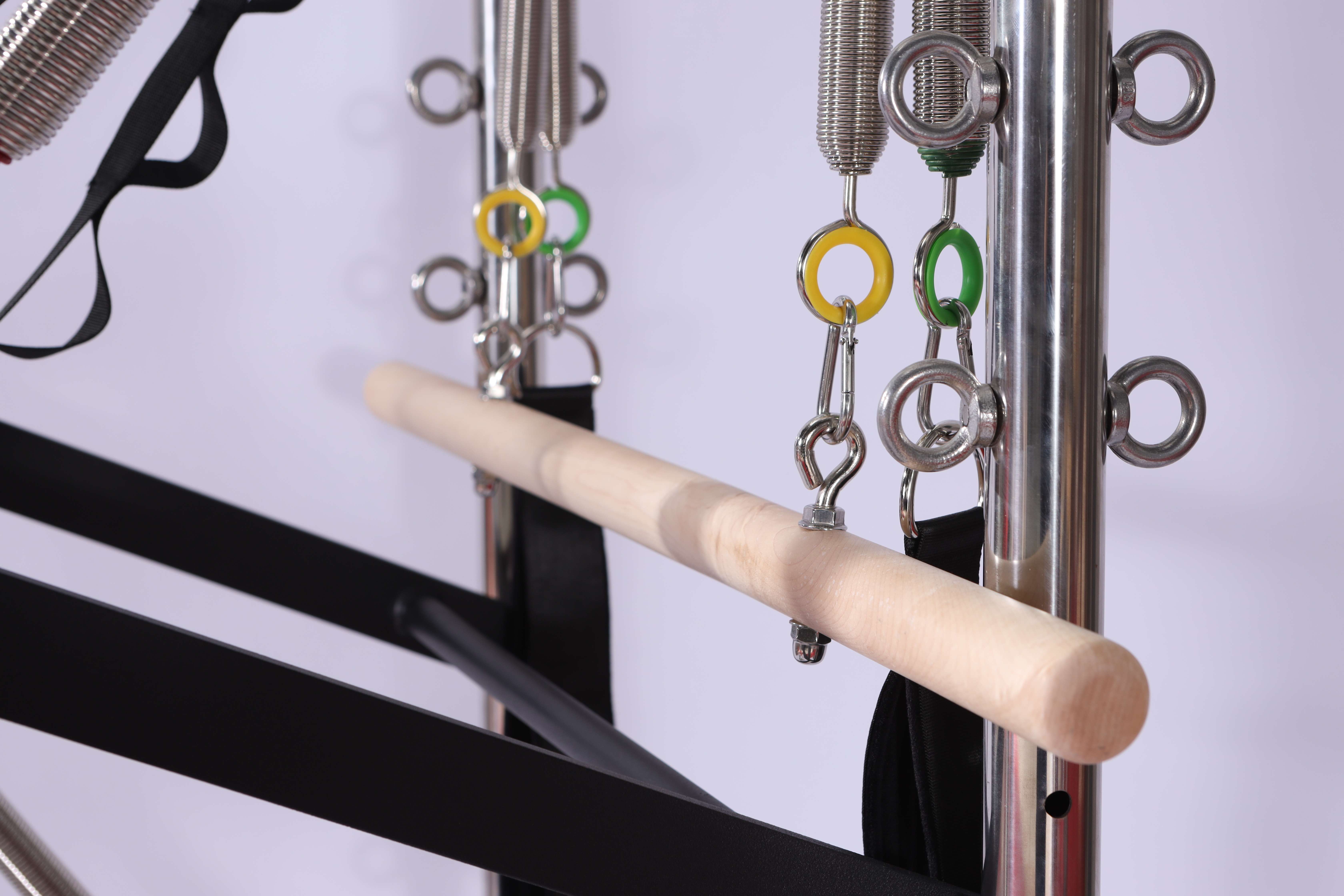
- Spring assemblies: Springs, end connectors, carabiners and attachment eyes must be fatigue tested. EN 957 requires protection against sudden release; springs must have retaining sleeves or safety cables to prevent projectiles if a spring fails.
- Stability and anchoring instructions: Freestanding towers must resist tipping under defined loading conditions. Wall-mounted systems cannot rely only on the equipment frame for stability; the standard requires clear guidance on substrate suitability: concrete, brick, stud wall, plasterboard and required anchor bolts.
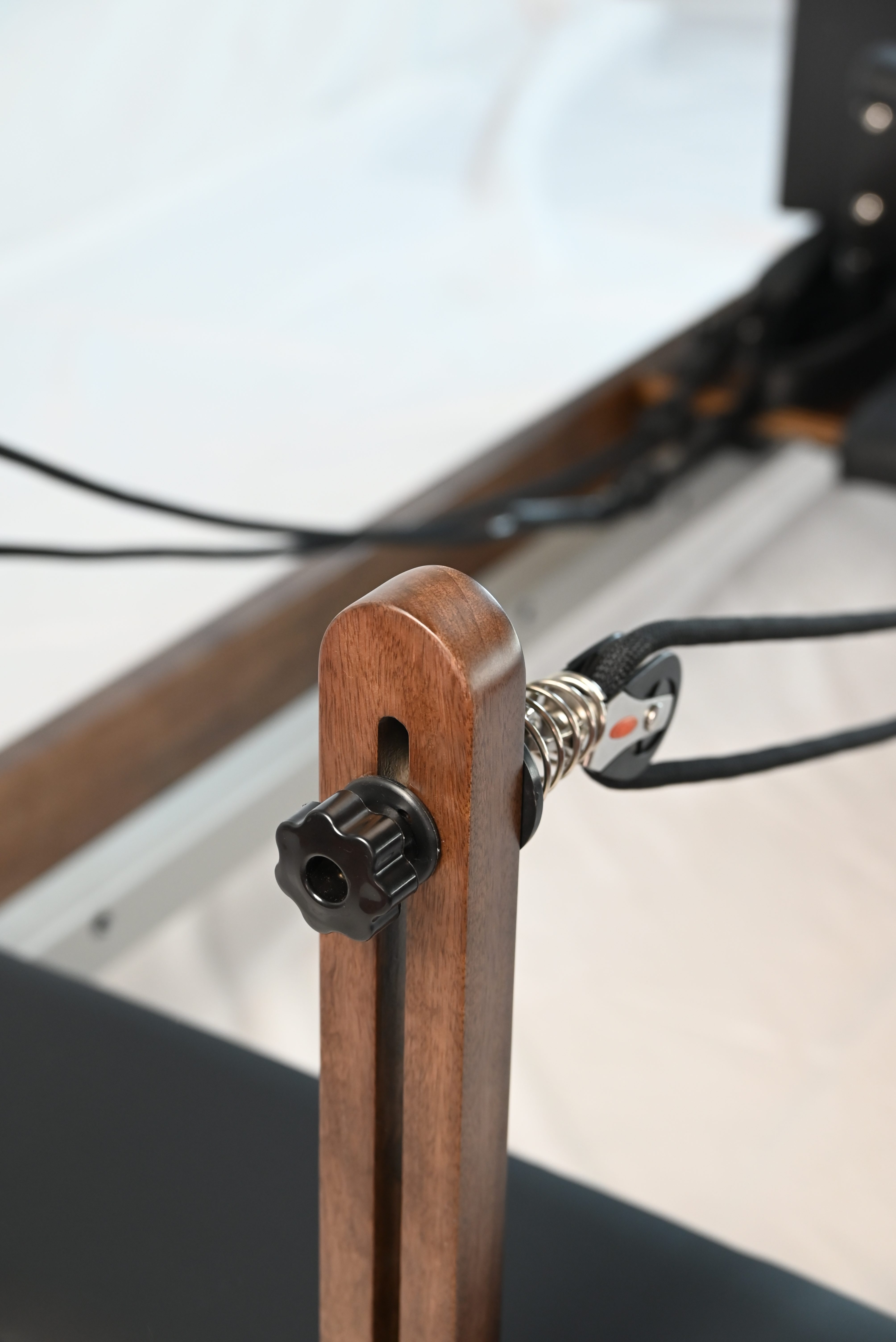
- Gap and pinch-point control: Eliminate or guard gaps where fingers, hair or clothing can become trapped between sliding parts, pulleys, adjustable brackets and moving bars.
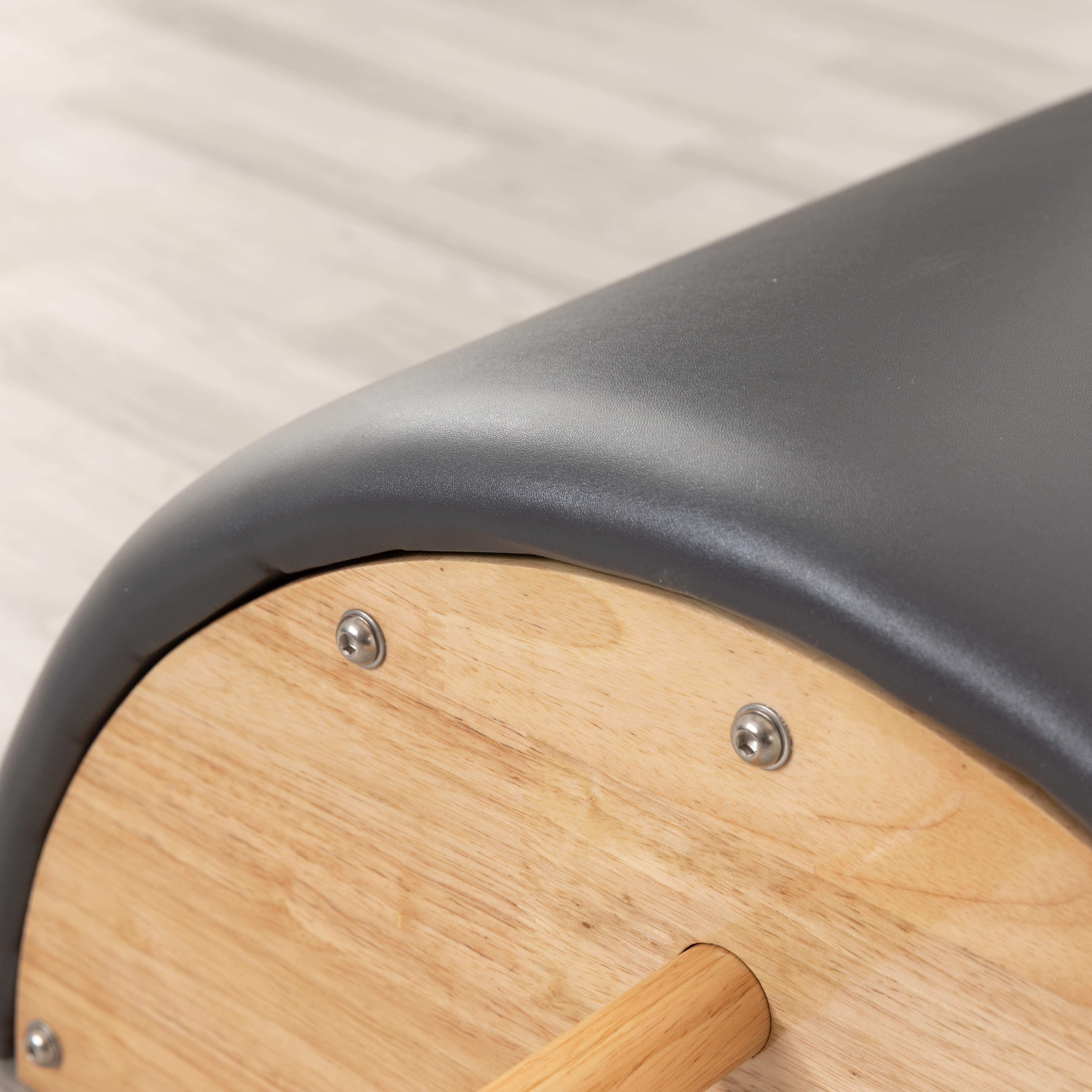
- Handles, bars and upholstered pads: Grips must not rotate unexpectedly; padding must be durable, securely bonded and free of sharp underlying edges. PU upholstery must resist tearing, abrasion and cleaning chemicals without exposing hard substrates.
- Fastener specification: All bolts, lock nuts and threaded inserts must have defined torque values. Loose fasteners on wall rigs are one of the most common failure modes in studio environments.
- Pulley systems: Pulleys must rotate smoothly, retain cables, and prevent cable derailment. Cables must meet minimum breaking strength and show clear replacement guidance.
Labelling, Marking and User Manual Checklist
EN 957 sets strict rules for permanent markings and documentation in the official languages of destination EU member states.
- Permanent, durable marking on the frame: manufacturer name or brand, model number, year of manufacture, maximum user weight, CE mark.
- Warning labels placed near high-risk zones: spring hazard, pinch points, anchoring warning, “for professional studio use only” if applicable.
User manual requirements:
- Step-by-step installation procedure
- Required wall substrate and anchor specifications
- Torque settings for all fixings
- Inspection schedule and service intervals
- Spring, cable and hardware replacement criteria
- Cleaning and disinfection guidance for upholstery
- Limitations for rehabilitation use, where relevant
- Contact information for spare parts and safety updates
On-Site Installation and Studio Fit-Out Caveats
A product can pass EN 957 testing at the factory yet become unsafe due to poor installation. This is a critical grey area for importers supplying studios.
- The standard distinguishes between equipment safety and building structure safety. The manufacturer is not responsible if a studio installs the tower on an inadequate wall substrate. This boundary must be clearly stated in manuals and sales contracts.
- Provide installers with a pre-installation checklist: wall load calculation, substrate testing, anchor selection and post-install torque check.
- Recommend periodic professional inspection, especially for high-traffic rehabilitation studios where towers are used multiple times per day.
Common Non-Compliance Issues That Delay European Imports
Importers repeatedly encounter the same failures during audits and inspections:
- Using a reformer’s EN 957 report for wall towers
- Missing safety retention on springs
- Insufficient wall bracket load testing
- Vague anchoring instructions without substrate limitations
- Labels that peel off or become illegible after routine cleaning
- Manuals only written in Chinese or English without local EU language versions
- No defined maximum user weight printed on the unit
- Missing EU authorised representative contact information
Final Audit Workflow for Every Shipment
Before containers leave your factory, run this quick verification workflow:
- Cross-check model numbers on sales order, test report and DoC.
- Inspect one finished unit from the batch for sharp edges, pinch points and spring safety sleeves.
- Confirm warning labels are correctly positioned and permanent.
- Review the user manual for installation warnings and service schedules.
- Confirm the authorised representative information is correctly listed.
- Store copies of all documents digitally so you can forward them to your European distributor or studio buyer on request.
Closing
EN 957 compliance for Pilates towers and wall systems is more than a box to tick for customs. It protects your brand, limits liability when studios host high-intensity classes or rehabilitation sessions, and builds trust with professional European buyers. For importers, the safest strategy is to separate wall and tower certification from reformer certification, work with notified bodies or accredited labs familiar with Pilates-specific rigging, and embed the EN 957 checklist into pre-shipment quality control. When your documentation, mechanical build, labelling and installation guidance align with the standard, you reduce border risk and position your equipment as a reliable, safety-first choice for European Pilates fit-outs.