How to Compare Factory Quotations Fairly When Sourcing Commercial Pilates Ladder Barrels
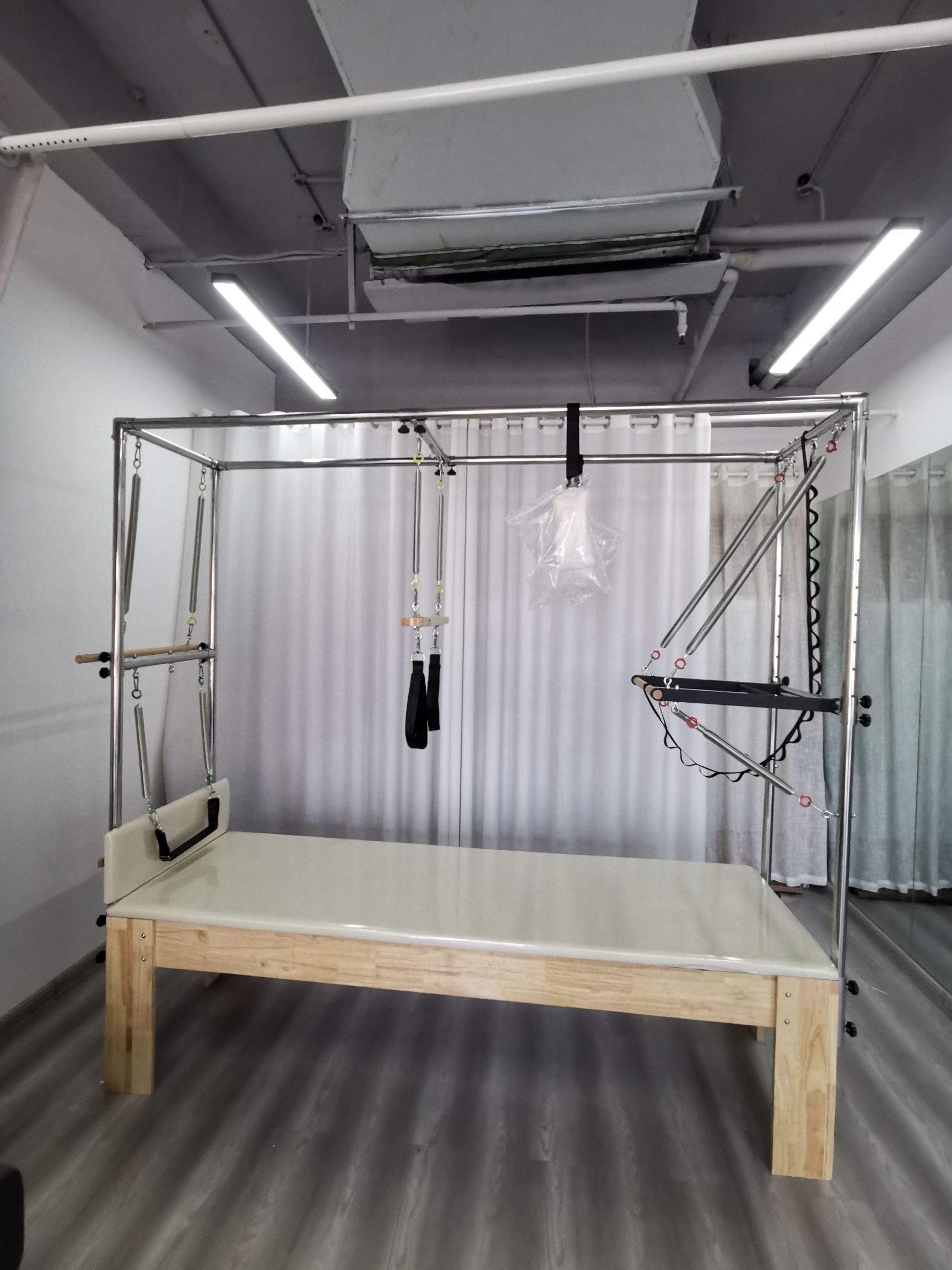
For Pilates distributors, studio fit-out contractors and bulk buyers, ladder barrels sit in a unique product category: they appear simple at first glance, yet material selection, frame geometry, padding density and finishing standards create massive gaps in durability, safety and long-term cost. Many buyers make the costly mistake of selecting the lowest quoted price without a side-by-side, apples-to-apples comparison. Two factory quotations for a commercial Pilates ladder barrel can look nearly identical on the surface, while delivering vastly different products, warranty terms and hidden expenses. This guide walks you through a structured framework to evaluate supplier proposals fairly, avoid unpleasant surprises, and choose a quotation aligned with your studio-grade quality expectations.
Why Ladder Barrel Quotations Are Hard to Compare
Unlike standard reformers with widely recognised specifications, ladder barrels have no universal industry bill of materials. One manufacturer may quote a solid hardwood frame, high-density foam, anti-tear PU upholstery and reinforced ladder rungs, while another submits a cheaper price using lightweight plywood, low-rebound sponge and thin upholstery that will crack after a few months of heavy studio use.
Quotes also package services differently. Some factories include export packaging, pre-shipment inspection, CE documentation and spare replacement parts in the listed price. Others provide a bare unit only, leaving you to pay separately for fumigation, custom testing reports, wooden crating and after-sales support. Without standardising your comparison checklist, price alone becomes a misleading benchmark.
Step 1: Lock Down a Fixed Specification Sheet Before Comparison
Before sending your inquiry to multiple factories, finalise a fixed specification sheet and require every supplier to quote strictly against it. This eliminates the most common comparison error: vendors downgrading components to undercut competitors. Your spec sheet for commercial ladder barrels should cover these core areas.
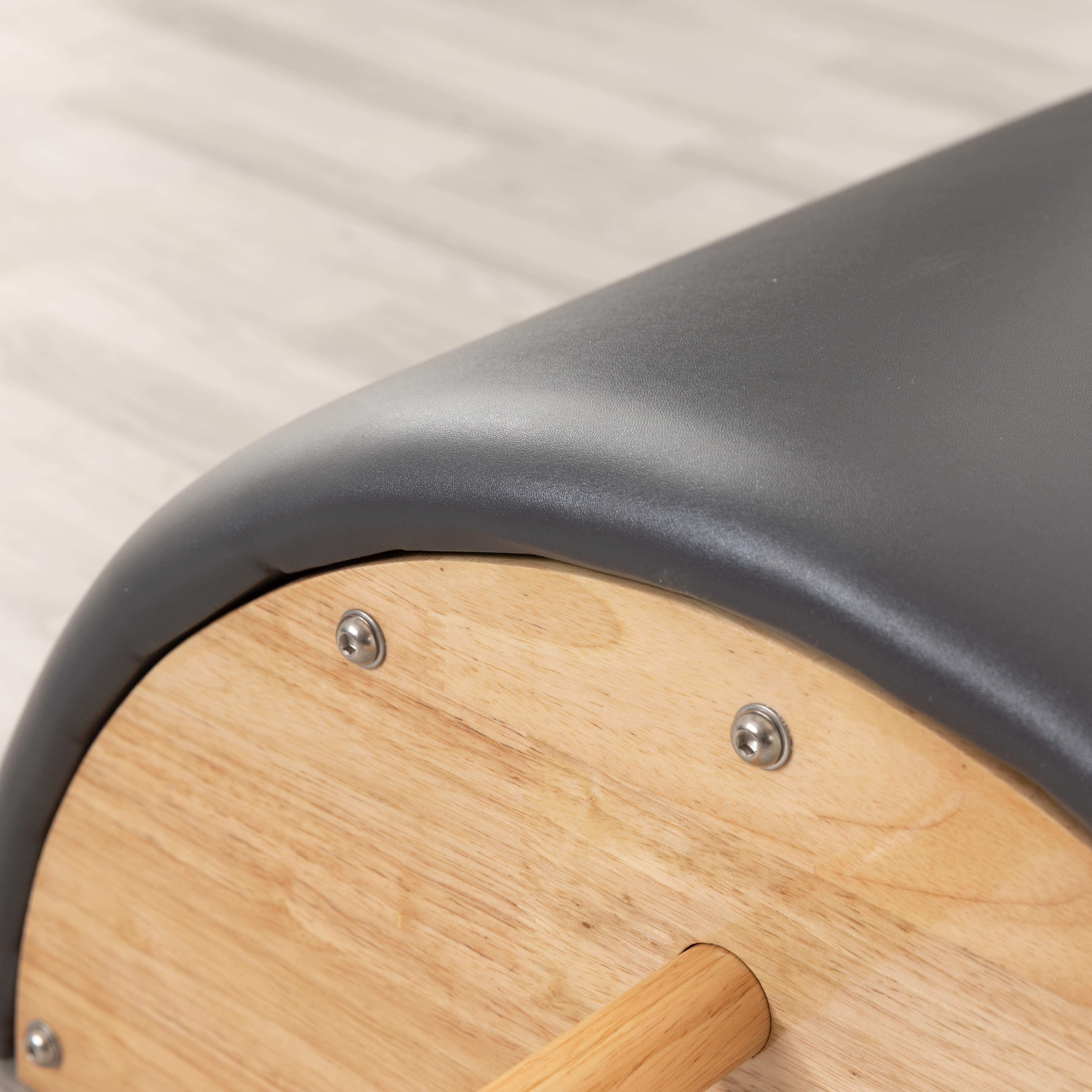
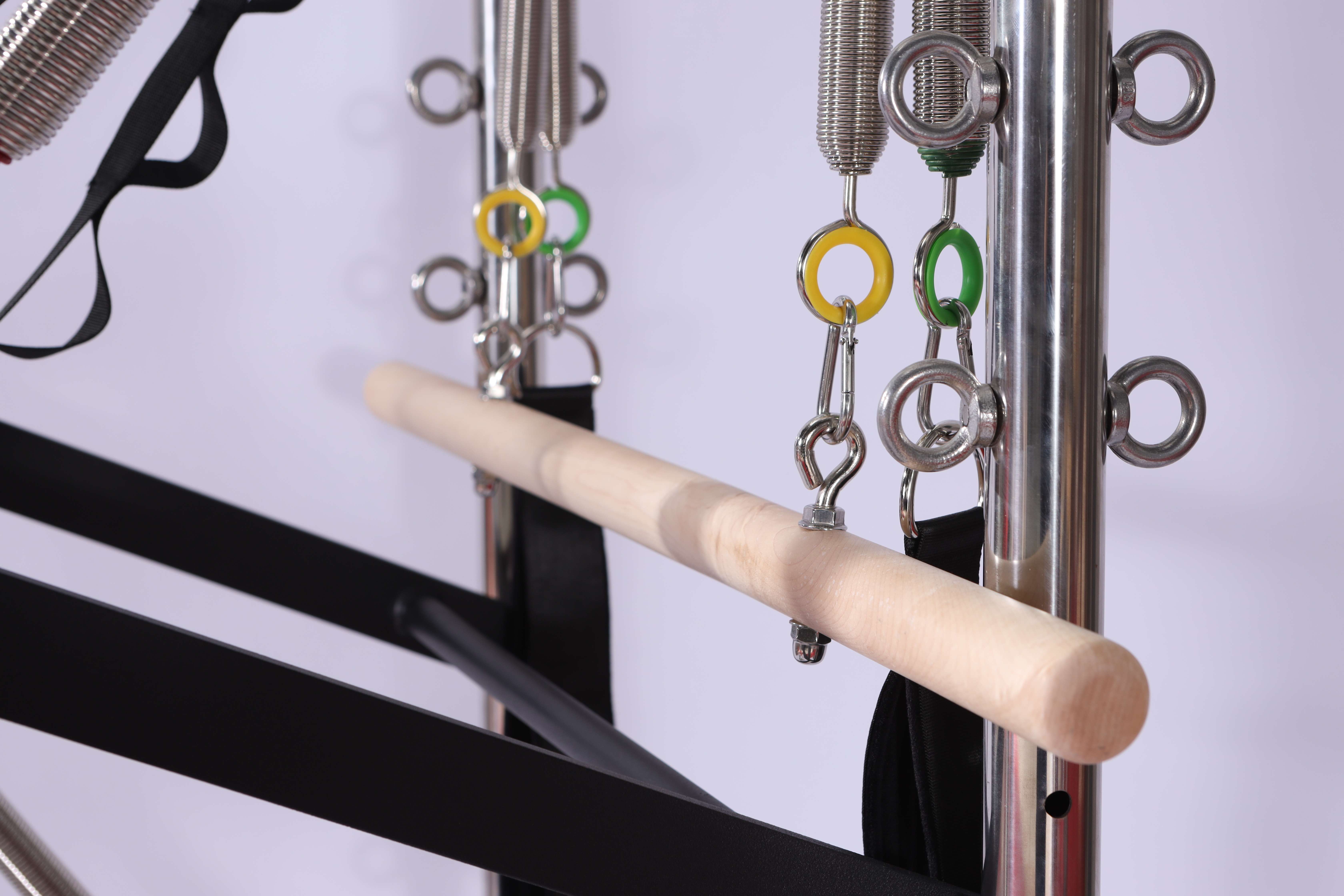
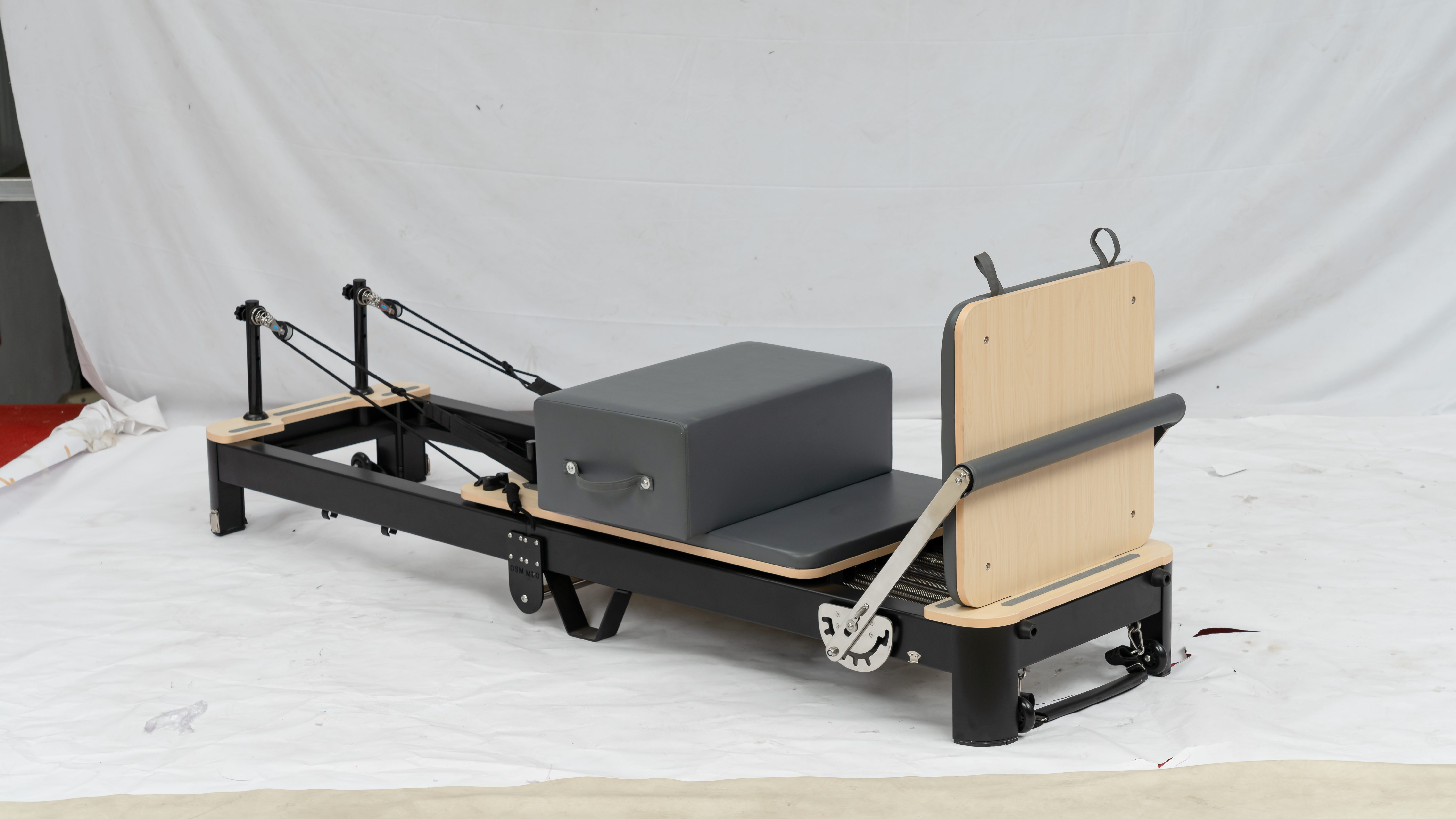
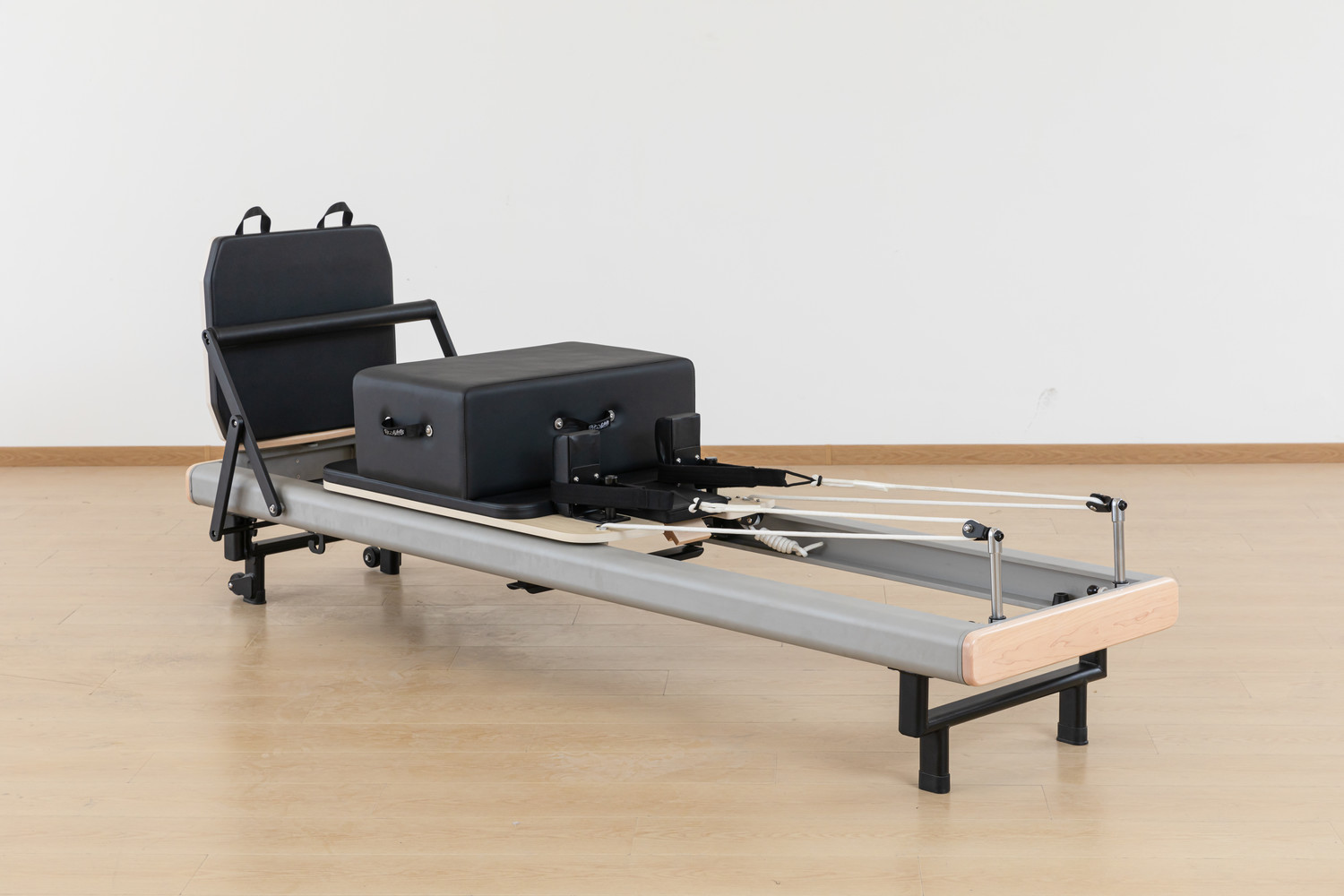
- Frame construction: Solid hardwood, plywood, laminated timber or aluminium; timber species; thickness of side rails and ladder supports; waterproof treatment and clear coat finish.
- Barrel curve and structural reinforcement: Whether the curved shell is layered timber or moulded composite; internal bracing; weight rating and maximum user load.
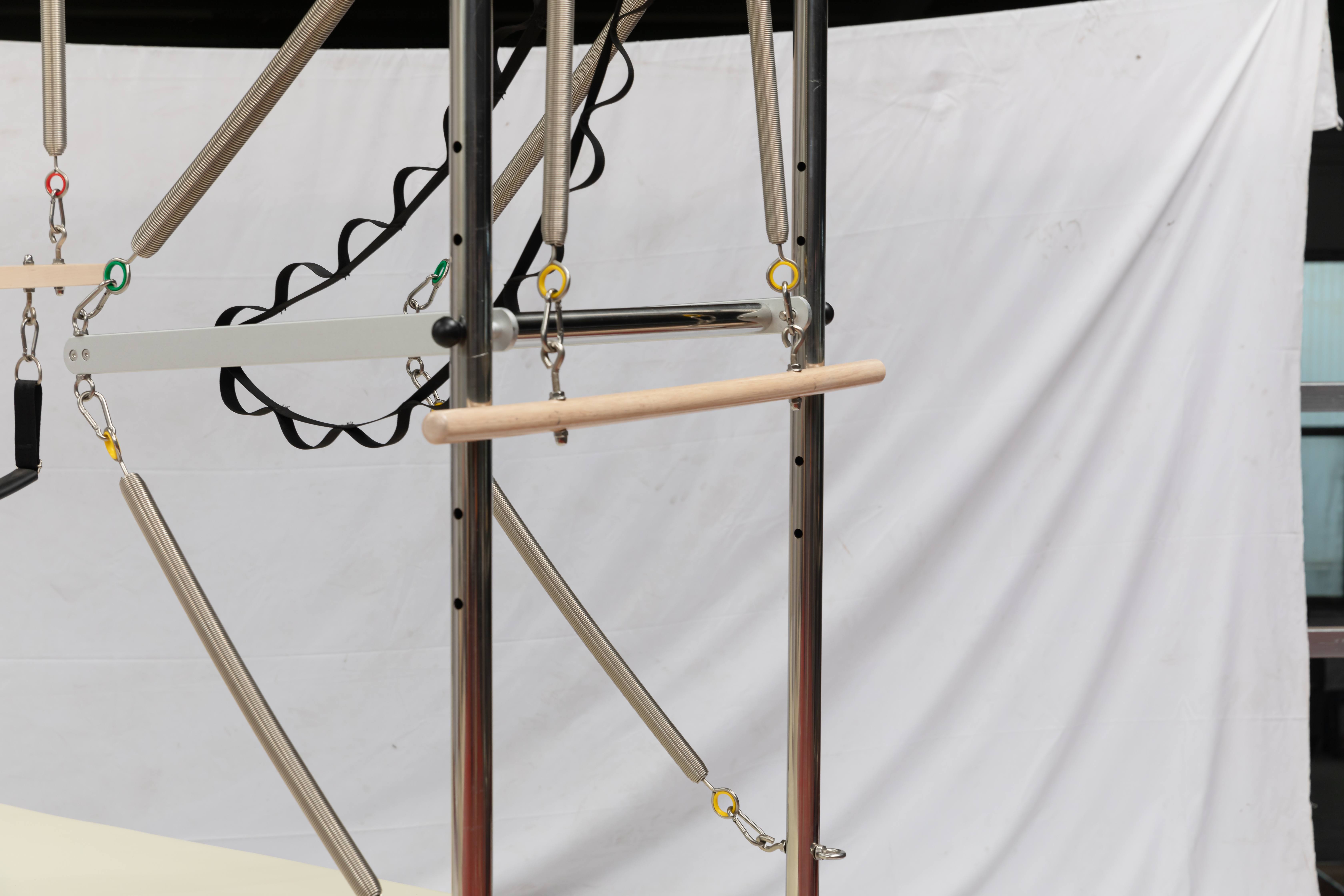
- Ladder rungs: Diameter, spacing, non-slip treatment, attachment method and load testing standards.
- Padding: Foam density, compression rating, whether it is high-resilience blue foam or ordinary soft sponge, padding thickness on the barrel and shoulder rest.
- Upholstery: PU grade, abrasion resistance rating, stain and disinfectant resistance, colour fastness, seam stitching standard.
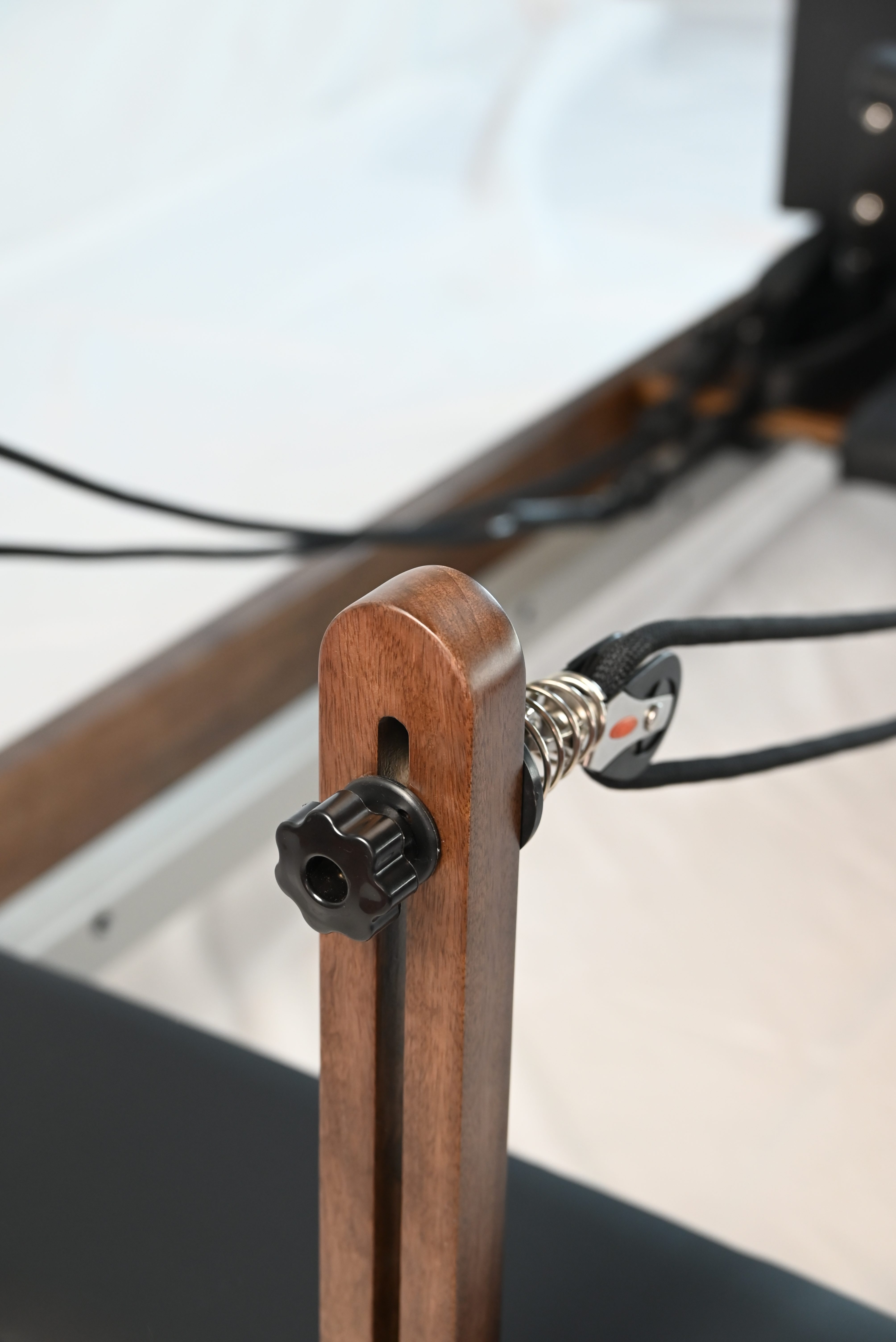
- Hardware: Stainless steel hinges, brackets, locking pins and fasteners; anti-rust treatment.
- Compliance: Whether the quotation includes EN 957 test records, Declaration of Conformity and product labelling for your target market.
- Packaging: Export carton, plywood crate, fumigation mark, inner protective foam and whether crating fees are included.
Send this exact document to every factory and ask them to mark clearly where they deviate. Any supplier that refuses to itemise components is a red flag for hidden downgrades.
Step 2: Break Down Each Quotation Line by Line
Once you receive responses, separate the quoted value into visible and invisible costs.
Unit product cost
Check whether the price covers the fully assembled unit or only loose components. Some factories quote knock-down versions to reduce the headline price, which then adds your own labour cost for assembly before delivery to studios. Confirm whether shoulder rests, safety straps and adjustable accessories are included or charged separately.
Packaging and freight-related fees
Confirm whether wooden export crates, fumigation, palletisation and shipping marks are included. Crating for bulky curved ladder barrels can add a noticeable per-unit cost, and non-fumigated timber packaging will be rejected by many European, Australian and North American customs authorities.
Certification and documentation
If you import into the EU or UK, ask if EN 957 test reports and the DoC are bundled into the quotation. Some manufacturers sell certificates separately, which can add hundreds of dollars to your order. For distributors serving rehabilitation clinics, verify whether test reports explicitly cover ladder barrel structures, not just general Pilates apparatus.
Lead time and minimum order
Record the quoted MOQ and production lead time. A cheaper quote with a 12-week lead time may hurt your business more than a slightly higher price that ships in four weeks when your studio clients have urgent fit-out schedules. Also clarify whether the quoted unit price changes if you mix ladder barrels with reformers, cadillacs or other Pilates equipment in one container.
Payment terms
Compare deposit percentage, balance timing and acceptable payment methods. A lower price paired with 100% prepayment carries higher risk than a moderately higher quotation with 30% deposit and balance against copy of bill of lading.
Step 3: Evaluate Quality and Safety Risks That Do Not Show on the Price Tag
Commercial ladder barrels face repeated twisting, leaning and weight-bearing movements, making structural integrity non-negotiable. When comparing quotations, cross-check these risk points for each supplier.
- Load and fatigue testing: Ask for sample test data showing frame, rungs and barrel shell performance under repeated dynamic loading. A budget barrel may pass a static load test but develop creaks, wobble or split laminations after daily studio classes.
- Pinch points and rounded edges: Cheap options often skip careful edge sanding, creating sharp corners that break upholstery and injure users.
- Foam compression over time: Low-density foam compresses permanently, creating uneven surfaces that force you into frequent reupholstery. This recurring replacement expense quickly erases any initial savings.
- Upholstery seam quality: Poor stitching splits along the curved barrel surface, one of the most common failure points on low-cost ladder barrels.
- Warranty coverage: Compare warranty scope carefully. A factory may offer a three-year frame warranty on a premium quote, while a cheaper option only provides a 12-month warranty excluding upholstery, foam and normal wear. Confirm whether the warranty covers studio commercial use, as many manufacturers restrict warranty coverage to residential equipment.
Step 4: Account for After-Sales and Replacement Costs
A fair comparison must calculate total cost of ownership, not just purchase price. Ladder barrel parts that commonly require replacement are upholstery, foam padding, non-slip rung covers and worn fasteners. Ask each supplier:
- The unit price for replacement upholstery kits and foam sets.
- Lead time for spare parts.
- Whether spare parts can ship together with your next container at reduced freight cost.
- The factory’s policy for manufacturing defects versus wear and tear.
If the cheaper supplier cannot supply replacement padding or upholstery, you will face costly local reupholstery jobs in your destination market, which often far outweigh the savings you captured at the factory order stage.
Step 5: Verify Sample Capability and Consistency
Request physical sample audits or detailed sample inspection reports before committing to bulk orders, especially when two quotations are close in price. Inspect whether the mass-produced unit matches the sample. Many Pilates equipment factories produce beautiful samples but cut material thickness once bulk production begins.
When you compare samples from different vendors, run a simple standardised checklist: push the barrel frame for lateral wobble, check rung grip and fixation, squeeze padding to judge density, pull gently on upholstery seams and inspect timber finishing for gaps or rough edges. A sample inspection also reveals how responsive the factory is to feedback, which predicts their communication performance once your bulk order is in production.
Common Quotation Tricks to Watch For
Suppliers use several standard tactics to make their pricing look more competitive. Watch for these patterns:
- Quoting residential-grade barrels as commercial studio models.
- Omitting export crating and then adding packing fees after order confirmation.
- Using “similar alternative” timber or foam without notifying the buyer.
- Providing a price valid only for a very high MOQ, while hiding the higher price for smaller distributor runs.
- Separating certification documents and safety reports into optional add-ons.
- Quoting FOB price but naming a distant port that increases your inland trucking cost.
A Practical Comparison Workflow
- Send identical specification requirements to all shortlisted factories.
- Build a shared comparison spreadsheet with fixed rows: unit price, included accessories, crating, fumigation, certification, lead time, MOQ, payment terms, warranty and spare part pricing.
- Review samples or third-party inspection reports.
- Calculate total landed cost, including freight, duties and expected future maintenance.
- Weigh risk: reliability of the supplier, communication speed and past references from other Pilates distributors.
- Select the quotation that delivers the best total value, not the lowest upfront number.
Closing Thoughts
Sourcing commercial Pilates ladder barrels is a balancing act between competitive pricing and long-term reliability. A fair quotation comparison removes guesswork and protects your brand reputation with studio owners, who rely on safe, stable equipment for their daily classes. When you standardise specifications, break down hidden fees, test samples and model the total ownership cost, you avoid the trap of buying cheap only to absorb expensive repairs, customer complaints and premature replacements. The best quotation is not always the lowest one — it is the proposal that consistently delivers the commercial-grade ladder barrel your clients expect, with transparent terms and dependable after-sales support.