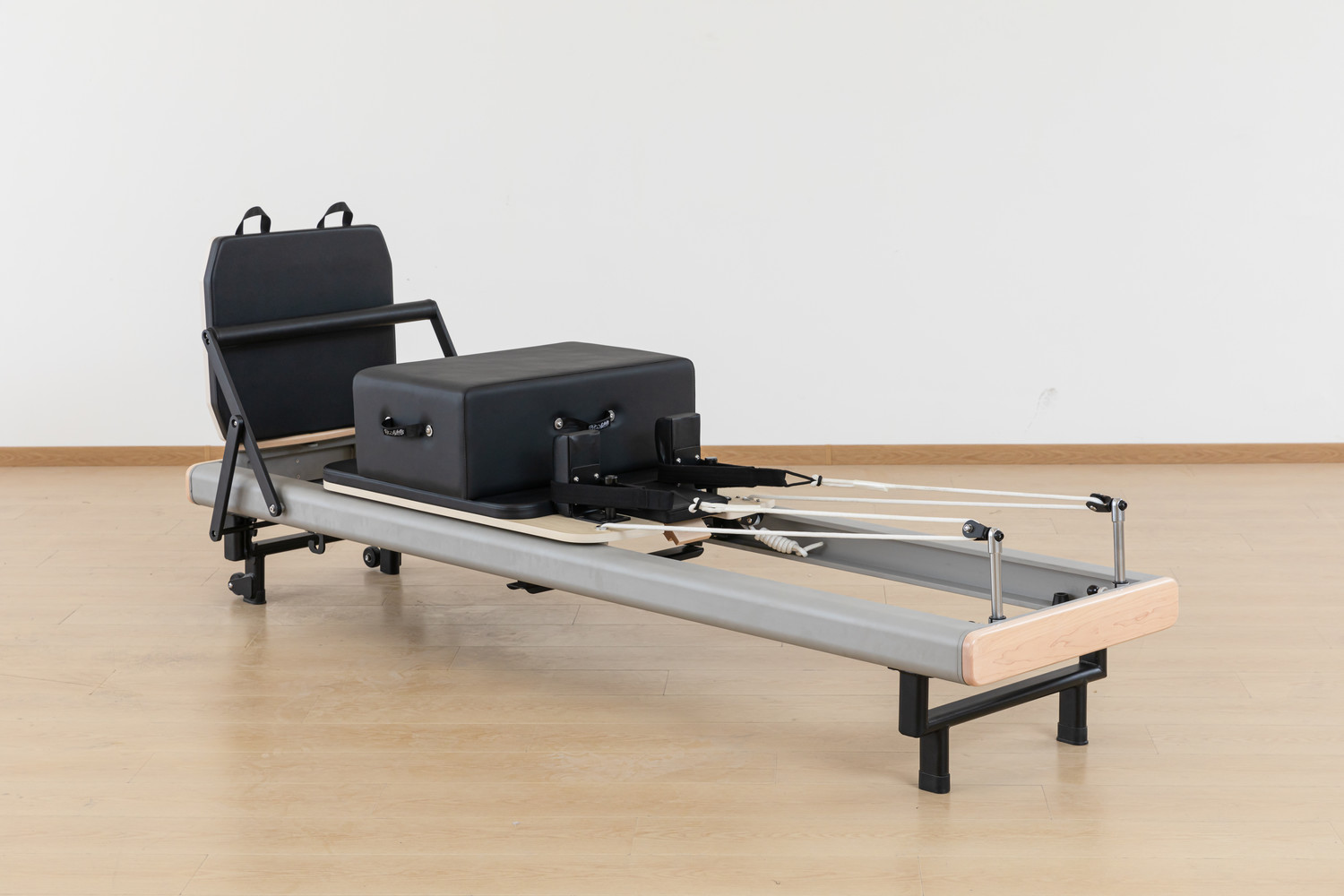
Rental Model Guide: Offering Pilates Equipment Leasing Packages to Startup Cash-Strapped Studios
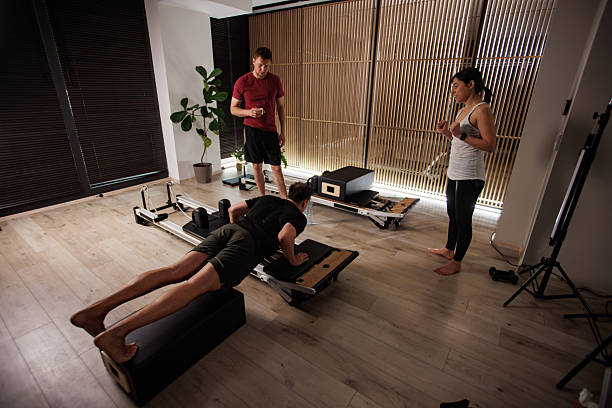
For newly launched Pilates studios, the biggest barrier to opening is rarely instructor talent or class marketing — it is the upfront capital required for commercial-grade reformers, cadillacs, ladder barrels, wall towers and accessories. Many promising founders operate on tight budgets, reluctant to sink tens of thousands of dollars into fixed assets before they build a steady client base. This creates a major market opportunity for Pilates equipment distributors and manufacturers: structured equipment leasing packages designed specifically for cash-strapped startup studios.
Instead of only selling equipment outright, you can position leasing as a low-risk on-ramp. It lowers the barrier to entry, locks in recurring revenue, builds long-term brand loyalty, and creates future upsell opportunities as the studio expands. This guide breaks down practical leasing models, package structures, contract guardrails, pricing formulas, risk controls and sales messaging tailored to early-stage Pilates operators.
Why Leasing Resonates With New Pilates Studio Startups
Startup Pilates businesses face unique cash flow pressure. Rent, renovation, insurance, instructor payroll and software subscriptions all hit before the studio fills its class schedule. Buying a full equipment package in one lump sum can drain operating reserves, leaving little money for marketing, staff training or unexpected repairs.
A well-built lease arrangement solves this core pain point:
- Preserves working capital for day-to-day studio operations.
- Spreads heavy equipment cost into predictable monthly payments.
- Lets founders launch with commercial, EN 957-compliant apparatus instead of settling for cheap, low-quality second-hand gear.
- Offers flexibility to scale equipment inventory as membership grows.
- Reduces the fear of making a bad large purchase if the location or class model underperforms.
For your distribution business, leasing also delivers advantages over one-time wholesale sales. It creates recurring monthly income, improves customer retention, gives you control over asset lifecycle, and opens revenue streams from maintenance, spare parts, upgrade add-ons and eventual equipment buyout.
Core Leasing Structures You Can Offer
You do not need to rely on a single lease format. Build tiered options so studio owners can select the model matching their risk appetite and growth forecast.
1. Fair Market Value Lease (FMV)
This is the classic operating lease. The studio pays fixed monthly rent for a set term, typically 24 to 36 months. At the end of the contract, they can return the equipment, renew the lease, or purchase the apparatus at its current residual market value.
Best fit: Pop-up studios, temporary locations, founders unsure about long-term space commitment, or studios that want to refresh equipment every few years.
Key note: Clearly define wear and tear rules, so normal studio usage is distinguished from abuse, scratches, broken upholstery or structural damage.
2. $1 Buyout Lease (Capital Lease)
Also known as a lease-to-own plan. After completing all scheduled monthly payments, the studio takes full ownership of the equipment for a nominal $1 fee. Monthly instalments will be higher than an FMV lease, because the payment schedule amortises nearly the full product cost.
Best fit: Founders with confidence in their location, who want to spread payments but intend to own the equipment long-term. This is one of the most popular packages for permanent brick-and-mortar Pilates studios.
3. Flexible Step-Up Lease
Designed for startups with uneven revenue. Start with a lower monthly payment for the first six months while the studio builds membership, then increase payments once their class bookings stabilise. You can also build in equipment add-on triggers: if they add extra reformers or a wall tower mid-term, the monthly payment adjusts accordingly.
Best fit: Brand-new studios with a slow ramp-up projection. This is a powerful selling point for founders who worry about cash crunches in their first year.
4. Short-Term Trial Lease
Shorter terms of 6–12 months, ideal for studios testing a new class format, rehabilitation service line, or secondary room. Higher monthly rates compensate for the shorter contract window. At the end of the trial, the client can convert into a longer lease, buy the gear, or return everything.
Best fit: Small side studios, wellness clinics adding Pilates as a secondary service, or founders who want to prove demand before committing to multi-year financing.
How to Build a Standard Pilates Lease Package
Package equipment together rather than quoting single items, to simplify decision-making for busy studio founders. Pre-set bundles make your offering easier to compare and quote quickly. Example tiers:
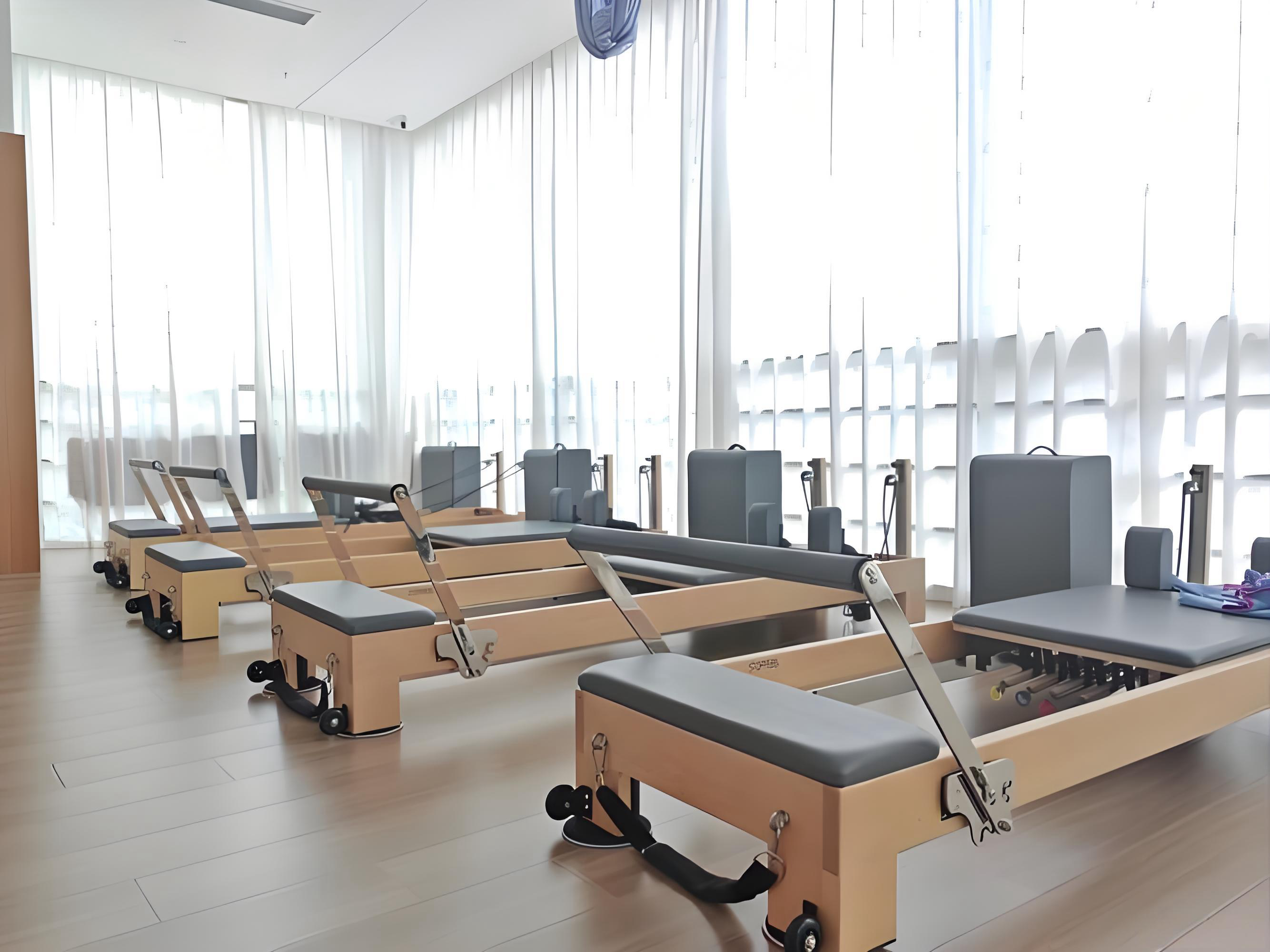
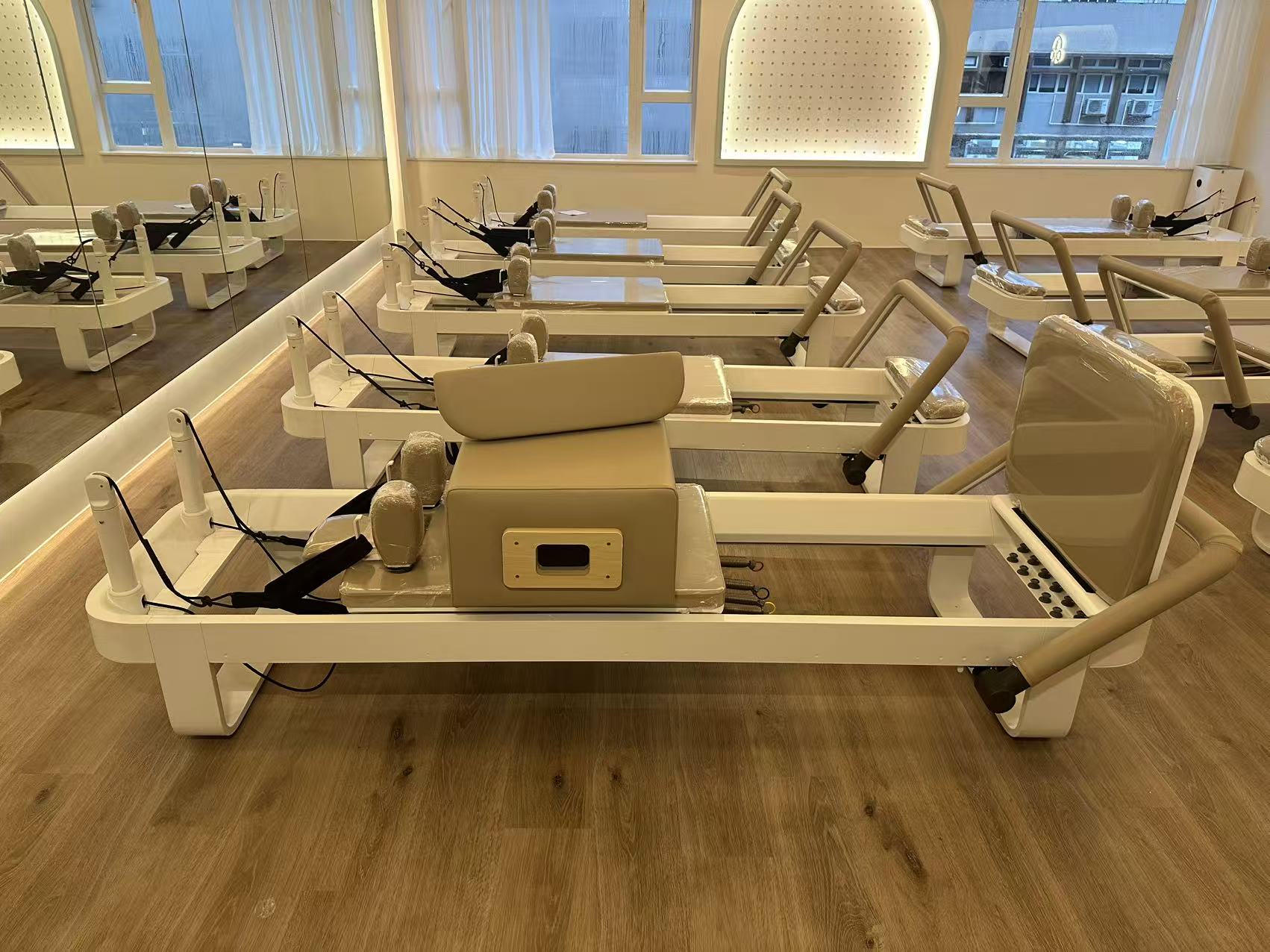
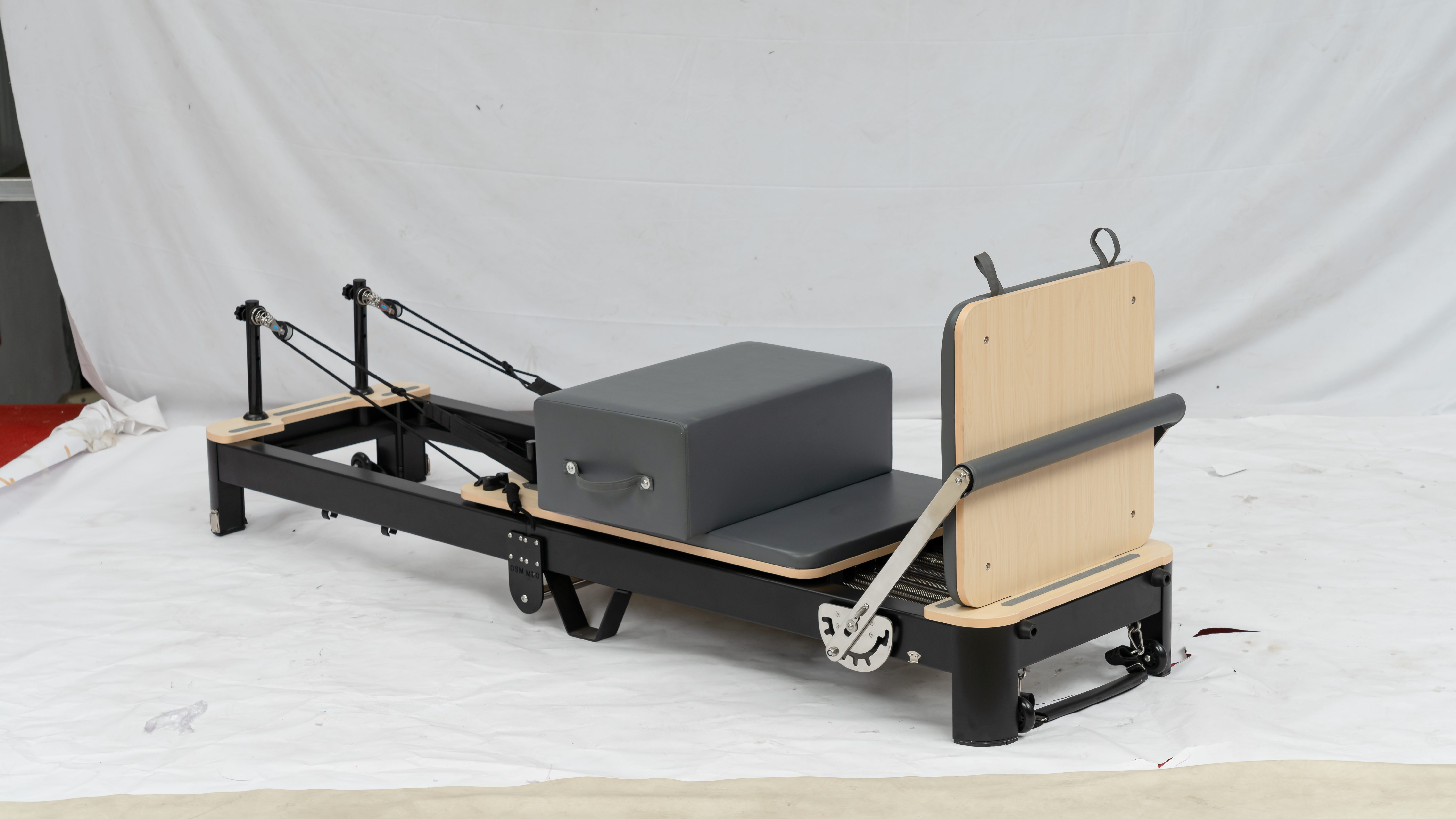
- Essential Starter Bundle: 2–4 reformers, jump boards, small accessories, basic spare parts kit.
- Full Studio Bundle: Reformers, cadillac, ladder barrel, spine corrector, wall tower, complete accessory set.
- Rehab Focus Bundle: Low-impact, reinforced frames, additional spring sets, safety accessories for clinical Pilates.
Every package should explicitly list included services and exclusions:
- Included: Pre-delivery inspection, standard installation guidance, scheduled maintenance check-ins, access to spare parts ordering.
- Excluded: On-site labour for installation, accidental damage, misuse, routine cleaning, consumables such as PU upholstery replacement from normal wear.
You can also create optional add-ons: extended maintenance subscriptions, annual deep service visits, upgrade rights to premium wood frames or silent rail reformers, and white-label customisation.
Pricing and Deposit Guidelines
When calculating monthly lease rates, factor in all your underlying costs, not just the factory purchase price. Your formula should account for equipment cost, shipping, import duties, compliance certification, packaging, delivery, asset depreciation, administrative overhead, default risk margin and desired profit.
Standard commercial leasing practice for fitness equipment usually requires an upfront security deposit. For startup clients without established business credit, set the deposit between one and three months of lease payments. The deposit is refundable at contract end, minus deductions for damage, missing accessories or unpaid balances.
Avoid overly aggressive zero-deposit offers with brand-new, unproven studios, as this increases your risk of asset loss and default. If you want a low-deposit promotion, limit it to clients who provide personal guarantees or strong business references.
Critical Contract Clauses to Mitigate Risk
Leasing means you retain ownership of the equipment until buyout. Your written agreement must protect your assets and clarify responsibilities, especially with inexperienced first-time studio owners. These clauses are non-negotiable:
- Asset Identification: List serial numbers, model specifications, upholstery colour and accessory inventory for every piece. This prevents substitution or loss tracking issues.
- Use Restriction: State equipment is only for commercial Pilates instruction at the named location; sub-leasing, moving apparatus to a new site or heavy rehabilitation overloading without prior approval must be forbidden.
- Insurance Requirement: Mandate that the studio carries commercial general liability insurance and lists your company as a loss payee. This covers you if the equipment is damaged by fire, flood or accident, and protects against injury claims linked to leased apparatus.
- Wear and Tear Definition: Differentiate acceptable cosmetic wear from damage that requires repair. Include clear examples: scuffs on base covers are normal; cracked frames, torn upholstery from neglect, bent pulleys or snapped springs due to misuse are chargeable.
- Default and Repossession Terms: Outline late payment fees, grace periods, and your rights to recover equipment if payments stop. Also specify who pays removal and transport costs for repossession.
- End-of-Term Process: Spell out timelines for return, inspection, residual valuation, buyout paperwork and renewal options.
- Maintenance Responsibility: Clarify who completes routine tightening, spring inspection and cleaning. A popular hybrid model: the studio handles daily care, while your team completes scheduled professional servicing, either included or as a separate monthly add-on.
Sales Messaging for Cash-Strapped Startup Studios
When pitching to new founders, avoid framing leasing purely as “financing”. Focus on growth and risk reduction. These core selling points resonate strongly:
- “Launch your full commercial Pilates studio without draining your startup cash reserve.”
- “Get CE / EN 957 certified studio-grade apparatus, not second-hand compromised equipment.”
- “Lock fixed monthly payments so you can forecast expenses while you build your membership.”
- “Upgrade or scale your equipment set as your class bookings grow.”
- “Choose lease-to-own if you plan to build a permanent, long-term studio.”
Pair the lease offer with education. Many first-time buyers do not understand the difference between a lease, a loan and hire purchase. Explain simply: with a lease, you pay for the right to use the equipment, while lease-to-own lets you work toward full ownership.
Common Pitfalls to Avoid
Many equipment suppliers fail at leasing by overlooking predictable risks:
- Underpricing monthly payments and failing to cover depreciation, shipping and reconditioning costs when equipment returns.
- Skipping serial number logging, making it impossible to prove which gear belongs to you.
- Waiving insurance requirements, leaving you exposed to large losses after accidents or natural disasters.
- Offering vague maintenance terms that lead to disputes over who pays for repairs.
- Overlooking local consumer and commercial finance regulations. In some European regions, leasing agreements fall under specific financial rules, requiring transparent fee disclosure and documentation.
- Failing to plan for returned stock: used leased reformers need inspection, new upholstery, spring replacement and reconditioning before they can be leased or resold again. Build these refresh costs into your pricing model.
Hybrid Strategy: Combine Leasing and Wholesale Sales
You do not need to choose between selling and leasing. Present both pathways to every prospect. A typical sales flow works like this:
- Send the client your outright wholesale quote for the full studio package.
- Attach two or three leasing alternatives, with clear side-by-side comparisons of upfront cash required and total outlay over the term.
- Highlight the trade-off: buying costs more upfront but less overall; leasing preserves capital with higher cumulative spend.
- Follow up after launch: once the studio gains traction, offer them opportunities to add extra equipment under the same lease or convert to a direct purchase.
This approach respects different founder priorities. Some startups will prioritise saving cash; others will prefer owning assets from day one.
Final Thoughts
Equipment leasing is more than a financing trick for Pilates distributors. It is a powerful growth channel that unlocks an underserved audience: talented new studio owners with great teaching skills but limited startup capital. By designing transparent, tiered lease packages, building strong contracts, and pricing to account for asset depreciation and risk, you can turn one-time equipment transactions into long-term recurring partnerships.
When you help cash-strapped startups open safely with compliant, durable Pilates apparatus, you do more than move inventory. You build trusted supplier relationships that lead to referrals, multi-location expansions, repeat accessory orders and a steady pipeline of studio buyers for years ahead.