How to Design Group Classes Around Your Pilates Apparatus
Group classes are the economic engine of most Pilates studios, yet they are also where equipment limitations become most visible. A reformer built for one practitioner must now serve several people at different levels, with different goals and different bodies—often within the same hour. Designing group classes around your apparatus is therefore not simply a matter of choosing exercises. It is a question of matching class format to machine capacity, sequencing movement so that equipment is used efficiently, and building a rhythm that keeps every participant challenged without compromising safety. Studios that master this alignment fill their schedules; those that ignore it end up with frustrated clients and underused machines.
Start With What Your Apparatus Actually Allows
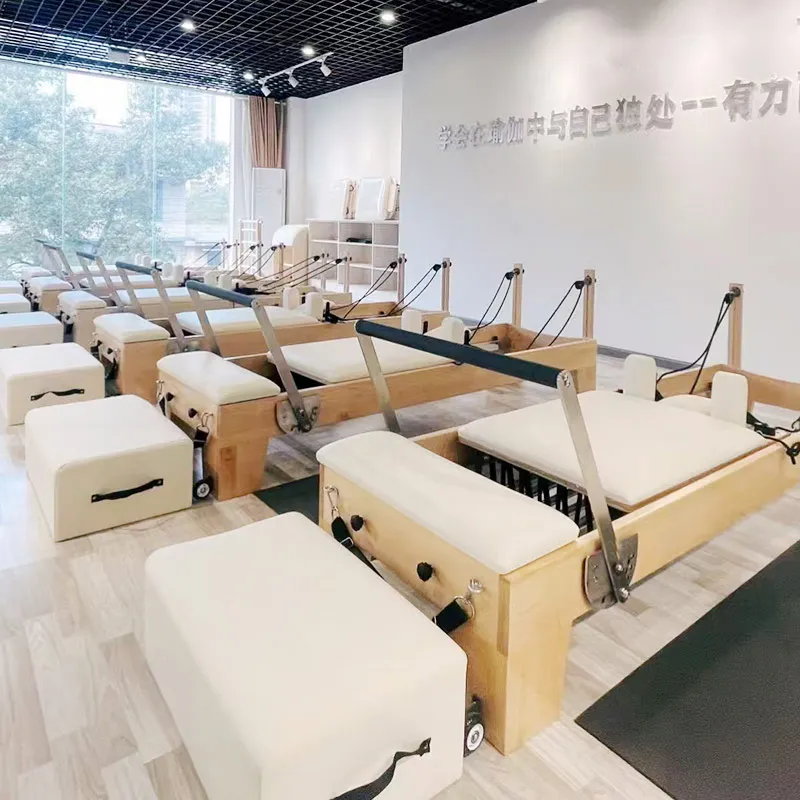
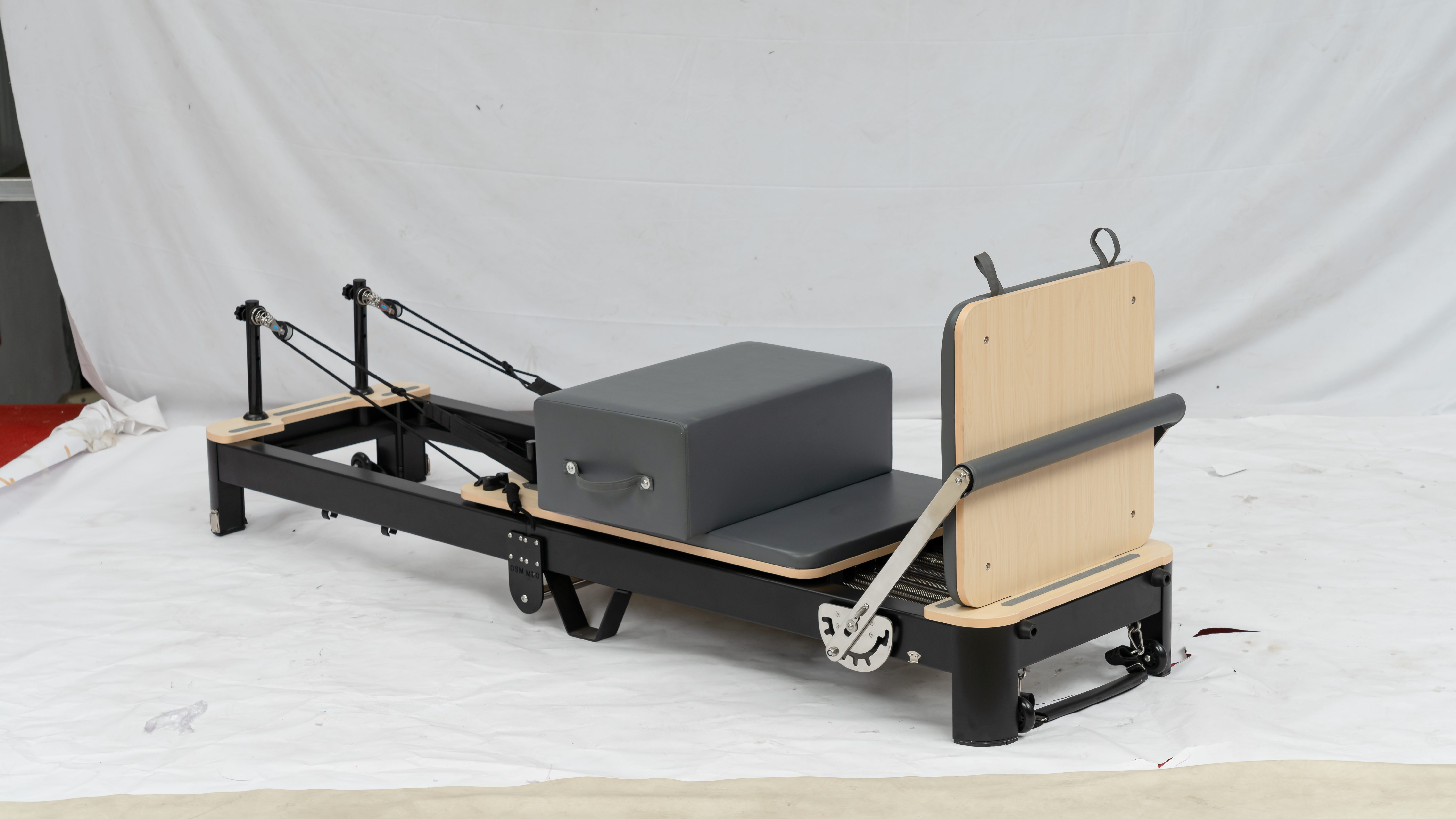
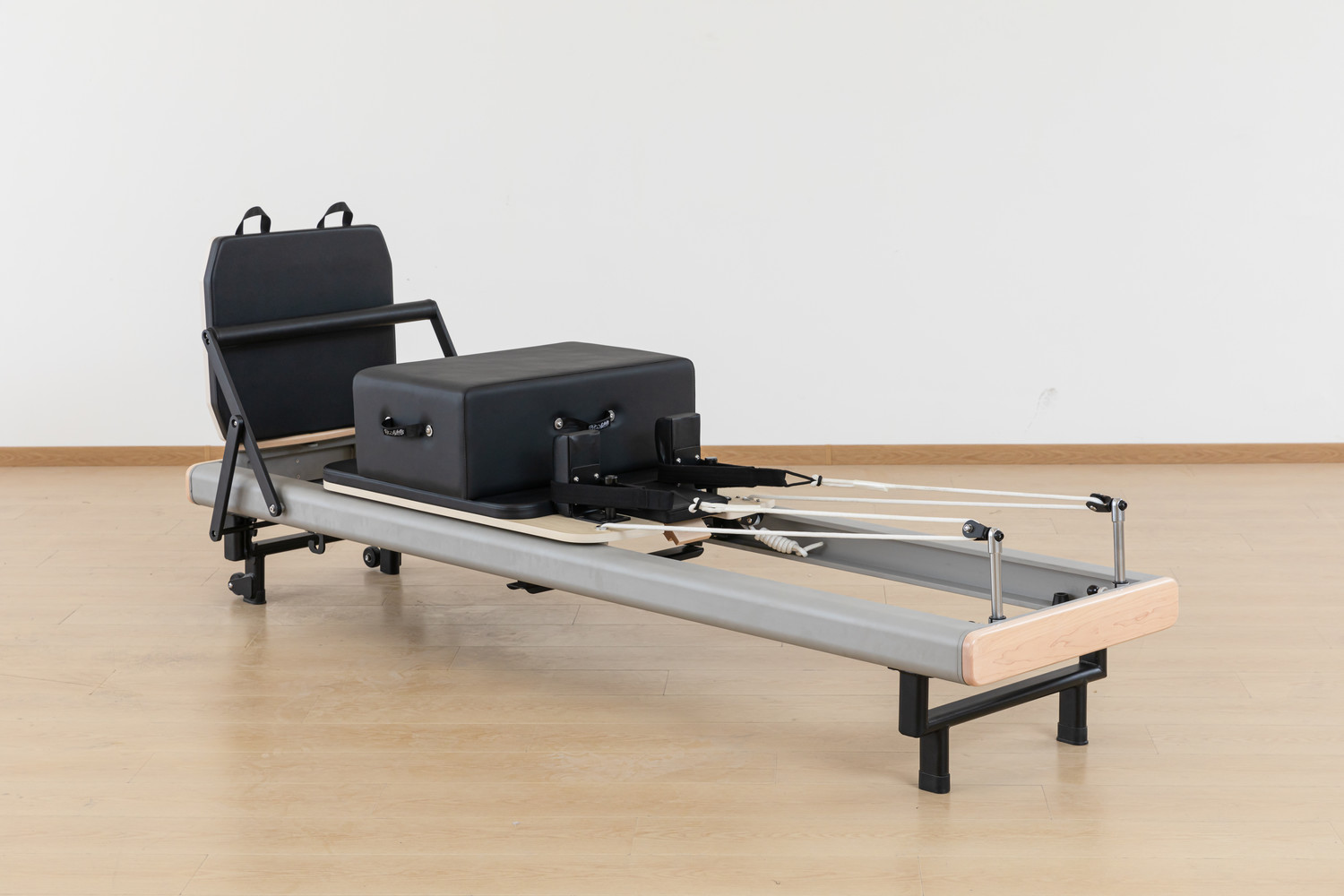
Before writing a single class plan, take an honest inventory of your equipment. How many reformers, chairs, barrels, or cadillacs do you have? What is the maximum number of participants each machine can safely accommodate at one time? What accessories—jumpboards, towers, boxes, spring sets—are available, and how many of each? The answers define your ceiling. A studio with six reformers and two chairs cannot run a twelve-person apparatus class without splitting the group and creating dead time. A studio with modular equipment can rotate stations, but only if the rotation is planned in advance and the transition time is realistic.
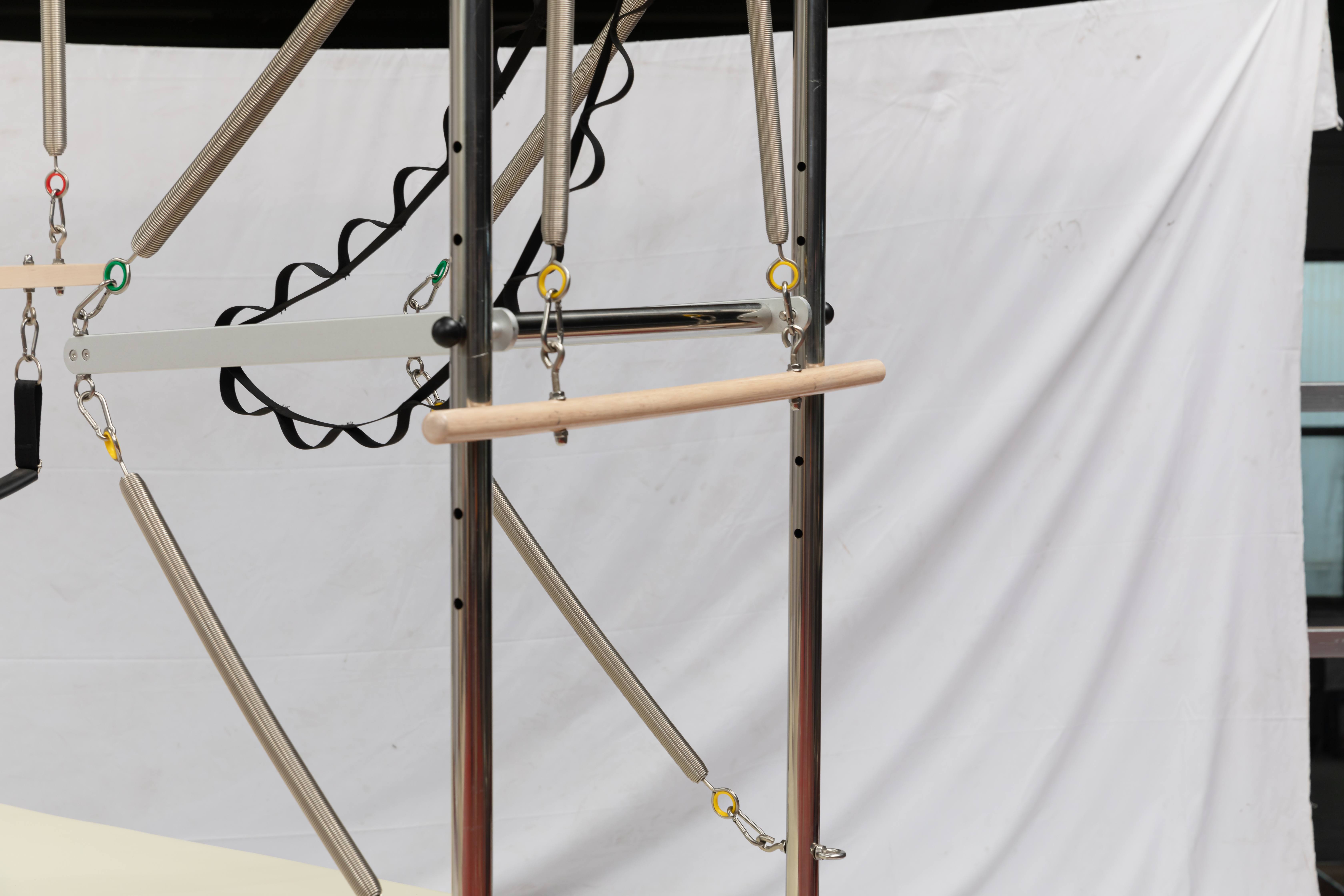
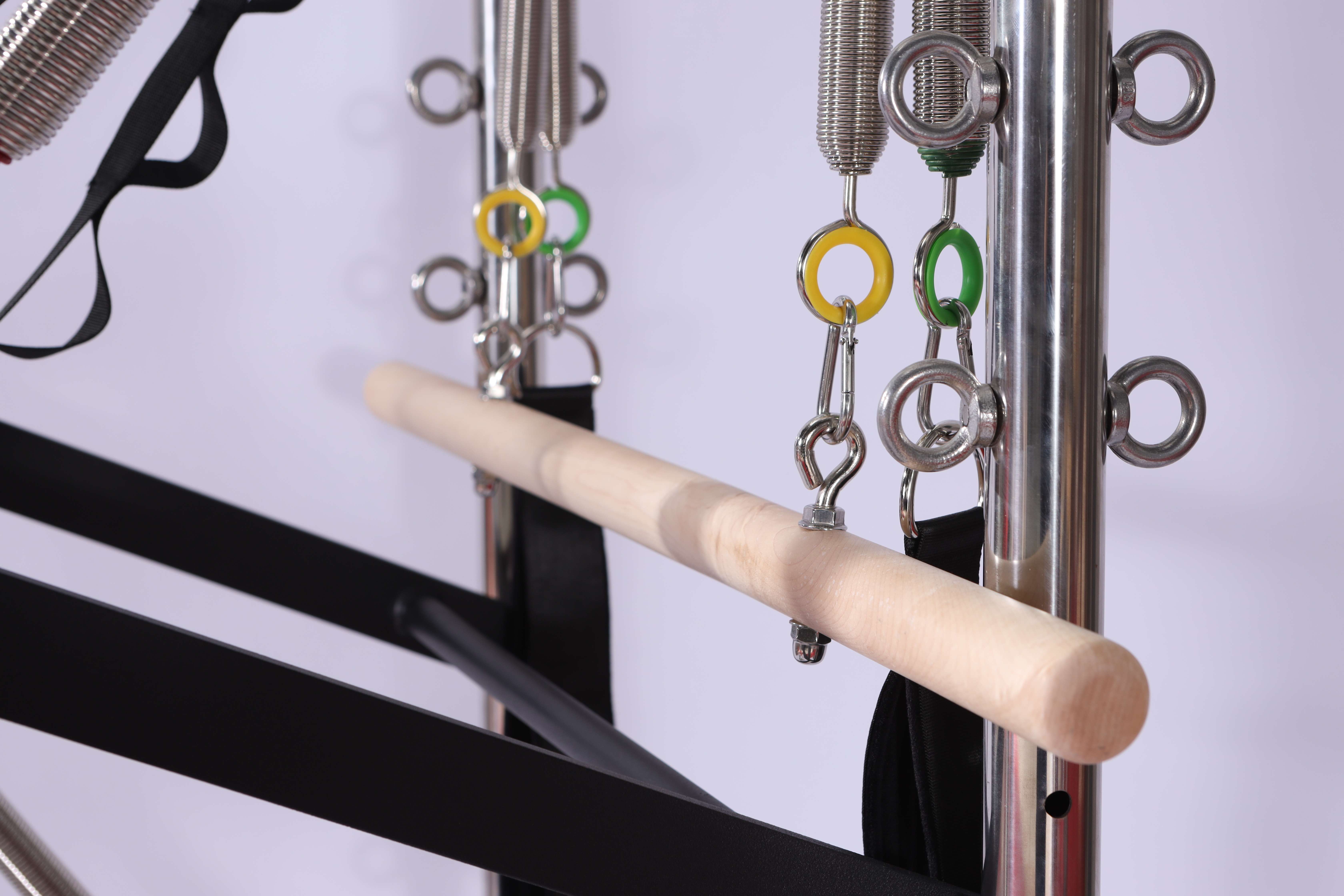
Equally important is the condition of the equipment. Springs that have lost tension, carriages that hesitate on the rails, and worn straps behave differently under the faster pace and varied load of a group class than they do in a one-on-one session. Group formats amplify equipment problems. A machine that feels acceptable in private training may become a liability when eight people cycle through it in an hour. Inspect and service apparatus before building a class around it, not after complaints arrive.
Match Class Format to Machine Count
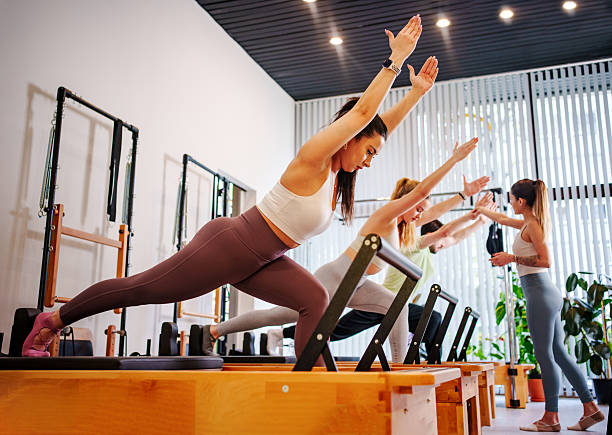
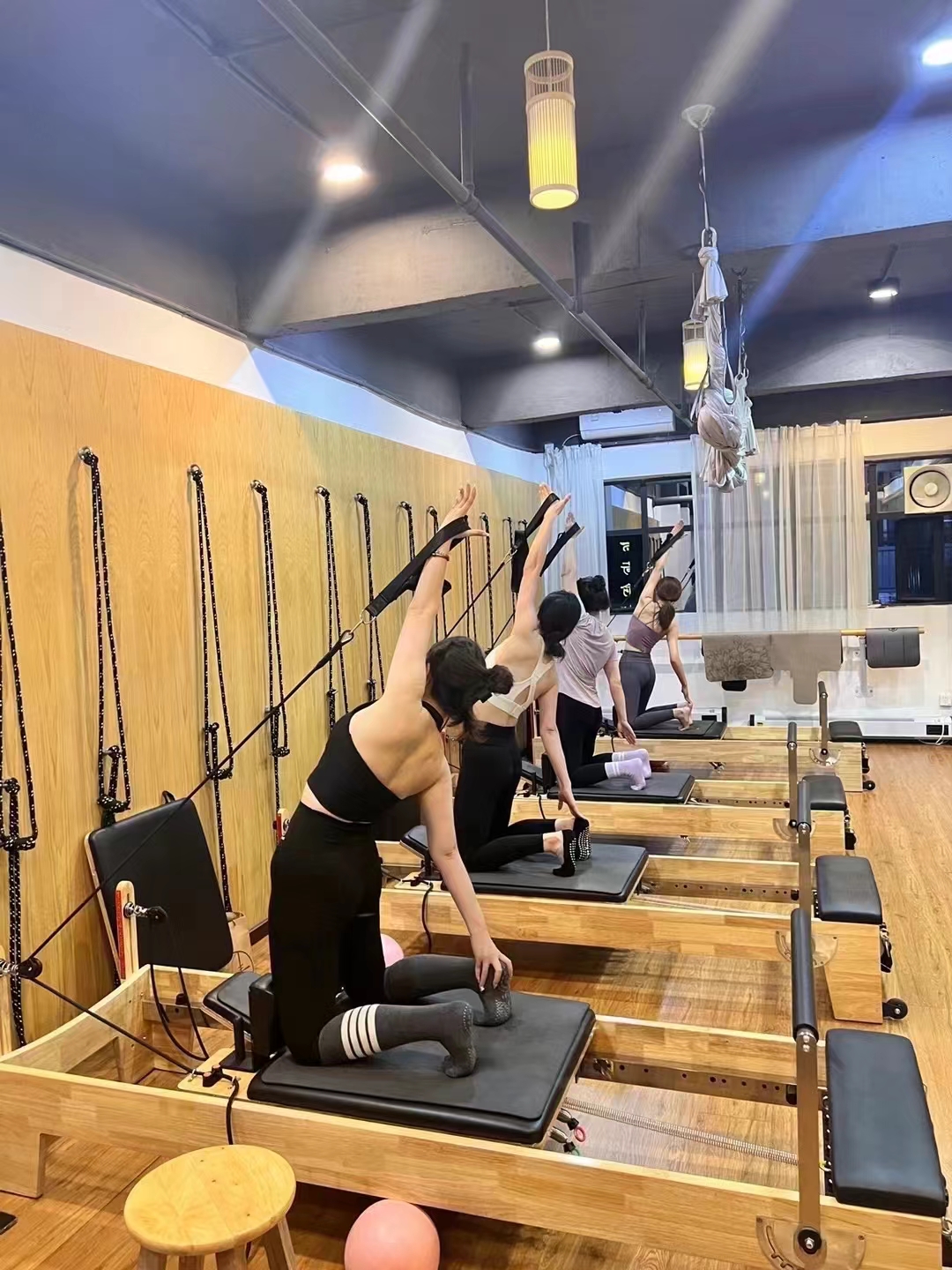
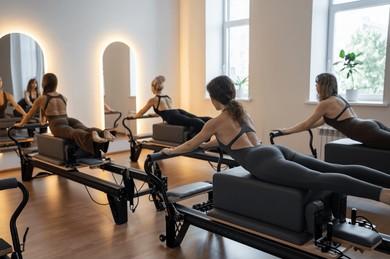
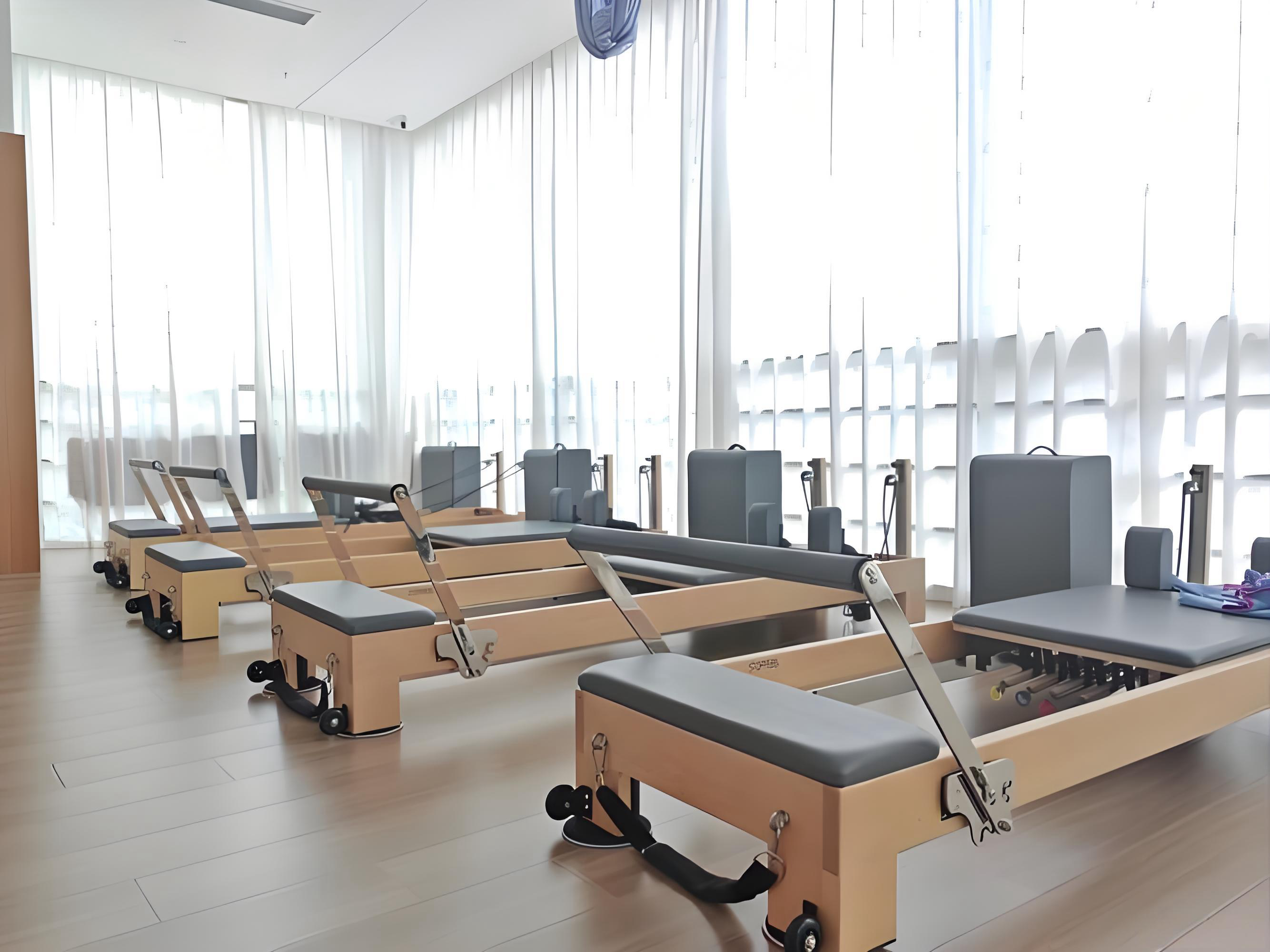
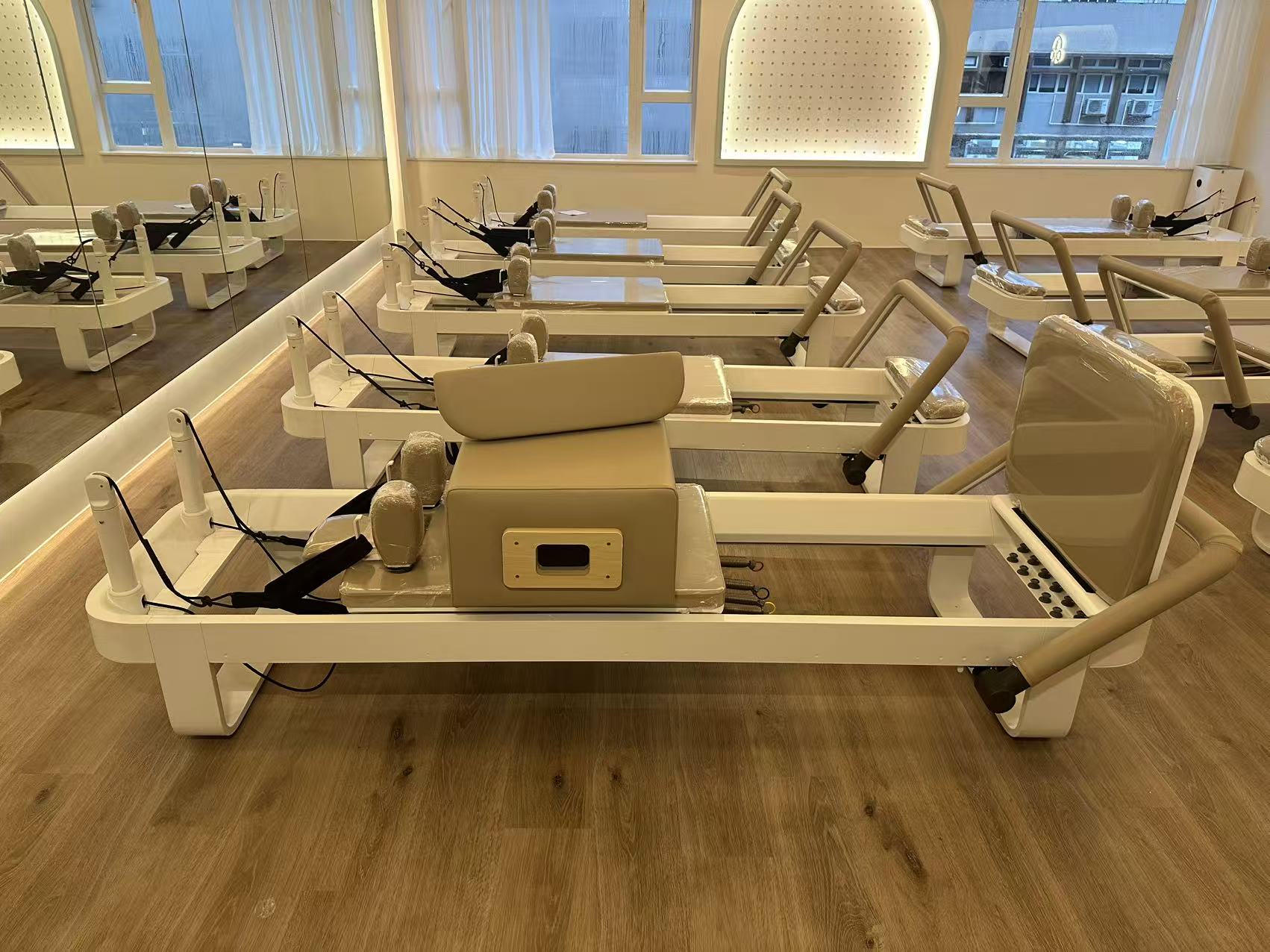
The most common design error is choosing a class concept first and fitting the equipment to it afterward. A more reliable approach is to let the machine count determine the format. With a full studio of matched reformers, a traditional group reformer class works well: everyone performs the same sequence, the instructor demonstrates from a central reformer, and corrections flow naturally. This format is efficient, easy to scale, and familiar to clients.
When equipment is limited or mixed, station-based formats become more practical. Participants rotate between reformers, chairs, barrels, and mat areas on a timed schedule. This approach works best when each station has a clear purpose and the transitions are choreographed rather than improvised. The instructor’s role shifts from leading a single sequence to managing flow, which requires a written rotation plan and a visible timer.
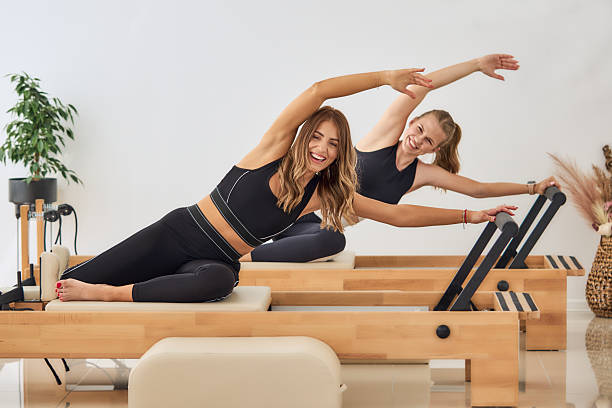
Small-group formats—three to five participants—offer a middle path. They allow individualized programming on the apparatus while preserving the social energy of a group. For studios with premium equipment but limited floor space, small-group apparatus classes often deliver the highest revenue per square foot.
Sequence for Shared Equipment
Sequencing in a group class must account for the fact that participants share machines, often with a partner or in alternation. A well-designed sequence alternates between apparatus work and mat or standing work, so that one participant trains on the machine while the other trains on the floor. This pattern keeps everyone moving, reduces waiting, and allows the instructor to supervise both activities simultaneously.
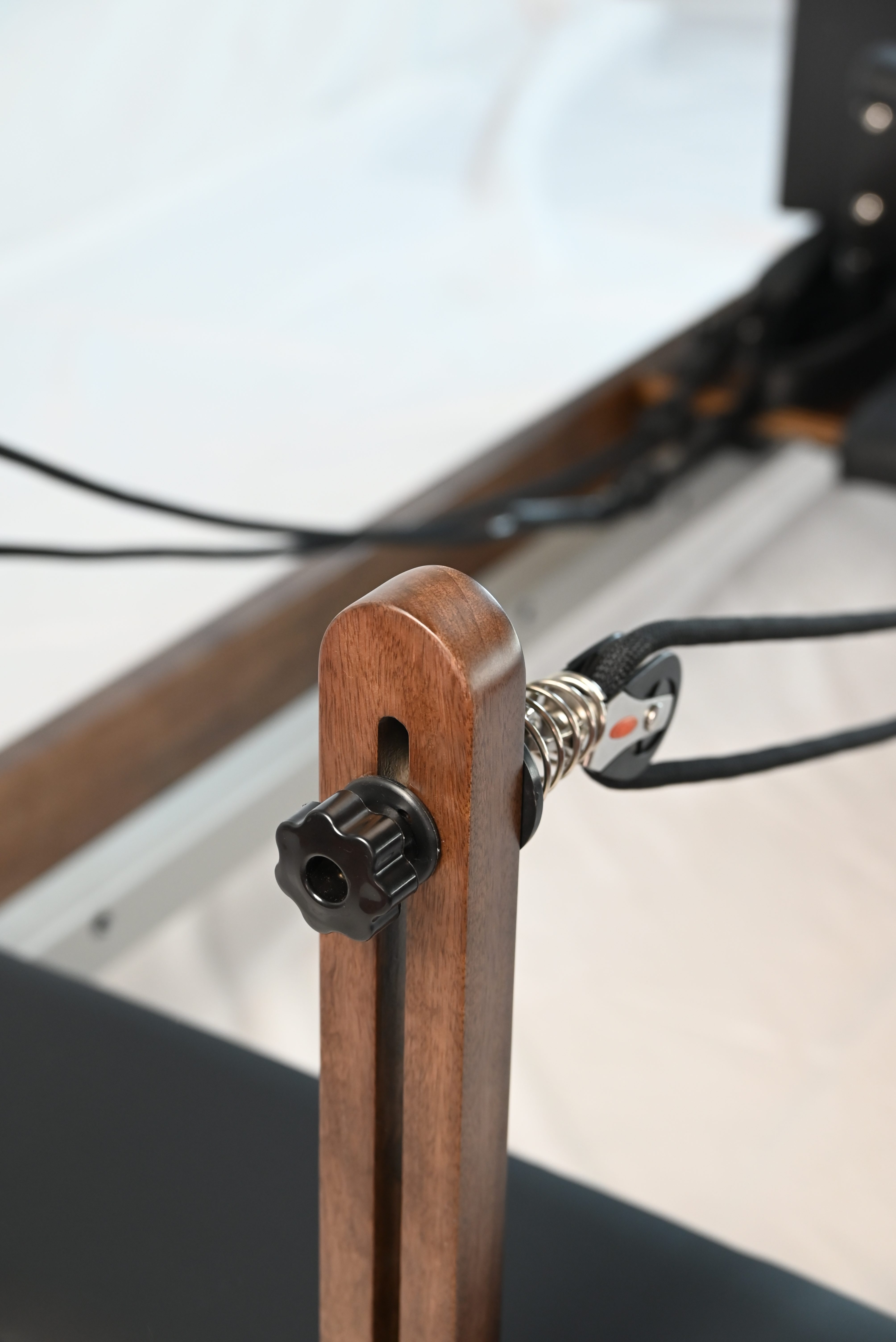
Within the apparatus portion, choose exercises that require minimal setup changes. Spring adjustments take time; if every exercise demands a different spring configuration, the class slows to a crawl. Group sequences should cluster exercises that share the same spring setting, then change springs once for the next cluster. Similarly, footbar and headrest adjustments should be batched. Experienced instructors plan the class around two or three spring changes rather than ten.
Exercise selection should also favor movements that are easy to observe and correct from a distance. Subtle spinal articulation is difficult to cue across a room; broader movements of the limbs and carriage are easier to monitor. Save the most nuanced work for small-group or private sessions.
Build Progressions That Work Across Levels
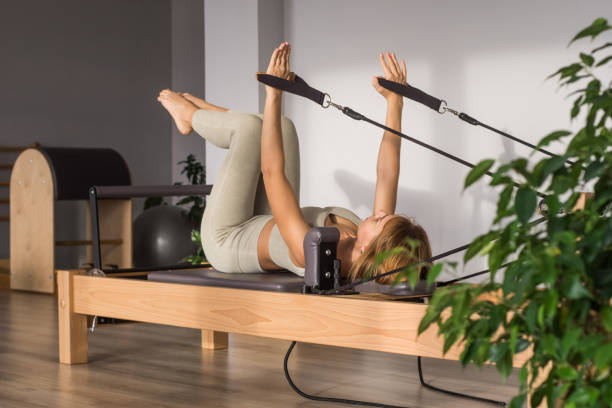
Group classes inevitably contain participants of different abilities. The apparatus itself offers a natural solution: the same exercise can be regressed or progressed by changing springs, range of motion, lever length, or the number of limbs in contact with the machine. A footwork series can be performed with both legs, one leg, or with a reduced range; a long-box exercise can be simplified by shortening the lever. Designing a class around a single movement pattern with three difficulty levels is more effective than designing three separate sequences.
The instructor should also plan where each level will stand or sit, so that clients at different levels can be supervised without the instructor crossing the room repeatedly. Positioning stronger clients near the equipment they will use next, and beginners closer to the instructor’s base, reduces disruption.
Manage Time and Transitions
Group apparatus classes live or die by their transitions. Every spring change, every footbar adjustment, every rotation between stations consumes class time. Effective instructors script transitions in advance: they announce the change before it happens, demonstrate the adjustment once, and use the transition as a brief teaching moment rather than dead air. A visible clock or interval timer helps participants manage their own pace and reduces the instructor’s need to repeat instructions.
Class length should be set realistically. A fifty-minute group reformer class with four spring changes and two station rotations is ambitious but achievable with practice. A sixty-minute class allows more breathing room. Trying to fit a full private-session sequence into a group hour is the fastest route to a rushed, unsafe class.
Plan for Safety and Supervision
Group classes spread the instructor’s attention thin. Safety planning must compensate. Clear rules about when participants may change their own springs, how to mount and dismount safely, and what to do if equipment behaves unexpectedly should be established and reinforced. New clients should receive a brief orientation before joining apparatus classes, covering spring safety, carriage control, and emergency stopping.
The instructor’s physical position matters. Standing where the whole room is visible, rather than beside one reformer, allows early detection of unsafe movement. A mirror or a second instructor can extend visibility in larger rooms. For classes above a certain size, a second staff member is not a luxury but a safety requirement.
Review and Refine
Finally, treat every group class as a test of the design. Note where transitions slowed, which exercises required unexpected setup changes, and which participants seemed bored or overwhelmed. Adjust the sequence, the rotation plan, or the class size accordingly. A group apparatus class that runs smoothly is rarely the first version—it is the fifth or sixth iteration of a plan that was refined through observation. Studios that review their class designs systematically build formats that fill consistently, use equipment efficiently, and keep clients returning.
Conclusion
Designing group classes around your Pilates apparatus begins with an honest assessment of what your equipment can support and ends with a sequence that keeps every participant moving, challenged, and safe. Match the format to the machine count, cluster exercises to minimize setup changes, build progressions that work across levels, script the transitions, and plan for supervision. When class design and equipment capacity are aligned, group classes become both a strong revenue stream and a genuine showcase of what your apparatus can do.