Teaching Reformer Flow: Sequencing Tips for Pilates Instructors
Flow is one of the core principles of Pilates, yet it is often the hardest to teach well. A class that feels seamless—where transitions disappear and clients move from one exercise to the next without breaking concentration—is not accidental. It is the result of deliberate sequencing choices made before anyone steps into the studio. For instructors, mastering reformer flow means understanding how to organize movement so that the body never feels jarred, the mind never disengages, and the session builds toward something meaningful.
Start with a Theme, Not a List of Exercises
The most common sequencing mistake is treating a class as a collection of exercises to be checked off. A flowing class begins with a clear intention. That intention might focus on a body part, a Pilates principle, or a specific peak exercise that the class will work toward. For example, a session could be built around spinal articulation, core stability, or the concept of control under load . When the theme is clear, exercise selection becomes easier because every movement either supports the theme or does not belong.
Organize by Body Position to Minimize Setup Changes
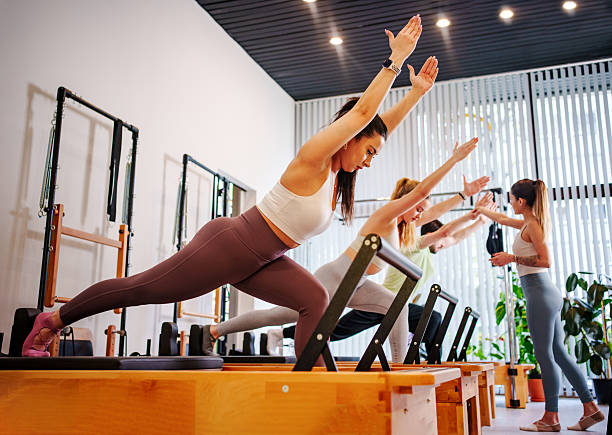
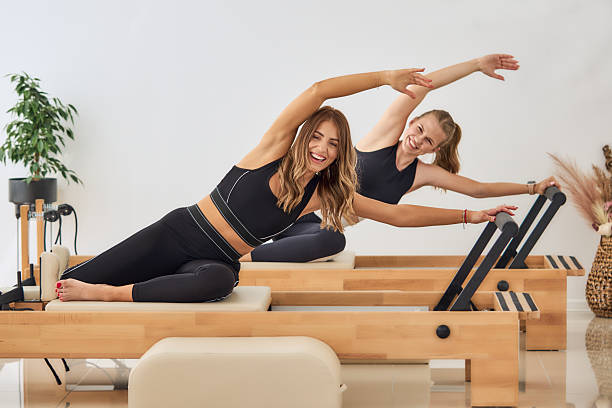
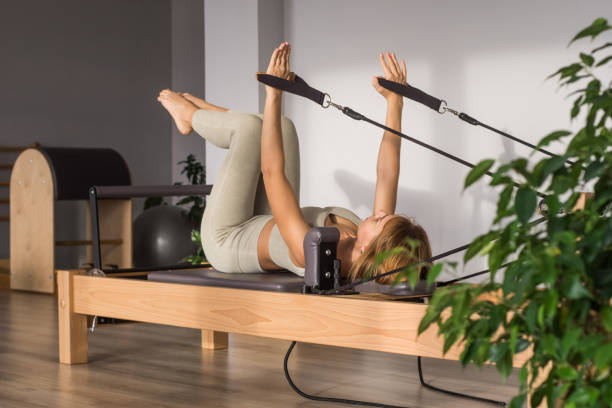
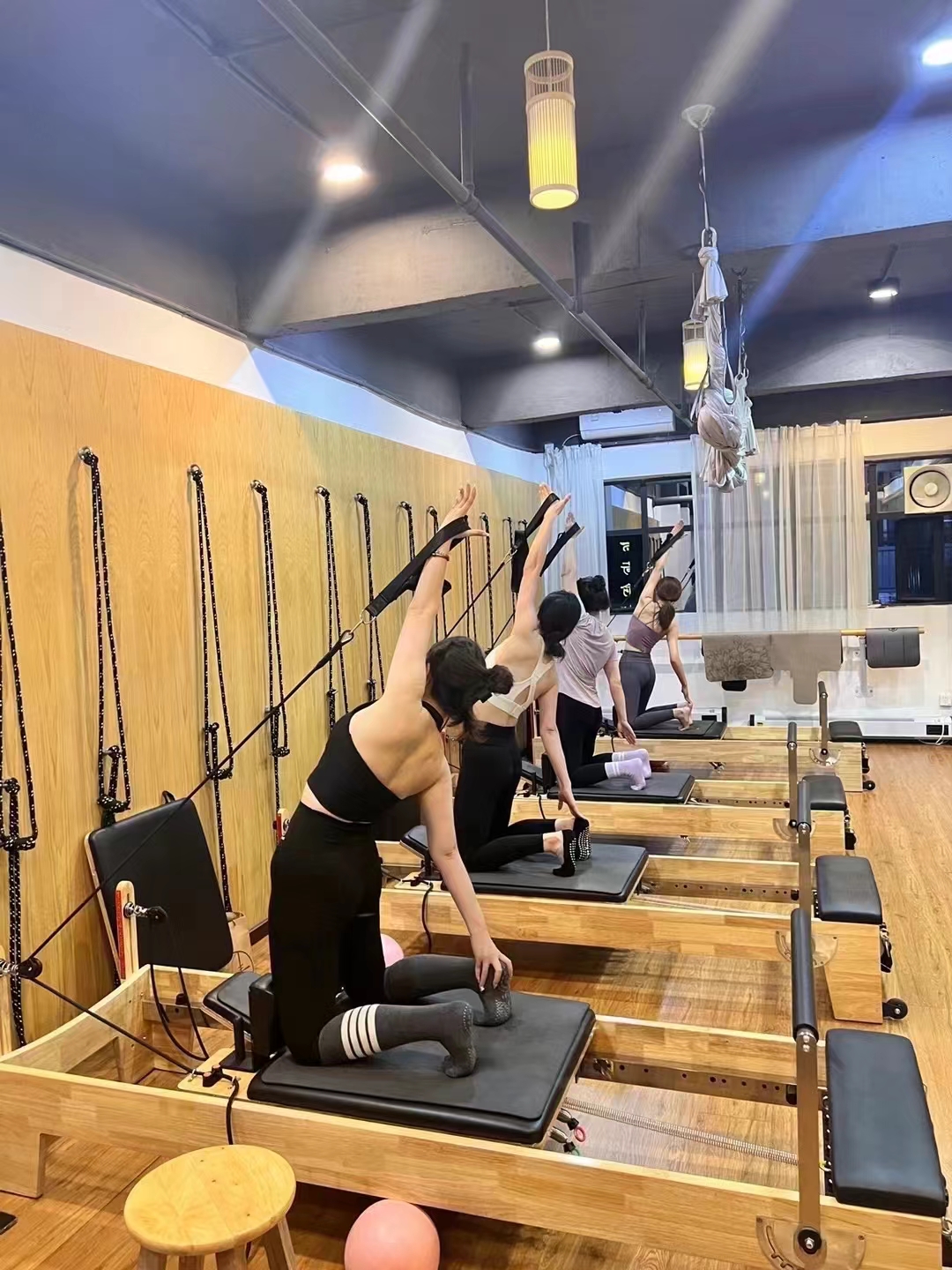
One of the most practical tools for creating flow on the reformer is organizing sequences by how the client is positioned on the machine—supine, seated, kneeling, side-lying, or standing. Grouping exercises that share the same orientation eliminates unnecessary transitions, reduces the time spent changing springs and footbar settings, and allows clients to stay in the rhythm of movement . A class that jumps from supine to standing to prone to seated and back again feels choppy, no matter how good the individual exercises are. Instead, complete a series in one position before moving to the next.
Build a Logical Arc: Warm-Up, Activation, Main Work, Integration, Cool-Down
Flow does not mean constant intensity. A well-sequenced reformer class follows a physiological arc. The opening minutes should awaken the breath and deep core without loading the body heavily—breathing drills, pelvic tilts, and gentle spinal articulation prepare the nervous system for work . From there, mobility work for the spine and joints comes before strength, because a stiff spine cannot safely bear load. The main portion of the class introduces progressive challenge, moving from supine to side-lying, prone, kneeling, and finally seated or standing as the body warms and the client’s control improves . The final minutes should bring the heart rate down and restore resting tone through gentle stretching and breath work. This arc is not rigid, but it gives the class a shape that clients can feel, even if they cannot articulate it.
Use Transitions as Part of the Training
In classical Pilates, transitions are not downtime. They are opportunities to reinforce control, breath, and body awareness . An instructor who teaches clients to move smoothly from footwork into the hundred—without losing core connection or fumbling with the footbar—is teaching a deeper lesson than the exercises alone. On the reformer, this means thinking about how the body arrives at each new position, not just what it does once it is there. A well-designed transition can itself be a mini-exercise in precision.
Adapt for Mixed-Level Groups Without Breaking the Flow
Teaching a group with varying abilities is one of the greatest challenges to maintaining flow. The solution is not to slow everyone down to the lowest common denominator, nor to let beginners flounder. Instead, build the sequence around a basic order that keeps everyone safe, then layer variations for more advanced clients within the same flow . A beginner might perform a simpler version of an exercise while an advanced client adds range or complexity, but both remain in the same rhythm. This approach preserves the group energy that makes reformer classes compelling.
Avoid the Common Traps
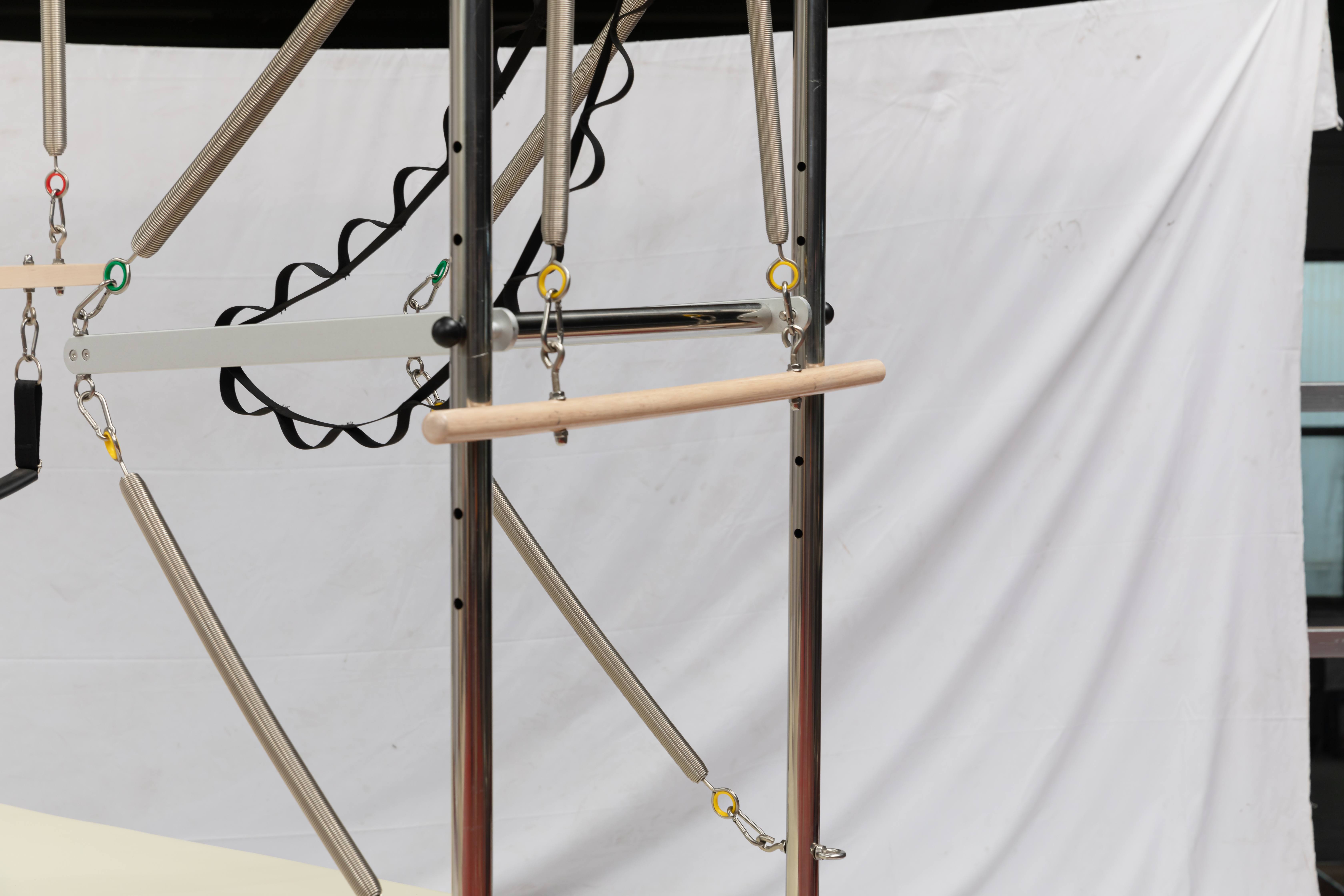
Certain sequencing habits quietly destroy flow. Stacking too many exercises in the same position without variation fatigues specific structures—too many consecutive supine head-lifts strain the neck, too many wrist-bearing exercises irritate the wrists, and too many kneeling movements compress the knees . The fix is not to avoid these positions but to alternate them intelligently. Another trap is changing the reformer setup too frequently. Each spring change or footbar adjustment interrupts momentum. Group exercises that share settings together, and plan the order so that spring changes coincide with position changes.
Conclusion
Teaching reformer flow is an act of architectural thinking. It requires seeing the class not as a series of discrete exercises but as a continuous experience with a beginning, middle, and end. Start with intention, organize by position, respect the physiological arc of training, treat transitions as teaching moments, and adapt without fracturing the group’s rhythm. When these elements come together, the result is a class that feels less like a workout and more like a practice—one that clients return to not only for results but for the experience itself.