Adapting Pilates Apparatus Exercises for Different Fitness Levels

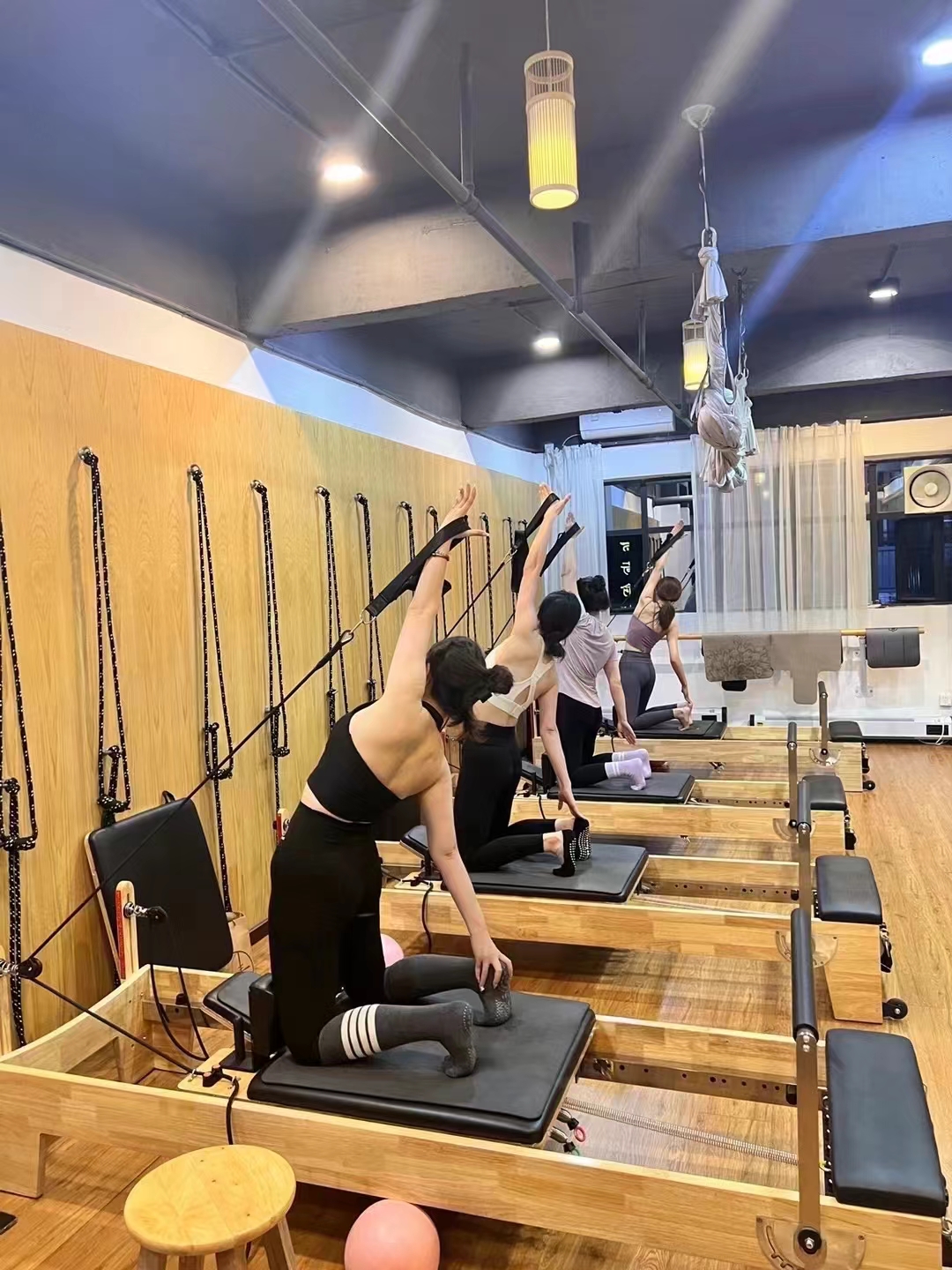
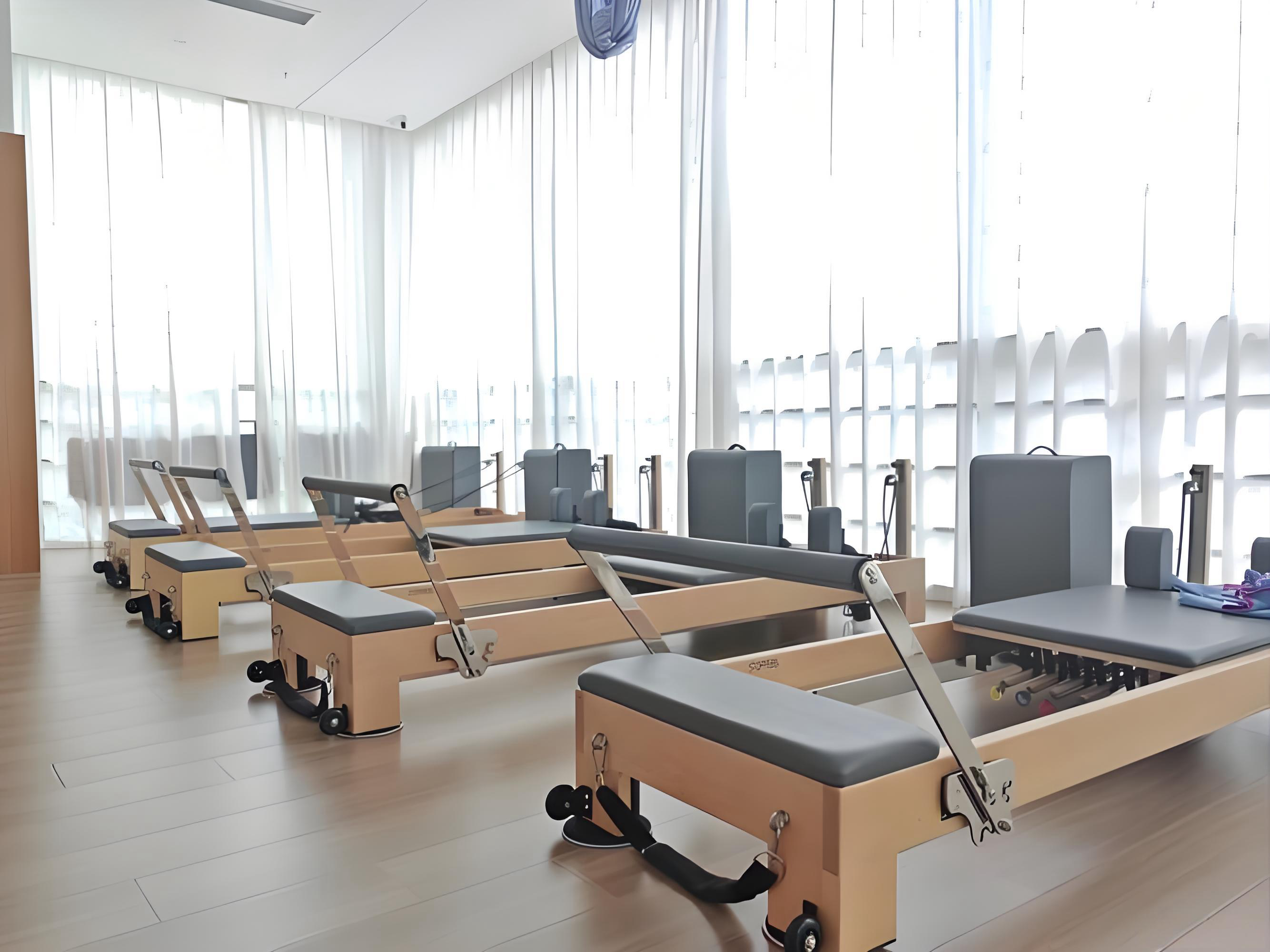
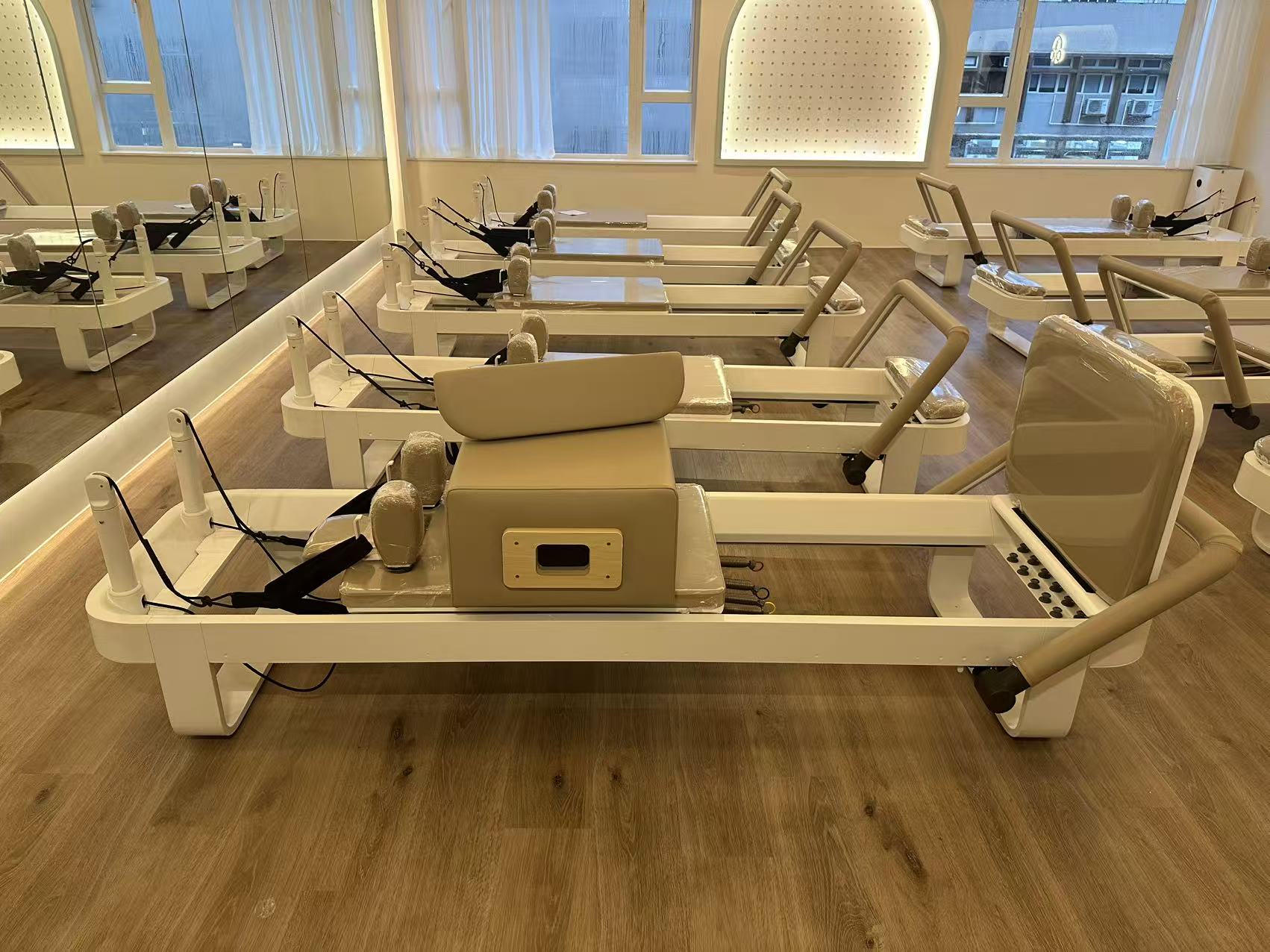
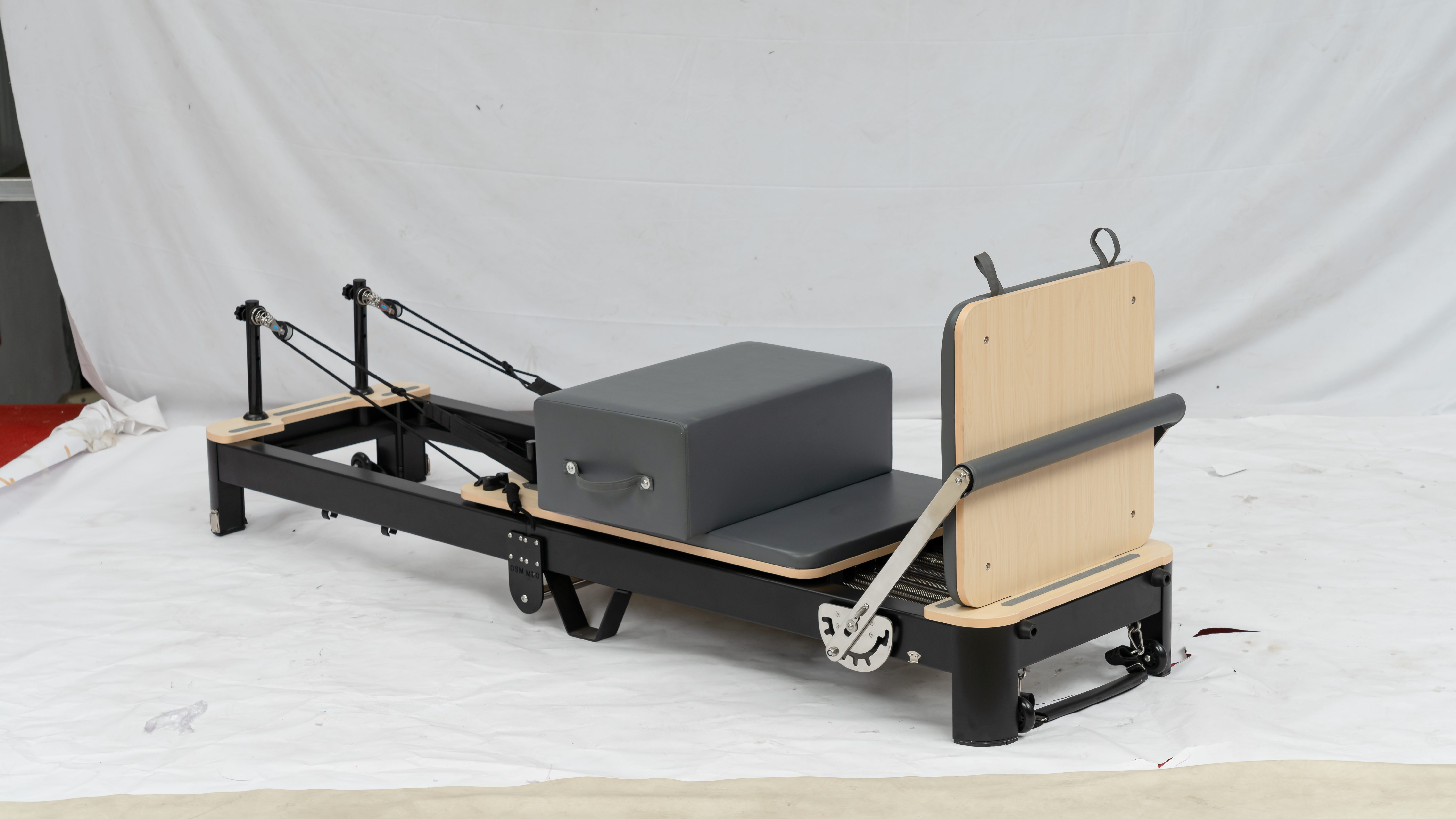
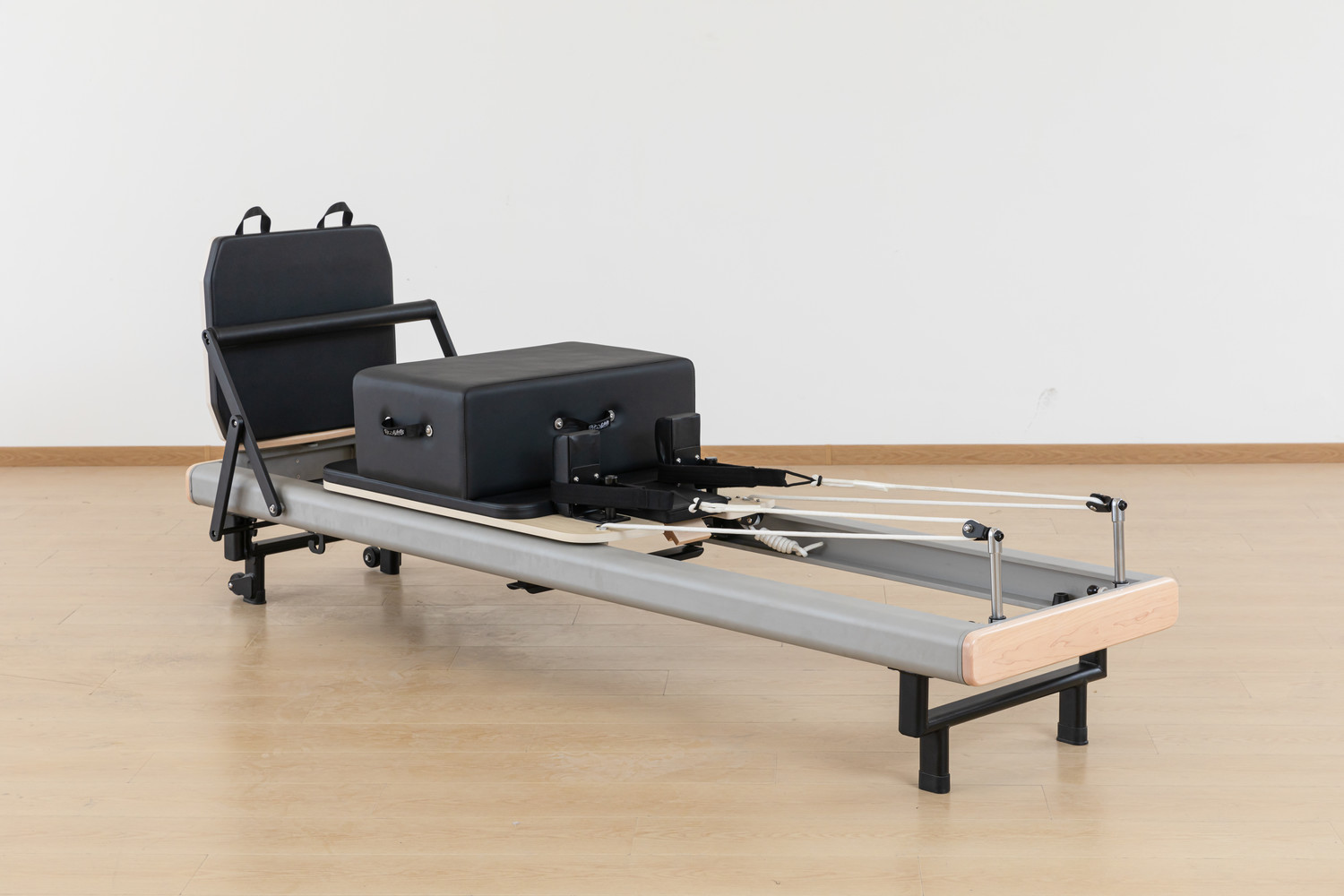
One of the great strengths of Pilates apparatus is its adaptability. The same reformer, cadillac, or chair can serve a complete beginner, a recovering patient, and an advanced athlete—provided the instructor knows how to modify the variables. Apparatus work is not a fixed sequence of movements; it is a system of adjustable forces, leverages, and support points. Learning to adapt exercises across fitness levels is one of the most valuable skills a trainer can develop.
The Core Variables You Can Adjust
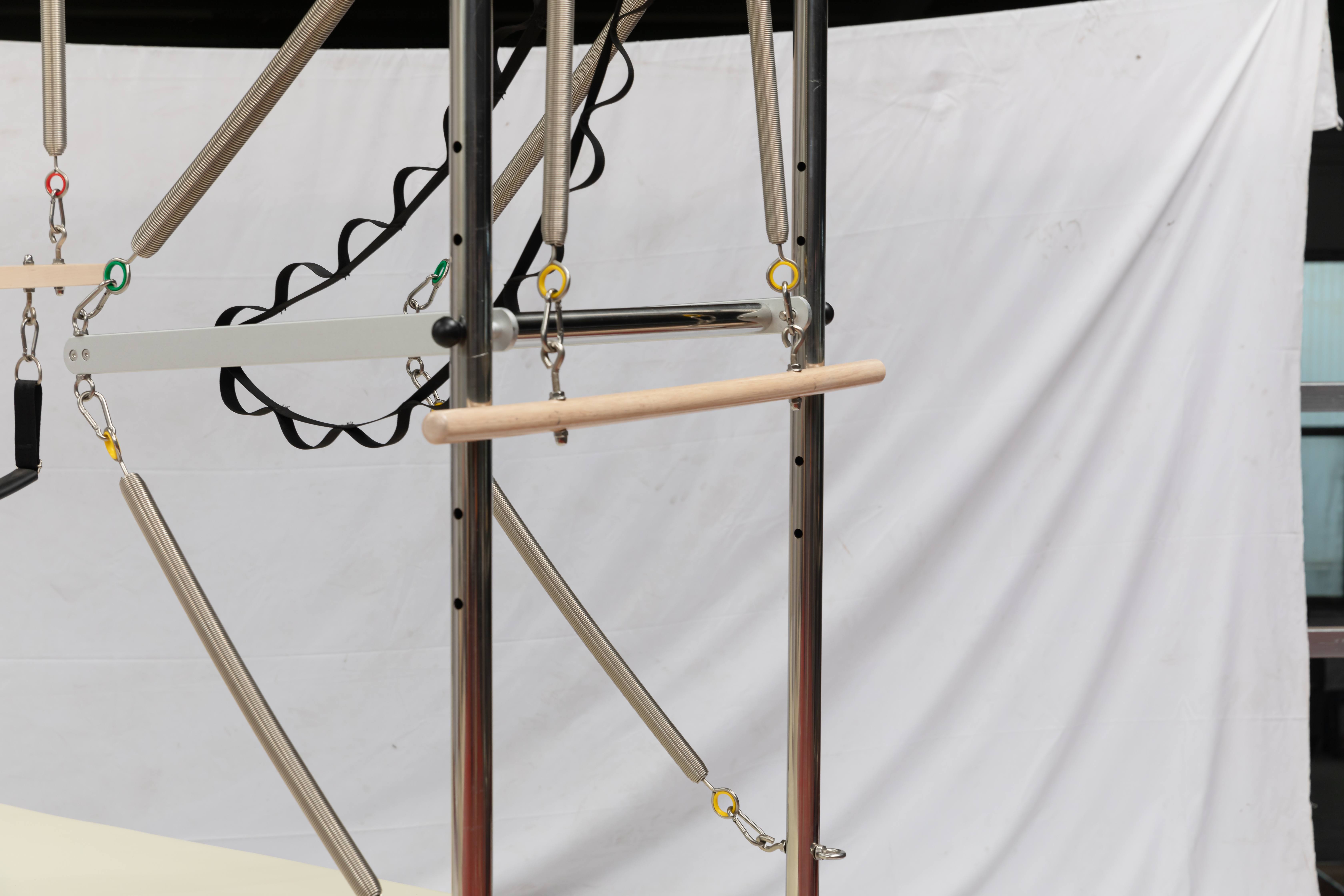
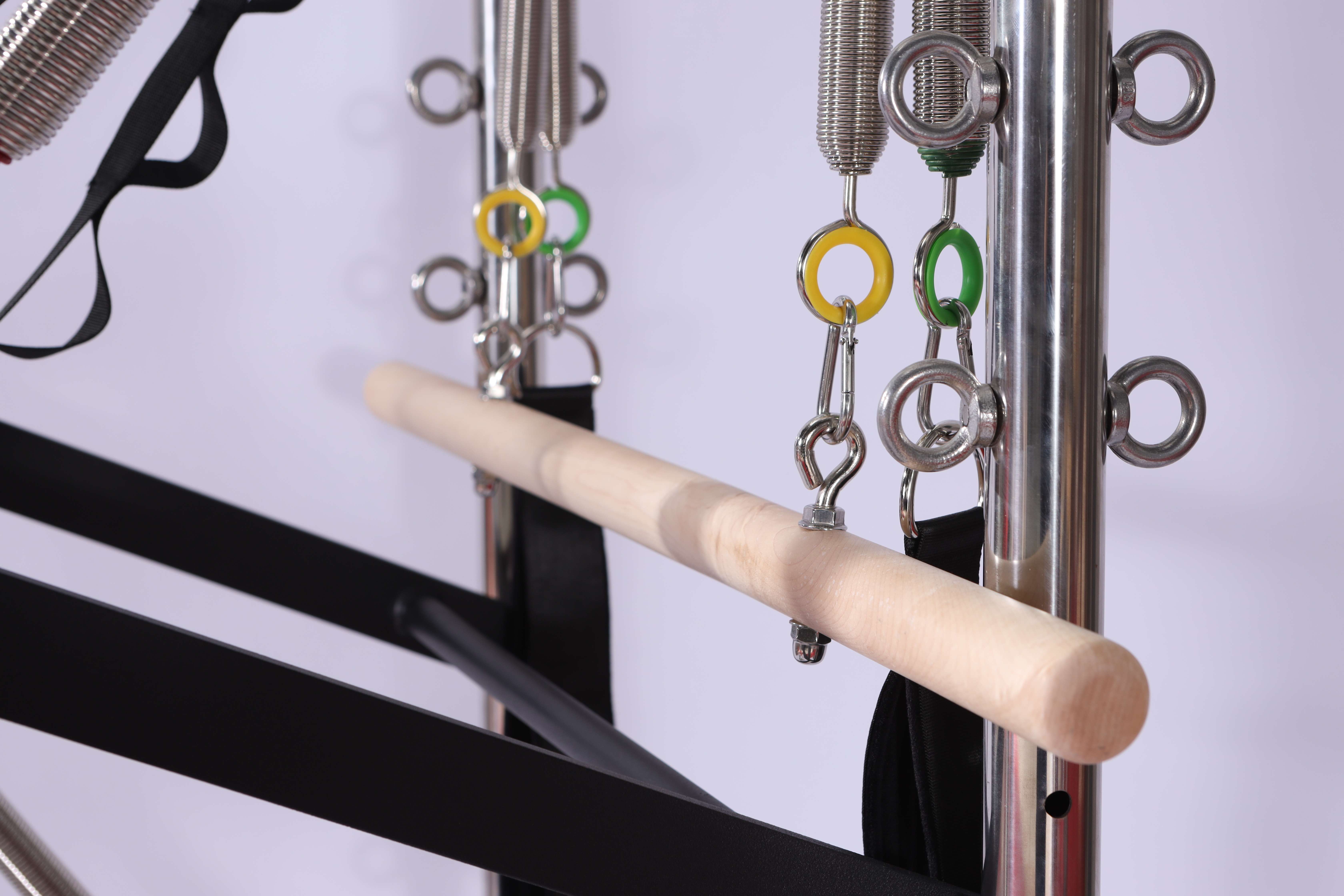
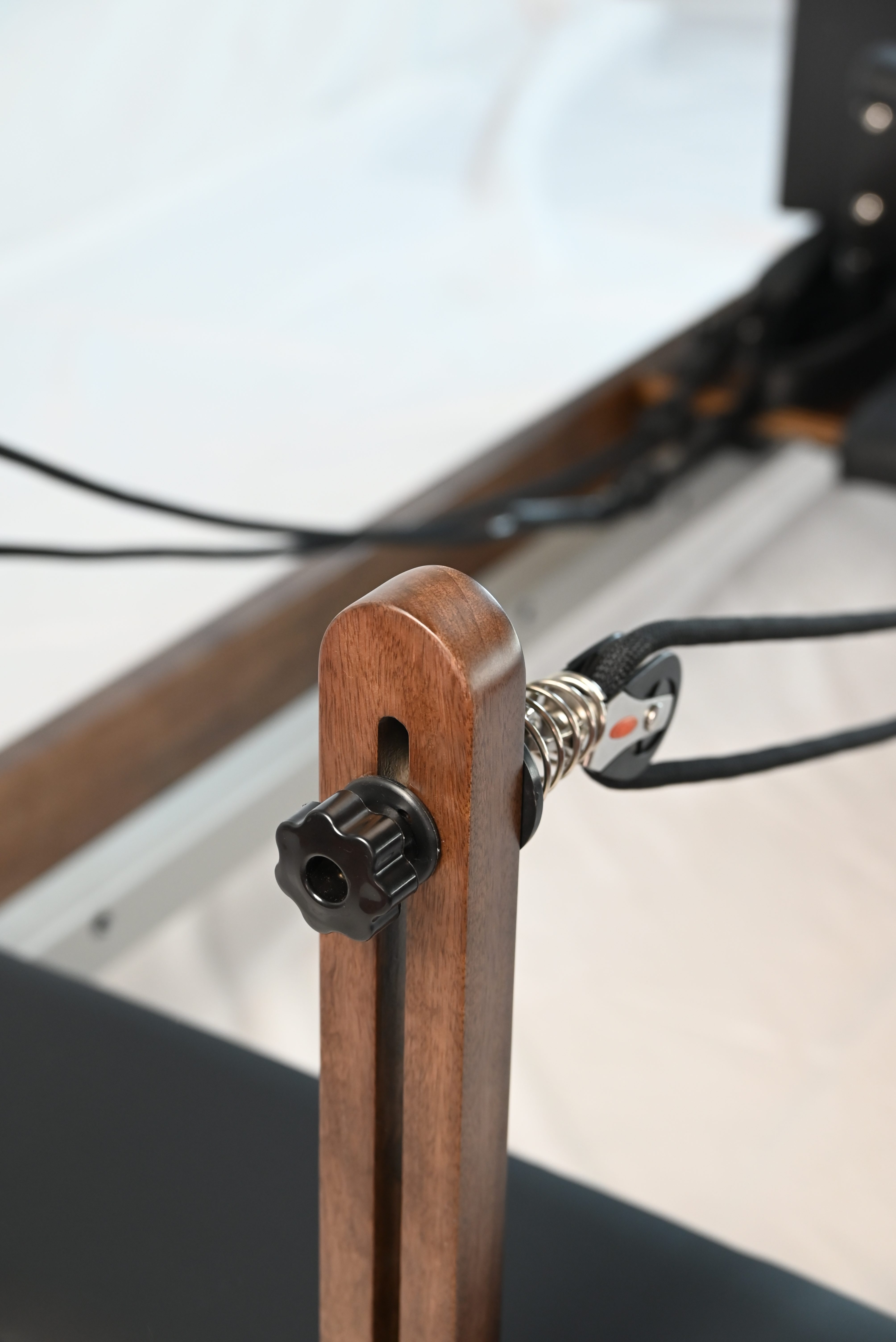
Before looking at specific levels, it helps to understand the levers available. Resistance can be changed by adding or removing springs, and by choosing spring attachment points that alter the angle of pull. Leverage can be changed by adjusting strap length, footbar position, and the distance between the carriage and the pulleys. Stability can be increased with additional support—a box, a pole, a spotter’s hand—or decreased by removing that support. Range of motion can be shortened or lengthened. Speed and tempo can be slowed for control or increased for challenge. Finally, the exercise itself can be regressed to a simpler movement pattern or progressed to a more complex one. Almost every adaptation in apparatus work comes from adjusting one or more of these variables rather than inventing a new exercise.
Working With Beginners
For newcomers, the priority is safety, confidence, and learning the language of the machine. Beginners benefit from fewer springs when learning to control the carriage, because excessive resistance encourages bracing and poor breathing. Start with exercises in a stable position—seated or lying supine—and use the footbar rather than straps where possible, since straps require coordination of multiple body parts. Keep the range of motion small and the tempo slow. Provide physical or verbal cues for alignment, and allow the client to pause and reset. A box under the feet or hands can make many exercises accessible. Crucially, beginners should be taught how to get on and off the carriage safely and how to check spring settings before every exercise. Confidence on the machine is built through repetition of simple, successful movements.
Adapting for Intermediate Practitioners
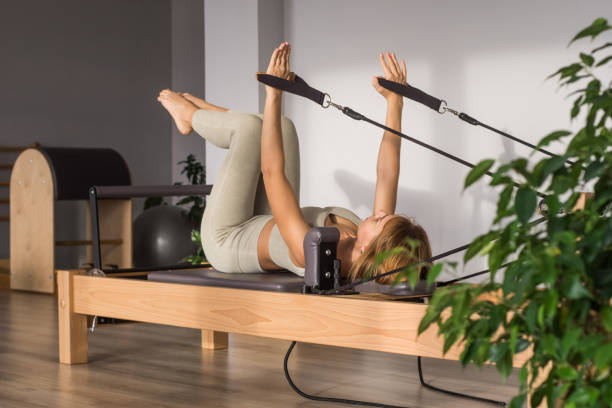
Intermediate clients have mastered basic coordination and can handle more complexity. This is where the instructor begins to layer variables. Resistance can be increased moderately, strap work can be introduced, and exercises can be combined into short flows. Range of motion expands, and tempo can vary—slow eccentric work to build control, slightly quicker concentric work for endurance. The intermediate stage is also where unilateral work becomes valuable, revealing side-to-side imbalances that bilateral exercises can hide. Instructors should watch for compensation patterns that emerge as difficulty rises, and be ready to regress an exercise when form deteriorates. The goal is to keep the client challenged without sacrificing quality of movement.
Challenging Advanced Clients
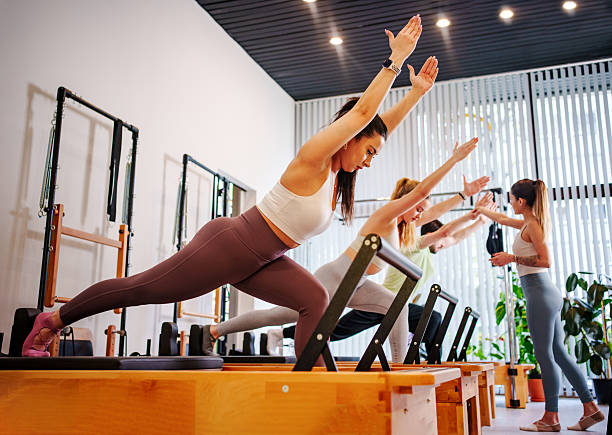
Advanced practitioners need complexity, not just more resistance. Adding springs indefinitely eventually compromises form; instead, challenge comes from reduced stability, longer levers, and more demanding coordination. Exercises can be performed standing on the carriage, with eyes closed, or with one limb supporting the body. Straps can be used in complex patterns that require the limbs to move independently. Range of motion can be taken to its functional limits, and tempo can be manipulated—slow, controlled movements with long holds, or explosive but precise transitions. Advanced work should still prioritize alignment and breath; difficulty is not an excuse for sloppy mechanics. The instructor’s role shifts from guiding the movement to refining it.
Adapting for Rehabilitation and Special Populations
Clients recovering from injury or managing chronic conditions require a different framework. Here, the apparatus becomes a support system that allows movement without loading vulnerable structures. Springs can provide assistance rather than resistance, helping a limb move through range when muscles cannot yet do the work alone. The cadillac’s roll-back bar, leg springs, and arm springs offer supported positions for gentle mobility. Sessions should progress slowly, with frequent reassessment. Medical clearance and communication with treating practitioners are essential. For older adults, the same principles apply: prioritize stability, use additional support, keep ranges comfortable, and never rush progression. The apparatus is uniquely suited to this population because it can make movement feel safe.
Practical Cues for Any Level
Regardless of fitness level, a few principles hold. Always teach the breath pattern before adding resistance. Check spring settings out loud with the client so the habit transfers to solo practice. Demonstrate the modification rather than describing it. Watch the whole body, not just the working limb—tension in the jaw, neck, or toes often signals that the exercise is too difficult. When in doubt, regress: a well-executed simpler exercise builds more than a sloppy complex one. And remember that progression is not always linear; clients have good days and difficult days, and the instructor should adapt to the person in front of them, not to a predetermined plan.
Conclusion
Adapting Pilates apparatus exercises is less about memorizing hundreds of variations and more about understanding a handful of variables—resistance, leverage, stability, range, tempo, and complexity—and adjusting them intelligently. Beginners need simplicity and confidence, intermediates need layered challenge, advanced clients need complexity, and rehabilitation clients need support. The apparatus itself does not decide who can use it; the instructor’s skill in modification does. That skill, developed over time, is what makes apparatus training genuinely inclusive.