How Distributors Can Train Local Pilates Technicians for On-Site Assembly and Repairs
If you sell commercial Pilates equipment to regional studios, your long-term competitiveness does not rest only on competitive pricing, reliable factory lead times, or premium wood and hardware. It hinges on local after-sales support. When a reformer, Cadillac, tower, or ladder barrel arrives at a busy studio, owners expect fast assembly, precise adjustments, and quick repairs when springs, carriages, rails, upholstery, or frame connections fail. For importers and distributors, building a network of trained local technicians removes one of the biggest friction points in bulk sales: long waits for factory technicians to travel cross-country.
Many distributors start by handling service themselves or sending factory specialists for every breakdown. That model works for a handful of large clients, but it scales poorly. Travel costs, scheduling delays, and time-zone gaps turn minor service calls into frustrated studio reviews, cancelled class slots, and lost repeat orders. Training local technicians creates a regional service ecosystem that protects your brand reputation while giving you a selling advantage over suppliers who only offer warehouse delivery.
Define Clear Technician Role Boundaries
Before launching any training program, separate which tasks local technicians can safely perform and which must escalate back to your team or the original manufacturer. This boundary prevents unsafe modifications and avoids warranty disputes.
Routine, approved on-site work includes full equipment assembly, levelling, rail alignment, spring replacement, pulley adjustment, tightening loose frame fasteners, surface scratch touch-ups, upholstery inspection, and annual preventive maintenance checks. Technicians should also photograph serial numbers, damage, and worn components for your records.
Escalation items include structural frame cracks, welding failures, non-compliant modifications, major hydraulic or custom electrical issues, warranty claim validation, and equipment that fails local safety standards such as EN 957. If a studio has suffered improper prior repairs, the technician must document the condition and avoid overwriting unsafe work without your formal approval.
Recruitment does not require candidates to already know Pilates equipment. Strong hires often come from furniture assembly teams, gym maintenance staff, handyman services, cabinet installers, or fitness equipment repair specialists. The most important traits are attention to detail, comfort with technical documentation, respect for safety rules, and reliable communication with studio managers.
Build a Standardised Training Curriculum
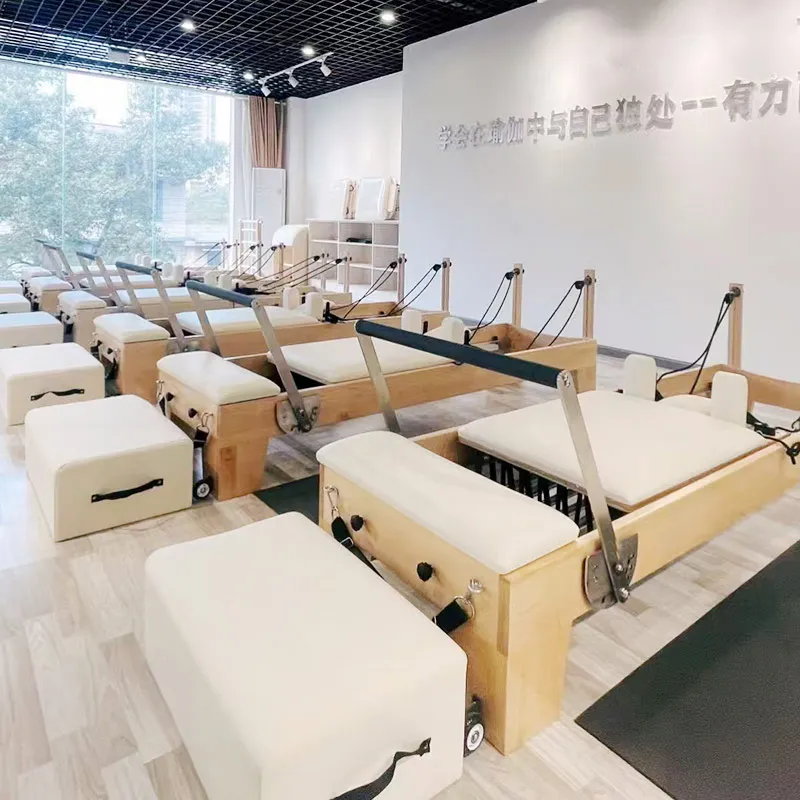
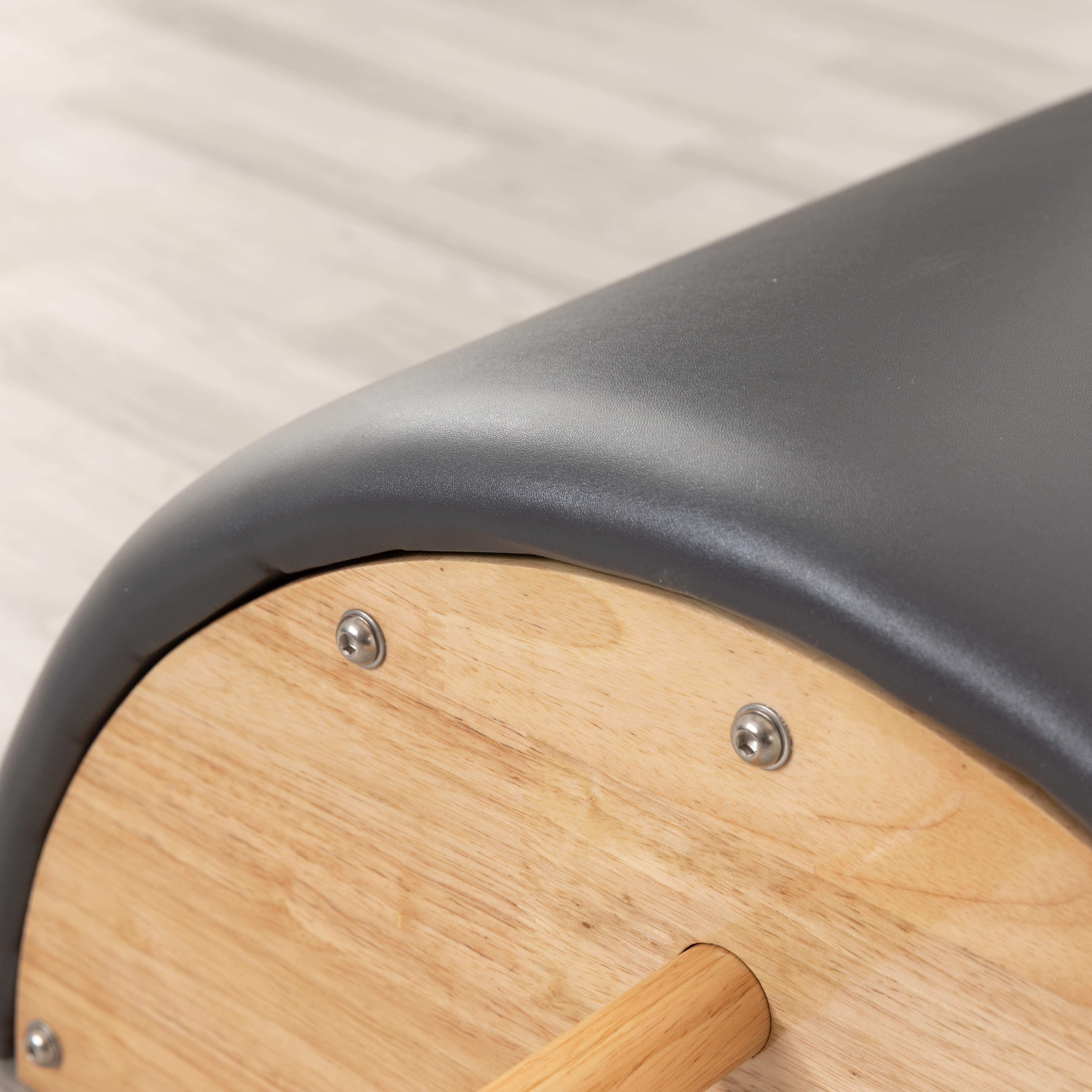
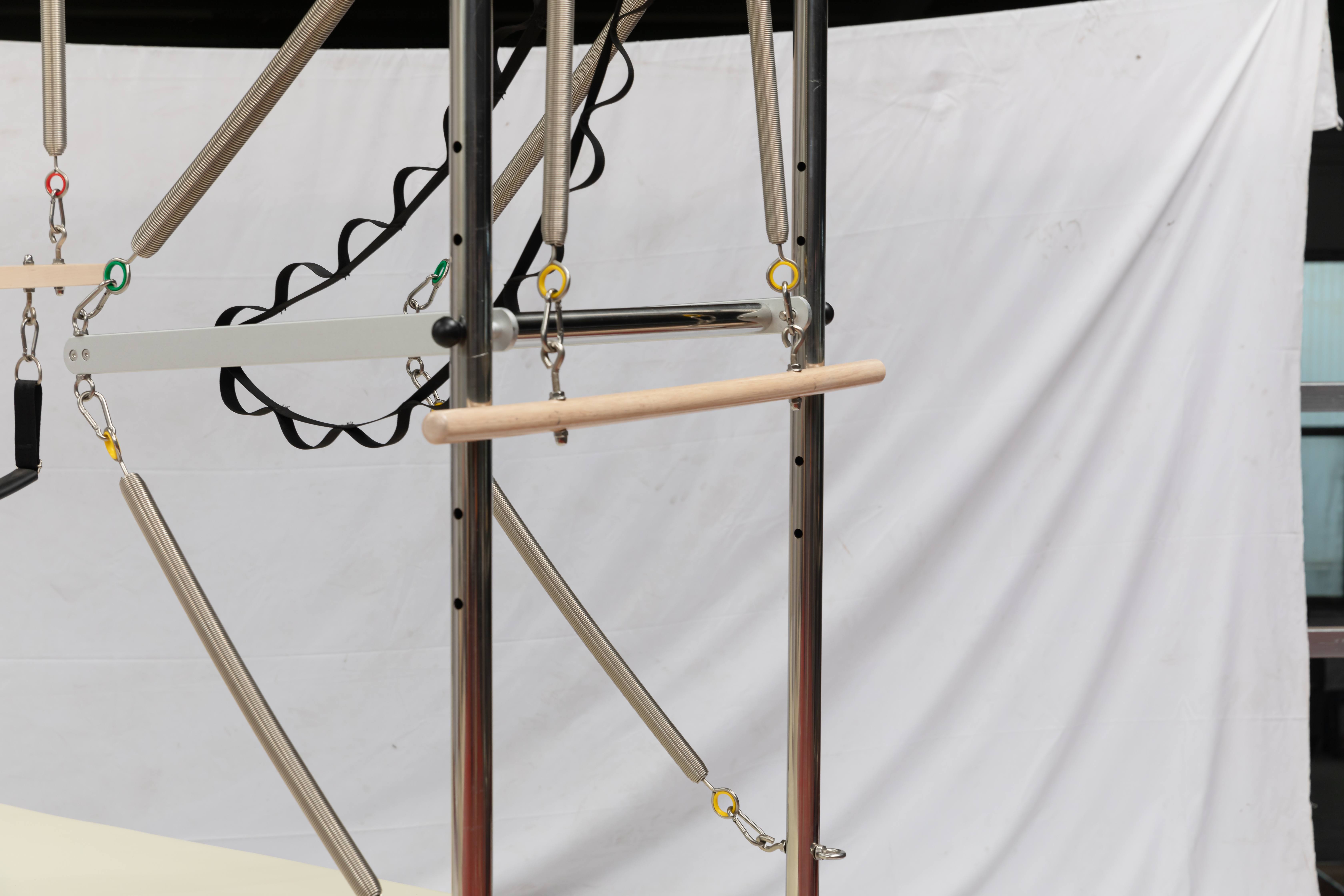
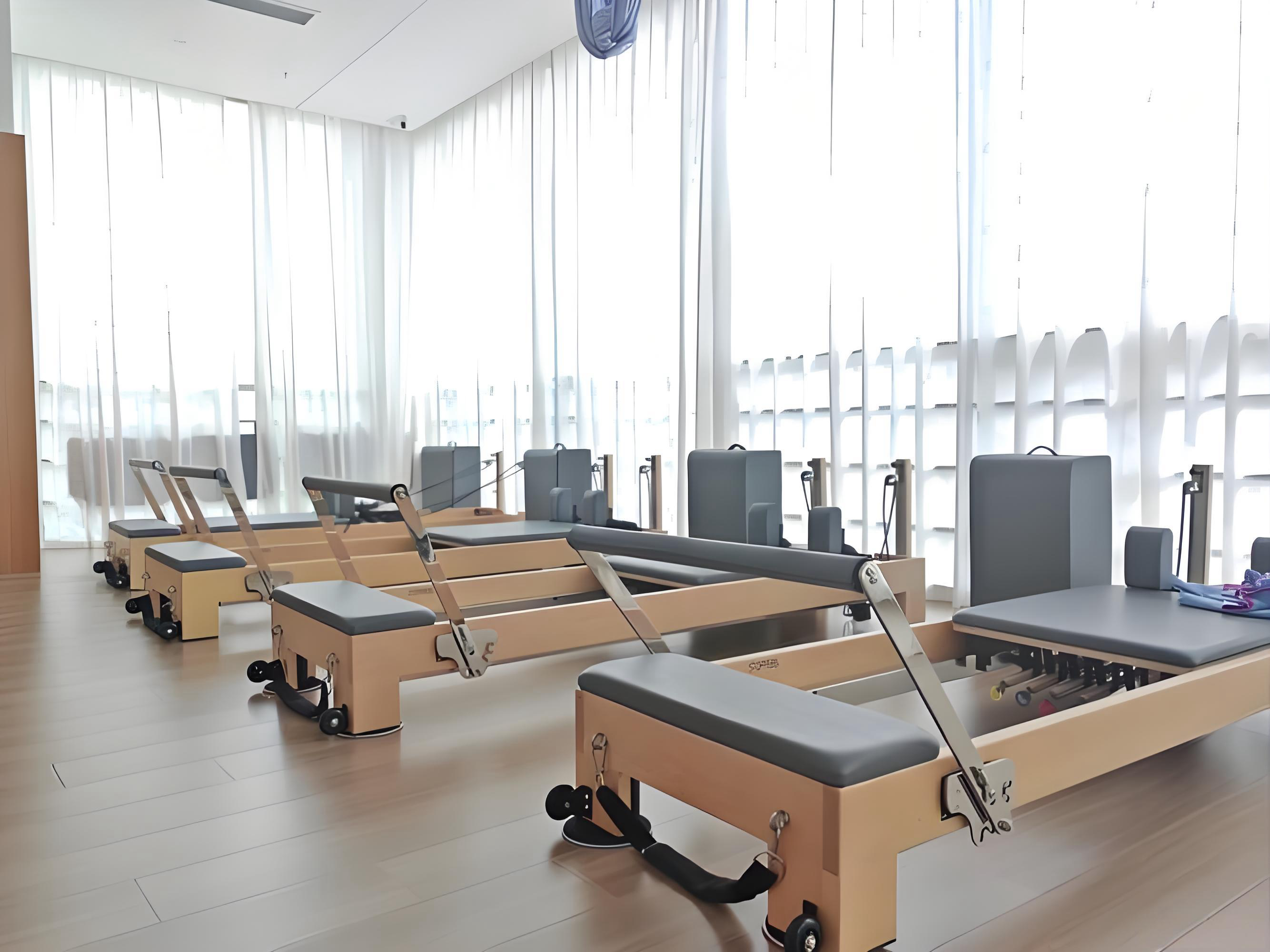
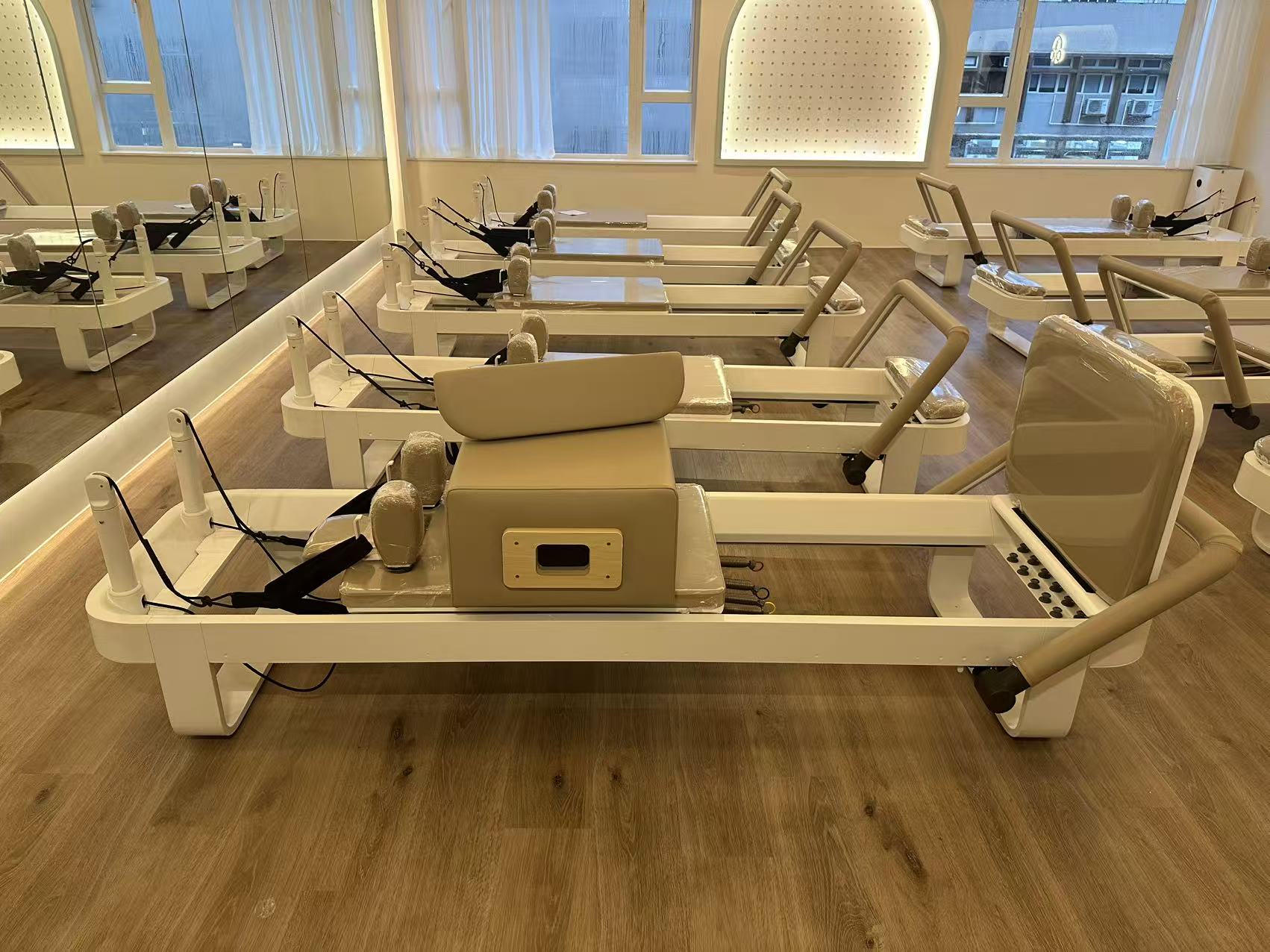
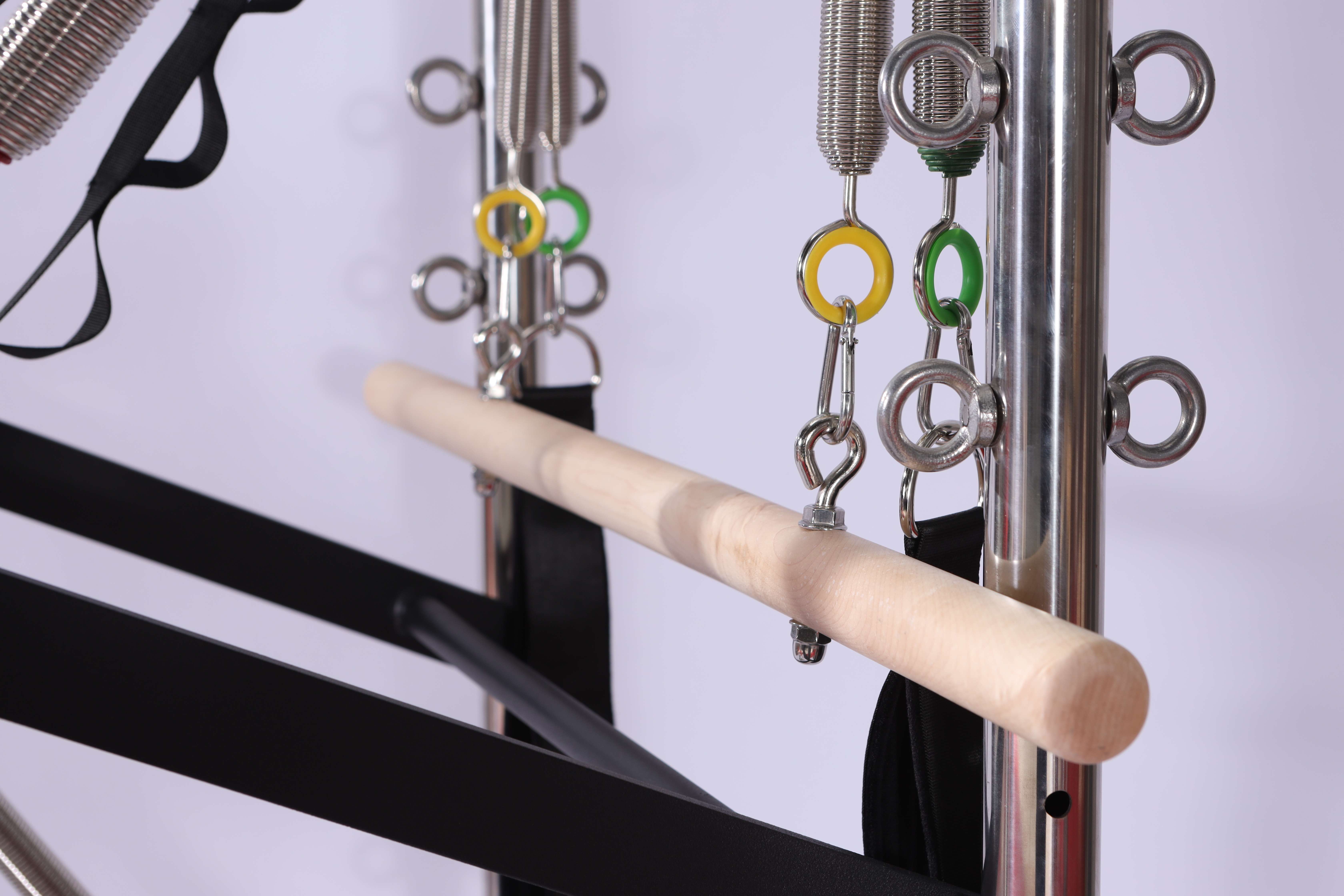
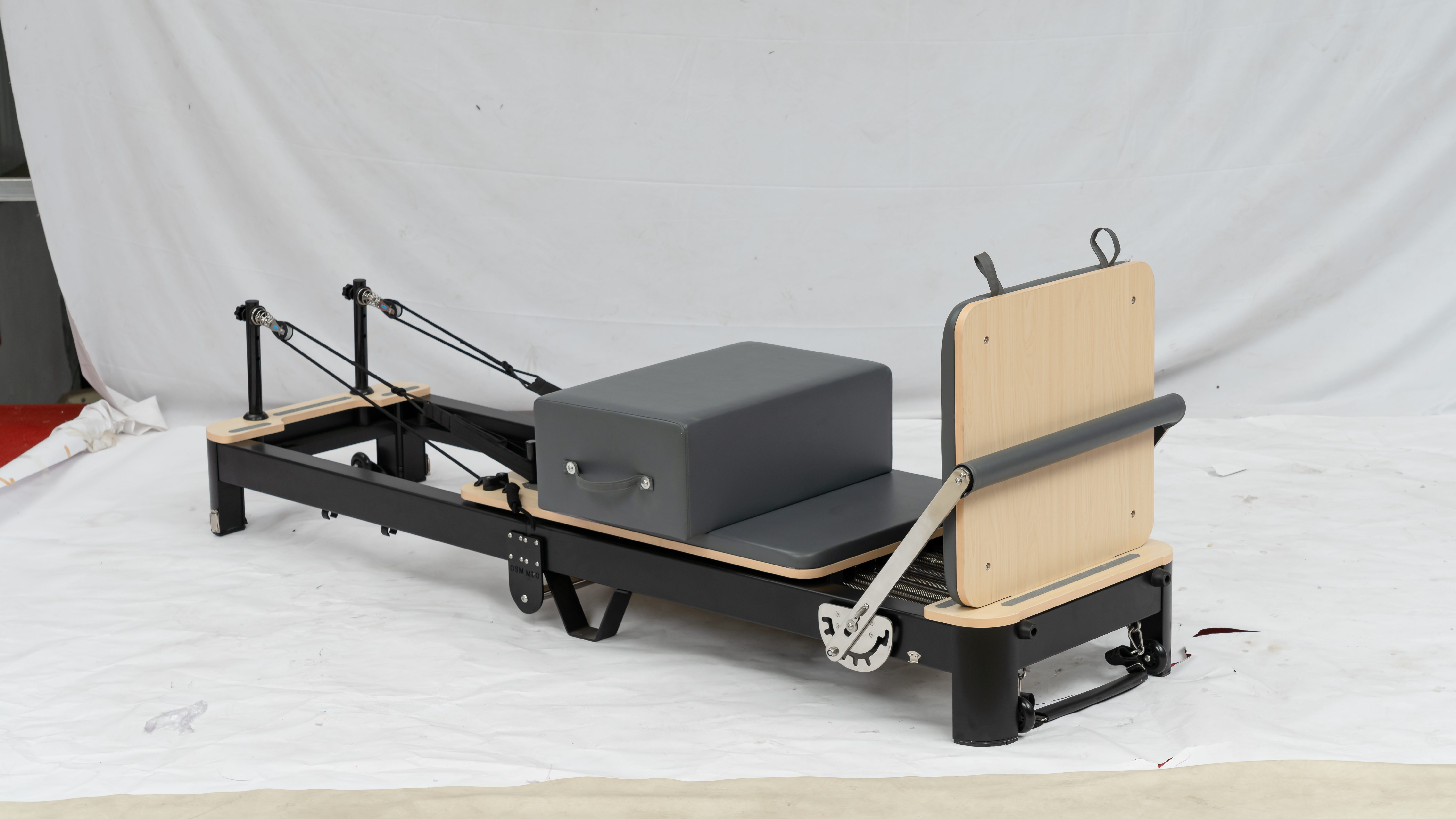
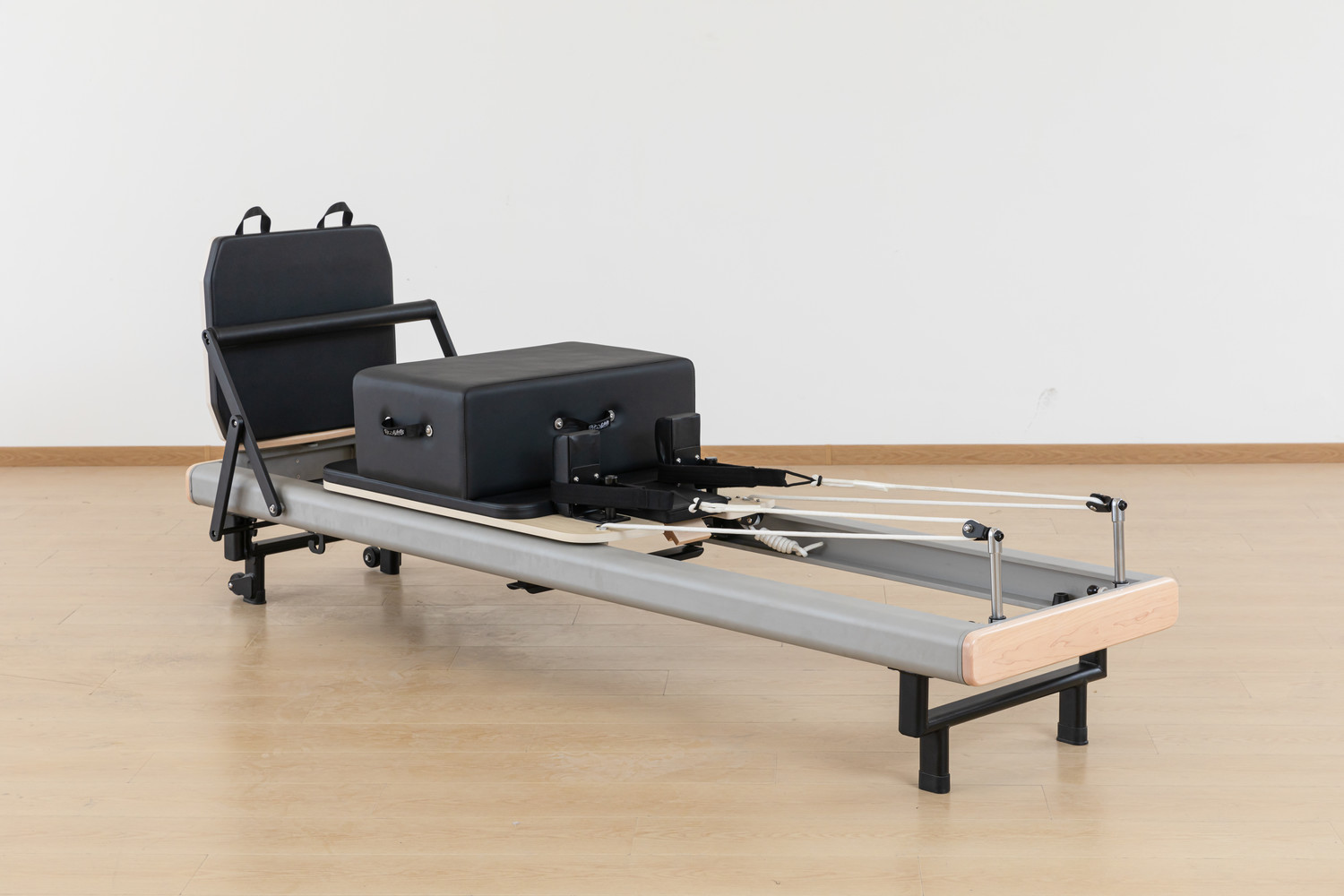
A scattered, informal training session will produce inconsistent service quality. Your curriculum should blend theory, hands-on practice, documentation training, and assessment. Start with product familiarisation: cover the full range you distribute, including wooden and aluminium reformers, wall towers, Cadillac frames, barrels, jump boards, and accessory racks. Explain material differences, such as solid hardwood frames versus aluminium profiles, PU upholstery care, spring tension ratings, silent carriage rail requirements, and load limits for each model.
Next, walk through assembly sequences step by step. Many service mistakes happen when technicians skip levelling or misalign carriage rails, which leads to premature wear, noisy movement, and uneven spring tension. Train trainees to use the factory assembly manual, torque specifications, and alignment gauges rather than relying on guesswork. Include a dedicated module on unpacking and pallet damage inspection, because identifying shipping damage before installation is critical for insurance and claims.
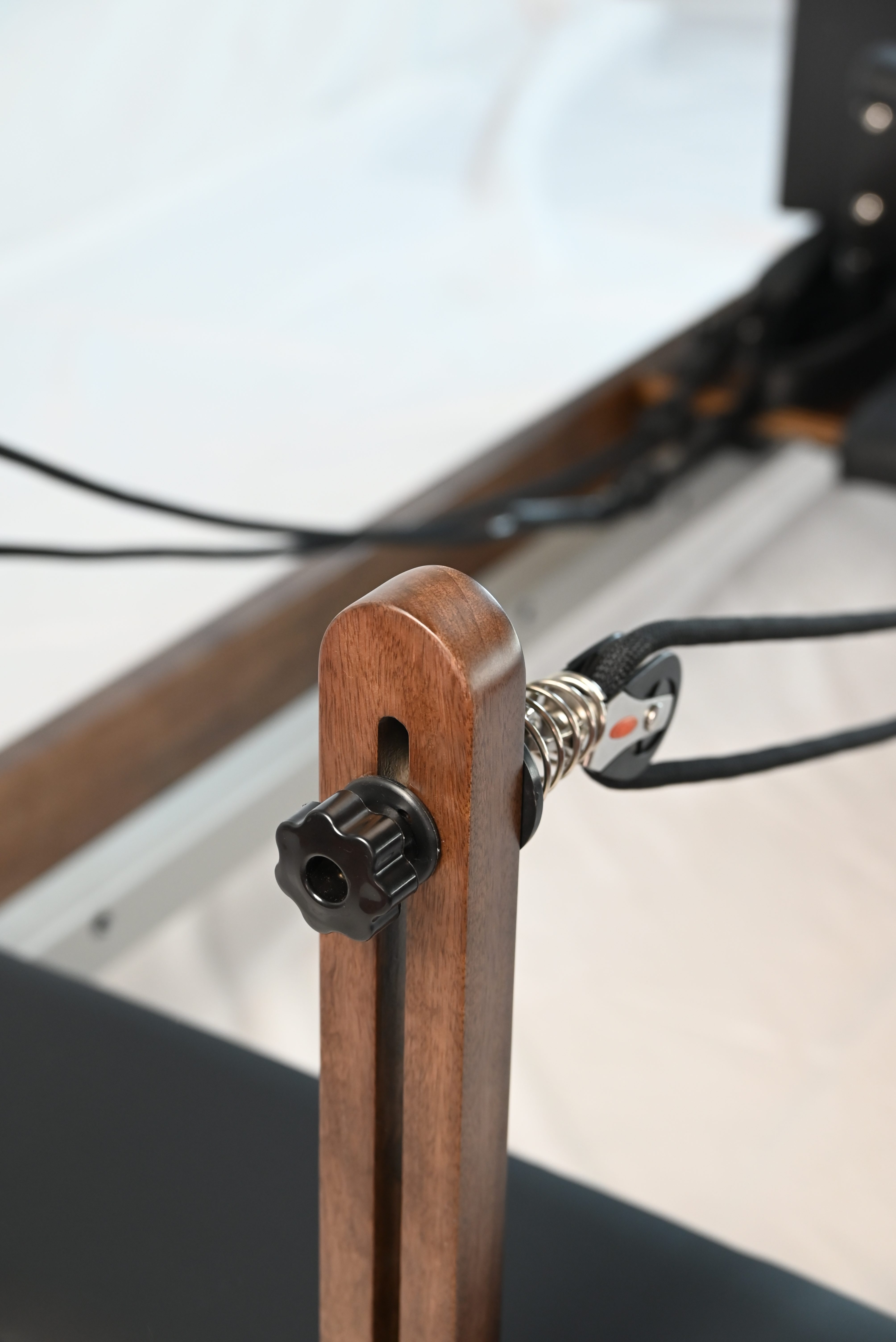
Repair training should be organised by common failure modes: stretched or fatigued springs, stuck carriage rollers, loose pulley brackets, torn upholstery, damaged foot bars, and floor anchoring problems. Teach technicians to identify whether a part failure falls under warranty, accidental client damage, or normal wear. This distinction is essential, because misstating warranty coverage will create conflicts between you, the studio, and your factory.
Safety must run through every module. Commercial Pilates apparatus supports repeated dynamic loading by instructors and clients. Improper tightening, wrong fastener substitution, or weak floor anchoring creates serious injury risk. Train technicians to confirm floor load capacity before installing heavy towers and Cadillacs, and to warn studio owners when their subfloor cannot safely support the equipment.
Finally, include administrative training. Technicians need to submit service reports, photo evidence, parts requests, and time logs. They should know how to communicate professionally with studio owners, explain repair timelines, quote non-warranty service fees, and avoid making promises outside your official terms.
Combine Hands-On Mentorship and Remote Support
Classroom videos and manuals alone are not enough. The most effective training mixes self-paced learning with supervised practical work. Send trainees a digital toolkit before live sessions: high-resolution assembly videos, exploded part diagrams, spare parts catalogues, torque guides, warranty rules, and a branded service checklist.
Host in-person training using demo units, ideally the same models your customers order. Let trainees unpack, assemble, adjust, partially disassemble, and simulate common repairs under your trainer’s supervision. After initial certification, pair new local technicians with a senior, experienced technician for shadowing on real studio jobs. This mentorship phase catches bad habits before they reach paying clients.
Even fully trained technicians need ongoing remote backup. Set up a dedicated support channel for service calls. When a technician encounters an unfamiliar fault, they can send photos, short video clips, and serial numbers so your team or the factory engineering team can diagnose quickly. This hybrid model keeps service fast without requiring every technician to memorise every custom configuration.
Create a clear spare parts workflow for your service network. Local technicians should not hold large, expensive inventory unless your business model supports consignment stock. Instead, they submit a parts request, and your warehouse ships replacement springs, rollers, upholstery panels, bolts, or rails directly to the studio or the technician. Standardise part codes, packing lists, and lead-time estimates so technicians can give studios realistic timelines.
Certify, Track, and Set Service Standards
Use a formal certification process. Trainees should pass a written assessment covering safety, warranty rules, and part identification, plus a practical evaluation where they assemble, align, troubleshoot, and complete a full service report correctly. Only certified technicians should appear on your official service list and be authorised to represent your brand on-site.
Once certified, define consistent service standards. Set expected response windows: for example, 48 hours for routine maintenance and three to six hours for urgent breakdowns at high-traffic studios. Publish transparent rate cards for labour, travel, and non-warranty parts, so technicians and studio owners both understand pricing upfront.
Keep a central technician database. Record certification status, the equipment models each technician is qualified to service, service history, customer feedback, and performance notes. Retrain technicians when you launch new models or update safety requirements. Annual refreshers help maintain quality and introduce revised assembly or repair methods from your factory.
Integrate Technician Training Into Your Sales Proposition
Your trained local service network is a powerful sales asset. Distributors can highlight on-site assembly, local preventive maintenance, and fast regional repairs in sales conversations, proposals, and marketing materials. Studio owners and multi-location operators often choose a slightly higher-priced supplier when they know service will not require waiting weeks for remote support.
You can package service in multiple ways: one-time assembly fees, annual maintenance subscriptions for studio fleets, priority service retainers for high-volume clients, and separate repair billing for out-of-warranty damage. Many distributors also offer service bundles alongside spare parts packages, creating recurring revenue beyond one-off equipment sales.
Manage Risks and Protect Your Warranty
Training reduces risk, but it does not eliminate it. Every technician should carry appropriate liability insurance for on-site work. Your service agreement must state that unapproved modifications, misuse, improper anchoring, and repairs done by non-certified personnel void the manufacturer warranty.
Make sure technicians never rebrand or alter safety labels, load markings, or serial numbers. If a studio requests custom modifications, the technician must refer the request back to you rather than adapting the frame or hardware on location. Document every service visit thoroughly. If a future injury or insurance claim arises, dated service reports, photos, and technician notes provide critical proof of proper work.
Final Thoughts
For Pilates equipment distributors, local technician training turns after-sales support from a cost centre into a competitive moat. Instead of relying on factory travel and delayed service, you build a distributed network that can assemble, tune, maintain, and repair apparatus where your customers operate.
The best programmes start with clear task boundaries, structured hands-on training, remote backup, formal certification, and transparent service pricing. When local technicians show up reliably, understand the equipment, and communicate professionally, your studio clients gain confidence, your warranty claims become easier to manage, and your distribution business becomes the preferred supplier for regional Pilates fit-outs.