Import Tariff Classification: HS Code Clarification for Pilates Reformers and Small Accessories
For Pilates equipment importers and regional distributors, Harmonized System (HS) coding is far more than a box to tick on customs paperwork. Misclassification of reformers, towers, barrels, springs, straps, foot straps, jump boards, and other small accessories can trigger unexpected customs delays, extra duty charges, post-clearance audits, fines, or seized shipments. Many new Pilates distributors learn this lesson the hard way: lumping a complete reformer and its spare accessories under one single HS code often leads to inconsistent rulings across different ports and European, North American, or Australian border authorities.
This guide breaks down the core classification logic, distinguishes between assembled Pilates reformers and loose accessory parts, flags common misclassification traps, and outlines practical steps you can use to keep your import declarations consistent and defensible. It is written for buyers sourcing commercial Pilates apparatus directly from Chinese factories, white-label resellers, and studio supply distributors who mix full equipment orders with bulk accessory replenishment.
The Core Question: Is It Fitness Machinery, Furniture, or Parts?
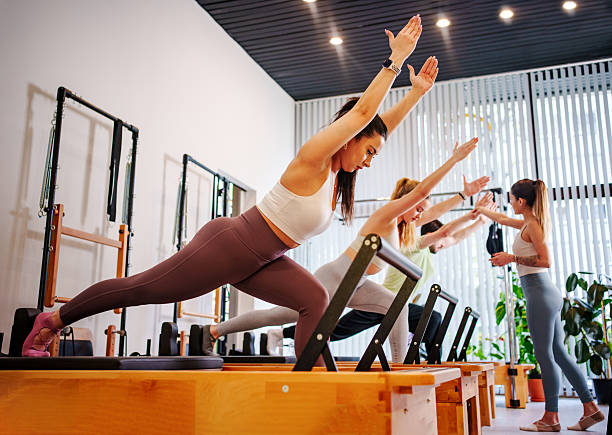
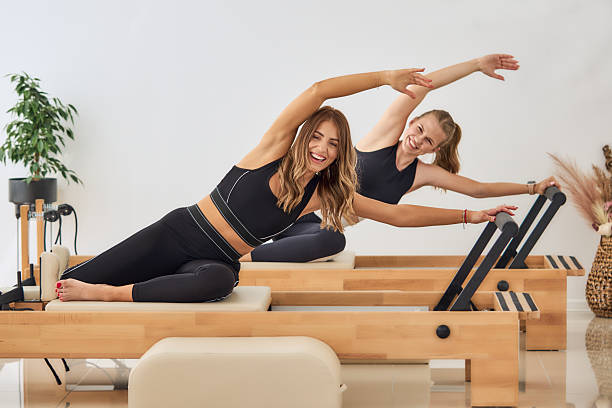
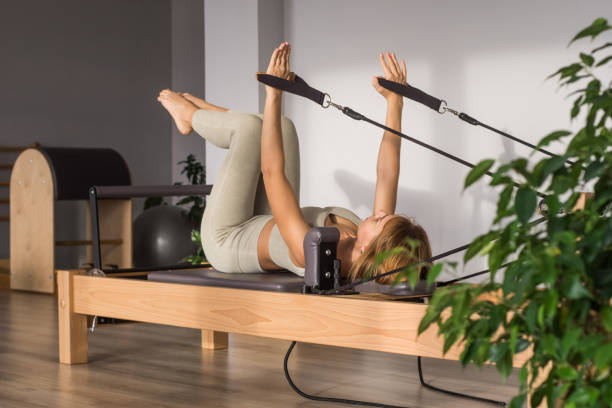
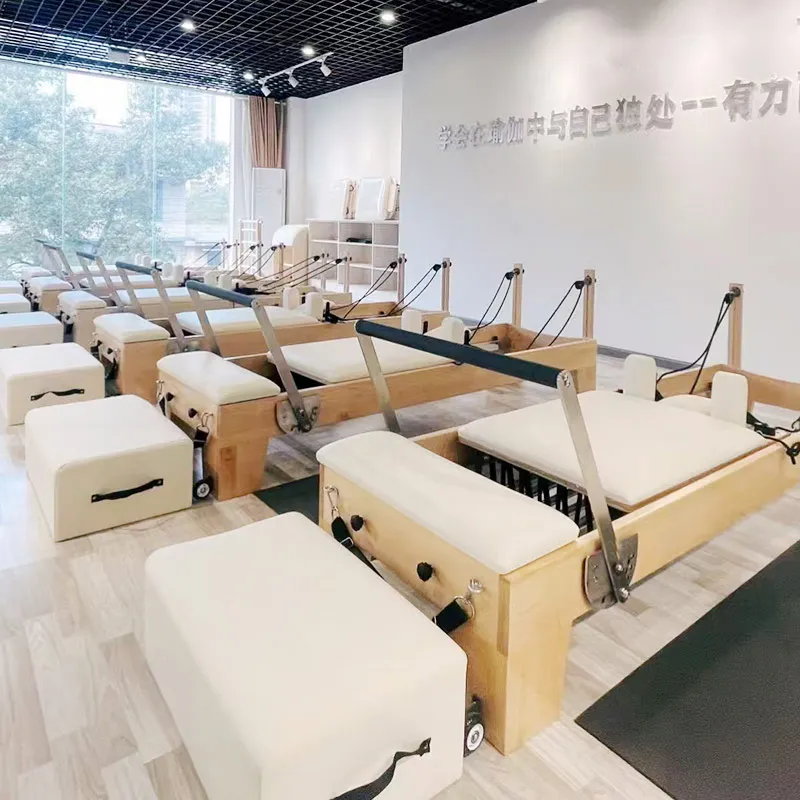
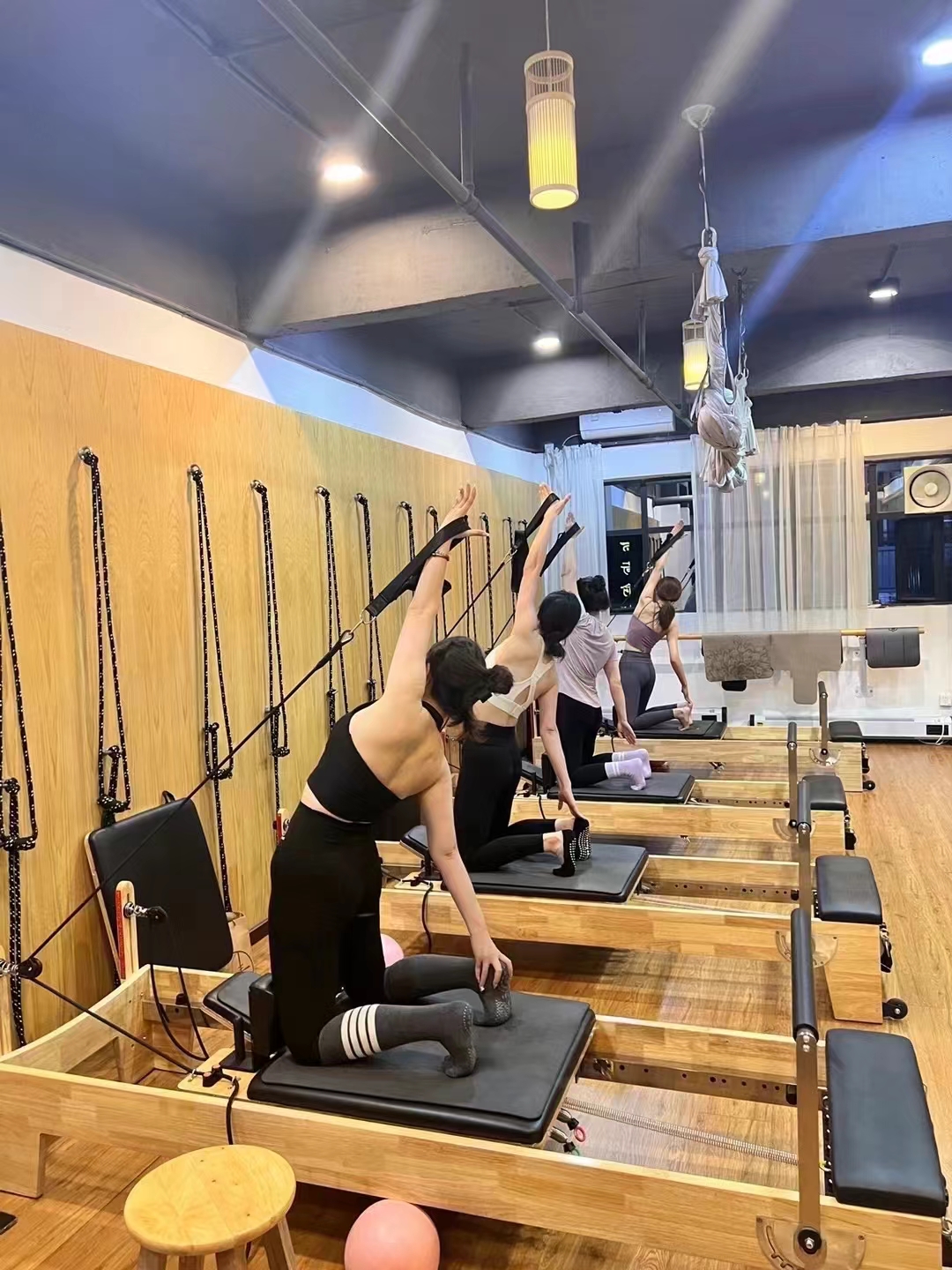
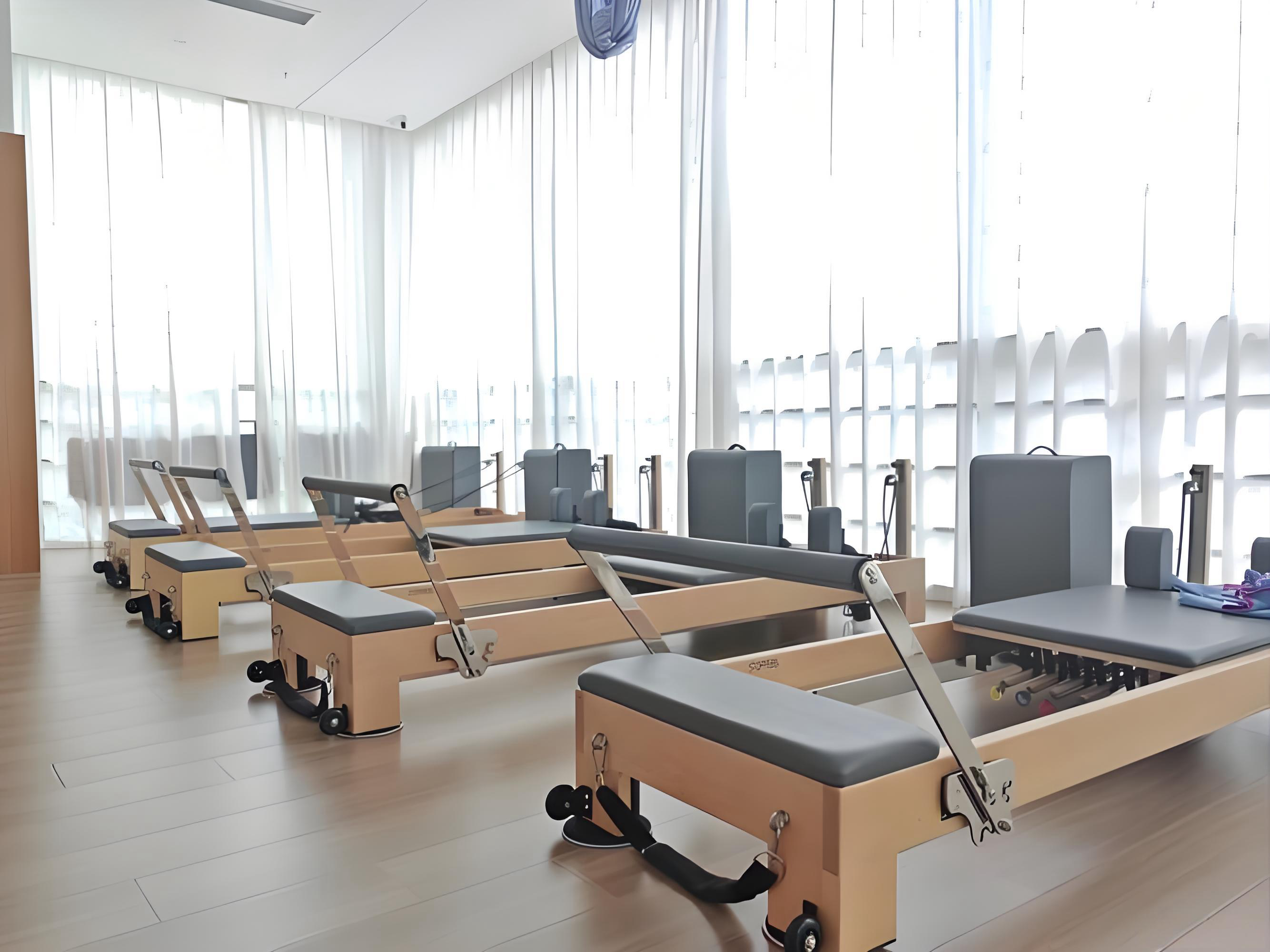
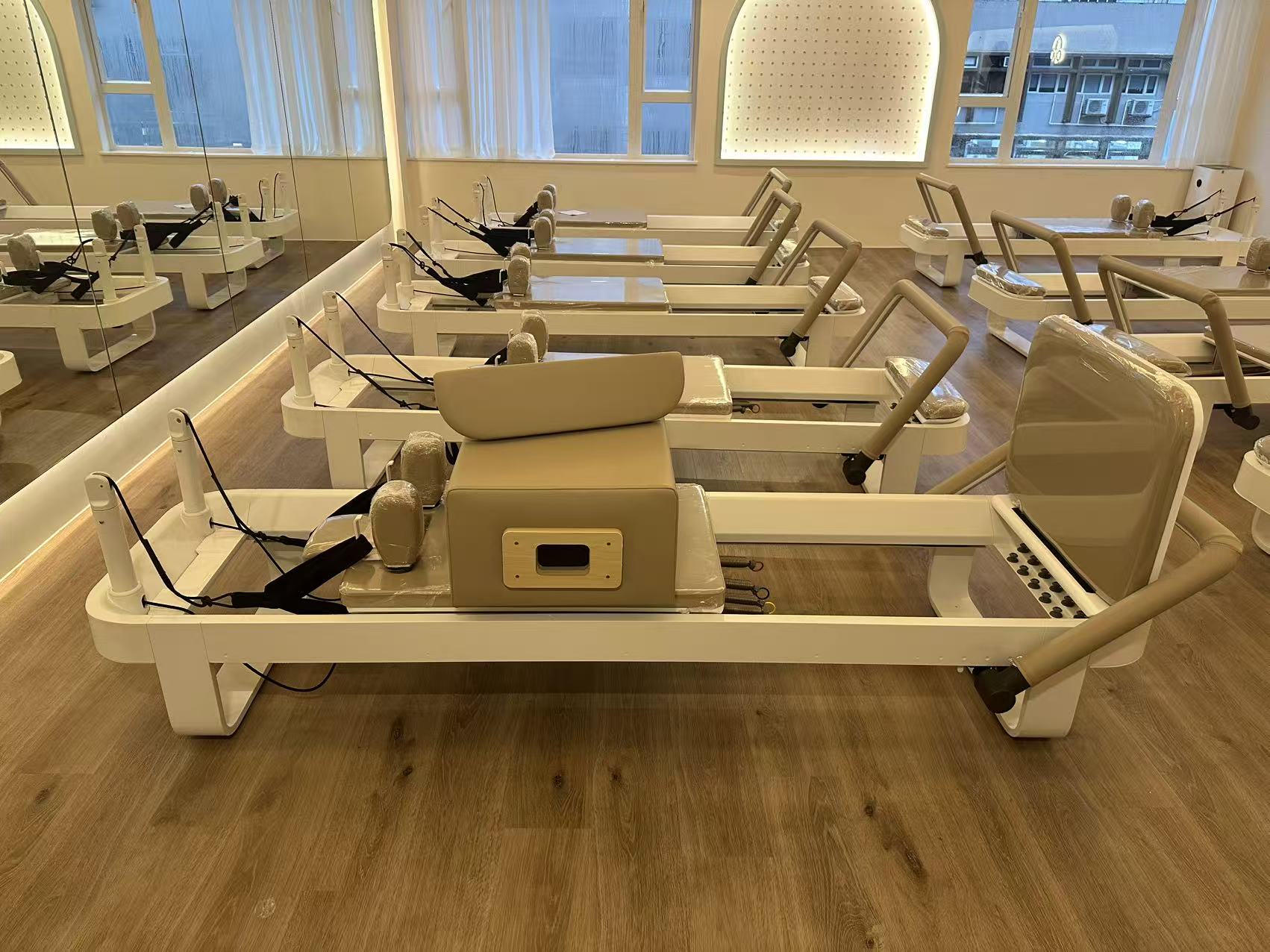
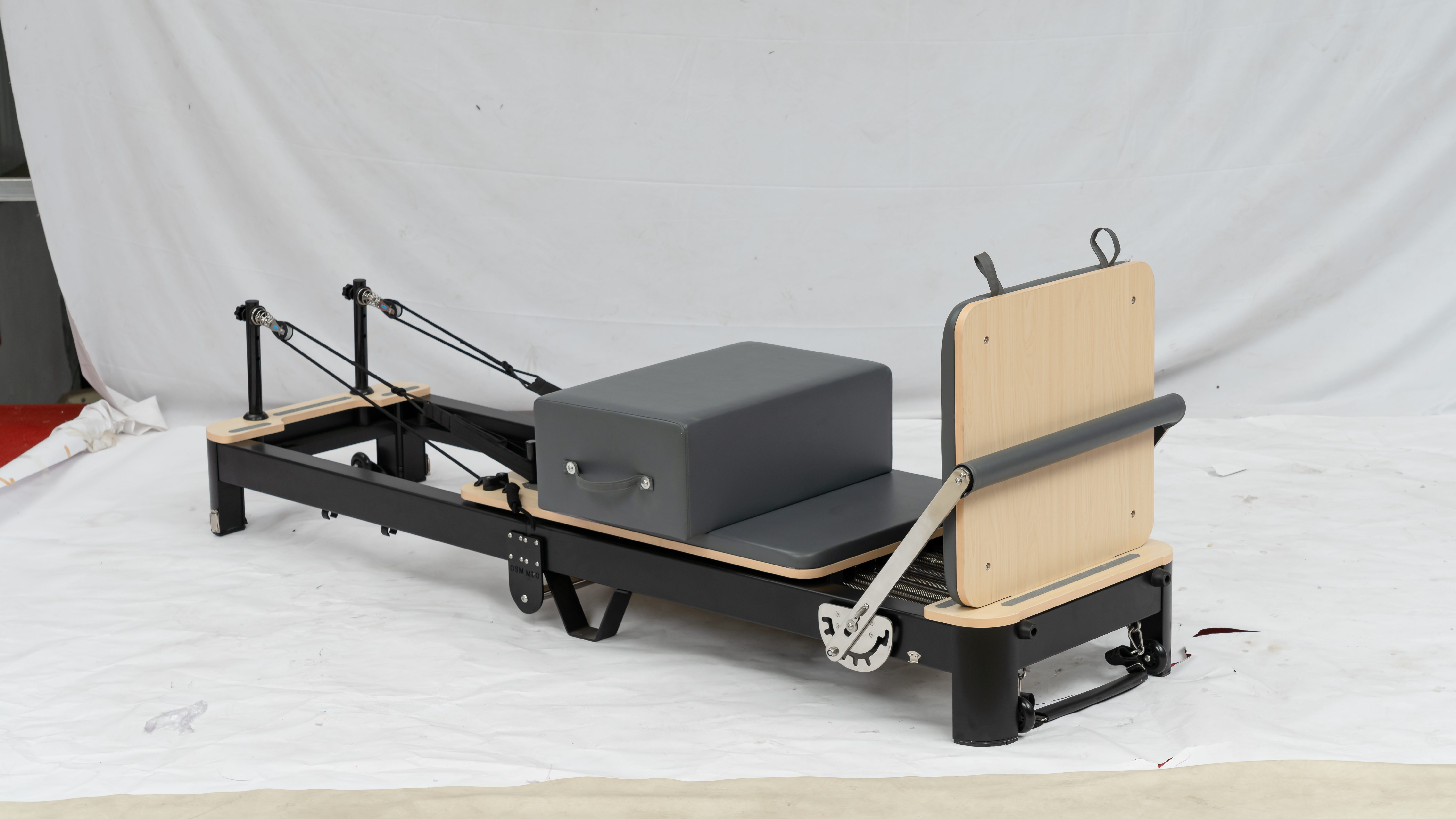
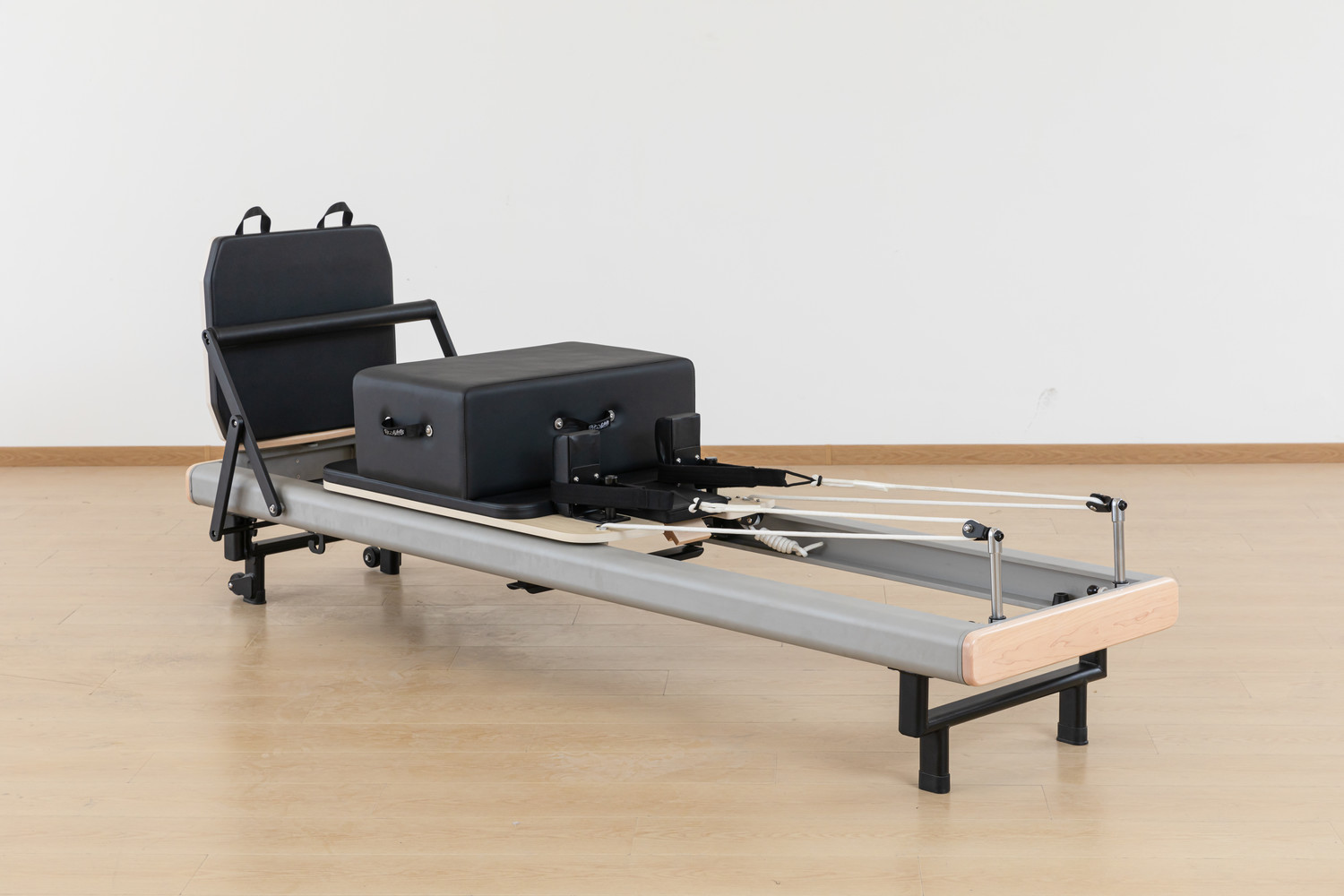
The biggest source of confusion comes from the hybrid design of a Pilates reformer. A typical reformer combines a sturdy frame, sliding carriage, springs, pulleys, straps, foot bar, headrest, and upholstered platform. Visually, it looks partly like furniture and partly like specialised therapeutic fitness equipment. Customs officers will decide classification based on the primary function of the goods, not just materials such as solid maple, aluminium, PU upholstery, or steel hardware.
A fully built, functional Pilates reformer, Cadillac, or wall tower is generally classified under HS chapters covering gymnastic, athletic, or fitness apparatus. The key test is whether the item is designed specifically for exercise, rehabilitation, and controlled resistance training. If the item cannot perform its intended Pilates movement work without its integrated mechanical resistance system, its primary character is fitness equipment, not wooden furniture or ordinary seating.
This distinction matters because furniture codes and fitness machinery codes carry different duty rates, and they also trigger different product safety documentation checks. For example, a customs inspector may reject a declaration under wooden furniture codes once they identify the spring resistance, sliding carriage, and exercise-focused structure. Reclassifying mid-shipment creates costly hold-ups at the port.
HS Code Logic for Complete Pilates Reformers
When importing a finished, assembled reformer or a knock-down (KD) kit that contains all required components for a complete working unit, the rule of “essential character” applies. Even if the shipment arrives unassembled in separate crates — frame in one package, carriage and spring set in another — the whole set normally takes the HS code of the complete apparatus, provided all necessary parts for one functional reformer are shipped together and invoiced as a single unit.
You should clearly state on your commercial invoice and packing list: “Complete Pilates Reformer, knock-down set, all components included for one operational unit, intended for studio fitness and therapeutic exercise.” Avoid vague descriptions such as “wood frame” or “gym furniture.” The invoice description must mirror the function that supports your chosen tariff heading.
It is critical to note that HS subheadings and local national extensions differ by country. The base six-digit HS number is globally standardised, but the 8-digit or 10-digit tariff codes, duty percentages, and admissibility rules change in the EU, United States, United Kingdom, Canada, and Australia. A code accepted by one country’s customs administration will not automatically carry over to your next destination market. Before confirming a large container order, request a binding ruling or consult a local customs broker familiar with fitness and rehabilitation apparatus.
Separate Classification for Loose Pilates Accessories and Spare Parts
This is where most distributors make expensive mistakes: ordering standalone accessories and spare parts and listing them under the same HS code as full reformers. When accessories are shipped separately, not bundled as part of a complete machine, they must be classified according to their own material and function.
Common split classifications look like this:
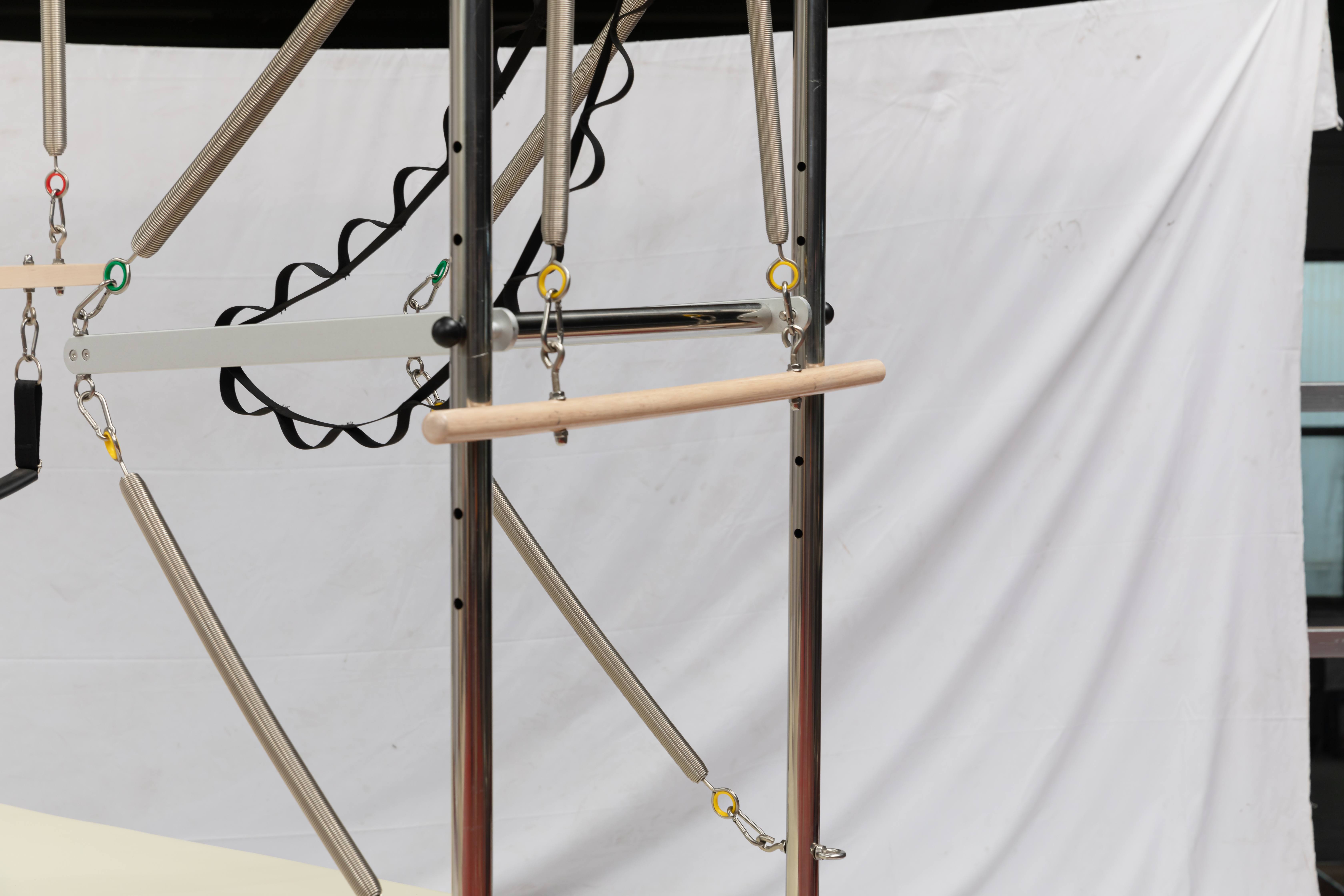
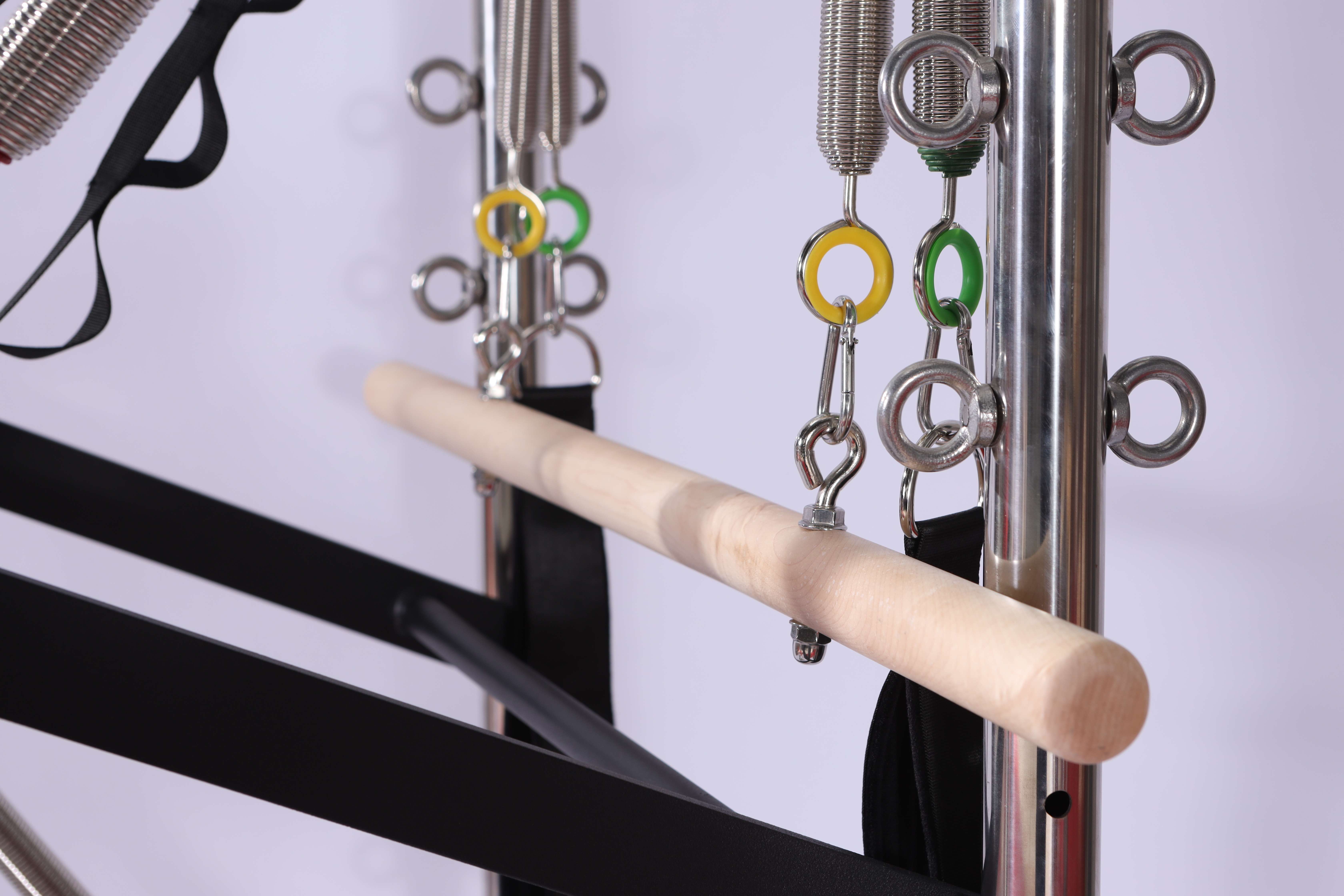
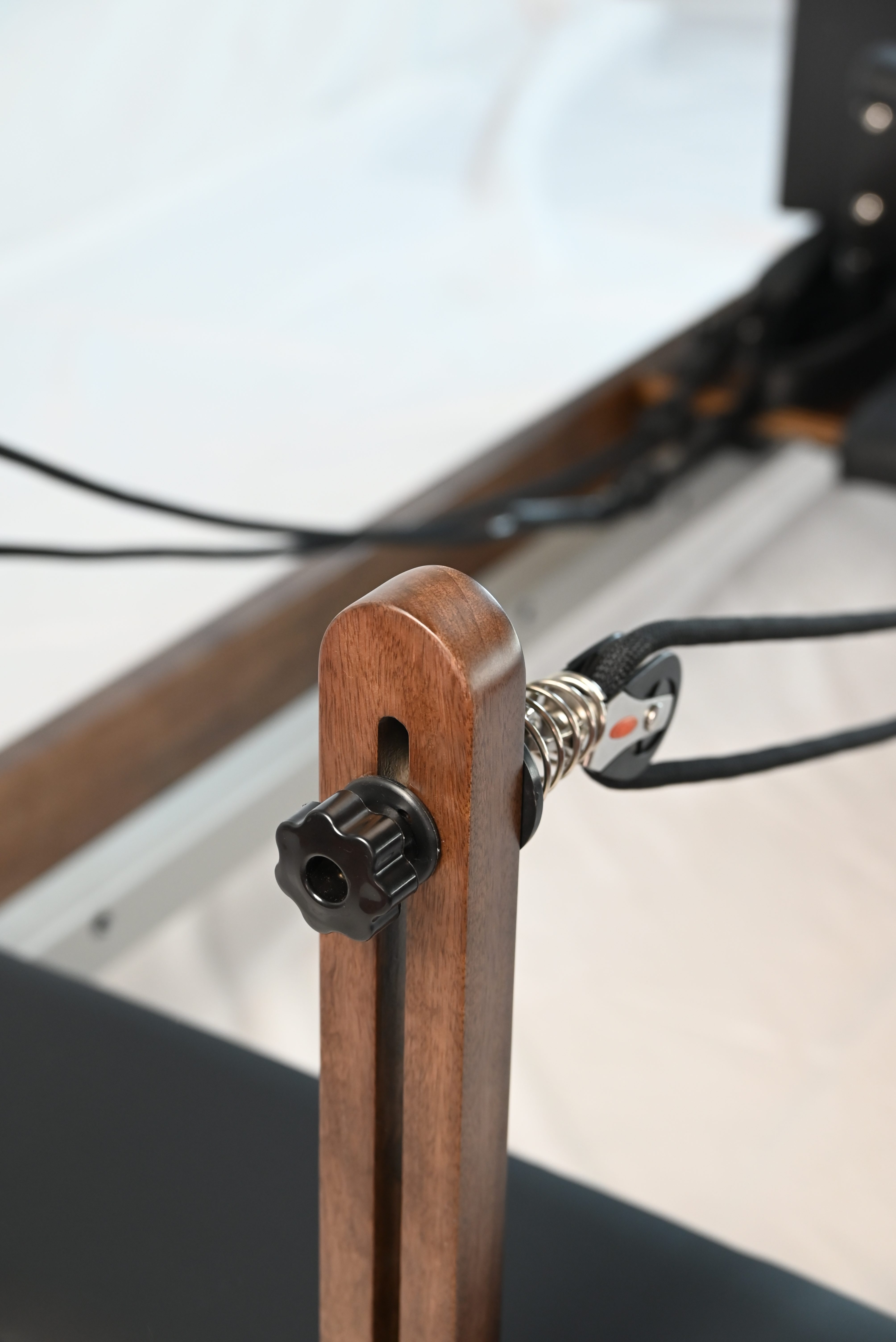
- Springs and steel hardware: Loose replacement Pilates springs, bolts, pulley axles, and metal brackets fall under metal articles or springs of iron and steel. They are not automatically treated as fitness machine parts unless your local tariff has a specific provision for spare parts of athletic equipment.
- Nylon webbing, straps, foot loops, and handles: Fabric webbing and straps usually classify under textile articles, depending on construction.
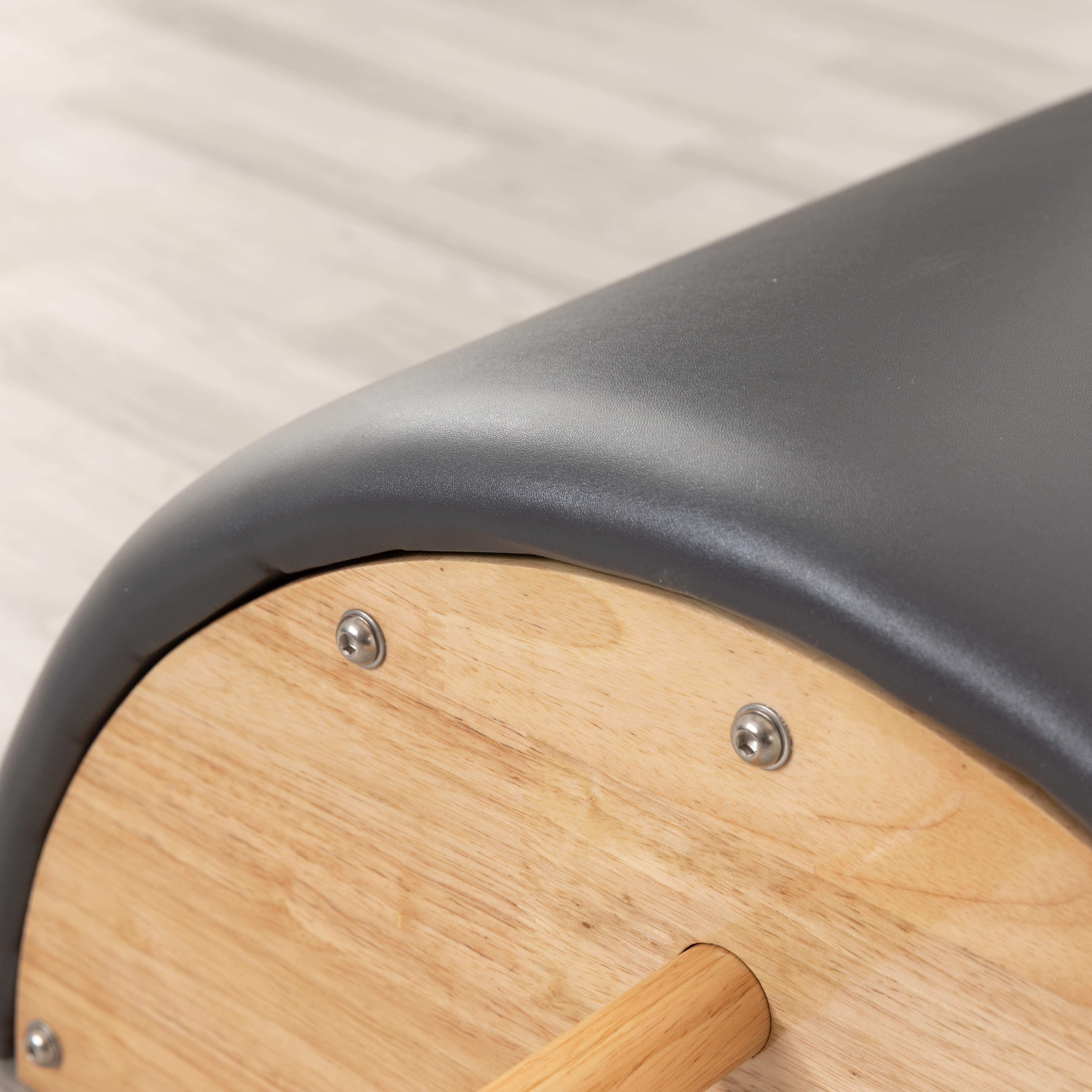
- PU upholstery, replacement carriage pads, headrest cushions, and blue foam inserts: These upholstered or foam components are classified by their dominant material, often under articles of plastic or foam, rather than fitness equipment.
- Jump boards, wooden ladder barrel sections, and non-integrated platforms: If sold separately, these are not “parts of a reformer” unless they are designed exclusively as replacement components for a specific apparatus model. Multi-purpose boards or standalone barrels may need their own fitness-equipment heading.
- Pulleys and carriages sold individually: If these are proprietary replacement parts for your branded reformer line, you may argue classification as parts of fitness machinery, but you need supporting documentation: part numbers, exploded assembly drawings, and proof that the component has no substantial alternative use.
The “parts” classification privilege is narrow. Customs agencies reject part claims when an item has a general-purpose use. A steel spring that can be used on gates, industrial machinery, and many other products will not automatically qualify as a Pilates machine part. Your documentation must prove the item is custom-shaped, sized, and branded only for your Pilates apparatus.
Common Misclassification Risks to Avoid
The first frequent error is declaring a reformer under general wooden furniture or wooden seating codes to chase a lower duty rate. This tactic often backfires during post-entry audits. Customs can retroactively reclassify the shipment, collect back duties plus interest, and flag your importer ID for future inspections. For distributors selling to dozens of local studios, repeated audits slow down every incoming container.
A second mistake is mixing complete reformers and bulk loose accessories inside the same 20GP or 40HQ container while using only one HS code on the invoice. Even if the accessories are for your own after-sales spare parts package, separate lines with separate HS descriptions and tariff headings are required. Consolidating everything into a single line-item description is a red flag for customs examiners.
Third, many suppliers and buyers confuse rehabilitation medical devices with standard fitness apparatus. If you market your reformer for clinical physiotherapy and medical rehabilitation, some markets may require medical device registration and different tariff treatment. If your primary use is commercial fitness studio group classes, you should avoid medical phrasing unless you have completed the relevant medical conformity and registration work. Descriptions should be consistent across your website, sales contracts, and customs documents.
Fourth, white-label orders create extra complexity. Adding your private logo does not change HS classification on its own, but it increases the expectation that your documentation is consistent. If your factory invoice describes the goods as “gym machine” while your import filing calls it “custom furniture,” the mismatch invites scrutiny.
Documentation Checklist to Support Your Classification
Strong paperwork is your best defence if customs questions your tariff choice. Prepare this package for every shipment:
- Commercial invoice with separate line items for complete units and standalone accessories, including clear functional descriptions and part numbers.
- Packing list showing which cartons hold finished sets and which hold spare parts or accessory bundles.
- Product photos and exploded component diagrams showing the assembled reformer, highlighting the spring resistance and sliding carriage system.
- Factory specification sheet stating intended use: commercial Pilates studio training, exercise, and movement rehabilitation.
- Safety and compliance documents, such as EN 957 test certificates for European imports, linked to the correct product description.
- A written note explaining whether accessories are sold as replacement spare parts or as universal Pilates training accessories.
Keep these records for several years. Many customs authorities can audit entries months or years after the goods have cleared and been delivered to your studio clients.
Practical Import Strategy for Distributors
For distributors running mixed inventory models, separate your shipments strategically when possible. One container dedicated to complete reformers, towers, and barrels simplifies classification and reduces inspection risk. A second smaller LCL shipment can carry bulk spare springs, straps, foam pads, and hardware, declared under their respective material-based HS codes. This separation also makes it easier to allocate costs, track after-sales inventory, and quote accurate landed cost to your studio buyers.
If you must combine finished units and spare parts in one container, do not combine them on a single invoice line. List each commodity separately, assign the correct HS code to each line, and mark the physical carton numbers so inspectors can locate accessories quickly without unpacking every reformer crate.
Work with your supplier to standardise descriptions. Many Chinese factories default to simple labels such as “gym equipment” that are too broad. Give your factory a fixed, approved wording template for reformers, spare parts, and accessory bundles so every proforma invoice follows the same classification logic.
Final Takeaway
HS classification for Pilates equipment turns on one central idea: primary function. A complete Pilates reformer is fitness apparatus. Loose accessories and spare parts are classified by their own material and use, unless they are uniquely designed replacement components for your machine.
Small mistakes in HS coding do not only add unexpected cost; they threaten your ability to reliably supply local studios during peak opening seasons. By separating finished units from accessory shipments, writing precise invoice descriptions, validating national tariff extensions with your broker, and keeping technical documentation ready, you can reduce clearance delays, minimise audit risk, and build more predictable landed pricing for every bulk Pilates equipment order.