Pilates Apparatus for Rehabilitation: What Trainers Need to Know

Rehabilitation is one of the fastest-growing applications of Pilates apparatus. Physical therapists, occupational therapists, and clinical professionals are increasingly integrating reformers, cadillacs, and chairs into treatment plans for conditions ranging from chronic low back pain to post-surgical recovery and pelvic floor dysfunction. For trainers who work in or alongside clinical settings, understanding the principles, precautions, and practical adaptations of apparatus-based rehabilitation is essential.
Why Apparatus Matters in Rehabilitation
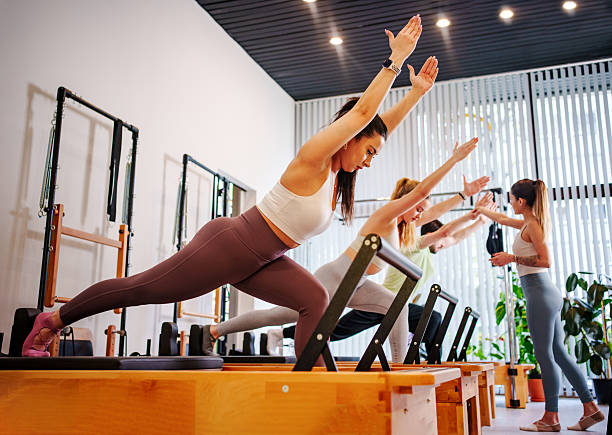
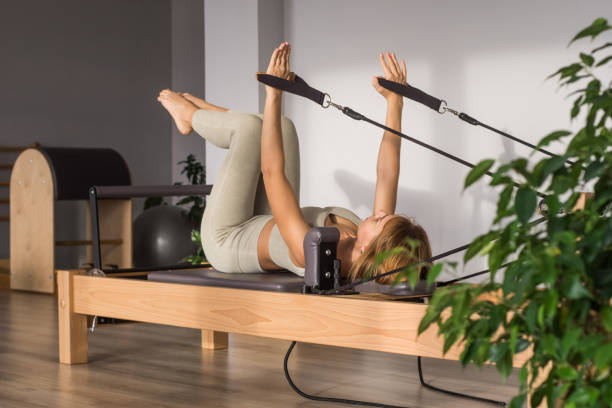
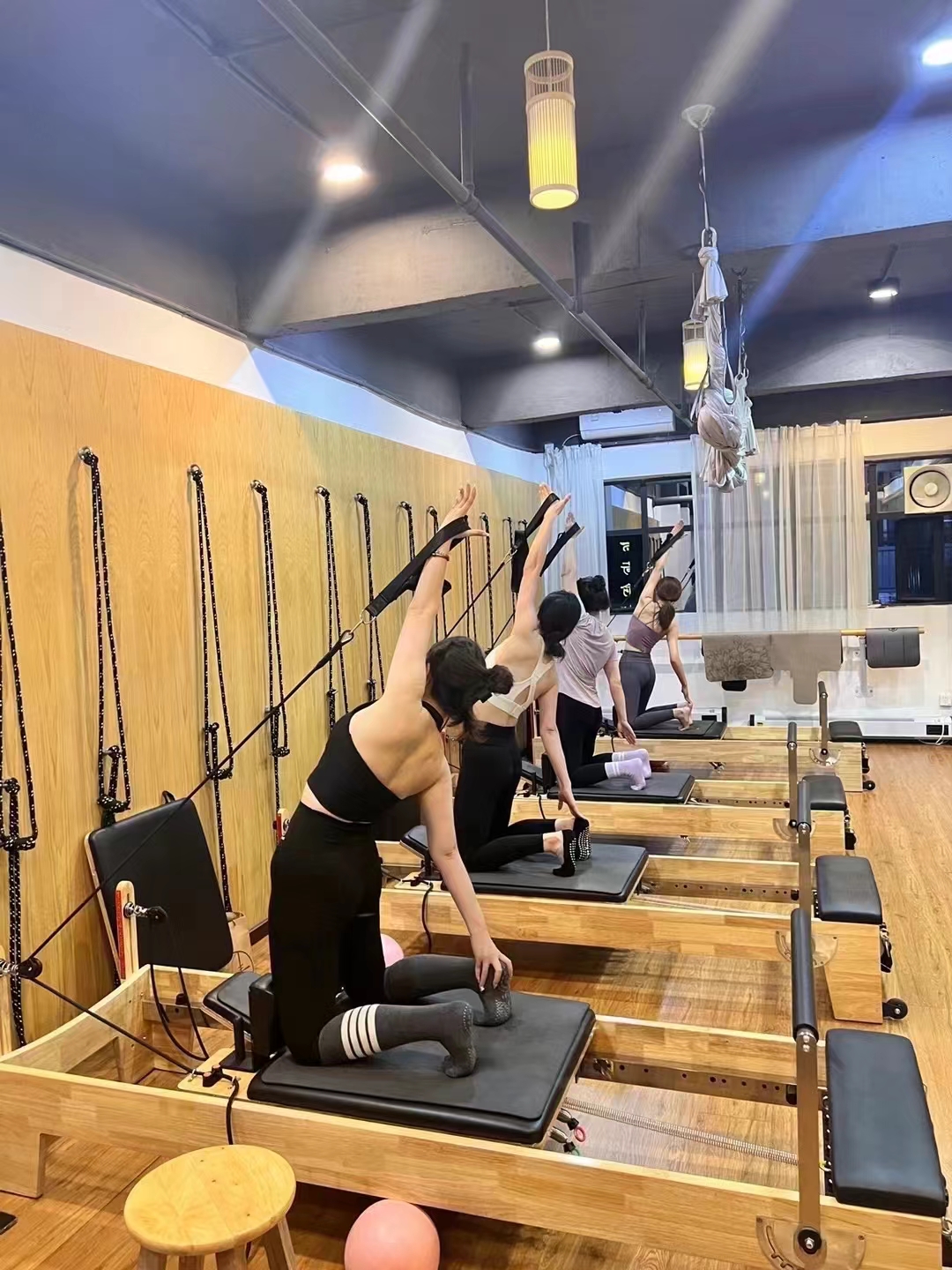
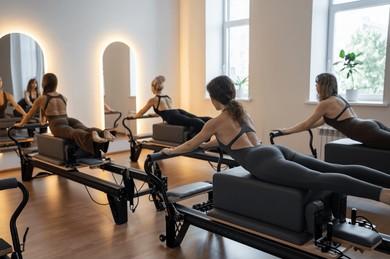
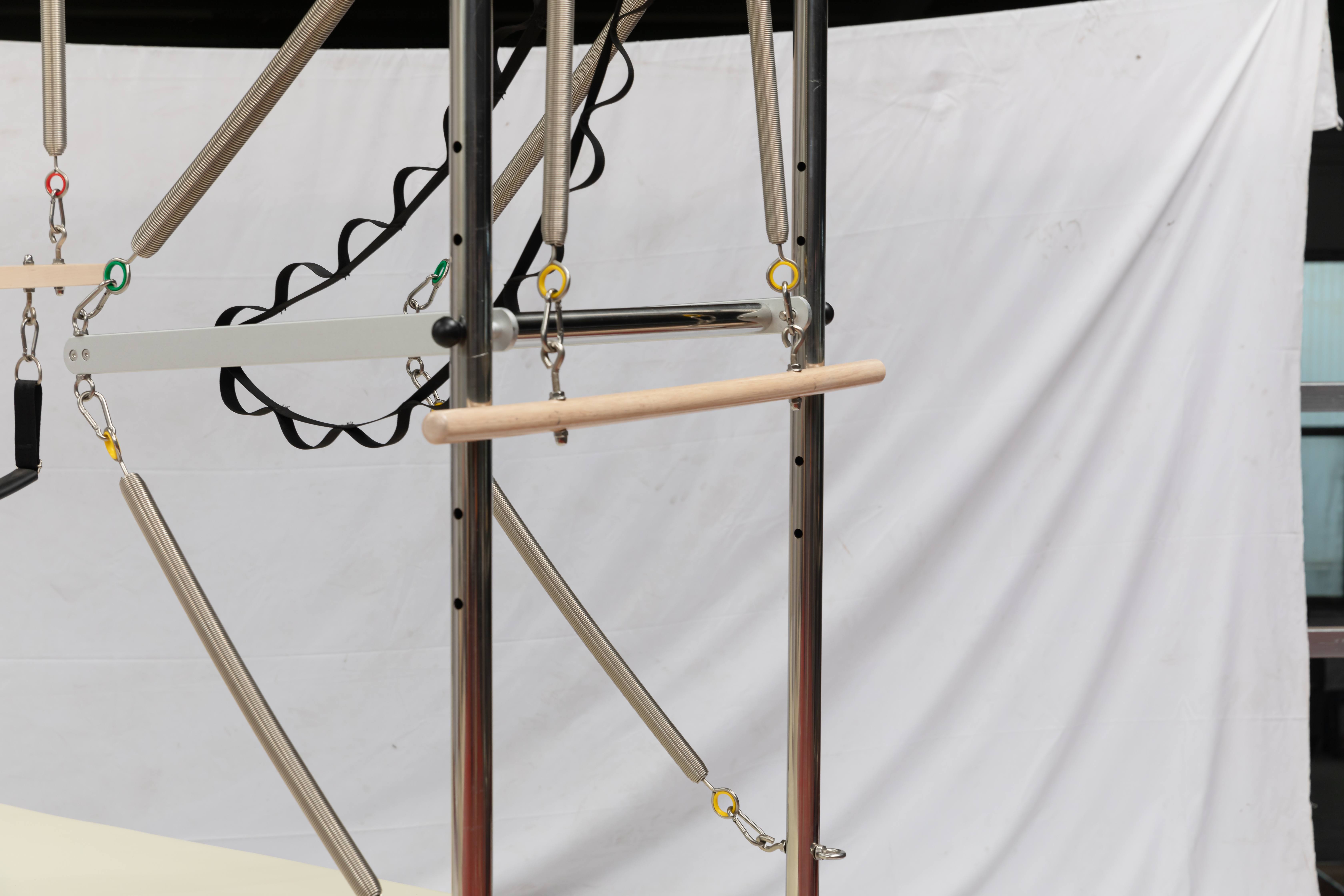
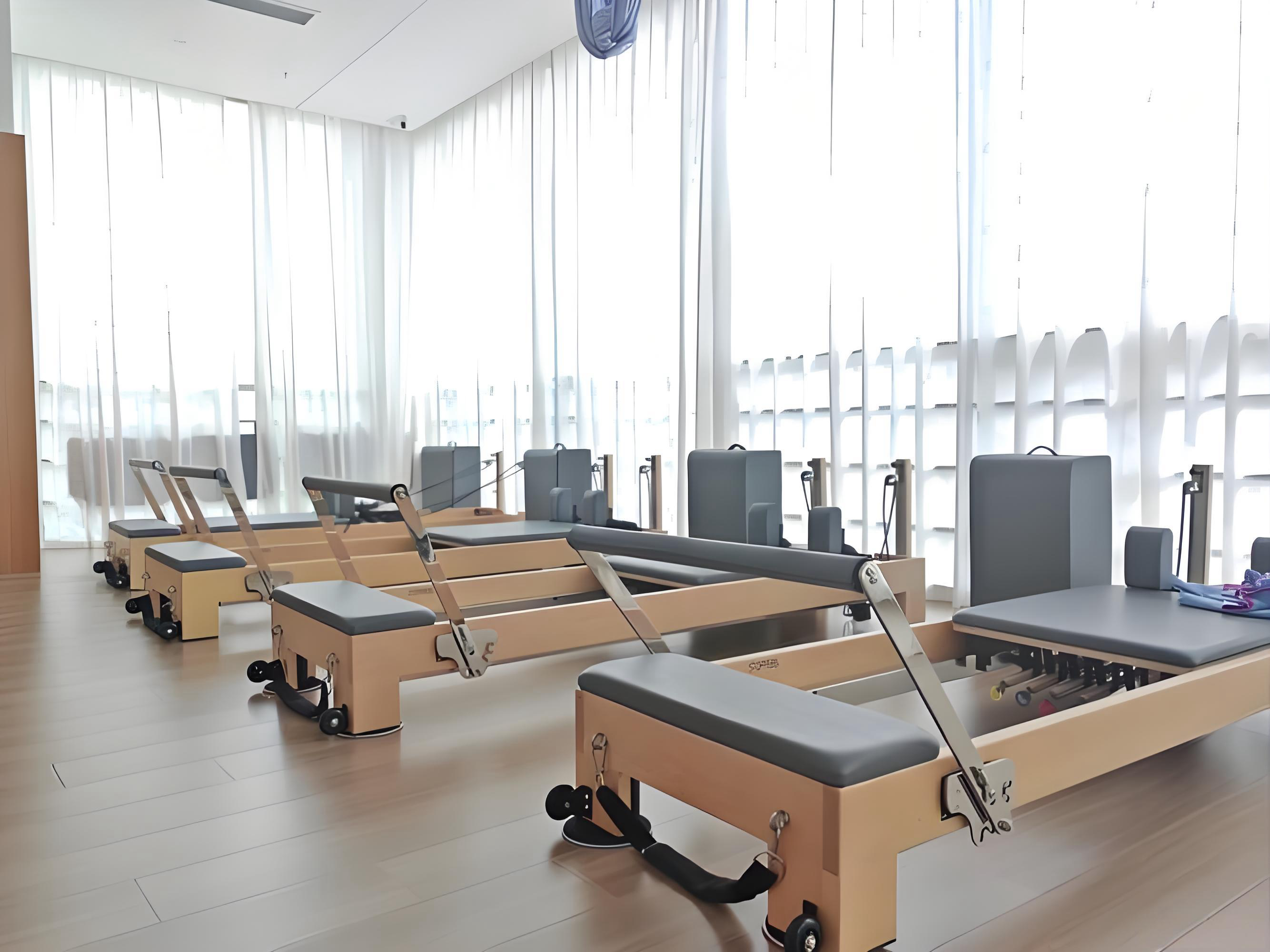
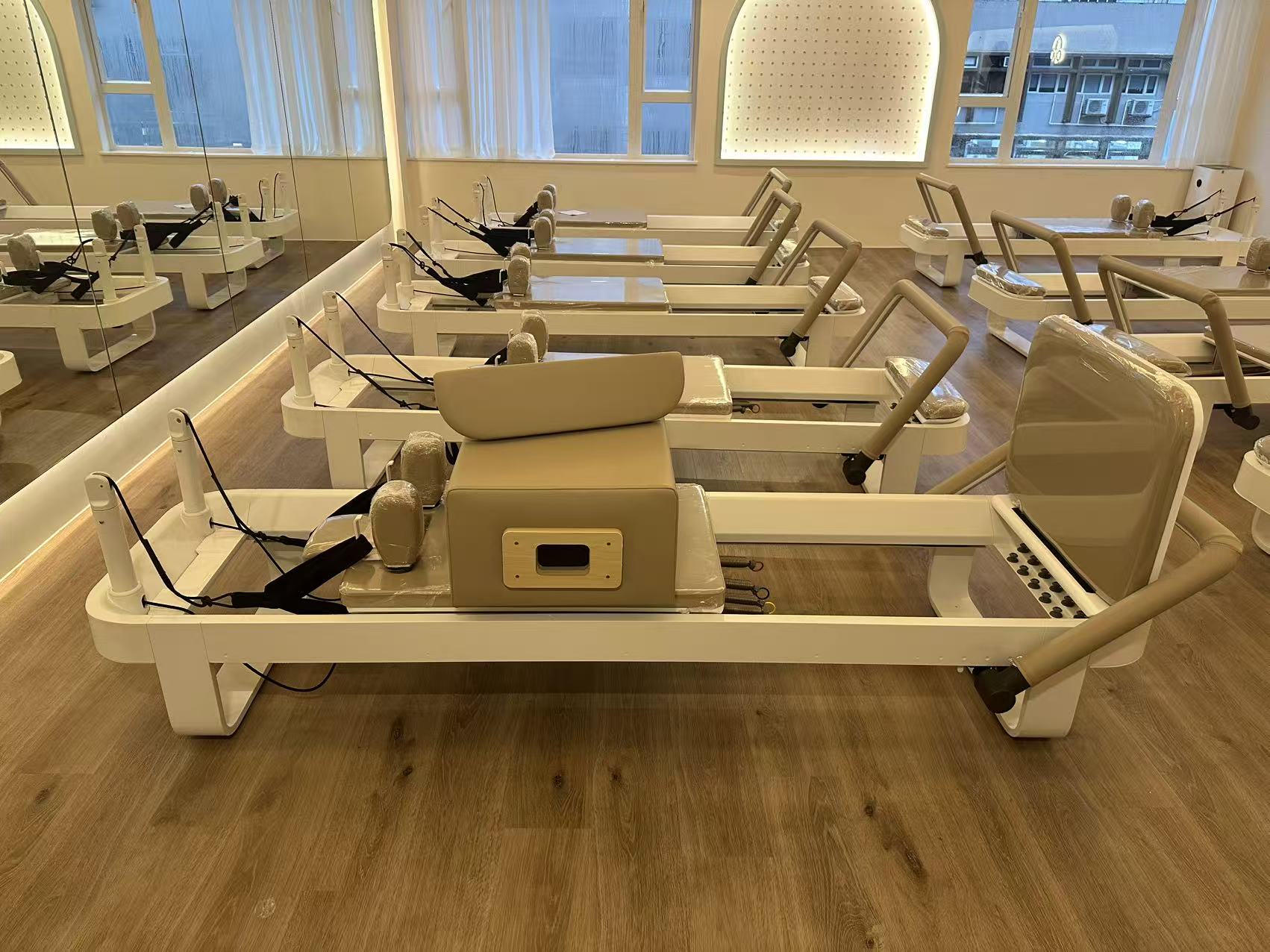
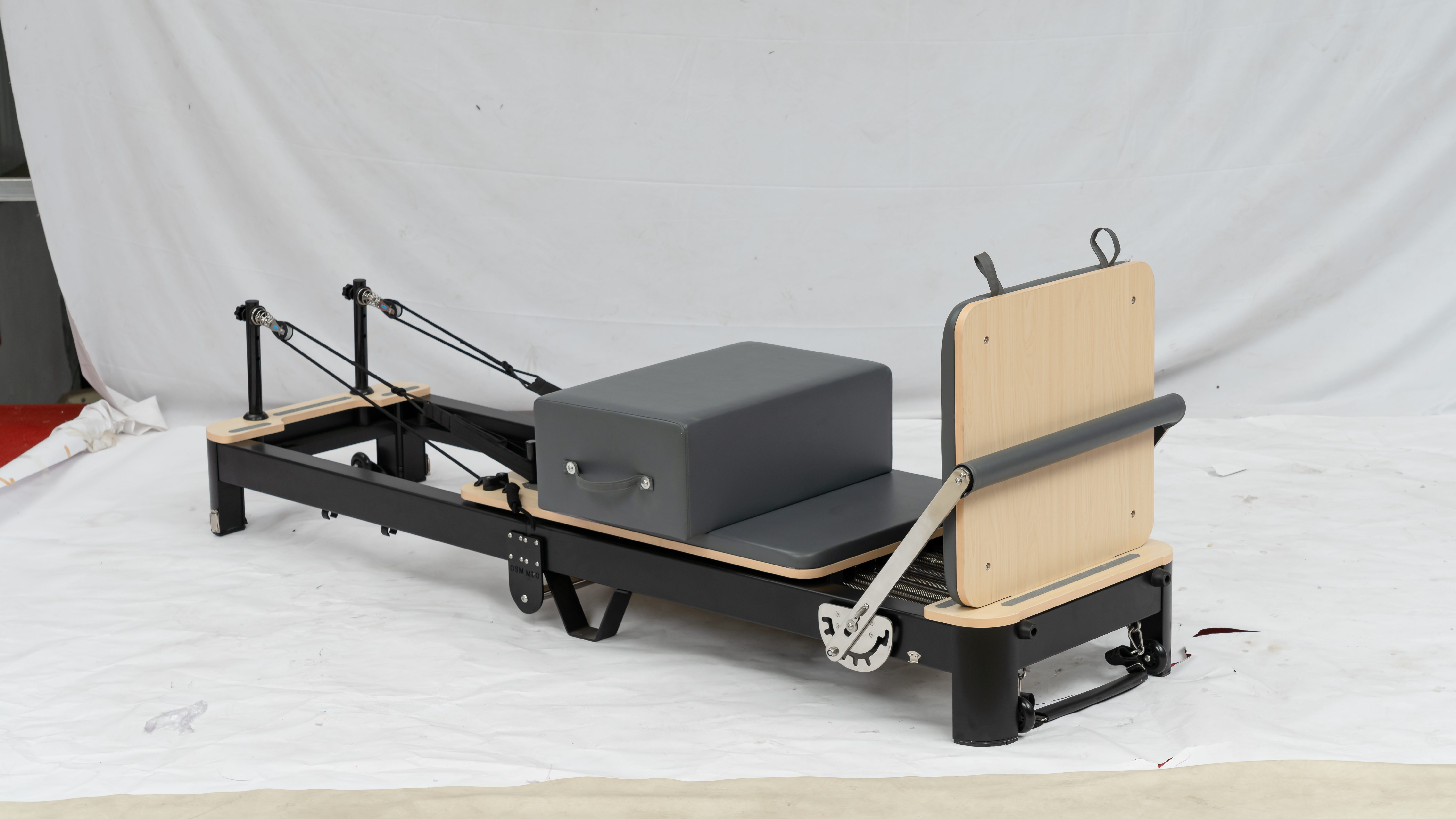
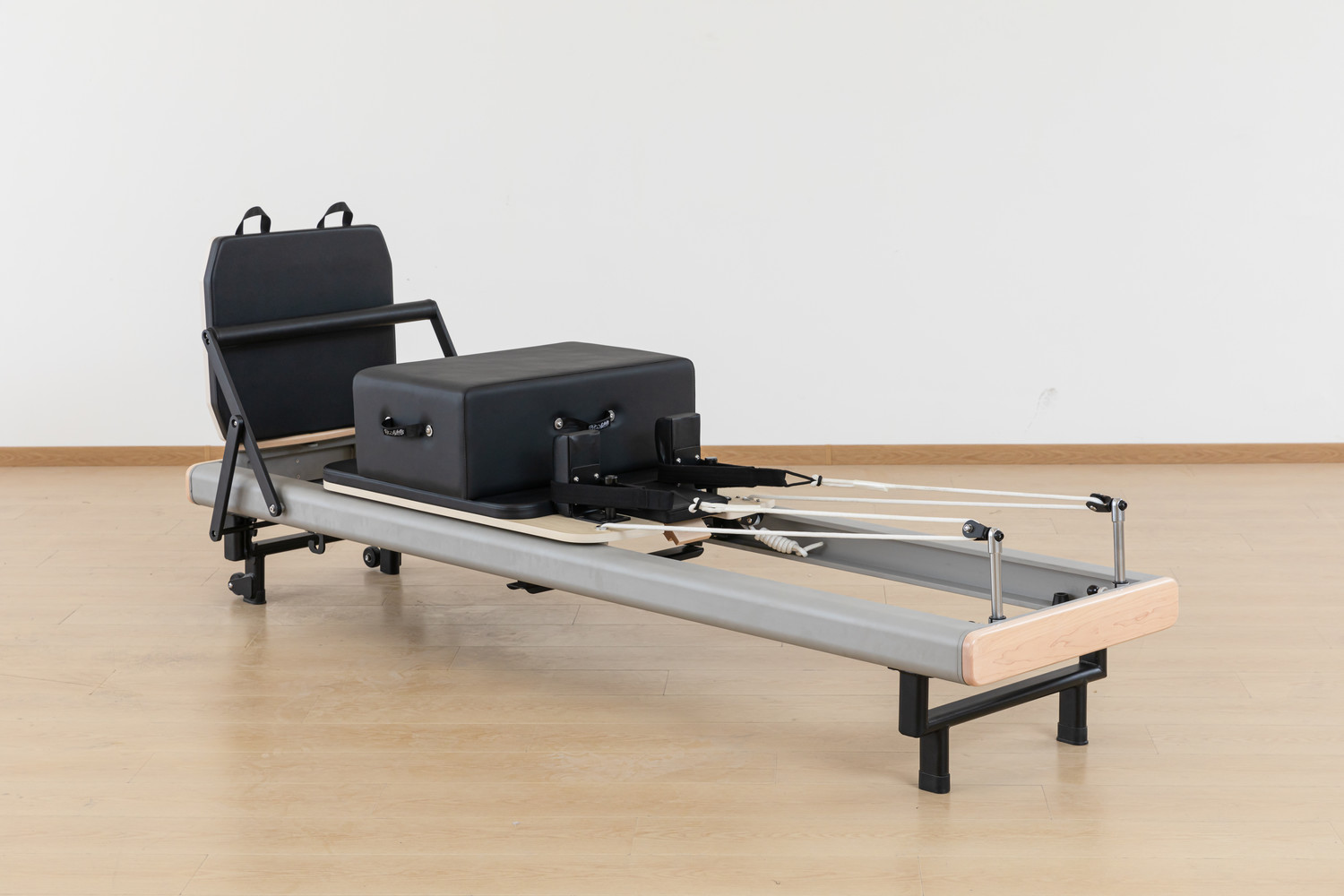
Mat work is valuable, but apparatus offers something mat work cannot: adjustable external resistance and support. On a reformer, spring tension can be increased to challenge a patient or decreased to assist a movement that would otherwise be impossible. The carriage provides a stable or mobile surface depending on the exercise, and the straps allow precise control over limb positioning. This adaptability is what makes apparatus particularly useful for rehabilitation—the same machine can support a patient in the earliest stages of recovery and later challenge an athlete returning to performance.
Clinical experience suggests that apparatus can also reveal compensatory patterns that might not surface on a mat. Because patients are unfamiliar with the equipment, their habitual movement strategies become more visible, giving the trainer or therapist diagnostic information that informs the treatment plan.
Key Safety Considerations
Safety must come before exercise selection. Before any apparatus-based rehabilitation session, trainers should confirm that the patient has been medically cleared for movement and that no contraindications are present. A survey of experienced Australian physiotherapists reached consensus that Pilates should not be used with patients who have unstable fractures or pre-eclampsia, and that caution is required for unstable spondylolisthesis or significant lower extremity radiculopathy. Agreement on other contraindications was weaker, which means trainers must exercise clinical judgment rather than relying on a fixed list.
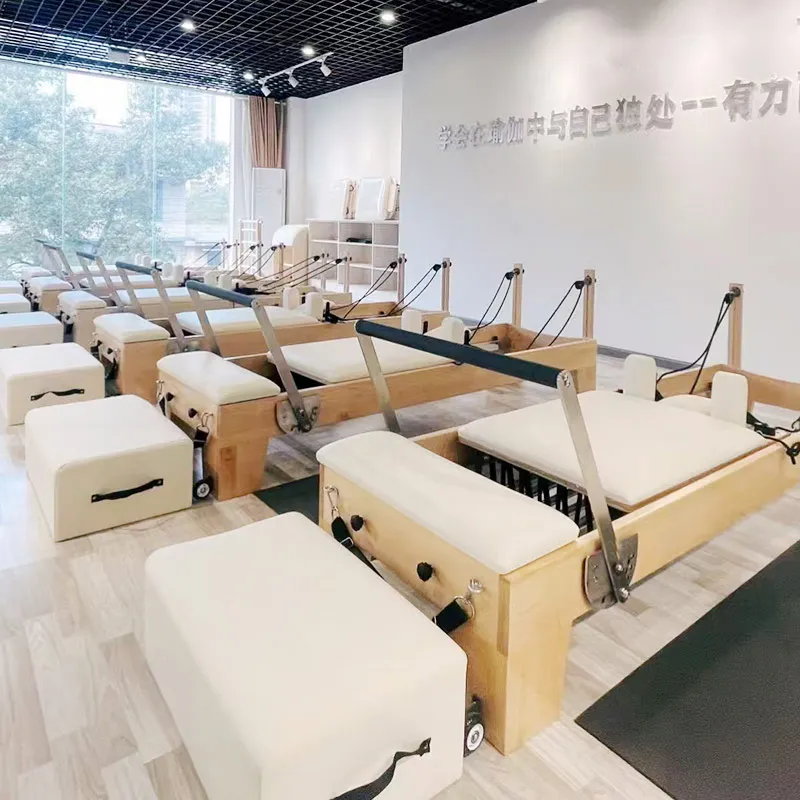
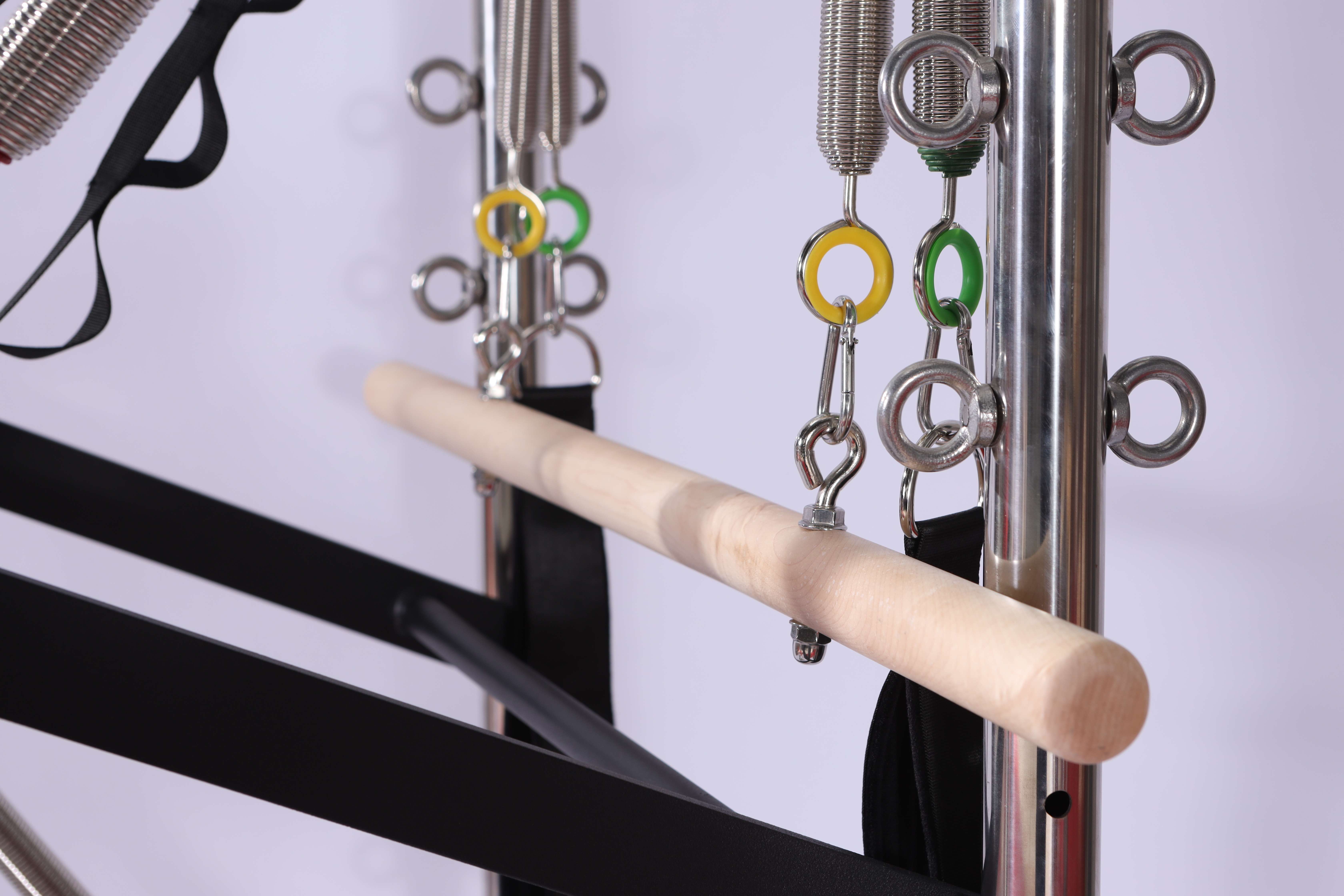
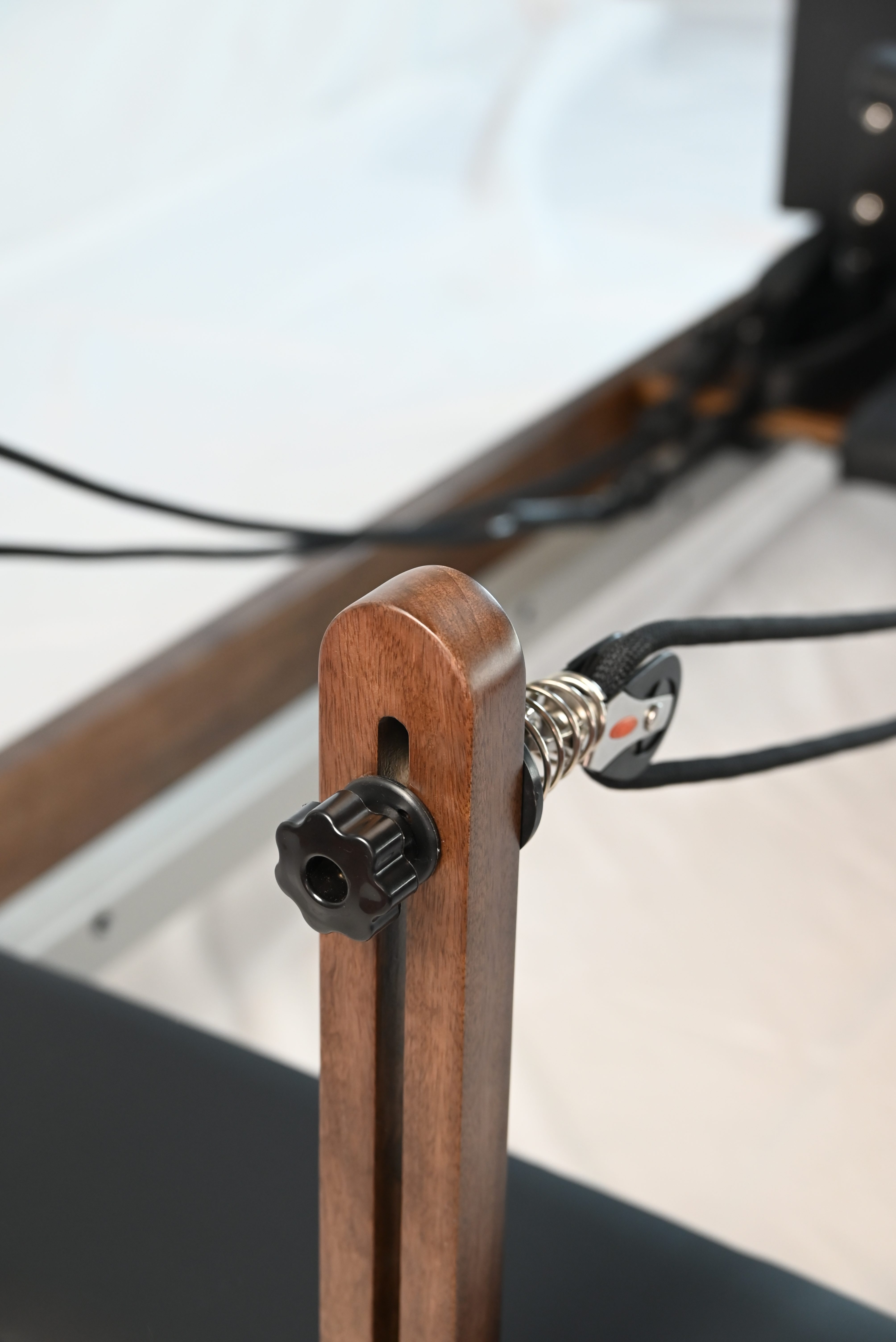
Equipment setup is equally critical. The stopper and gearbar positions determine the starting point and range of the carriage. Foot straps must be secure but not restrictive. Spring selection should match the patient's current capacity, not their pre-injury capacity. A trainer who has not practiced an exercise personally cannot safely prescribe it for a patient with rehabilitation needs—self-practice and familiarity with how modifications change the feel of the movement are non-negotiable.
Adapting Apparatus Exercises
The core skill in rehabilitation-focused apparatus work is adaptation. A standard footwork series performed with both legs can become a single-leg press for a patient with a prosthesis, avoiding imbalances caused by uneven limb length. Exercises that require standing on the carriage may need to be eliminated entirely for patients with stability concerns. For patients with a short, tight pelvic floor, supine strap work combined with breath cues can create a sensory connection to lengthening that patients can feel and reproduce.
Trainers should also be prepared to modify range of motion, tempo, and leverage. A movement that is appropriate at week two of rehabilitation may be inappropriate at week six, and vice versa. The apparatus makes these adjustments accessible, but the trainer must make the decisions.
Training and Scope of Practice
A Pilates certification alone does not qualify a trainer to practice rehabilitation. Clinical rehabilitation requires a professional license—physical therapy, occupational therapy, or equivalent—and trainers without that license must work within their scope. Some comprehensive Pilates programs offer a rehabilitation track specifically for physical therapists and medical professionals who want to incorporate Pilates into clinical practice, with coursework covering precautions, contraindications, and exercise modifications for special populations.
For trainers who work alongside clinicians rather than as clinicians, the boundary is clear: they can implement a program designed by a licensed professional, but they should not diagnose, prescribe for pathological conditions, or work with patients whose medical status has not been assessed. When in doubt, refer back to the clinical team.
Conclusion
Apparatus-based rehabilitation is a powerful tool, but it demands more than exercise knowledge. Trainers need a working understanding of contraindications, meticulous attention to setup and spring selection, the creativity to adapt movements to individual bodies, and a clear sense of their professional limits. When these elements are in place, apparatus work can help patients move from injury toward confidence and capacity—one controlled repetition at a time.