Choosing Pilates Equipment for Older Adults and Low-Mobility Clients
Selecting Pilates equipment for older adults and clients with limited mobility requires a different set of priorities than outfitting a general fitness studio. The goal shifts from challenge and variety toward safety, support, and accessibility. The right equipment can make the difference between a client who feels capable and one who feels intimidated or at risk. The wrong choice can lead to frustration, injury, or abandonment of practice altogether.
Start with Support, Not Resistance
The most important principle when choosing equipment for this population is that support must come before resistance. Many older clients and those with mobility limitations cannot safely perform exercises that demand balance or floor transitions. Equipment that allows the body to be supported—lying, seated, or standing with assistance—removes these barriers.
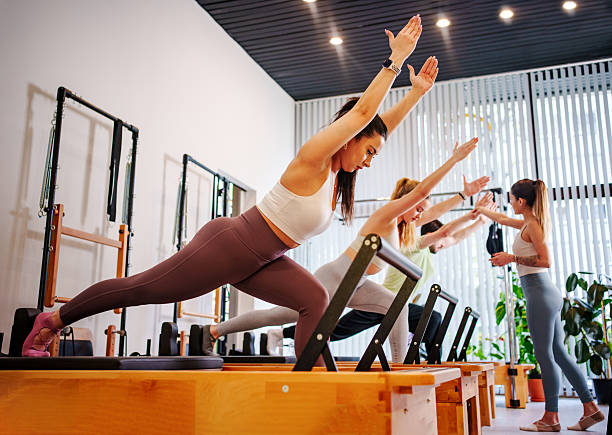
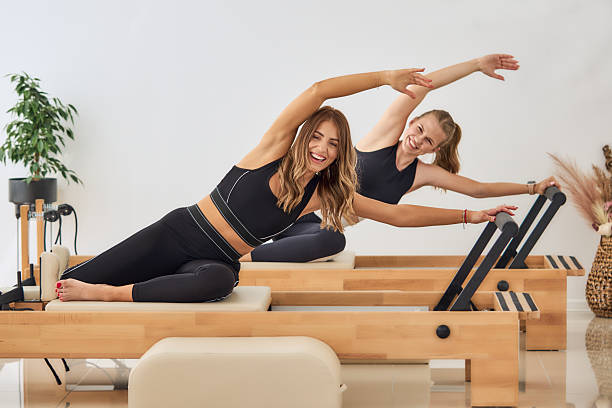
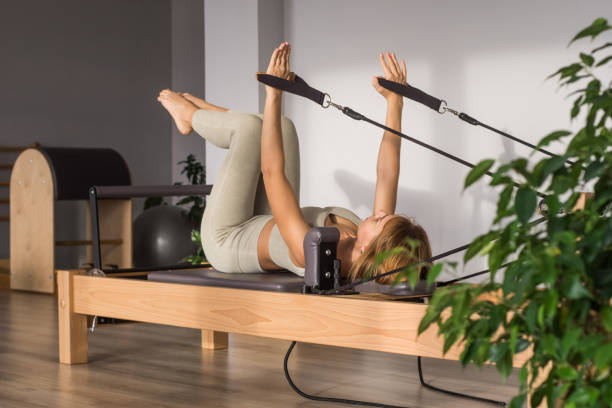
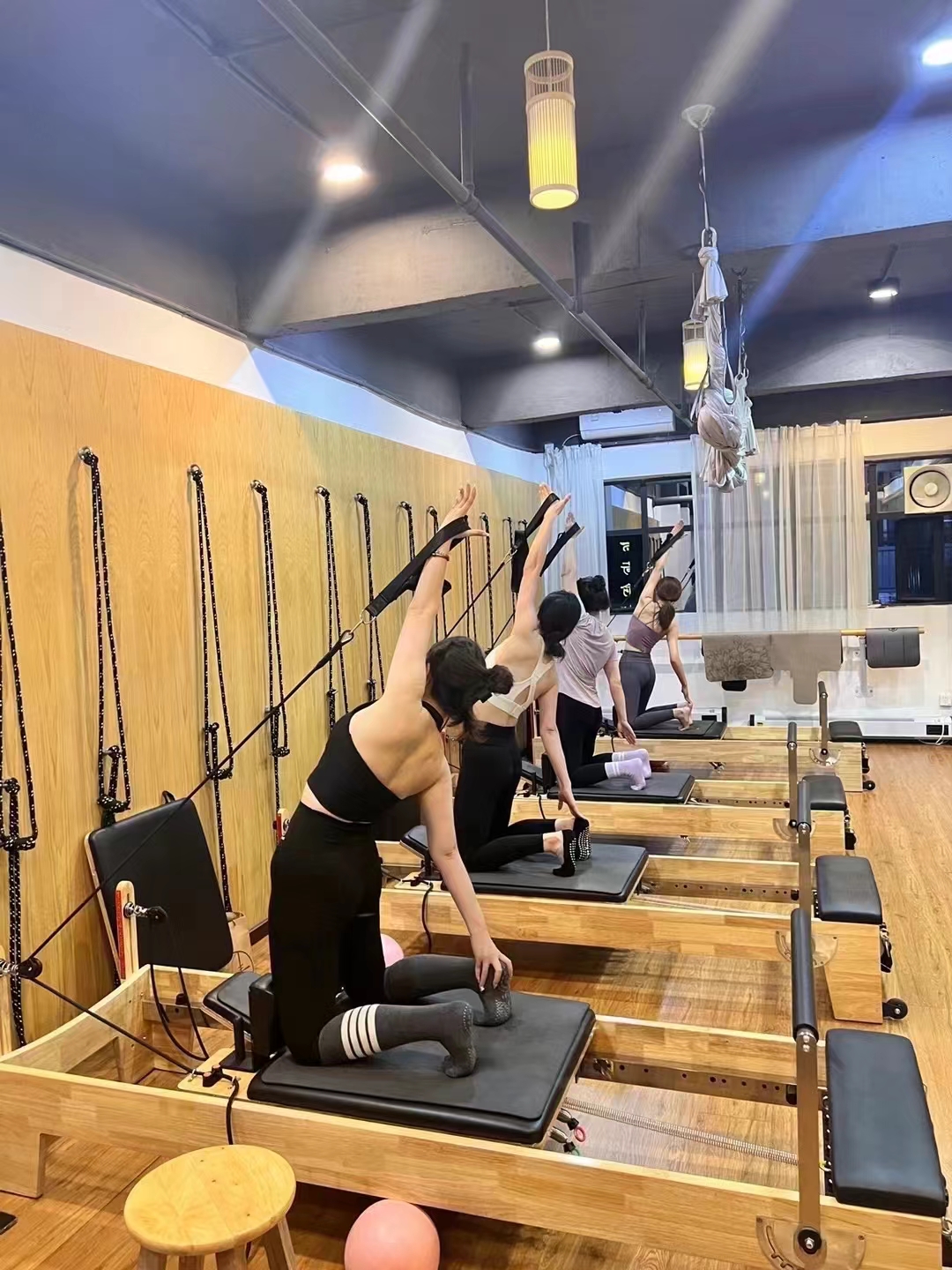
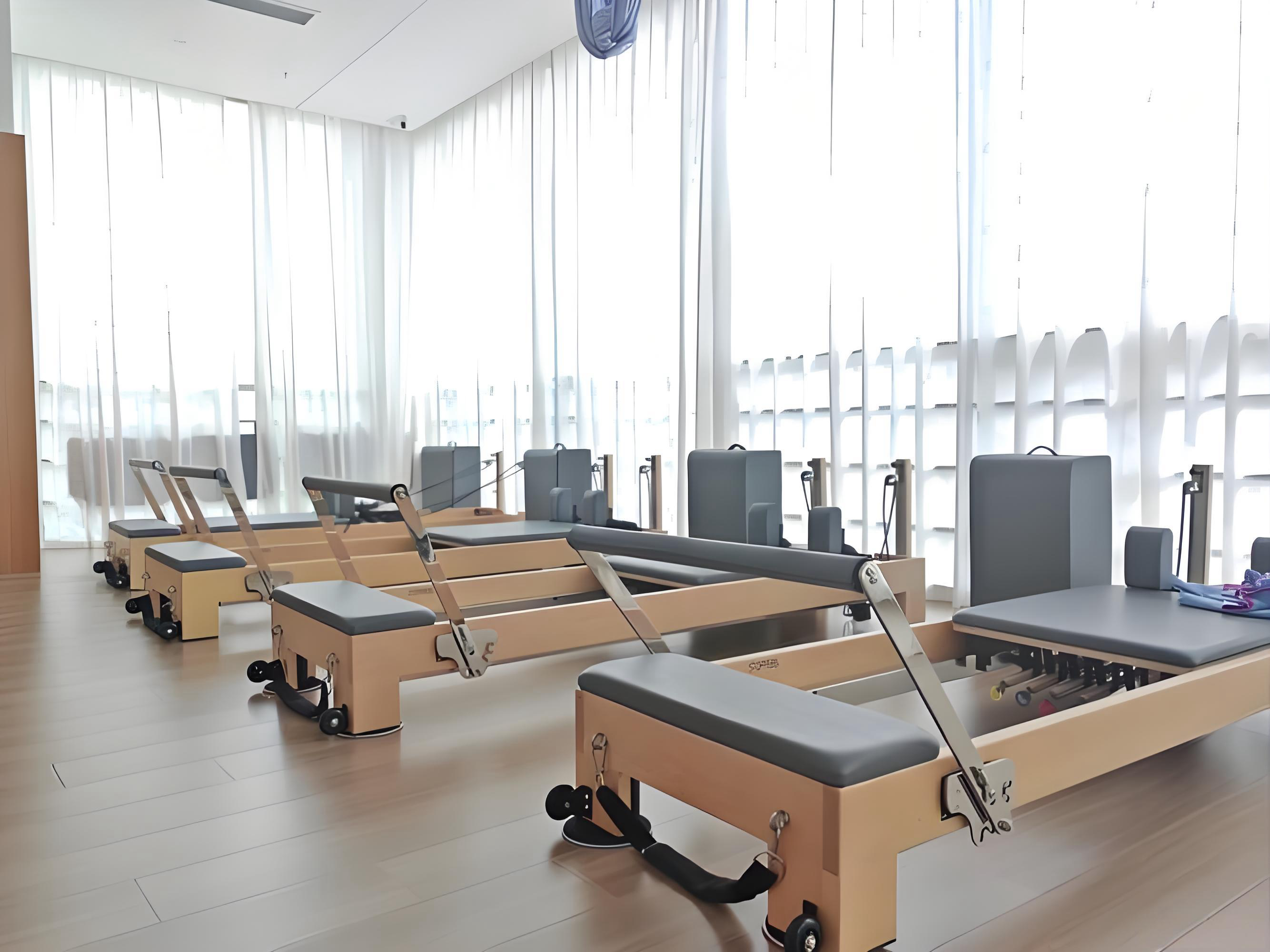
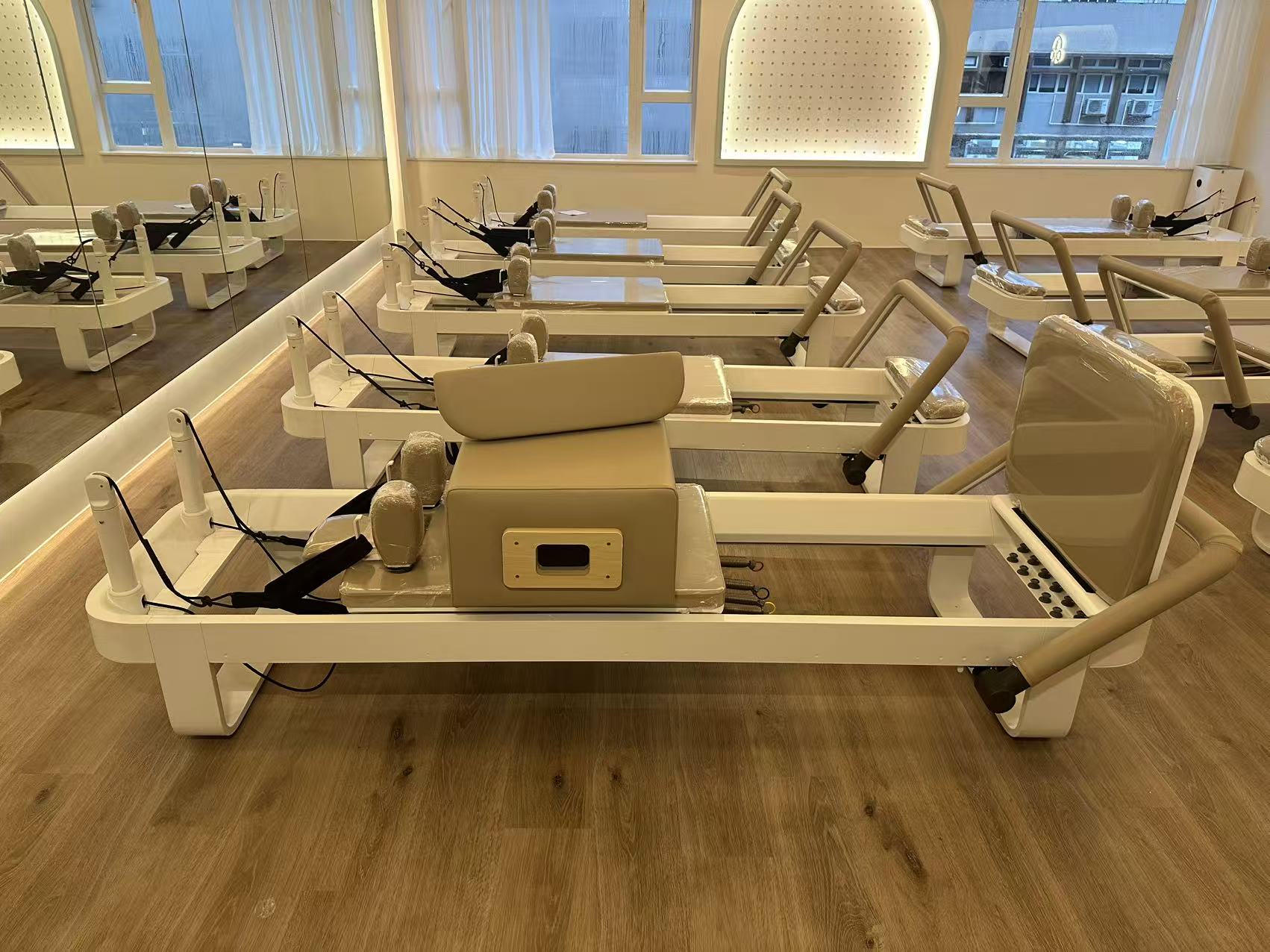
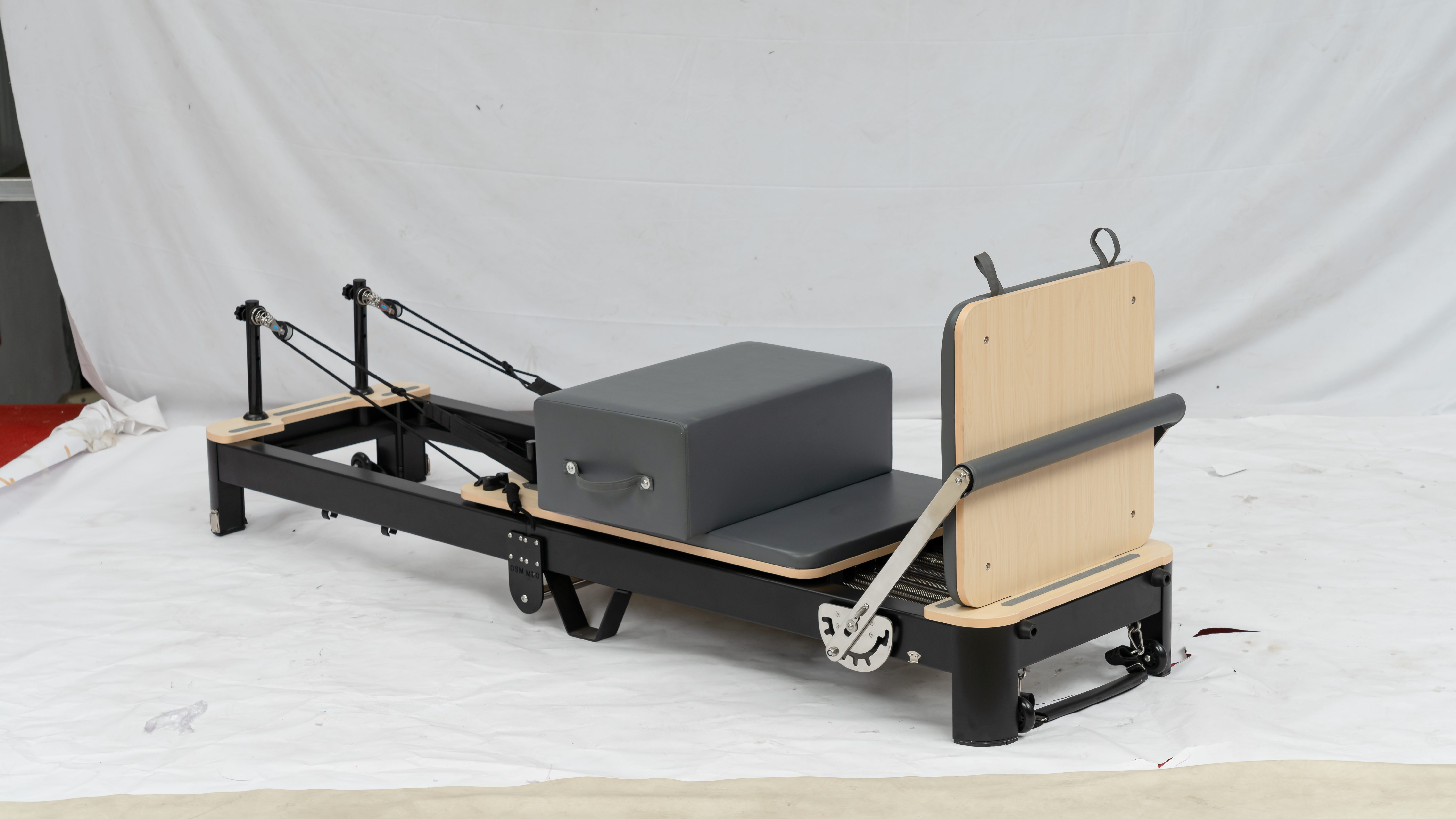
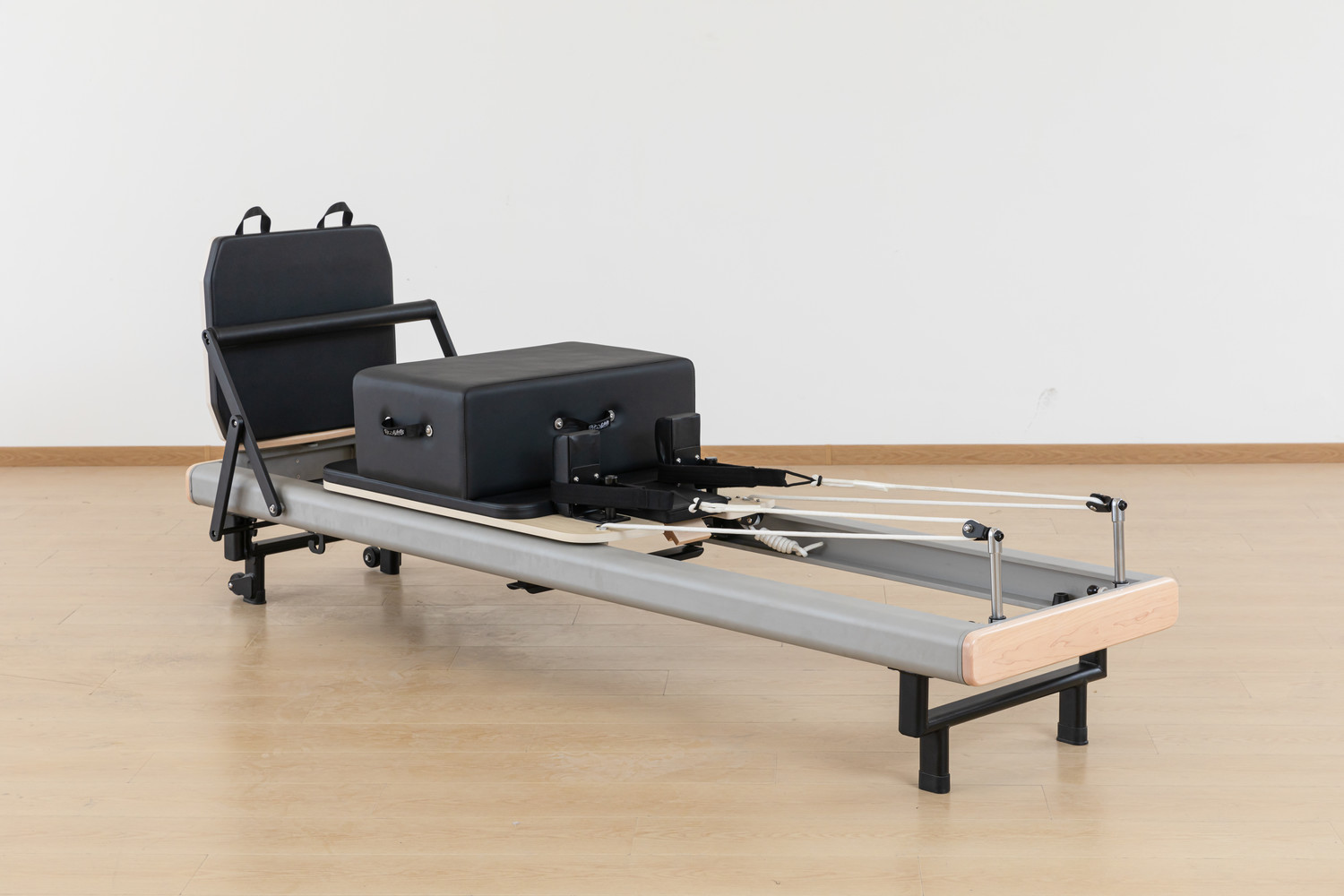
The reformer is often the ideal starting point, despite its intimidating appearance. Most beginner exercises are performed lying on the carriage, where the spine is supported, the head rests comfortably, and the springs hold part of the user's weight . Footwork against light springs functions as a supported squat, building leg and hip strength without loading the spine. The adjustable nature of the reformer—lighter springs, smaller ranges, shorter straps—allows an instructor to tailor every exercise to a stiff hip or a replaced knee in seconds . For clients who have difficulty getting down to or up from the floor, the reformer eliminates that obstacle entirely.
The Case for Chair-Based Options
Not every low-mobility client is ready for a reformer, and not every space can accommodate one. For these situations, a sturdy chair is a remarkably effective and accessible piece of equipment. Chair Pilates uses a standard chair for seated, supported, and standing exercises that strengthen the core, legs, and postural muscles while reducing balance and joint demands .
This format is particularly suitable for clients recovering from injury or surgery, those managing conditions such as multiple sclerosis or those recovering from stroke, individuals with vertigo or balance concerns, and wheelchair users . Because movements are performed seated and controlled, chair Pilates can also be appropriate for people with heart conditions or high blood pressure who need to avoid rapid positional changes . The equipment requirement is minimal: a chair that is sturdy, does not slip, and provides room to sit on its edge or against its back, with space for positional changes such as legs straddled or side sitting .
What to Look for in Equipment
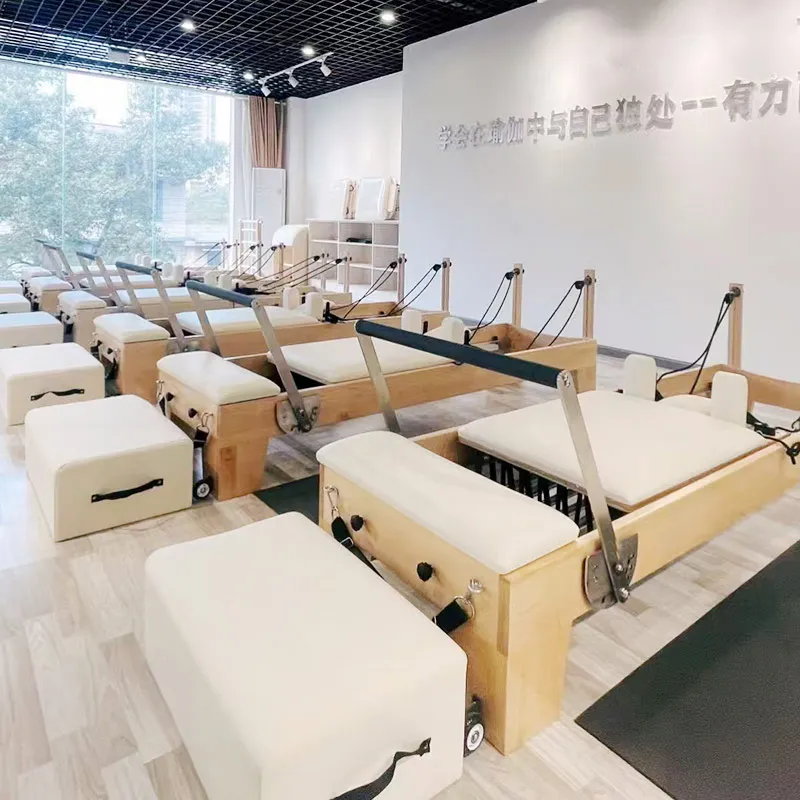
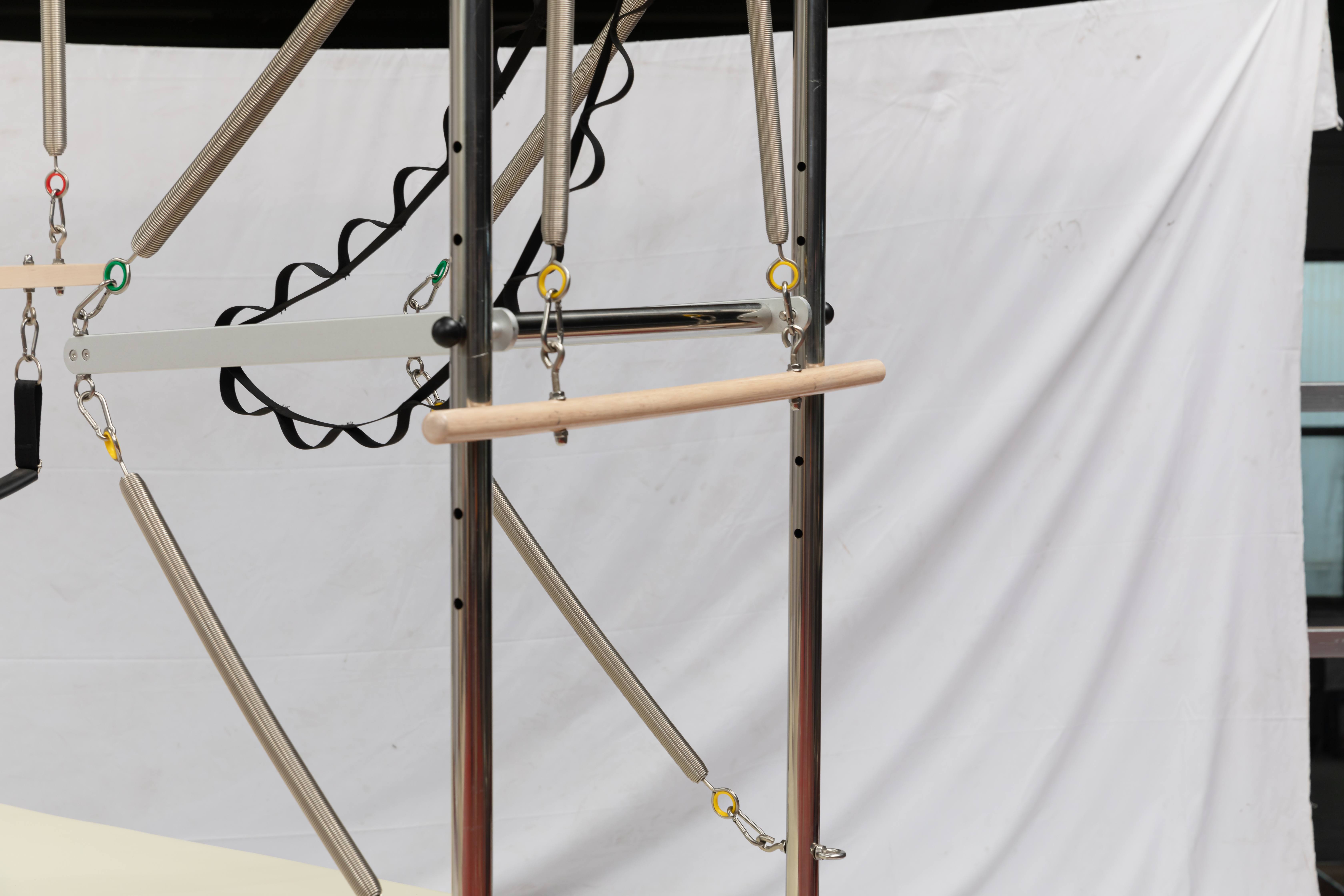
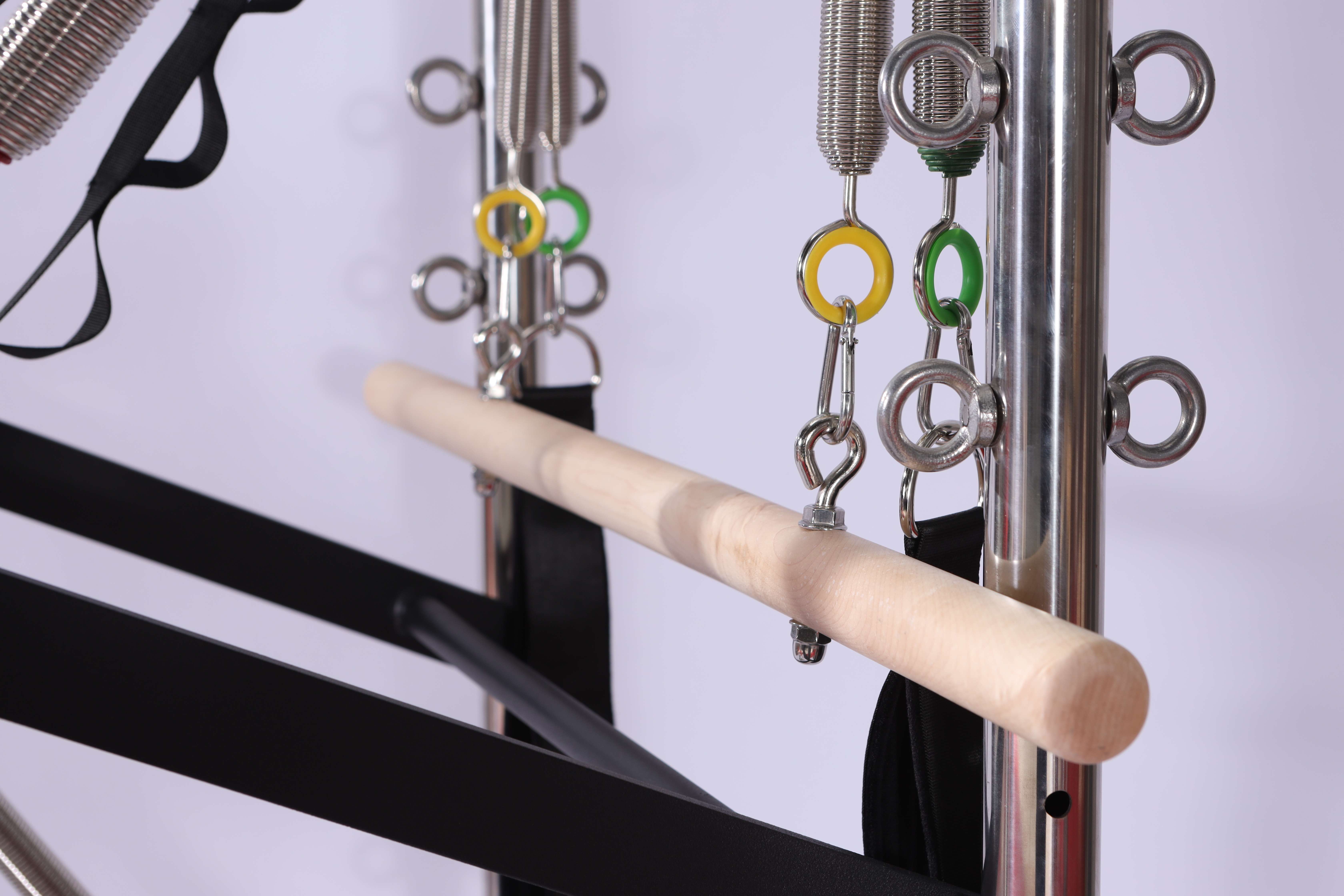
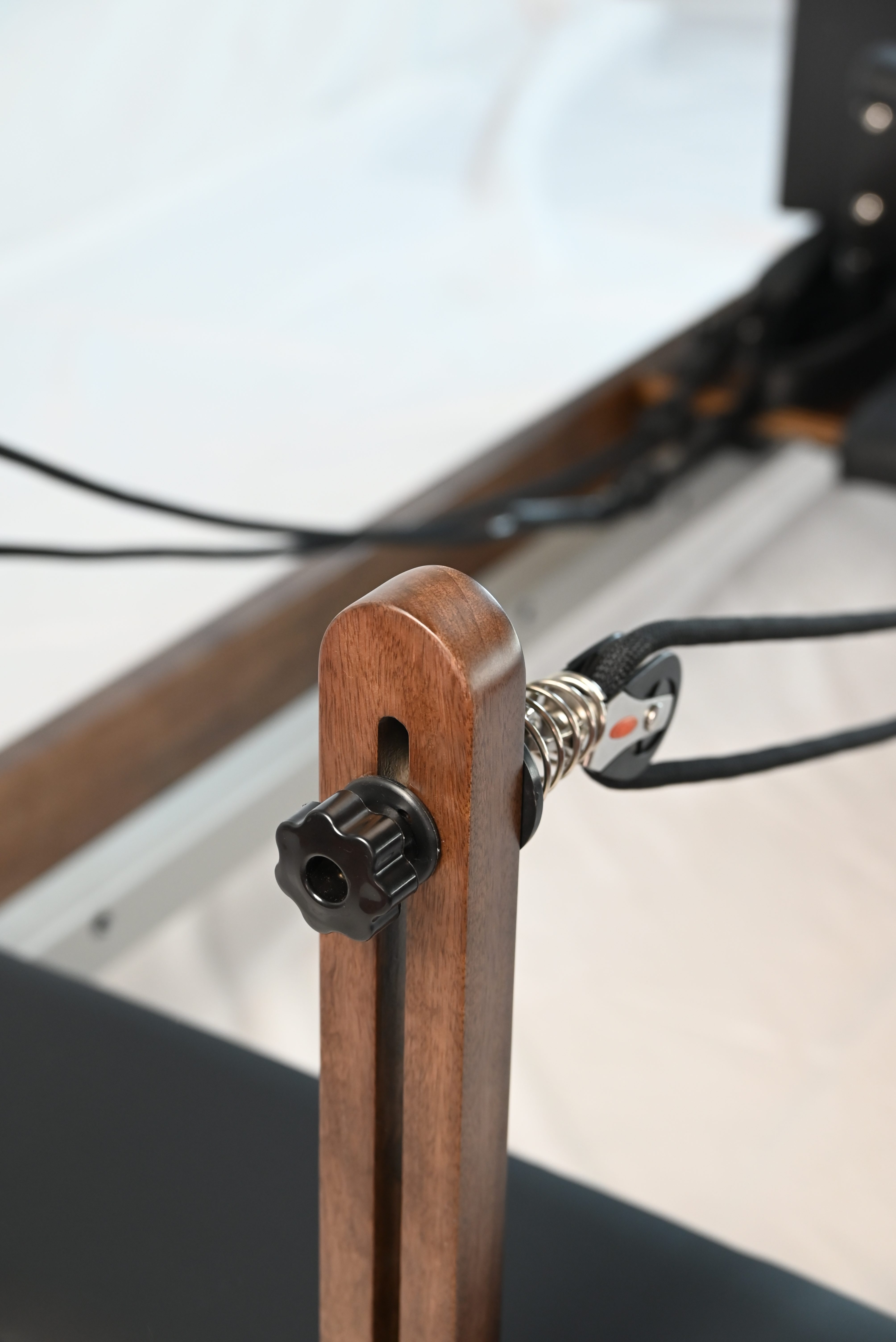
When evaluating Pilates equipment for older or low-mobility clients, several features deserve attention. Height matters: rehab reformers are built higher off the ground, making transfers on and off the carriage easier for those with mobility issues . Stability chairs with split pedals offer another accessible option, allowing seated work with adjustable resistance . For any equipment, the ability to adjust spring tension to very light levels is essential, as is a smooth, predictable carriage glide that will not jar arthritic joints.
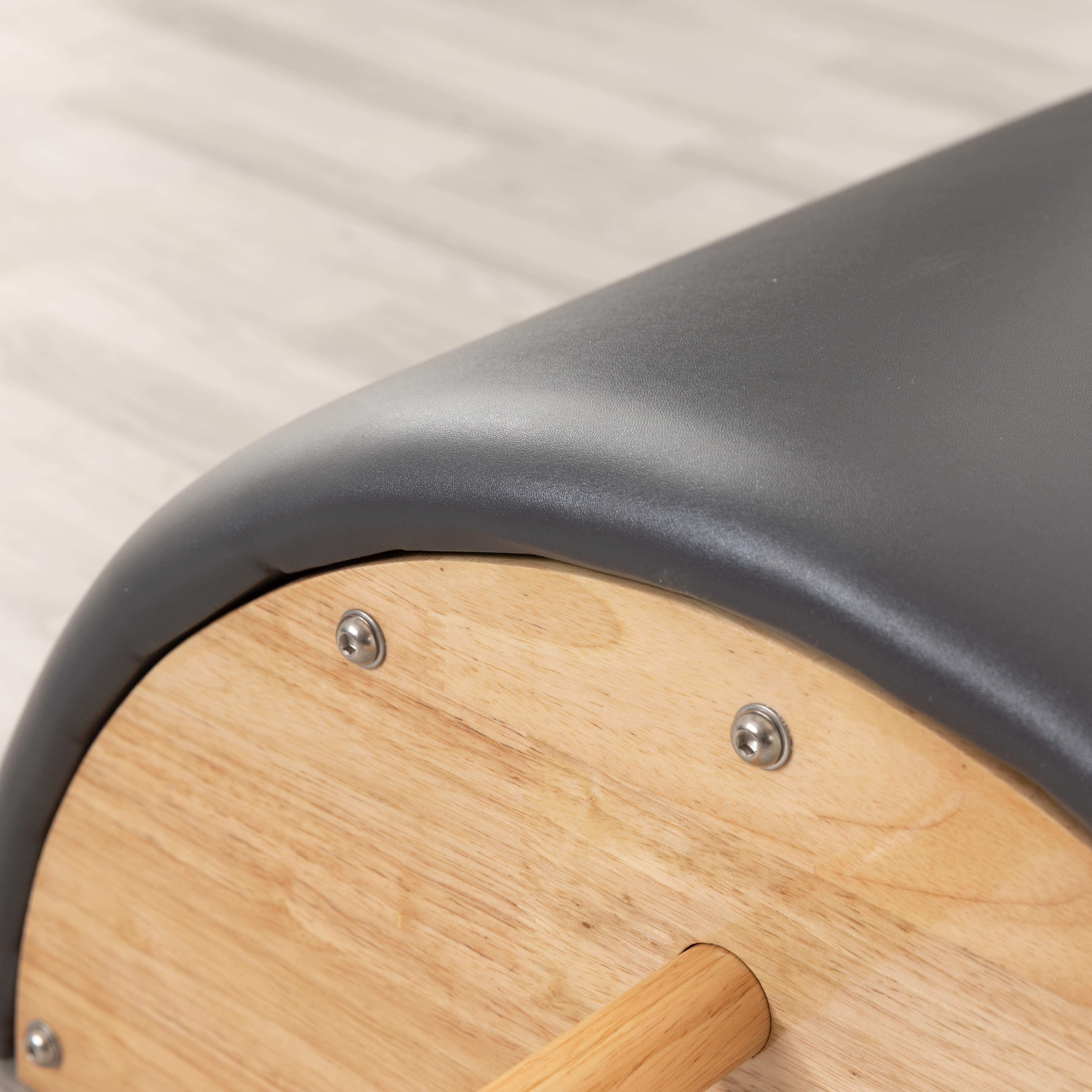
Safety features should be scrutinized. Secure spring attachments, reliable locking mechanisms, and non-slip surfaces are non-negotiable. For clients with osteoporosis, certain exercises involving loaded spinal flexion—such as the hundred, roll-ups, or short spine—should be modified or omitted, so equipment that allows easy range limitation is valuable . Clients with significant dizziness or vertigo may find getting on and off a reformer challenging, and chair-based work may be a safer starting point .
The Role of Instructor Training
Equipment alone does not solve the problem. The most adaptable reformer in the world is only as effective as the instructor guiding its use. Instructors working with older adults need specialized training that covers the indications and contraindications of age-related health concerns, including osteoporosis, joint replacements, cardiac conditions, and balance disorders . A skilled instructor can construct a full-body workout in the most appropriate position for the individual, even conducting an entire session seated in a chair if necessary .
Small class sizes or private sessions are strongly recommended. Large group reformer classes move quickly and are not the place for a client who needs time to learn the machine or who requires frequent modifications . Studios should be prepared to ask about medical history, including surgeries, medications that affect balance, and any history of falls, before a client's first session.
Evidence and Outcomes
The benefits of appropriately chosen equipment for this population are well documented. A 2024 systematic review and meta-analysis examined the effects of Pilates exercises on postural balance and reduced risk of falls in older adults, supporting the method's role in fall prevention . A 16-week randomized controlled trial comparing reformer Pilates and Hatha yoga in older women found that both interventions improved trunk stability, dynamic balance, spinal mobility, and muscular endurance relative to a control group, with Pilates showing more pronounced improvements in several primary outcomes . These findings reinforce that with the right equipment and instruction, older adults can make meaningful functional gains.
Conclusion
Choosing Pilates equipment for older adults and low-mobility clients is an exercise in matching the machine to the person. Support must come first, adjustments must be easy and generous, and safety features cannot be compromised. The reformer offers supported, adjustable resistance that removes balance as a barrier, while chair-based work provides an accessible entry point for those who cannot or should not use larger equipment. Whatever the choice, qualified instruction and small-group or private settings are essential. When equipment and guidance align with the client's actual abilities, Pilates becomes not merely possible but genuinely beneficial—building strength, confidence, and independence for the long term.