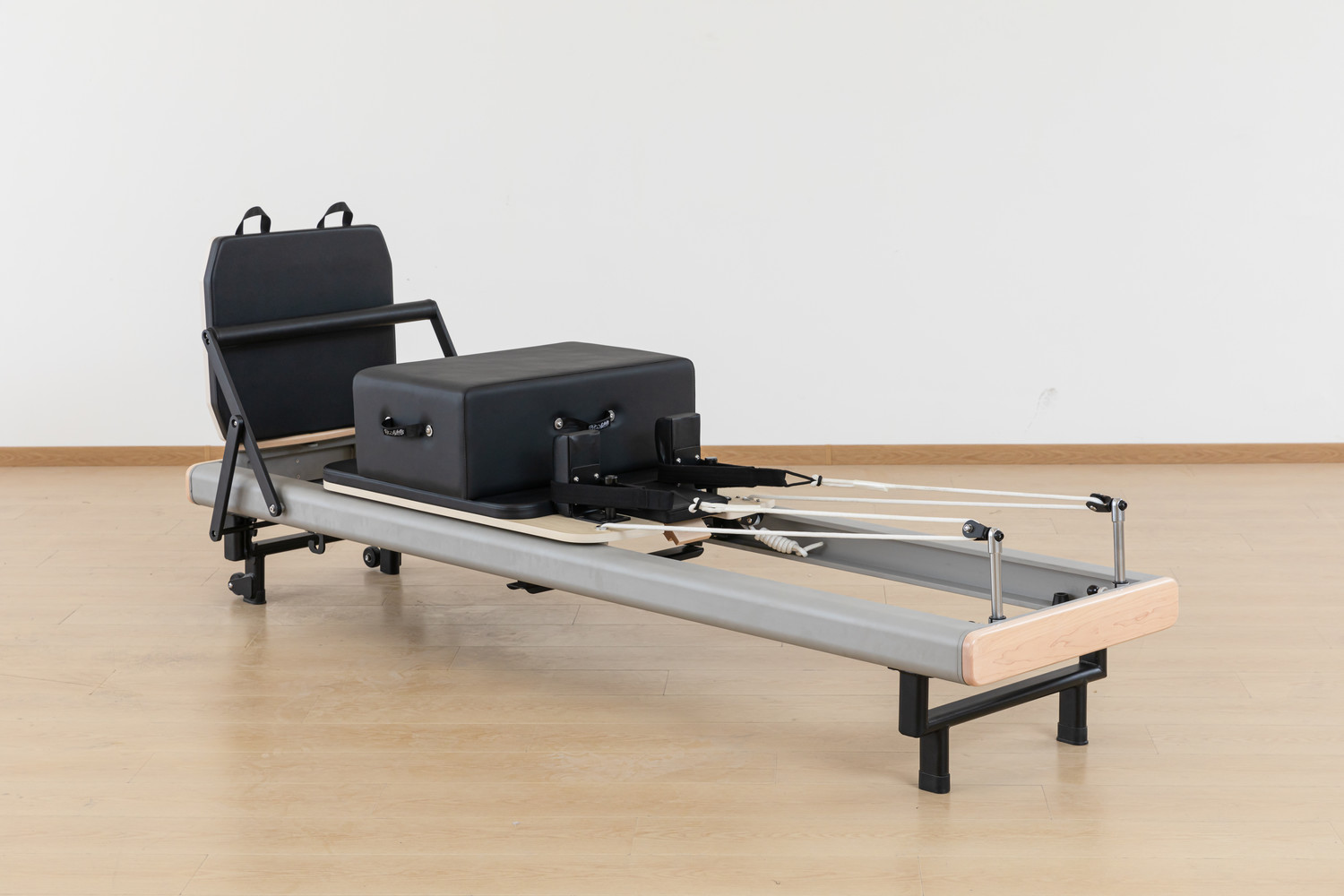
Prenatal Pilates on the Reformer: Equipment and Safety Considerations

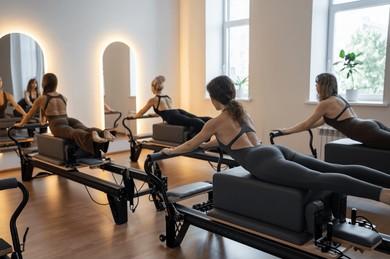
Pilates during pregnancy is increasingly recognized as a safe and beneficial form of exercise when appropriately modified. A 2025 systematic review and meta-analysis examined Pilates exercise in pregnancy, and expert consensus guidelines emphasize that exercise plans should be individualized according to each pregnant woman's medical and physical condition. The reformer, with its support and adjustable resistance, can be a valuable tool—but it also demands specific safety considerations that differ from mat work.
Medical Clearance Comes First
Before any prenatal reformer session, clearance from the client's healthcare provider is non-negotiable. The American College of Obstetricians and Gynecologists recommends that pregnant individuals without contraindications aim for at least 150 minutes of moderate-intensity activity per week, and Pilates is commonly listed among suitable activities. However, women with absolute or relative contraindications require individualized professional assessment before exercising. Trainers should ask about conditions such as placenta previa, preterm labor risk, or persistent bleeding, and should have a referral protocol in place for clients whose status changes.
Equipment Modifications for the Pregnant Body
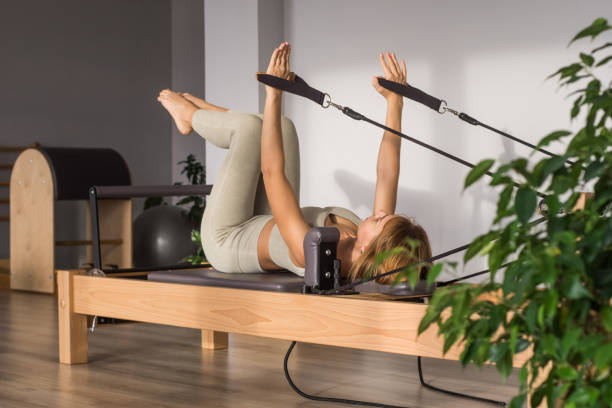
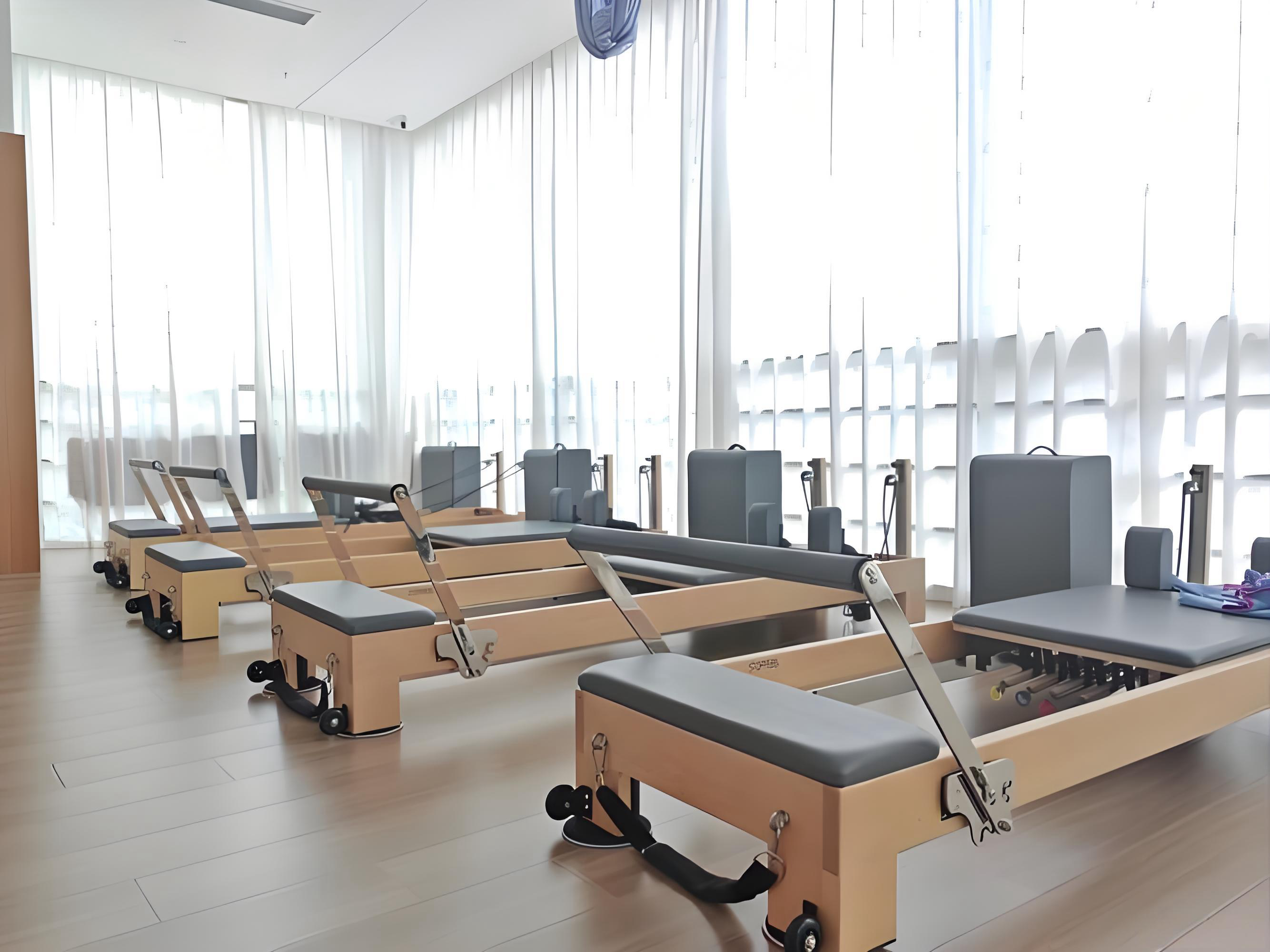
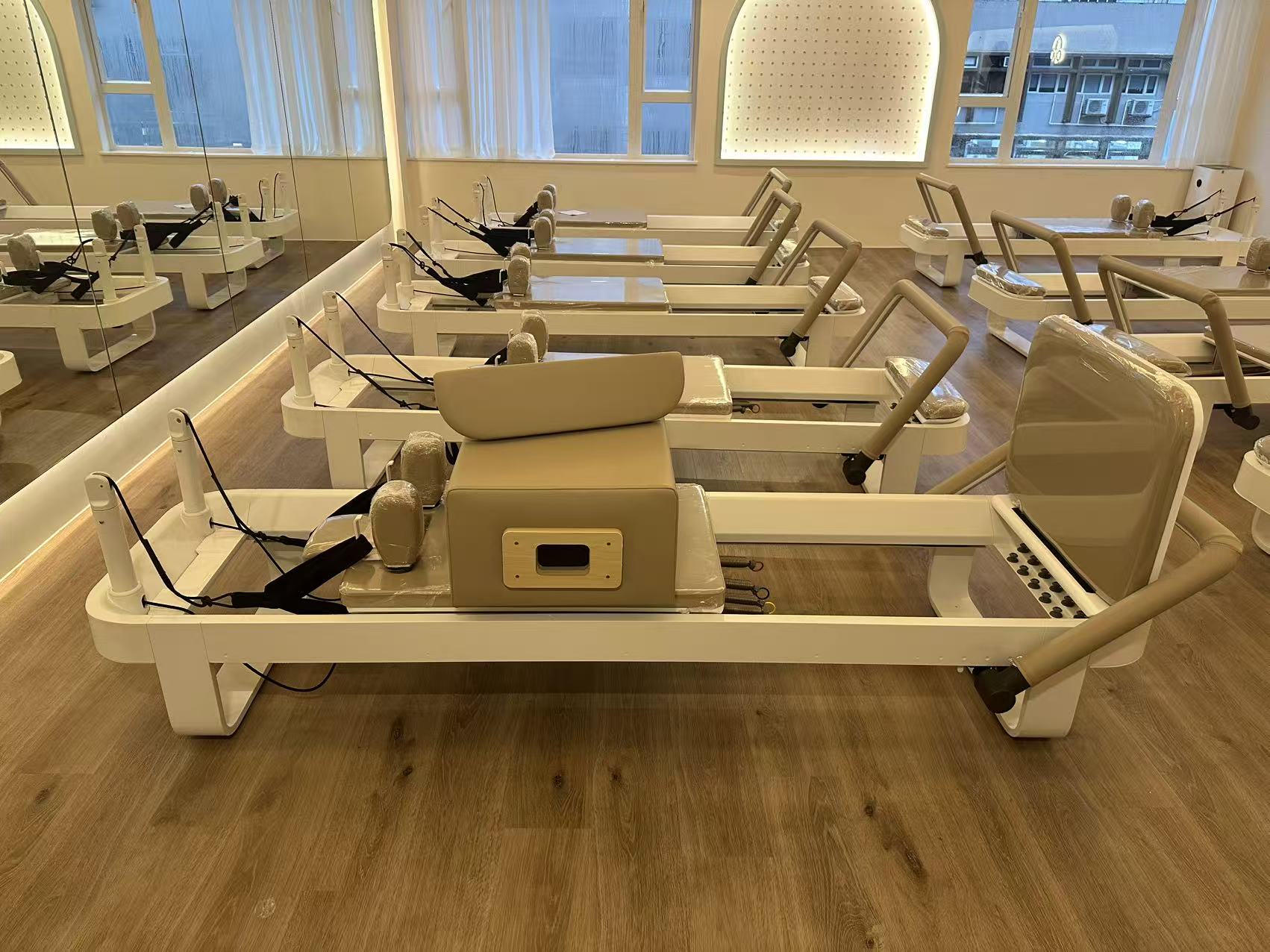
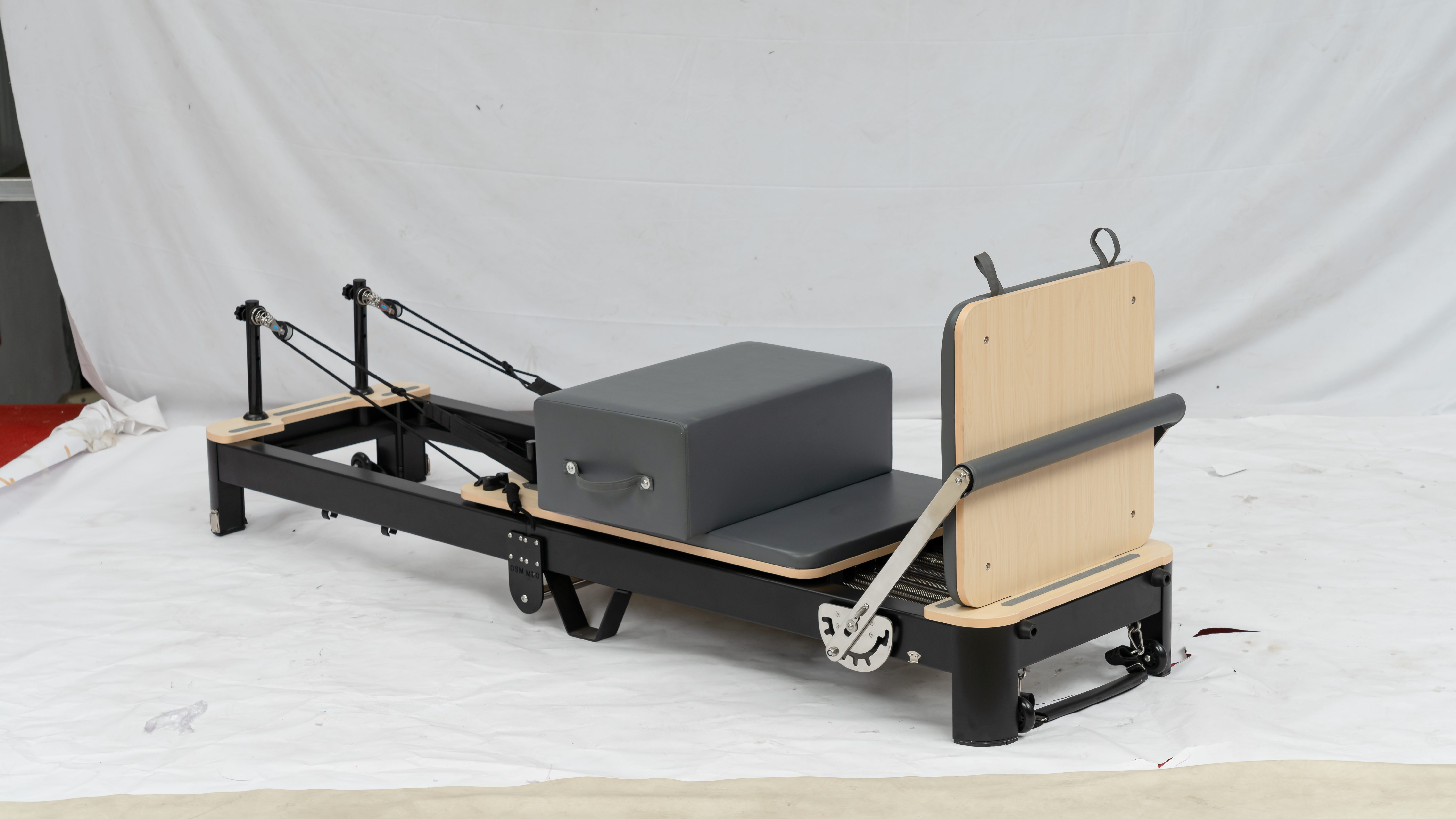
The reformer's setup must change as pregnancy progresses. The most consistent guidance concerns positioning: lying flat on the back should be avoided during the second and third trimesters, as the weight of the uterus can compress the vena cava and reduce blood flow. On the reformer, this means elevating the torso with a wedge or spine supporter, or transitioning to seated, kneeling, or side-lying positions for many exercises. Merrithew's prenatal education emphasizes that props such as a Spine Supporter or Pilates Edge provide lift and stability, helping the body find secure positions on the carriage.
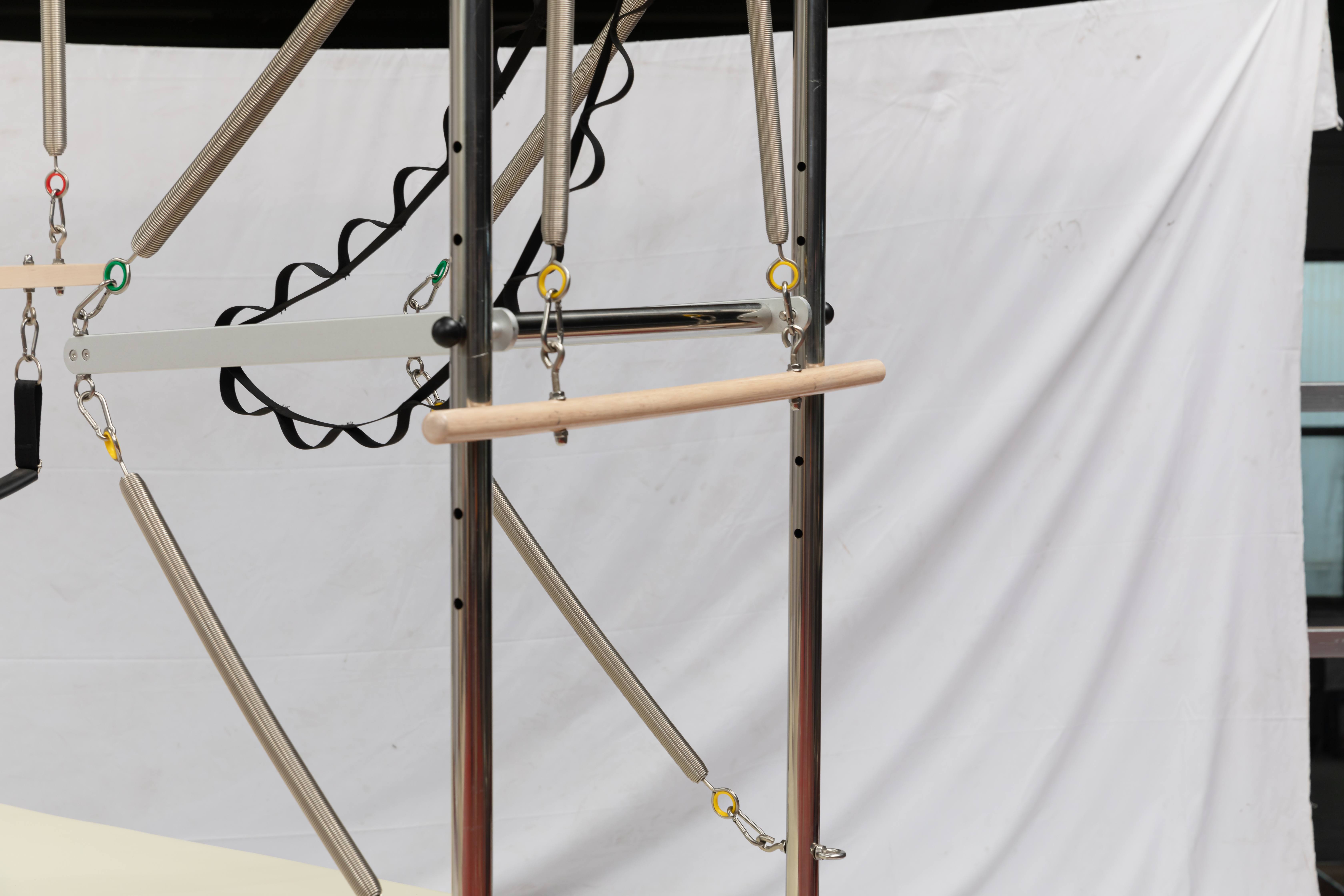
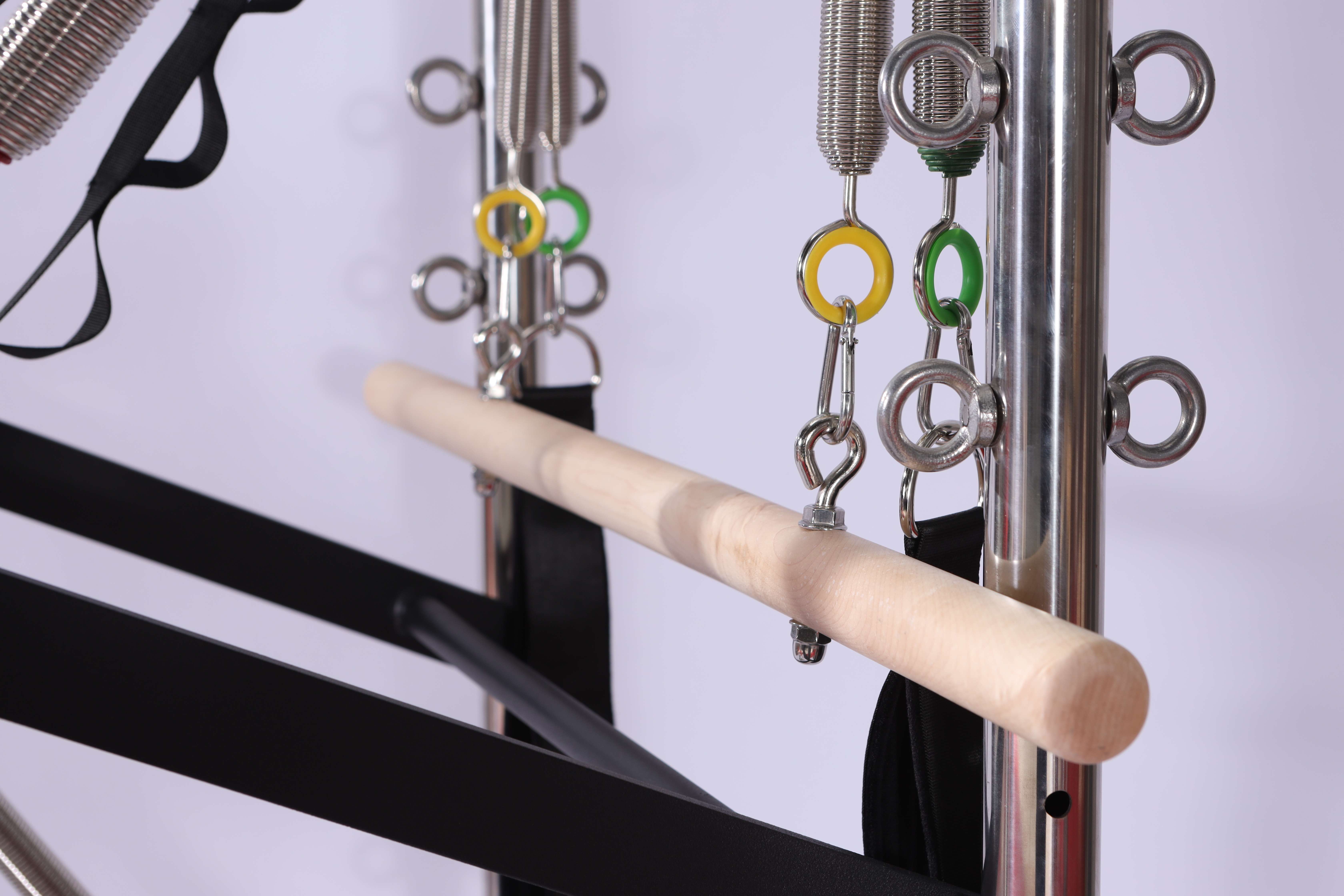
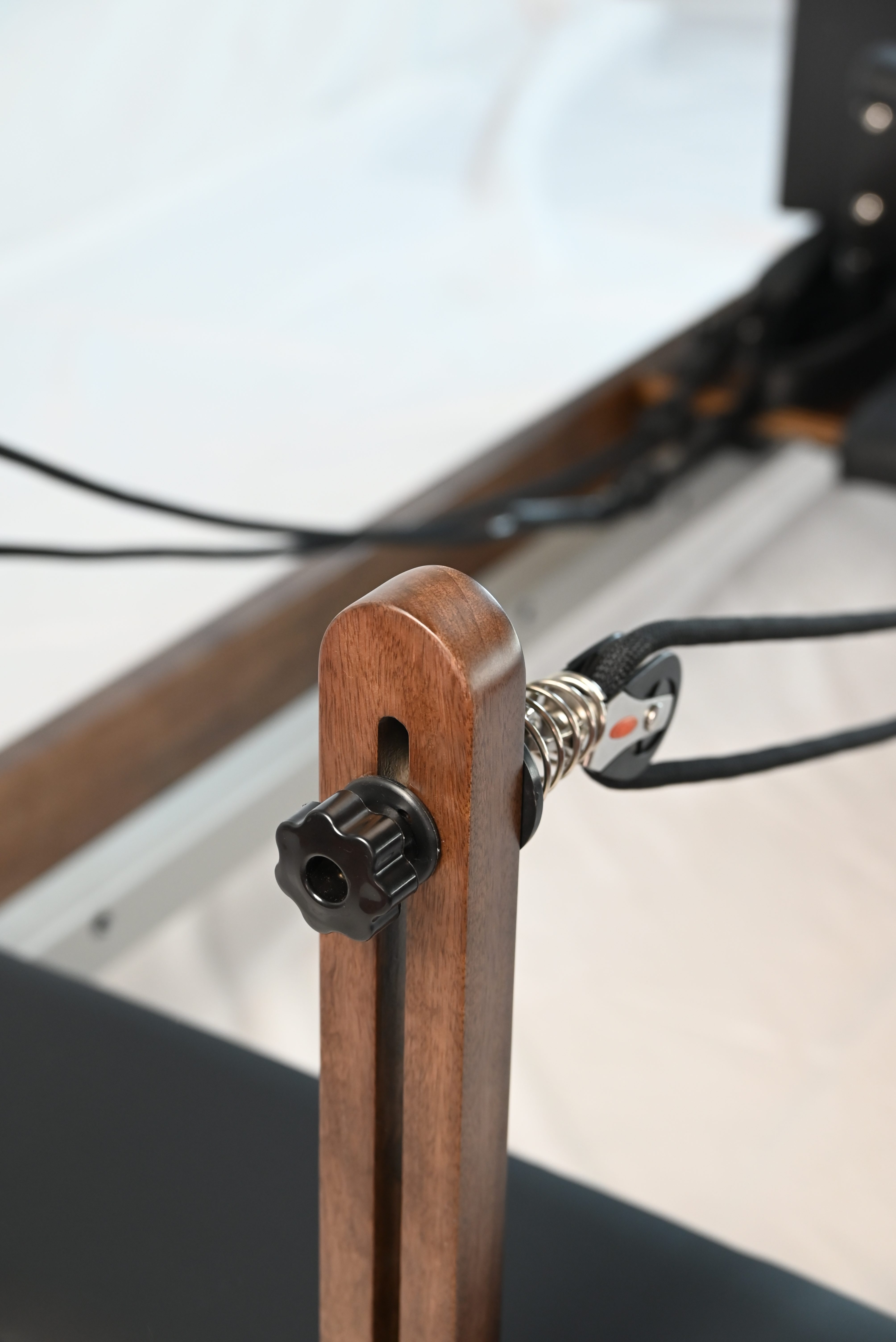
Spring resistance also warrants attention. Lighter settings and shorter levers (closer to the body) are generally preferred as pregnancy advances, reducing load on loosening joints and the abdominal wall. The reformer's footbar and shoulder rests may become uncomfortable or inaccessible as the belly grows, so trainers should be prepared to substitute straps, poles, or alternative setups.
Exercise Selection and Contraindications
Certain movements should be avoided or significantly modified. Traditional spinal flexion exercises—crunches, roll-ups, the Hundred, and forceful rotations combined with flexion—increase intra-abdominal pressure and can worsen diastasis recti or cause abdominal coning. Deep closing rotations of the lower body are generally avoided in favor of gentle upper-body rotations. Inverted positions, where the pelvis sits higher than the chest, are contraindicated for clients experiencing reflux or heartburn.
The reformer's jumpboard should be excluded entirely during pregnancy, as the impact and ballistic loading are inappropriate. Exercises that require prolonged supported kneeling may become uncomfortable later in pregnancy and should be adapted or replaced.
Focus on Deep Core and Pelvic Floor
Rather than training the rectus abdominis, prenatal reformer work should emphasize the transverse abdominis and pelvic floor. These deeper muscles provide essential support as the abdominal wall stretches, helping manage internal pressure and reduce strain. Breathwork is the primary tool: an inhale to prepare, followed by an exhale that engages the deep core and pelvic floor, stabilizes the midline, and regulates pressure through transitions. Trainers should cue this pattern consistently and watch for signs of doming or coning, which indicate the core is not providing sufficient support.
Session Design and Monitoring
Sessions may need to become shorter or less intense as pregnancy progresses. Merrithew's prenatal guidance notes that flexibility and personalization are key, and that some days a shorter, gentler workout will be more beneficial than pushing through a longer session. Trainers should monitor for dizziness, shortness of breath, pain, or unusual discomfort, and adjust immediately. Room temperature, hydration, and time of day can all influence how a pregnant client tolerates the session.
Conclusion
The reformer can serve prenatal clients well when trainers respect the necessary modifications: medical clearance before starting, torso elevation to avoid supine positions after the first trimester, elimination of the jumpboard and high-pressure flexion work, and a consistent focus on breath, deep core, and pelvic floor engagement. The equipment does not need to be abandoned during pregnancy—it needs to be adapted with the same precision and care that Pilates itself demands.