What to Include in Your Pilates Equipment Sales Contract to Reduce Disputes Over Defects and Delays

For Pilates equipment manufacturers, distributors and studio buyers, sales disagreements often stem from vague contracts rather than bad faith. Conflicts frequently erupt over scratched reformer frames, weak springs, delayed ocean shipments, transit damage, and unclear warranty coverage. A well‑written, equipment‑specific sales contract sets clear expectations, defines liability boundaries, and creates a predictable process for handling defects and delivery hold‑ups. This article breaks down the critical clauses you should add to every Pilates equipment sales agreement, whether you are selling reformers, Cadillac tables, ladder barrels, wall units or accessory bundles.
1. Precise Product Specification Schedule (Attached as Annex)
Never rely only on product photos or WhatsApp conversations to define the goods. Add a signed specification annex as part of the formal contract. This is the baseline to judge whether an item is defective or non‑conforming.
Include these details for each Pilates apparatus:
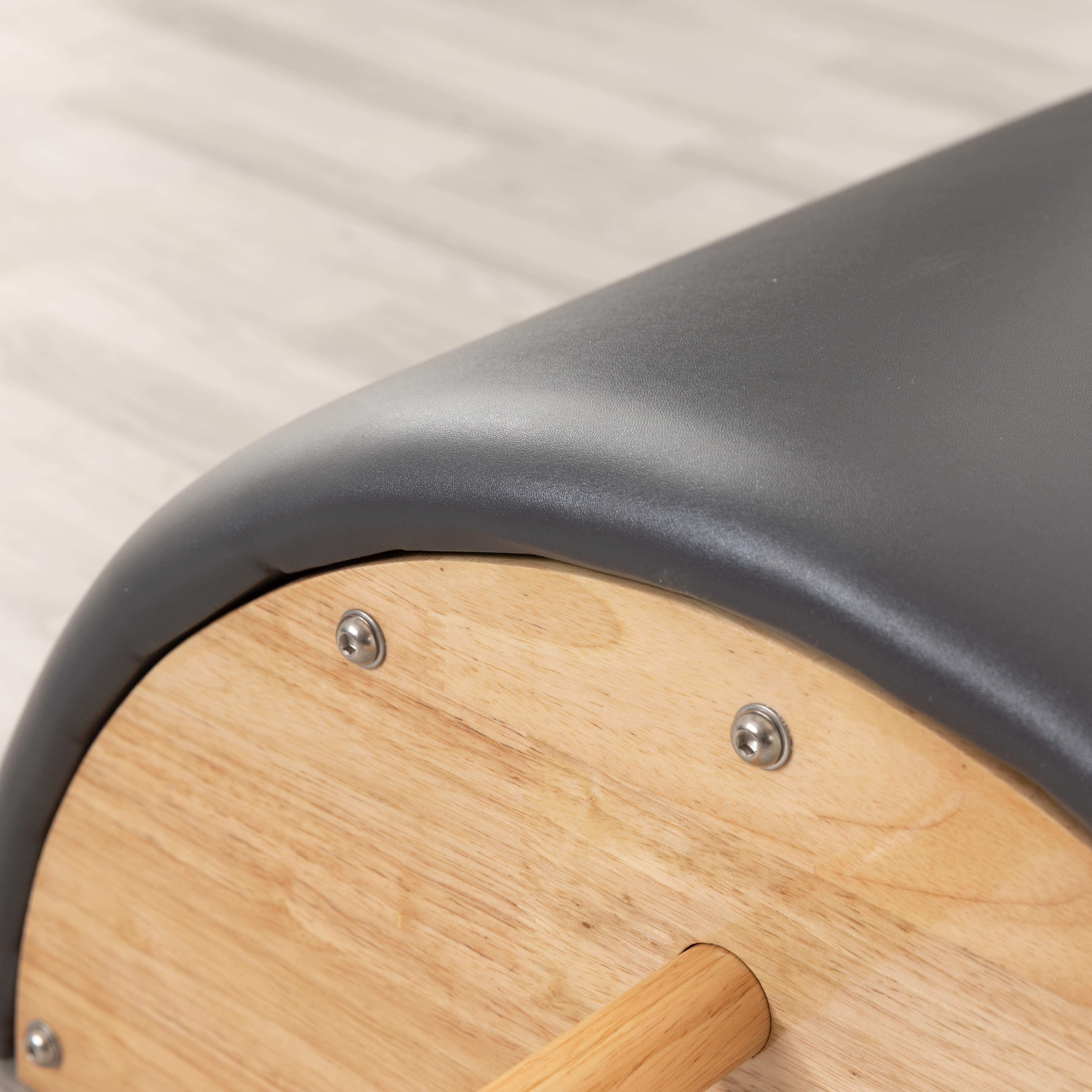
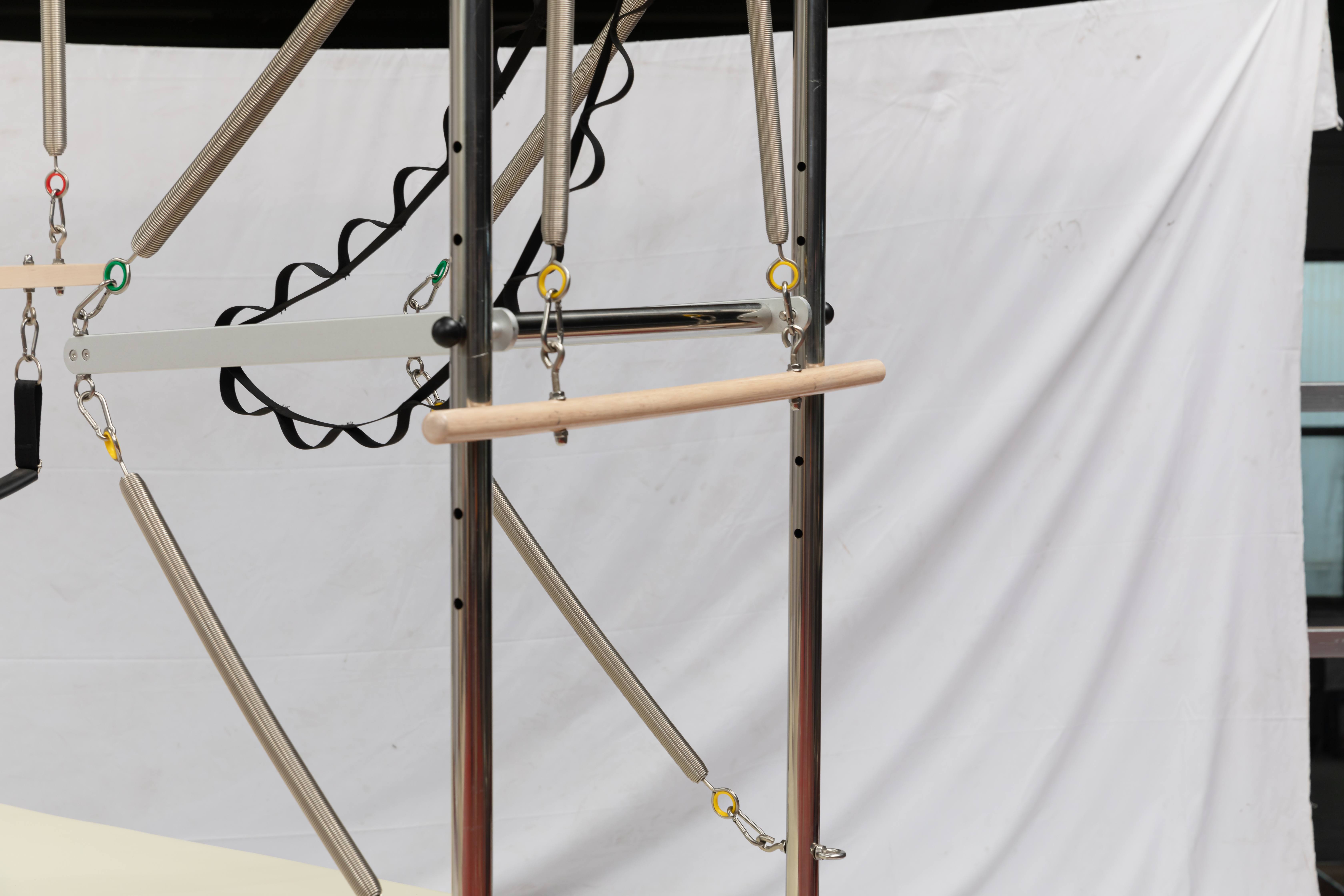
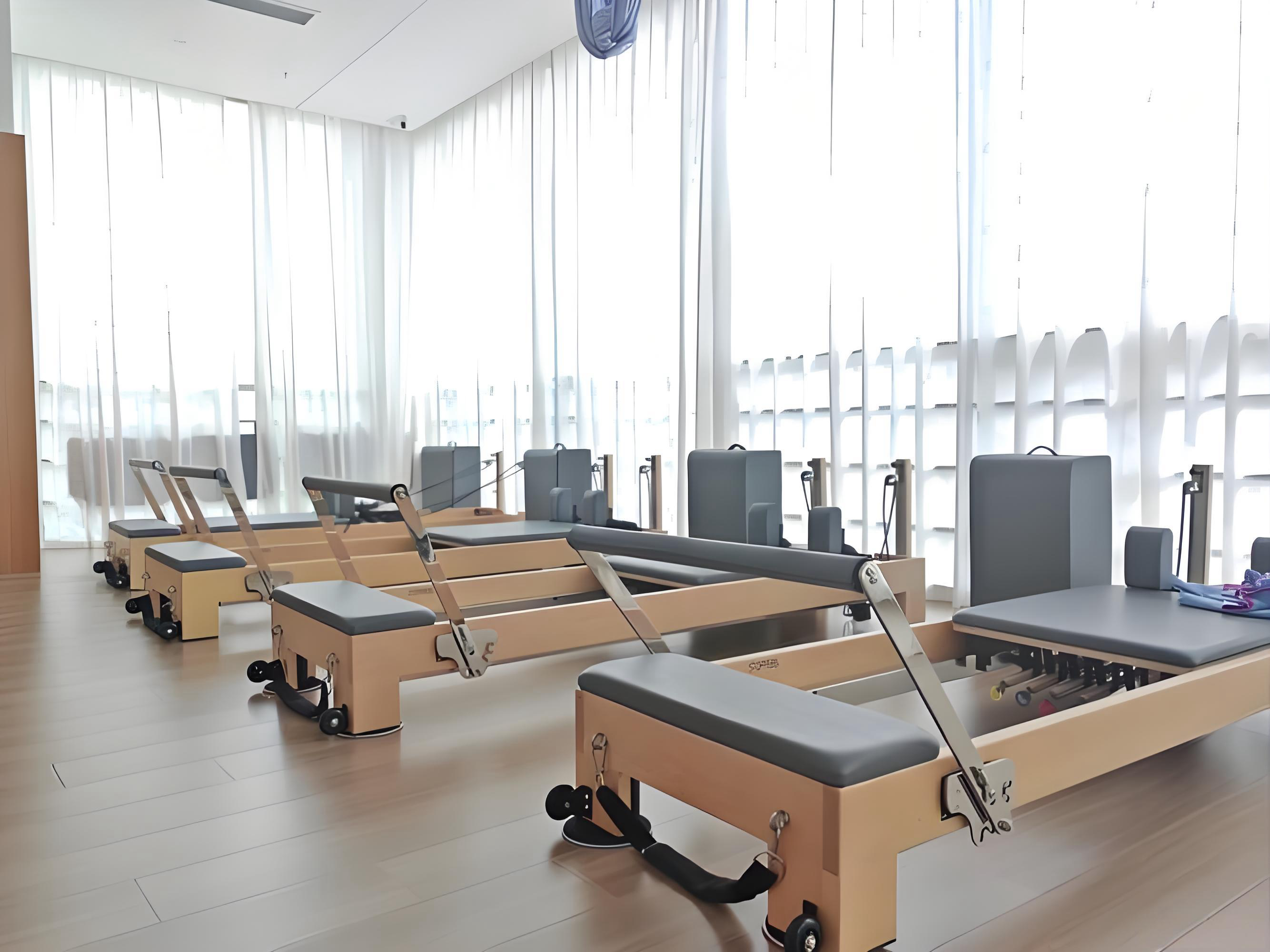
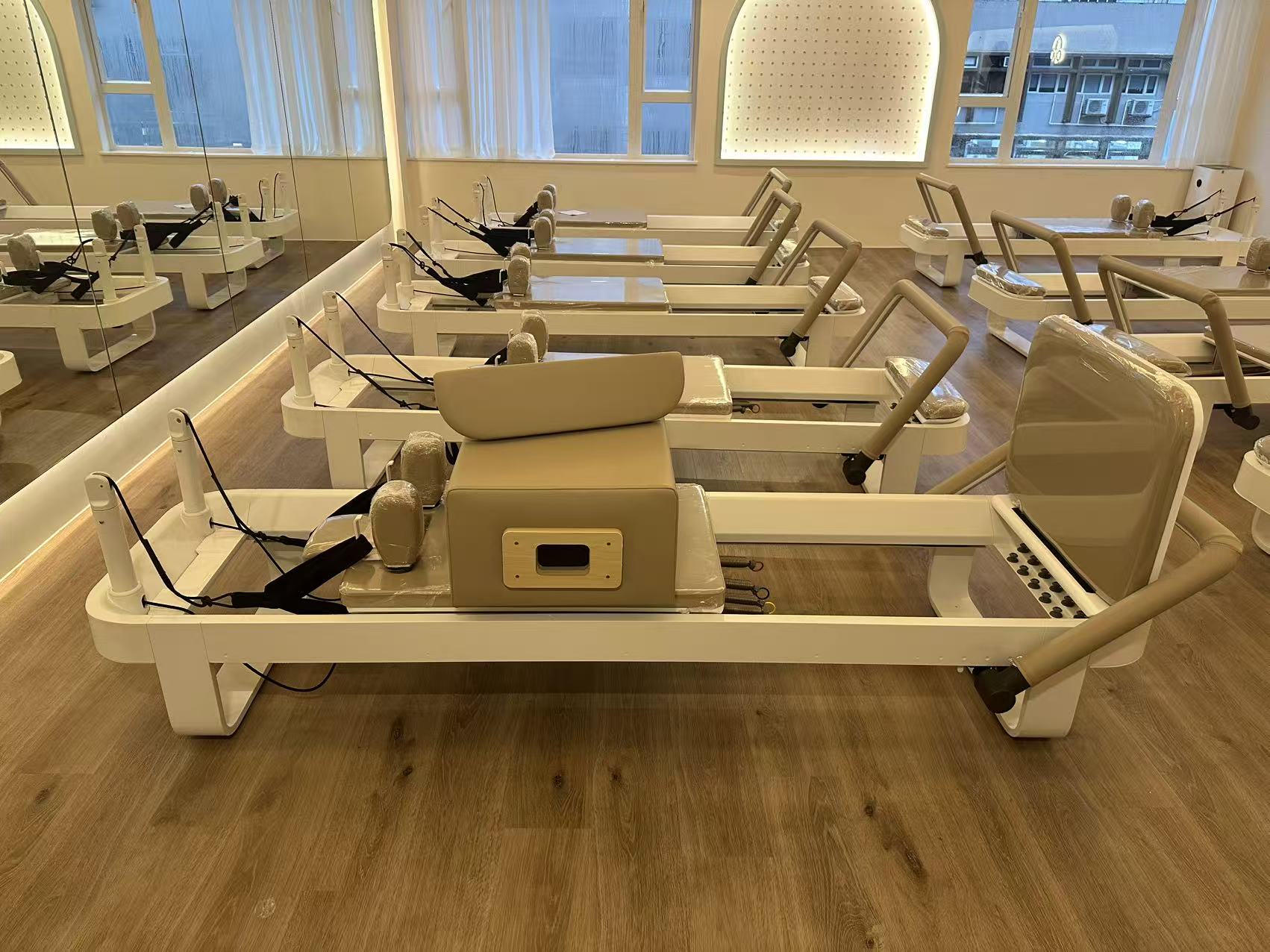
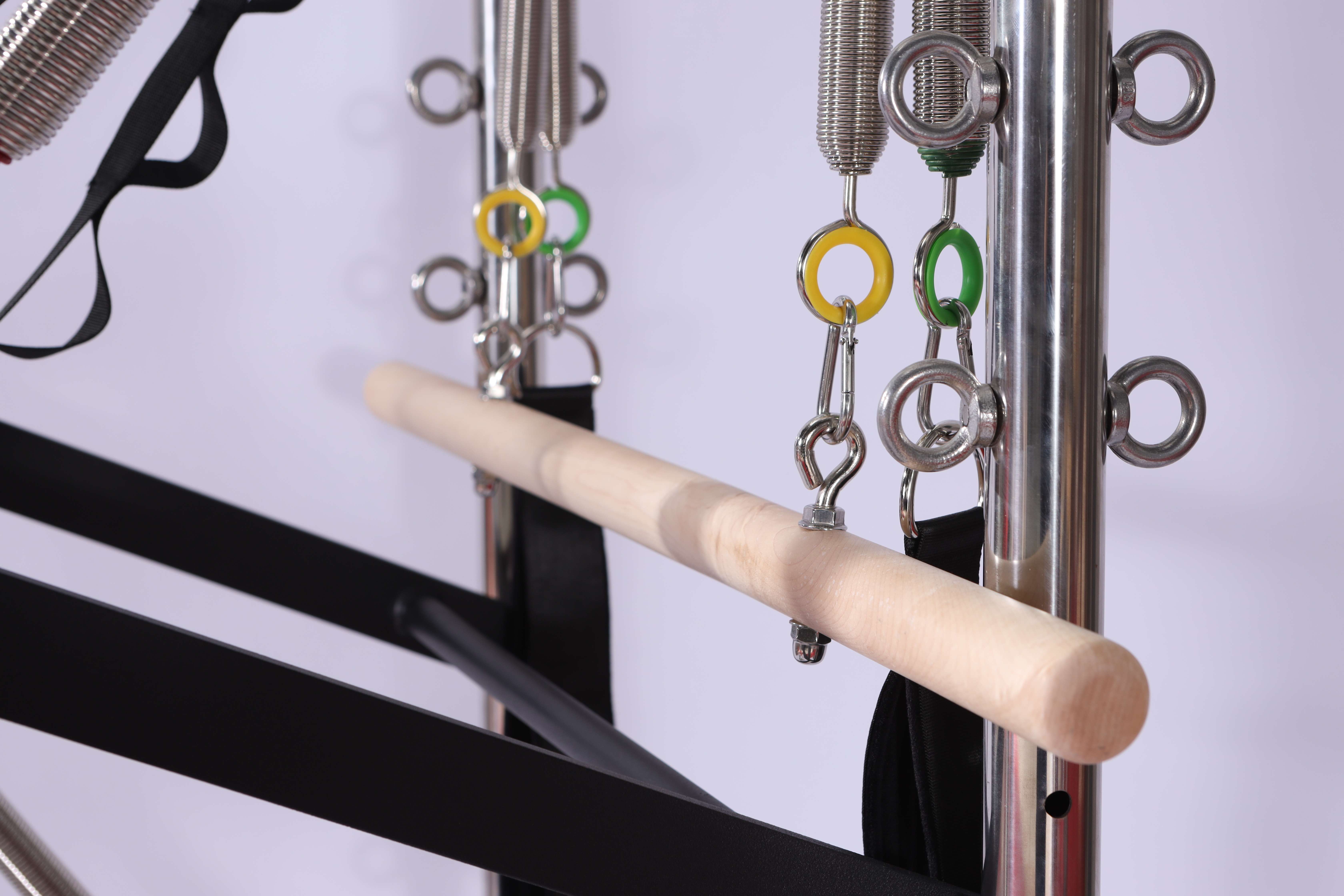
- Exact model, frame material (solid wood / aluminium), upholstery material (PU leather, microfiber), spring grade and origin
- Dimensions, weight, packaging type and pallet requirements
- Custom options: engraved logo, colour choice, upgraded springs, added tower accessories
- Applicable compliance standards such as EN 957 for European imports
- Signed sample reference: confirm whether mass production must match the pre‑approved sample
When specifications are fully documented, both sides avoid arguments like “this is not the leather we agreed on” or “the springs feel softer than the demo unit”.
2. Clear Delivery Timeline, Lead Time and Delay Rules
Delivery delays are the top source of tension between Pilates importers and factories. The contract must distinguish between a firm delivery date and estimated lead time, and define what counts as an excusable delay.
Key terms to write in:
- Agreed ex‑factory date or loading date, not just a vague “shipping soon”
- Notice requirement: if the seller anticipates a delay, how many days in advance must they send formal written notice, and what supporting documents are required
- Force majeure scope: port congestion, raw material shortages, factory power cuts, carrier schedule changes, customs inspections. Explicitly list these to prevent buyers claiming penalties for supply chain events outside the factory’s control
- Remedy for non‑excusable delay: agreed liquidated damages cap, extension process, and the conditions under which the buyer may cancel the order
A common mistake is promising an arrival date at the destination port. Most factories can only control the ex‑factory date; ocean transit schedules belong to the shipping line. Clarify Incoterms (FOB, CIF, DDP) here, and state exactly when risk of loss transfers to the buyer.
3. Inspection, Defect Notification and Evidence Rules
Most contracts fail because they do not set a formal claim window and evidence standard. Pilates equipment has two types of defects: obvious visual damage on unpacking, and hidden functional defects that appear after weeks of studio use.
Define this process clearly:
- Pre‑shipment inspection: whether the buyer or third‑party inspector may visit the factory before loading
- On‑arrival inspection window: e.g. visible damage, missing parts, wrong models must be notified in writing within 3–7 working days after receiving goods, with unboxing video, photos and packaging intact evidence
- Hidden defect notification period: functional issues such as noisy carriage, spring fatigue, unstable frame joints, to be reported within the warranty term
- What evidence is required: serial numbers, photos of defect areas, test videos, batch number
- Rejection limits: partial rejection for defective units only, rather than the whole container shipment
Without this clause, buyers may file a damage claim months after installation, after the packaging and carrier claim window has long closed.
4. Warranty Scope and Exclusion List
Pilates equipment warranty disputes almost always happen because the coverage is not narrowed down. The contract must separate covered manufacturing defects from excluded damage.
Warranty coverage example:
- Frame structure (wood / aluminium) for 3 years
- Springs, carriage rollers, pulleys and upholstery for 1 year
- Warranty only applies to defects in raw material and factory workmanship
Critical exclusions that must be stated:
- Damage caused by improper installation, overloading, incorrect use, studio floor settlement
- Scratches, dents, breakages from ocean transit, forklift handling or poor palletizing
- Normal wear and tear from daily commercial use
- Unauthorised modification, replacement of non‑original spare parts
- Damage from cleaning chemicals, humid environments or lack of regular maintenance
Also specify the remedy hierarchy: repair first, replace parts if repair fails, and whether the seller covers freight for warranty components. For B2B distributor orders, clarify whether the manufacturer provides spare parts at cost or free of charge under warranty.
5. Allocation of Transit Damage Risk and Insurance
This clause ties directly to your chosen Incoterm. If the contract is FOB, risk transfers once goods are loaded on the vessel; buyer arranges cargo insurance. If it is CIF, the seller buys basic insurance, but the buyer still bears risk after loading.
Write into the contract:
- Who purchases cargo insurance
- Who submits claims to the shipping line or insurer
- Who pays for replacement, freight and labour when goods are damaged in transit
- Whether the seller provides replacement units while waiting for the insurance settlement
Many new distributors mistakenly assume the factory is responsible for all damage that arrives broken, even when the damage happens during ocean transport. This clause eliminates that misunderstanding.
6. Payment Terms Linked to Milestones
Tie payment releases to defined milestones, which reduces disputes over delayed delivery and quality hold‑ups.
Standard structure for Pilates bulk orders:
- Deposit percentage upon contract signing
- Balance before ex‑factory, or against copy of bill of lading
- No final payment release obligation until pre‑shipment inspection is completed as agreed
Avoid open‑ended payment terms. If the buyer withholds payment, the contract should state the grounds for withholding and the process for quality dispute resolution, rather than allowing unlimited payment suspension.
7. Change Order Clause
Studio owners and distributors often request last‑minute changes: different upholstery colour, upgraded spring sets, added logo engraving. These changes push back production and cause cost conflicts.
The contract should require:
- All revisions must be confirmed in a written change order
- Adjusted price and new lead time are signed off by both parties
- Verbal changes are not binding
This prevents the buyer from adding custom requirements after production starts and then arguing about price and delay.
8. Dispute Resolution Governing Law
Choose governing law and dispute venue upfront. For cross‑border Pilates equipment trade between Chinese factories and European / North American distributors, many parties choose arbitration instead of national court litigation, which is faster and more neutral.
State:
- Governing law
- Whether disputes go to mediation first before arbitration
- Language of arbitration, cost allocation for the losing party
This avoids expensive, unpredictable cross‑border lawsuits when a large equipment order goes wrong.
9. Final Acceptance Definition
Add a clause that defines when the buyer is deemed to have accepted the goods. For example: if the buyer receives the equipment and does not submit a compliant defect notice within the agreed inspection window, the goods are accepted, and the buyer cannot later reject the shipment for visible defects. This protects sellers from delayed, opportunistic claims.
Practical Tip for Pilates Equipment Sellers
For every quotation and contract you send to studio owners and resellers, attach this clause set alongside your equipment spec sheet and warranty schedule. Taking the time to define defects, inspection windows, delay rules and risk transfer will not slow down sales. It builds trust: professional distributors know that a clear contract means you are a reliable supplier, not one that hides behind vague terms.
Disputes rarely benefit either side. A carefully built sales contract turns ambiguous expectations into objective rules, keeps your Pilates equipment shipments on track, and protects your profit margin when quality or delivery issues arise.