Wood vs. Aluminum Reformers: An Honest Buyer's Comparison

The frame material question is one of the first decisions every reformer buyer faces, and it attracts more marketing noise than almost any other specification. Wood is sold as traditional and warm; aluminum is sold as modern and practical. Both claims are true, but neither tells you what actually matters when the machine arrives in your space. Here is an honest comparison based on what changes in daily use, not what sounds good in a brochure.
The One Thing That Does Not Differ
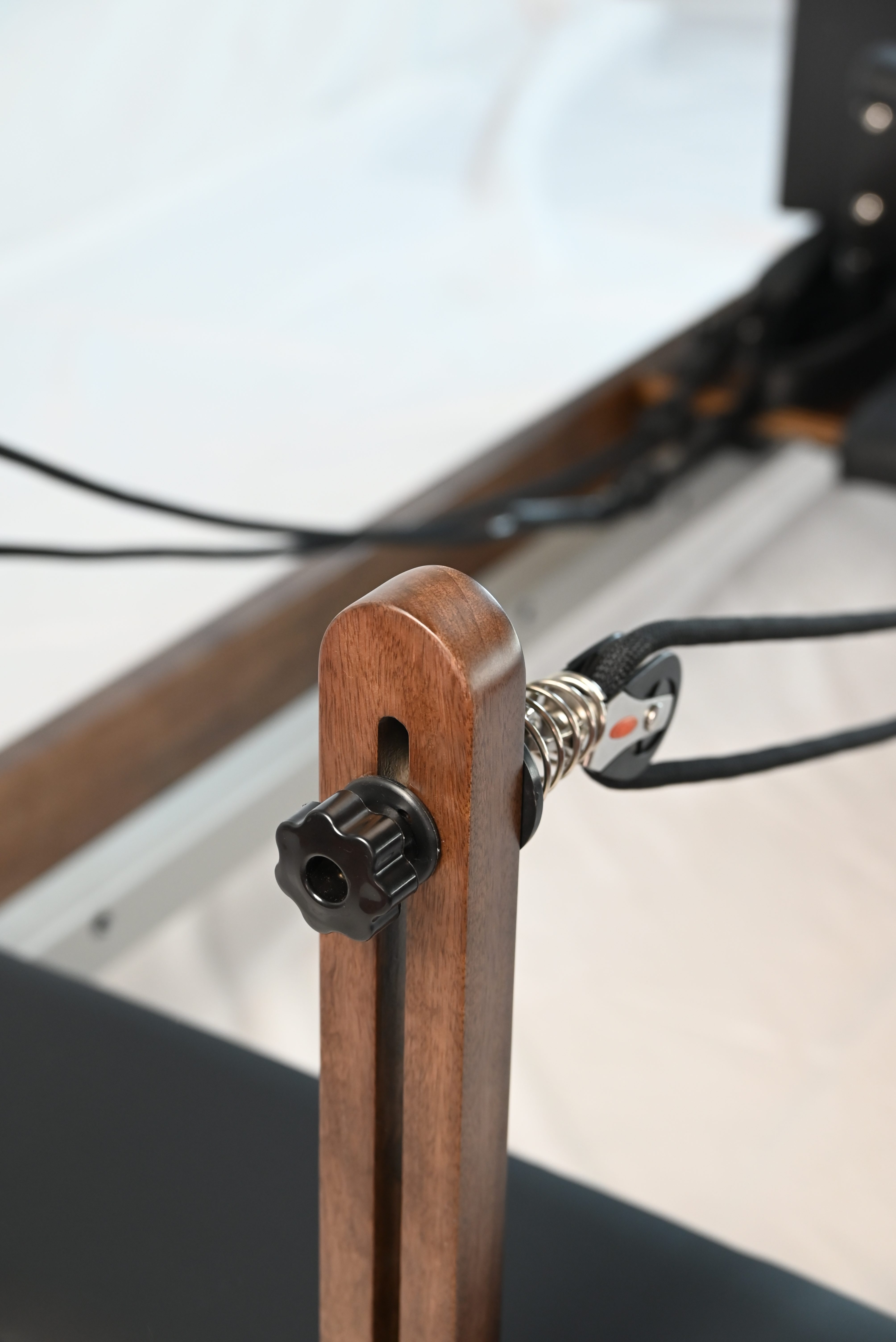
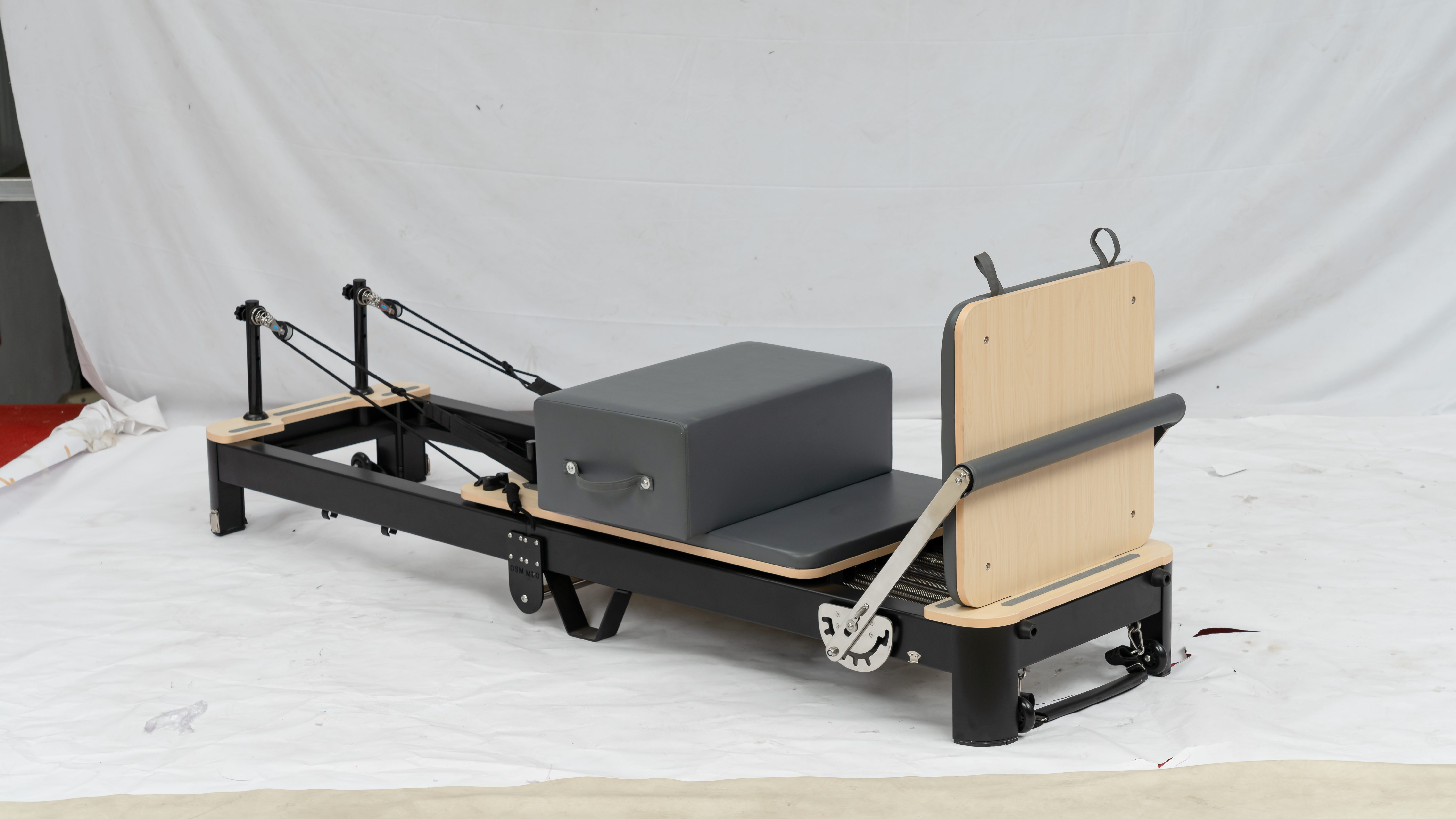
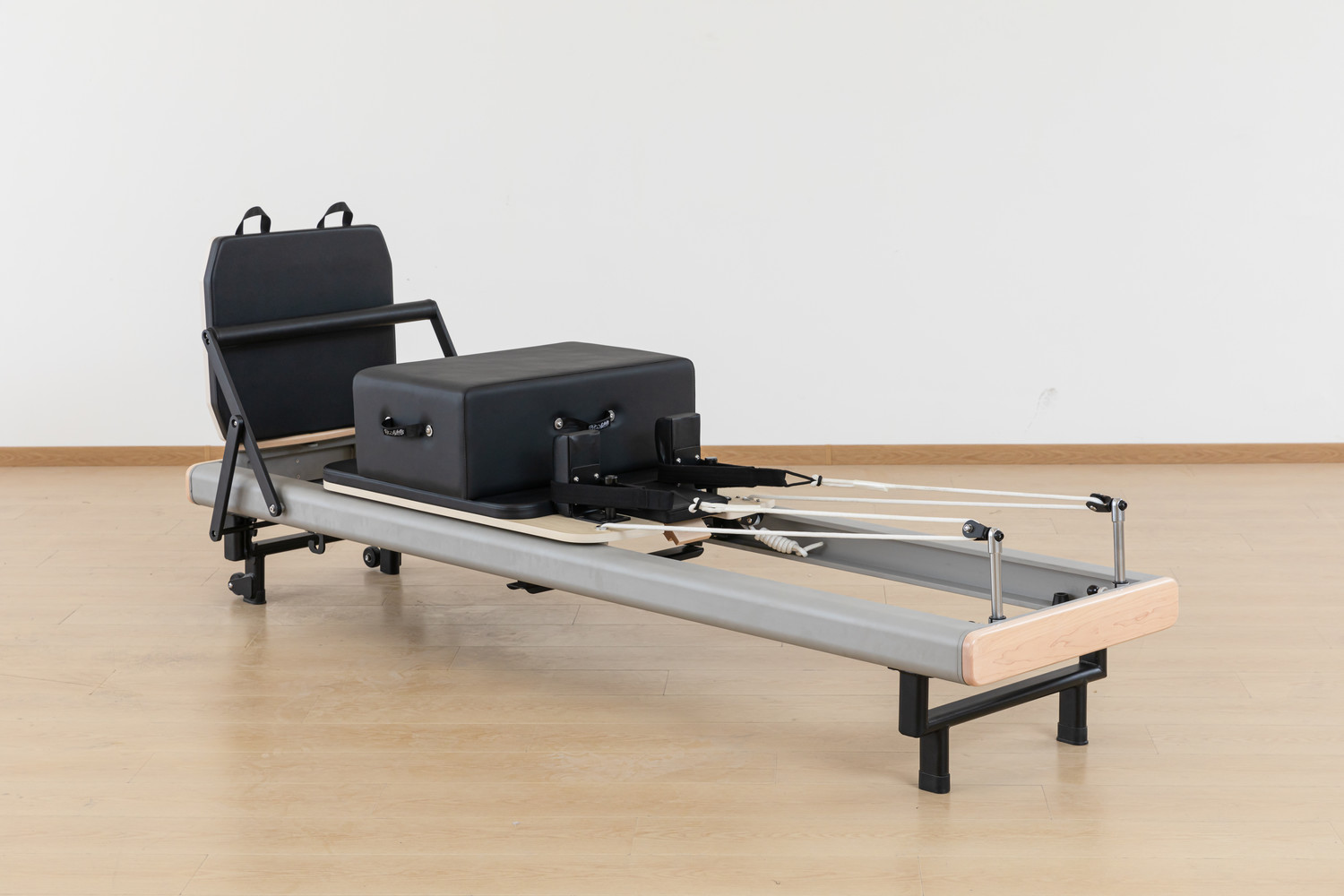
Springs, ropes, shoulder rests, and carriage systems work the same way regardless of frame material. A well-built reformer of either type will perform well; a poorly built one will not. In fact, several manufacturers offer identical reformer models in both wood and aluminum, sharing the same rails, springs, and upholstery, with the frame material as the only meaningful variable . This is worth remembering when a sales page implies that frame material determines the quality of the workout itself.
Weight and What It Actually Means
The most concrete difference is weight. Solid hardwood reformers, typically maple or oak, are heavy. A maple reformer can weigh around 75 kg (165 lb), while aluminum models often land in the 25–40 kg range . Some comparisons put hardwood at 100–140 lb and aluminum at 70–95 lb . The numbers vary by model, but the pattern is consistent: aluminum is substantially lighter.
This weight has two consequences. First, a heavy wooden reformer stays put during forceful movements. That grounded feel is genuinely pleasant, especially for advanced work. Second, moving it is a two-person job. If your reformer will live in one room and rarely move, the weight is an asset. If you need to fold it, store it, or shift it between rooms, aluminum is far more practical .
One honest caveat: weight correlates with stability but does not guarantee it. A well-designed aluminum frame at 85 lb can be stiffer than a poorly designed timber frame at 130 lb . The engineering matters more than the number on the scale.
Noise and Feel
Wood dampens vibration. The density of hardwood absorbs impact when the carriage reaches the spring stop, producing a quieter, more muted operation. Aluminum frames, often hollow, transmit more sound and feel lighter underfoot.
But the frame is not the primary source of noise. Bearing quality and rail condition matter far more. A well-built aluminum reformer with sealed bearings can be nearly as quiet as a wooden one, while a neglected wooden reformer with worn bearings will rattle regardless. If quiet operation is a priority, inspect the carriage system before judging the frame.
Humidity: The Factor Buyers Underestimate
Wood responds to its environment. In very dry conditions, typically below 30% relative humidity, hardwood joints can loosen over time; in very damp conditions, wood can swell and bind moving parts . Reputable manufacturers kiln-dry their lumber to a controlled moisture content and engineer joinery to tolerate normal indoor fluctuations, but no wooden reformer is entirely immune to extreme environments .
Aluminum is dimensionally stable regardless of humidity. For garages, basements, coastal properties, or rooms with aggressive heating, this removes a genuine risk .
That said, the springs and hardware are vulnerable to humidity on both types. Coastal air accelerates corrosion regardless of frame material, so spring replacement cycles may be shorter near the sea . The frame is only one part of the climate equation.
Aesthetics: The Honest Tiebreaker
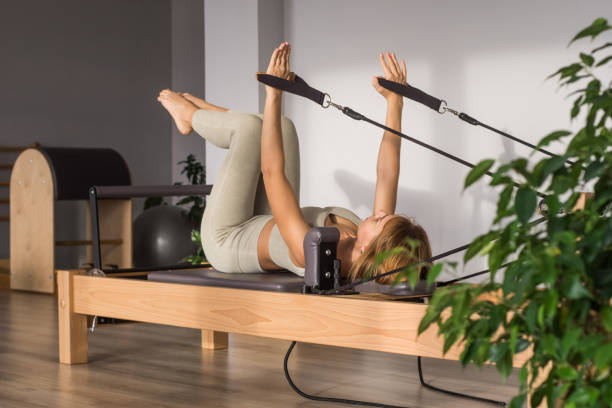
This is where preference legitimately decides. Wood reformers look like furniture. They blend into living rooms and boutique studios, and many home users choose wood precisely because they want the machine to remain visible without looking like gym equipment . Aluminum has a sleeker, more clinical appearance that suits commercial spaces where equipment is wiped down frequently and a contemporary look is desired.
Neither is objectively better. The question is whether you want your reformer to disappear into a dedicated training room or become part of your living space.
Price and Long-Term Value
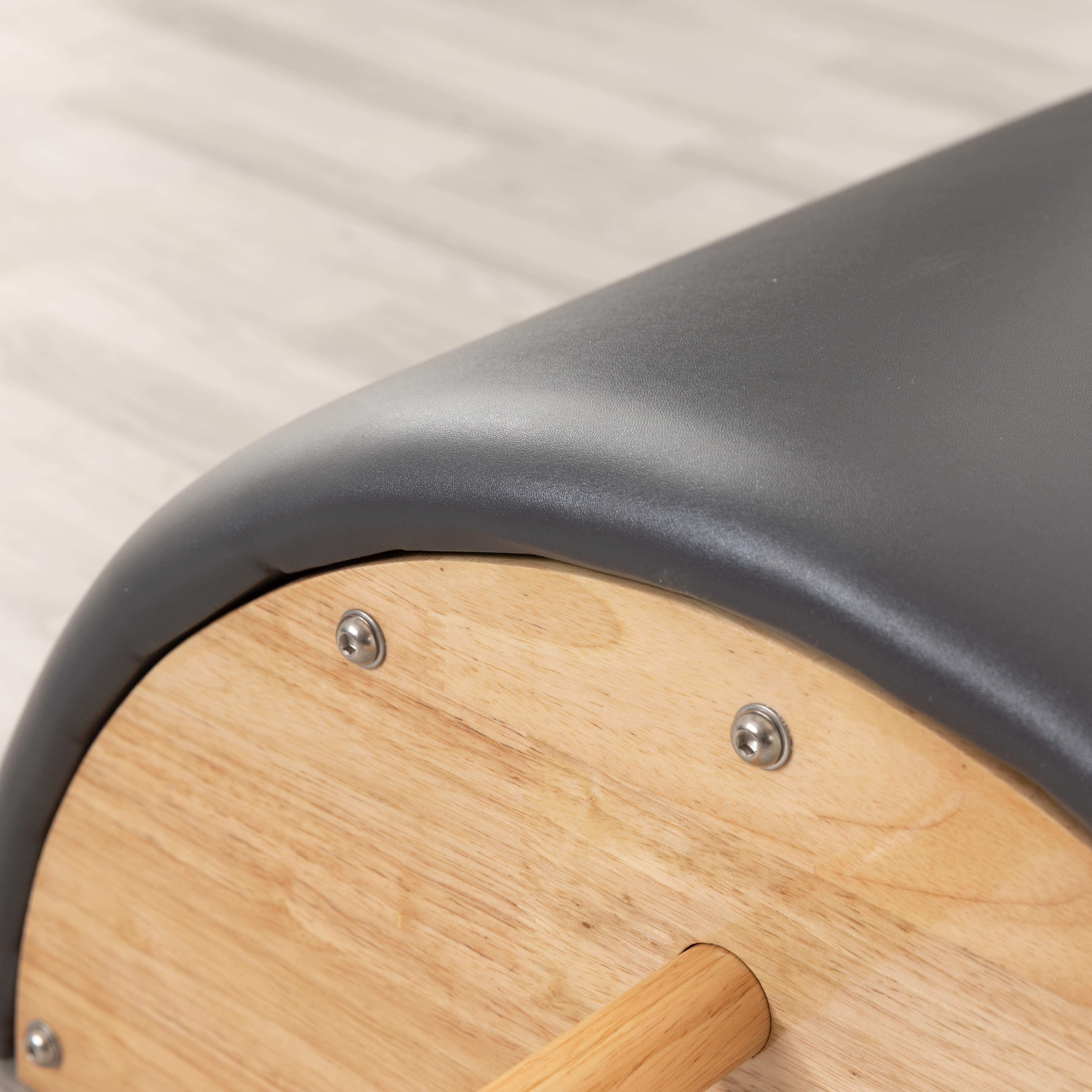
Entry-level aluminum reformers can be less expensive than premium hardwood models, though high-end examples of both often sit at similar price points. Premium wood frames command higher prices because of the craftsmanship required—hand-selection, shaping, sanding, and finishing solid hardwood takes time that precision metal fabrication does not .
The more important consideration is total cost over time. Both materials, when well-made, outlast their wear components. Springs, ropes, and upholstery need replacement on either type, and those costs are comparable. The frame itself is rarely what ends a machine's life. Resale value favors premium brands in both materials, though wooden reformers with strong reputations often hold appeal for home buyers seeking aesthetic quality.
The Question That Actually Decides It
Before weighing specifications, ask one practical question: will the machine move?
If your reformer will live in one place for years in a climate-stable room, a wood reformer offers a quieter, more grounded experience and a warmer presence. If it will be folded, stacked, moved between rooms, or kept in a space with humidity fluctuations, aluminum removes most of the risk and half the weight.
Build quality within each material varies more than between them. A thin, bolted aluminum frame and a poorly jointed wooden one will both develop problems. Examine the joints, the rail, the bearings, and the carriage system. Try both if you can. The right choice is the one that fits how you actually train and where you actually live.