Entry-Level vs. Professional Pilates Reformers: What Changes?

When shopping for a Pilates reformer, the price gap between entry-level and professional models can be striking. The difference is not simply a matter of branding or prestige. It comes down to how the machine is built, how long it lasts, and how it performs under repeated use. Understanding what actually changes as you move up the price ladder helps you decide which tier fits your situation.
Frame Construction and Stability
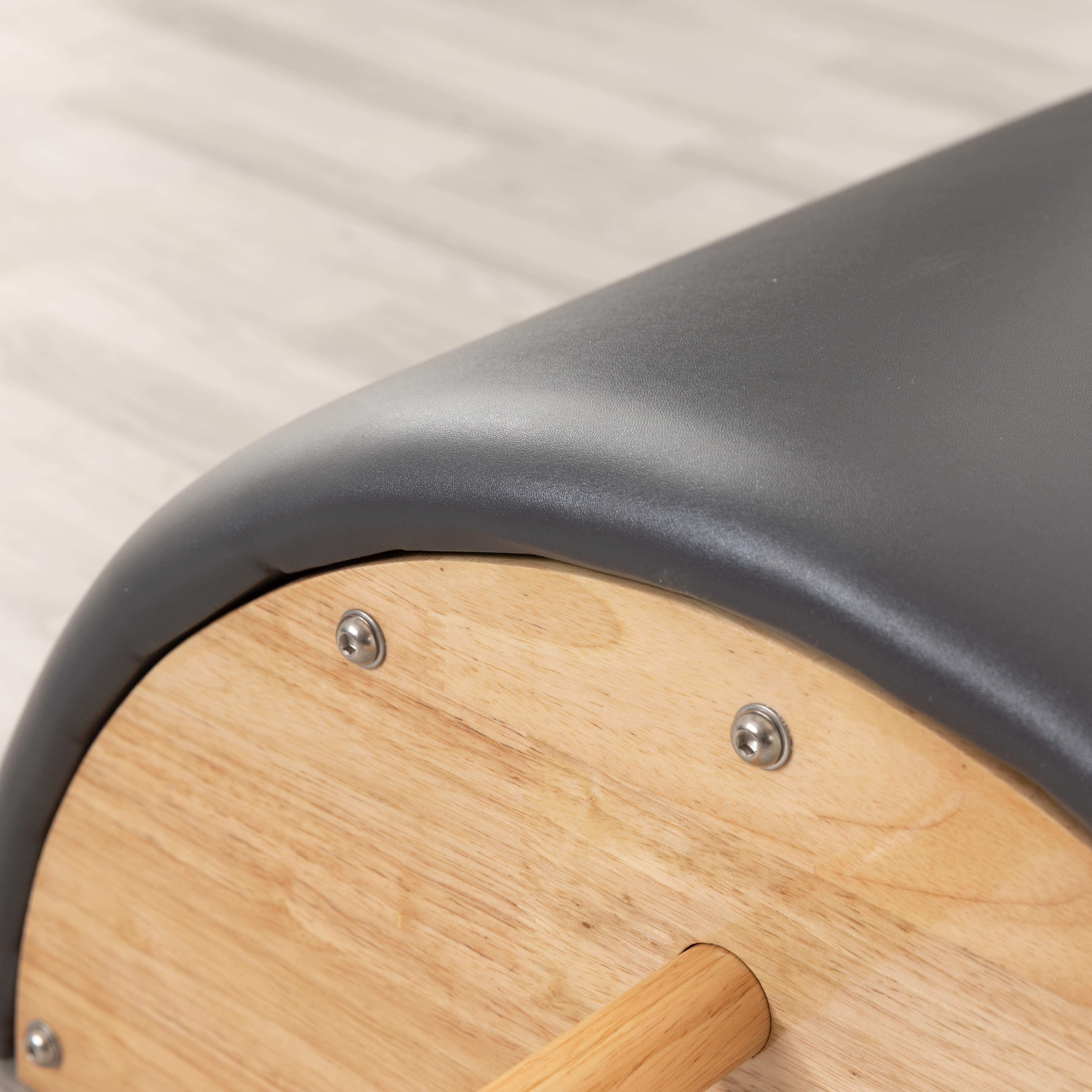
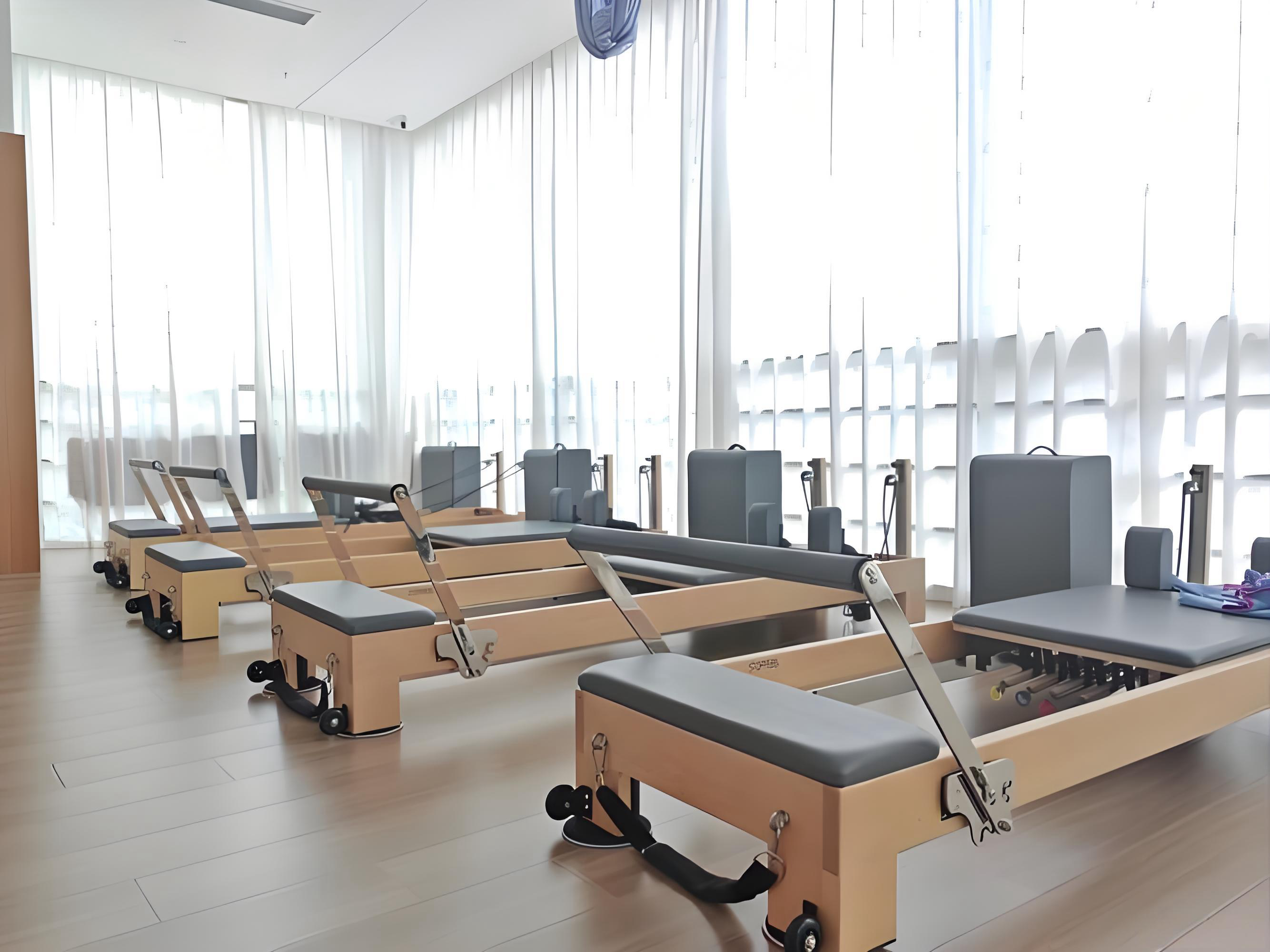
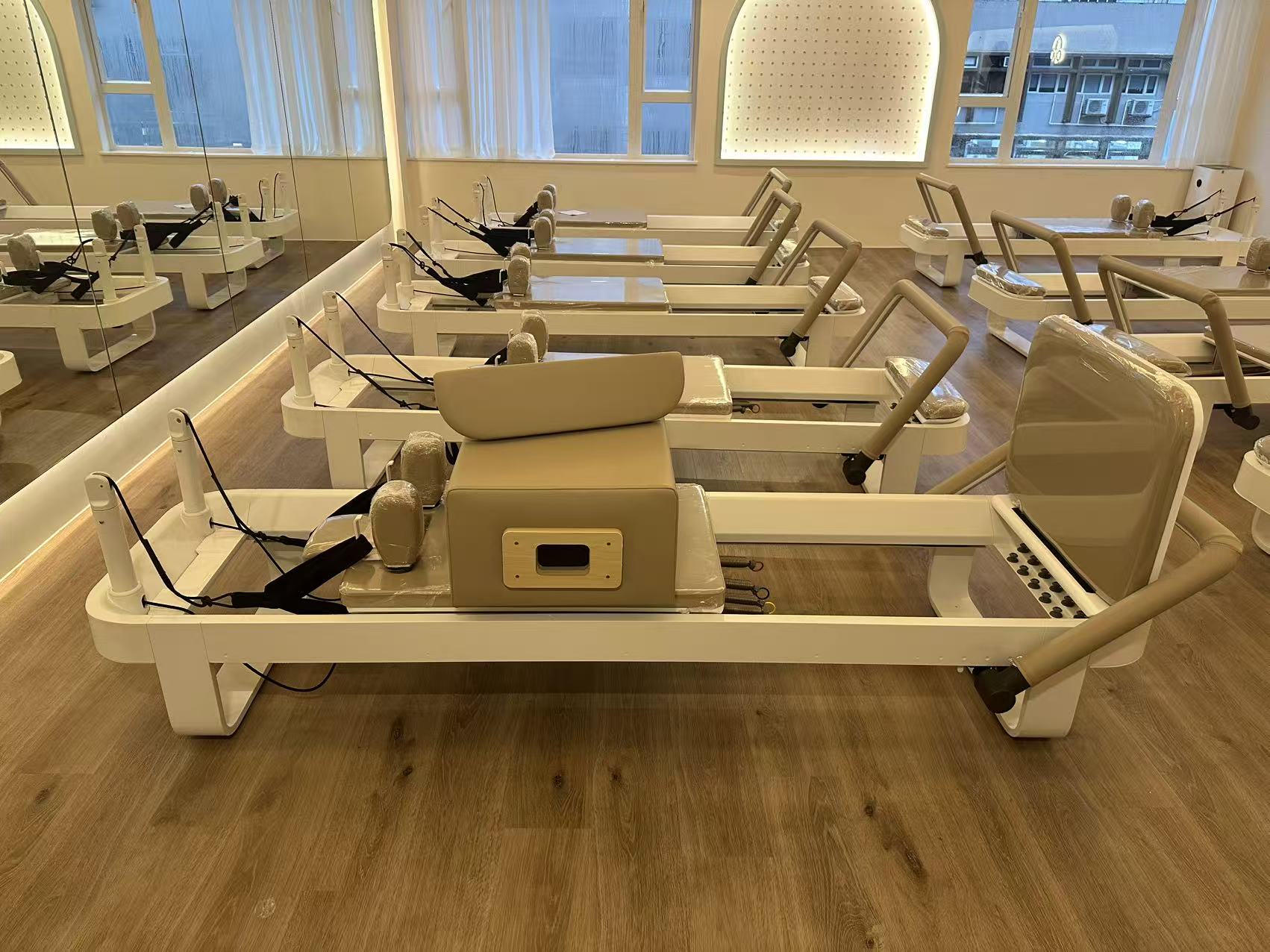
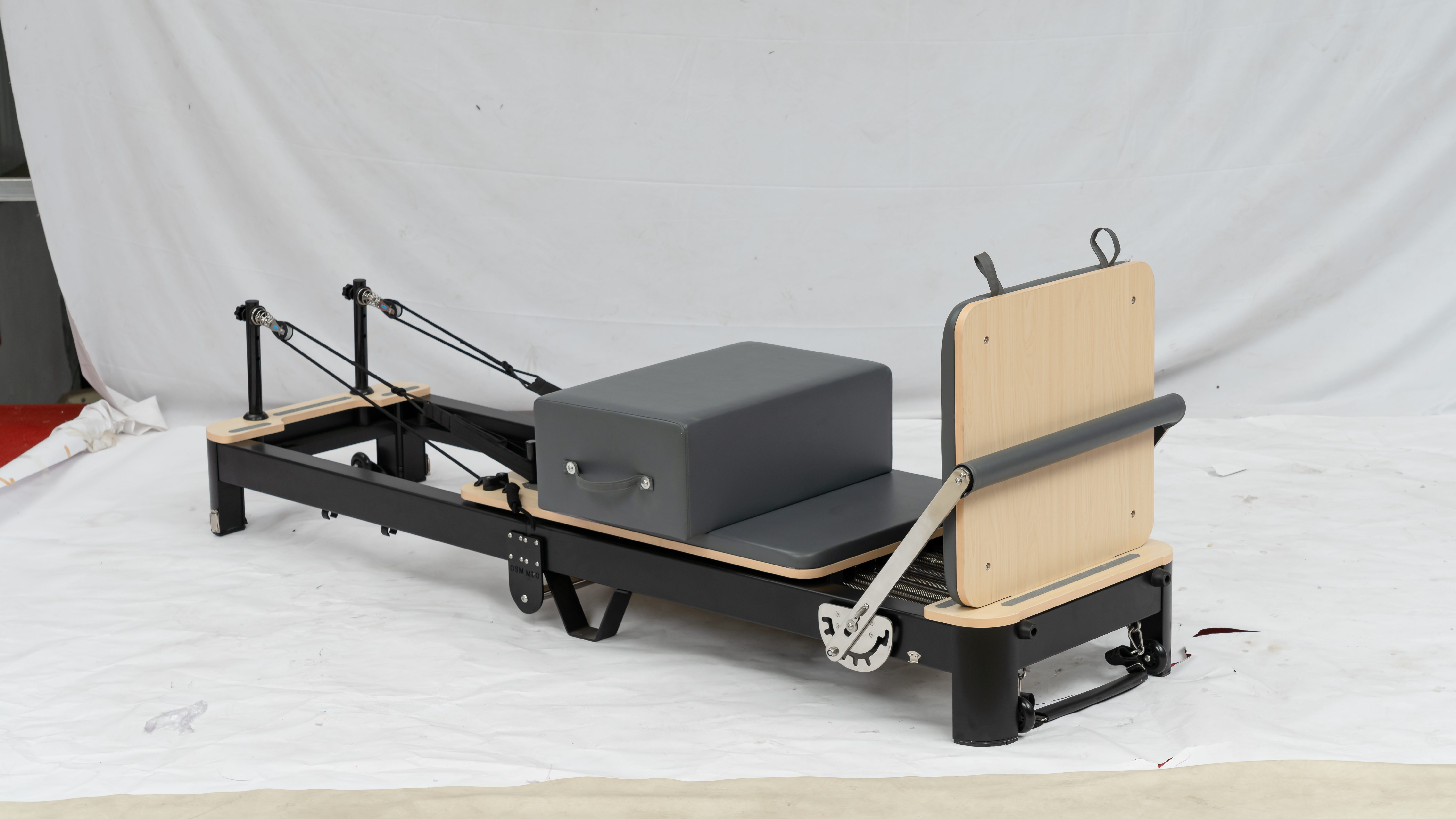
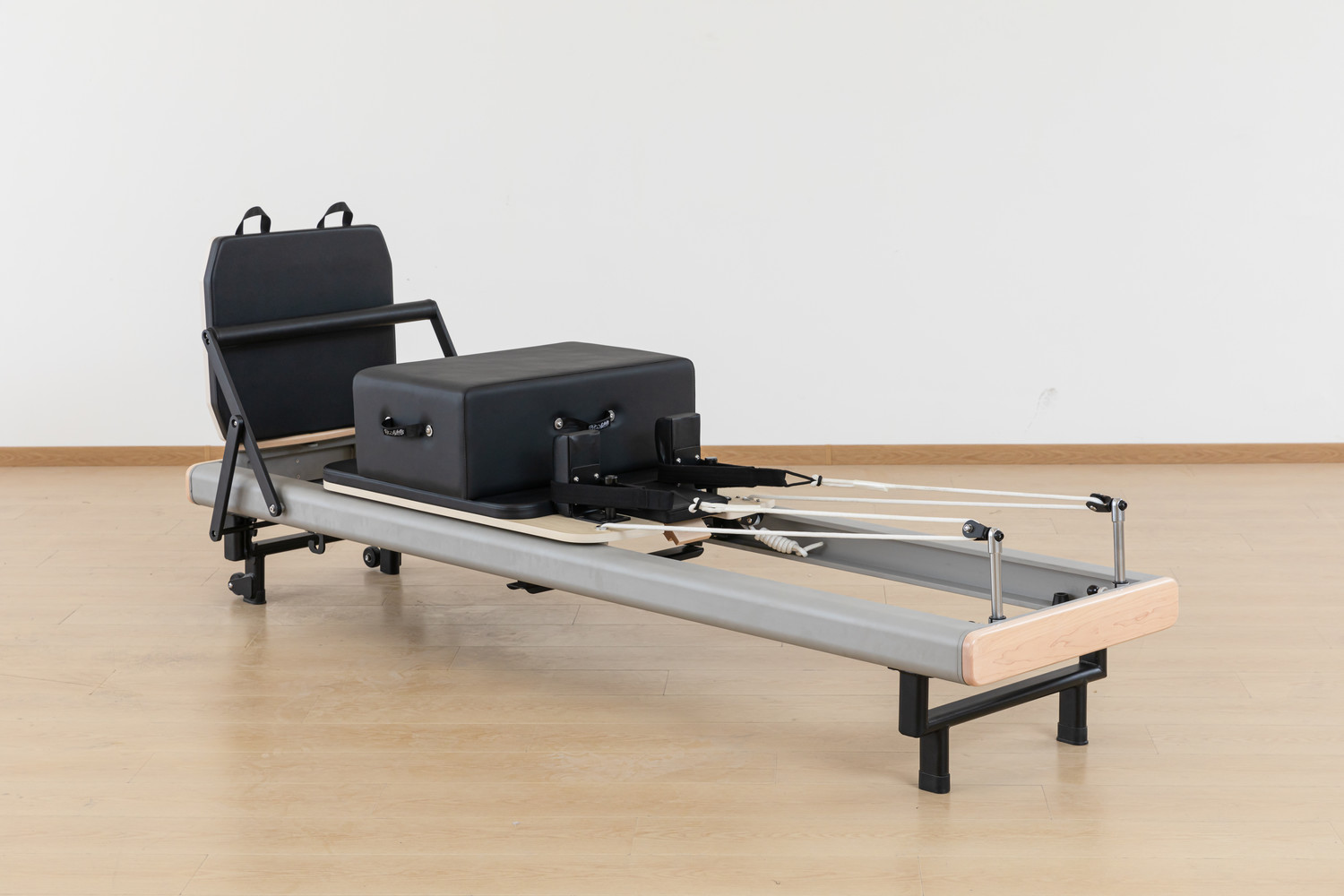
The most fundamental difference lies in the frame. Entry-level home reformers often use lighter materials and thinner profiles to keep costs and weight down. These frames may flex slightly under load, which can affect alignment during precise movements . Professional reformers, by contrast, are built with heavier-gauge steel, aircraft-grade aluminum, or solid hardwood. Merrithew’s professional line, for example, is manufactured in Canada using materials selected to withstand continuous, high-intensity studio use . This added mass translates directly into stability. When you push forcefully against the footbar or perform dynamic movements, the machine stays planted rather than shifting or vibrating.
Carriage and Bearing Systems
The carriage is where you spend every session, and its quality separates entry-level from professional equipment more than any other component. Budget reformers often use plastic wheels on basic tracks. Over time, these wheels develop play, produce audible noise, and create uneven resistance as they wear . Professional reformers use sealed bearing systems and precision-engineered carriages designed to glide silently and hold their alignment after thousands of sessions. Merrithew’s fixed/floating roller system is one example, engineered to provide a consistently smooth carriage ride along the rails . On a studio floor, a squeaky or uneven carriage is not just an annoyance—it is a client experience problem that undermines the premium feel of a session.
Resistance Systems and Spring Quality
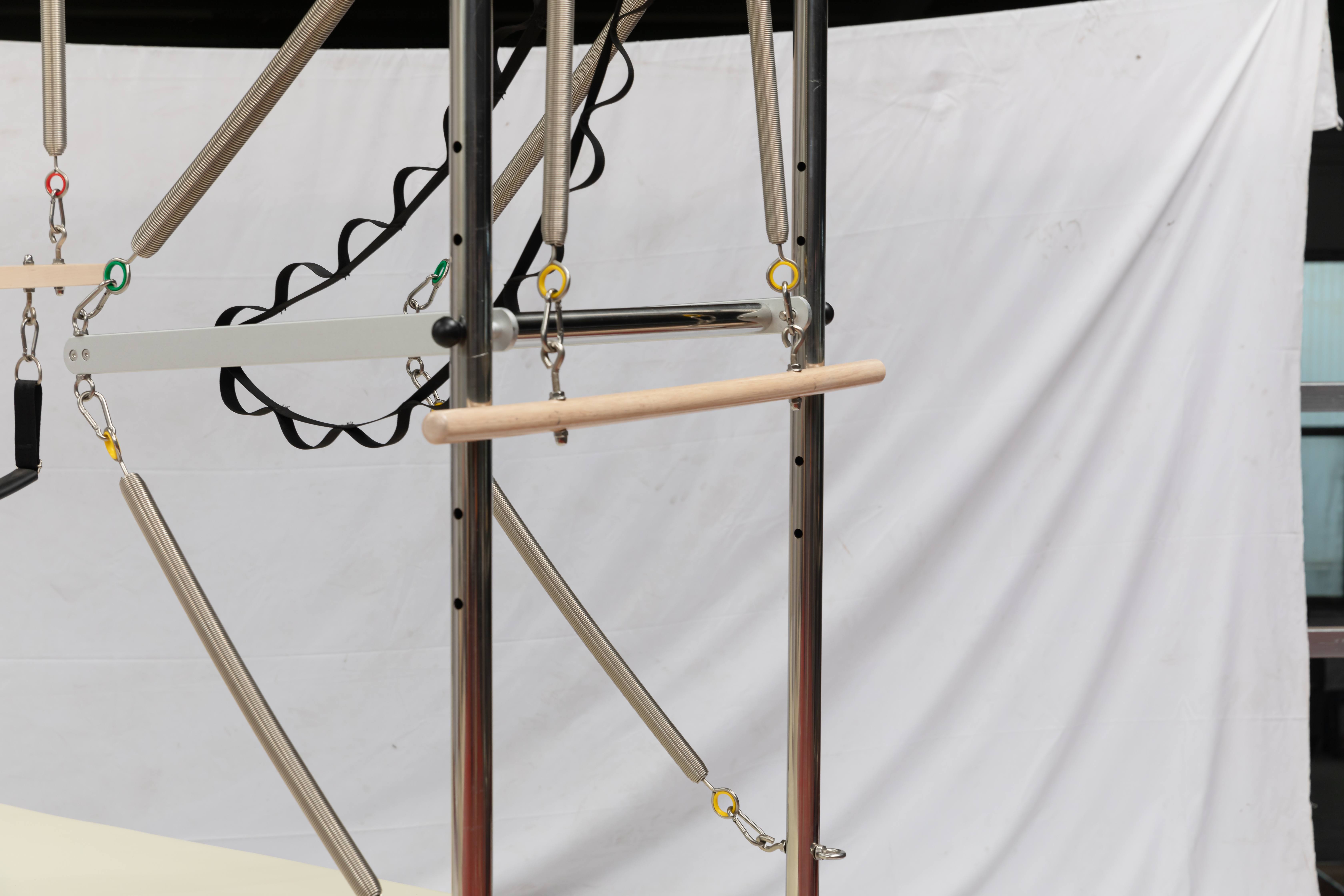
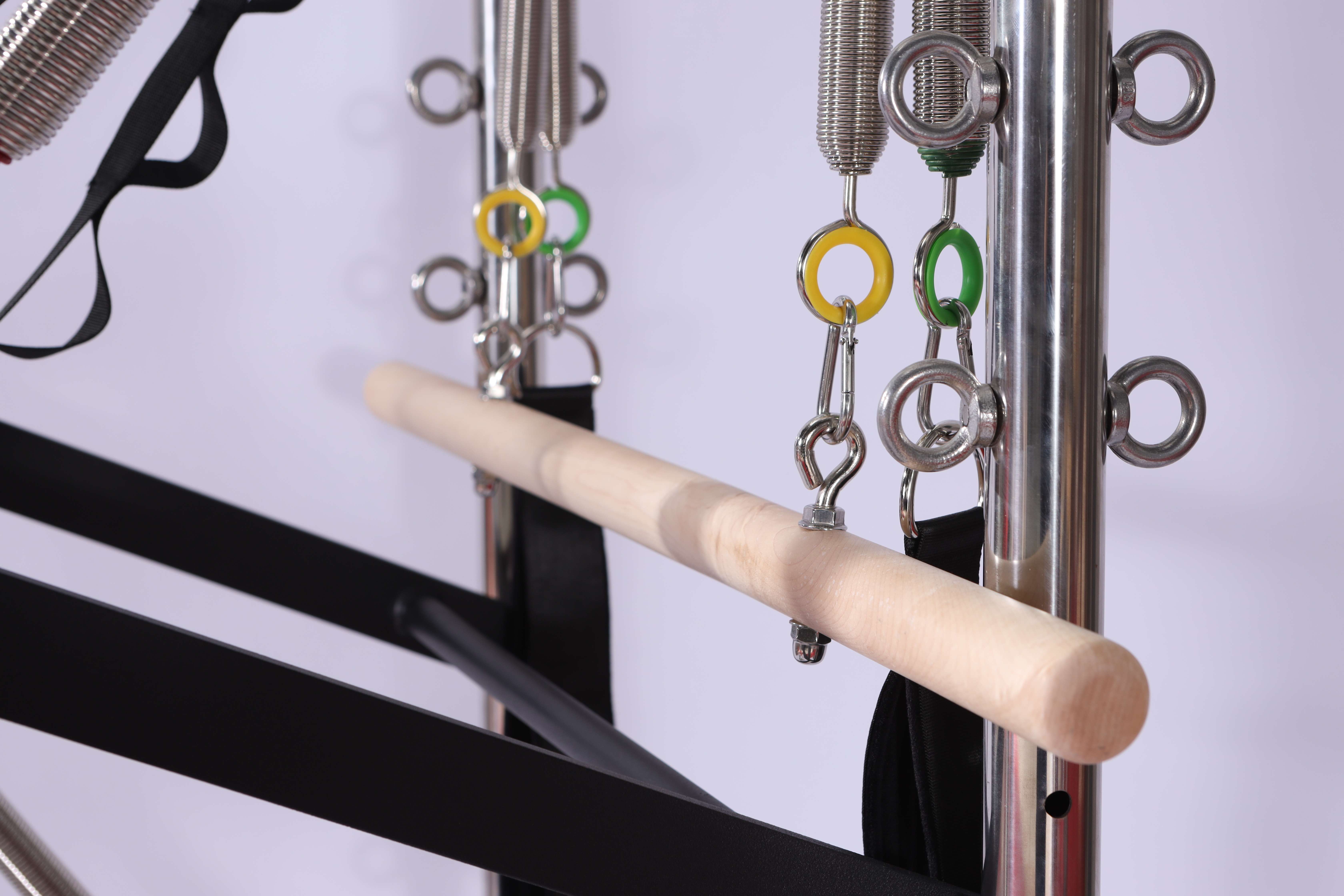
Entry-level reformers typically offer a limited number of springs with a narrower resistance range. This can become a constraint as your strength progresses or if multiple people of different abilities use the machine. Professional reformers provide a wider range of spring tensions—often at least four distinct weights with significantly higher total resistance capacity . More importantly, professional springs are calibrated to deliver consistent resistance across their full range of motion. When every machine in a studio delivers the same load at the same spring setting, instructors can cue the room once rather than correcting each client individually . Some premium models now feature push-button or gear-based resistance changes that eliminate the need to stop and manually adjust springs mid-flow, preserving the continuity of a session .
Adjustability and Fit for Diverse Users
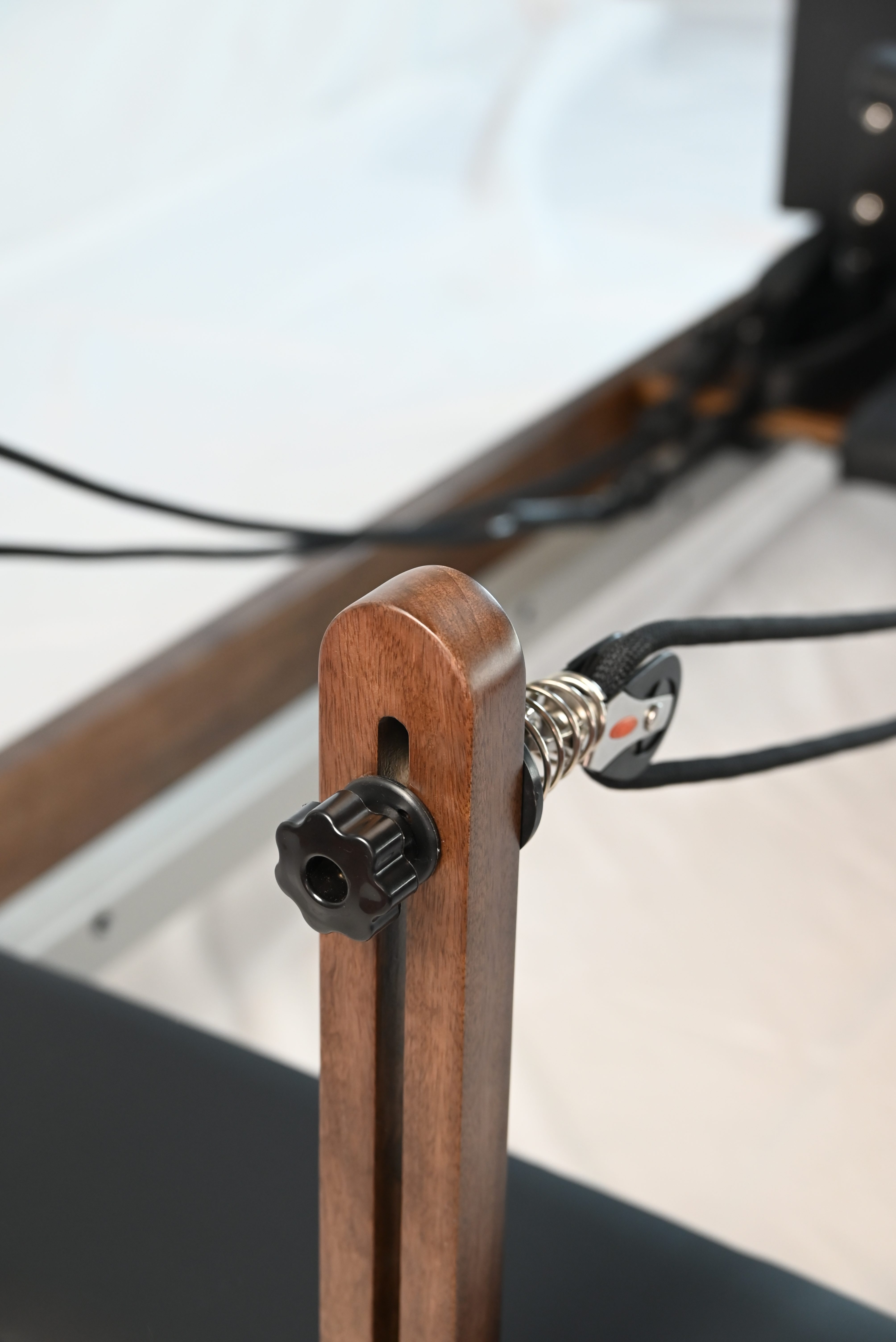
A professional reformer must accommodate a wide range of body sizes and fitness levels within a single class. This requires multiple adjustment points: footbar positions, gearbar settings, headrest positions, and carriage stoppers. Merrithew’s professional reformers, for instance, offer at least three gearbar positions, three headrest positions, four footbar positions, and six carriage stopper positions . Entry-level home machines often simplify these adjustments or reduce the number of positions. If you are the only person using the machine and your body fits the default settings comfortably, this may not matter. But if you share the reformer with family members or clients of varying heights, the flexibility of a professional machine becomes essential.
Durability Under Volume
The single most defining difference between entry-level and professional equipment is how it holds up under repeated use. Entry-level machines are designed for occasional home use—a few sessions per week at most. Professional reformers are engineered for daily, high-volume studio operation. NordicTrack describes its light-commercial Ultra 1 as built to handle four or more hours of daily use without losing its feel, while its studio-grade RX-S model is designed for ten or more hours of daily use . The materials, bearings, and springs in a professional machine are selected specifically to maintain performance over years of continuous use. A budget reformer may perform acceptably for a year or two of light use, but under studio volume, components degrade quickly, and the machine’s feel deteriorates long before it stops functioning entirely.
Warranty and Service Support
Professional reformers come with commercial warranties that explicitly cover studio use. Home warranties do not. Before purchasing any reformer for professional use, confirm in writing that the warranty applies to commercial operation . Beyond the warranty, professional manufacturers provide replacement parts, service guides, and technical support. Springs, straps, wheels, and upholstery can be swapped out as they wear, extending the machine’s lifespan indefinitely. Entry-level equipment often lacks this support infrastructure, meaning a single worn component can render the entire machine unusable or force an early replacement.
The Question That Matters
The choice between entry-level and professional comes down to use case. If you are a single home user training a few times per week, an entry-level reformer may serve you well, provided you choose one with a stable frame and smooth carriage. If you are equipping a studio, sharing the machine with multiple users of different sizes, or training intensively, the professional tier is not an upgrade—it is a requirement. The price difference reflects real differences in materials, precision, and longevity. The right choice is the one that matches how often you train, who uses the machine, and how long you expect it to perform.