Spring Quality Matters: How to Evaluate Resistance Systems Before You Buy
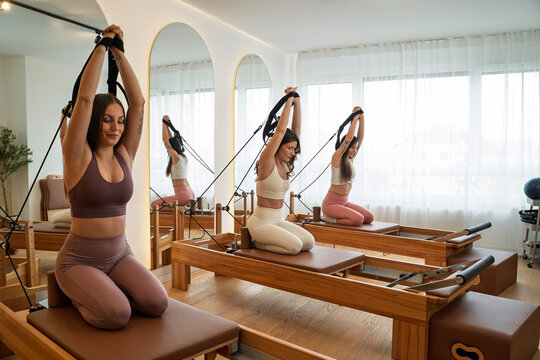
When evaluating a Pilates reformer, buyers often focus on the frame, the upholstery, or the number of springs included. Yet the resistance system—the springs themselves and how they are configured—is arguably the most important component you will interact with in every session. Springs determine how the carriage moves, how much support or challenge you feel, and ultimately how safe and effective your training is. Understanding what separates a quality resistance system from a mediocre one is essential before you commit.
Spring Count Is Not the Same as Spring Quality
A common marketing tactic is to advertise the number of springs included. Five springs sounds more impressive than four. But what matters far more than count is the gradient of resistance across the set. A well-designed spring package allows for small, even increments in resistance rather than large jumps from light to heavy. A set with five springs spanning four or more tension levels gives you far more usable combinations than five springs with only two tension options. For trainers working with mixed-ability clients, this gradient is the difference between being able to fine-tune resistance for each individual and having to compromise. For home users, it determines whether the machine can grow with you as your strength and skill develop.
Color Coding Is Convenient, Not Universal
Most premium manufacturers use color-coded springs—yellow for very light, blue for light, red for medium, green for heavy, and so on. This system makes setup fast and intuitive. However, it is critical to understand that colors are not standardized across brands. A red spring from one manufacturer may not match the resistance of a red spring from another. Even within a single brand, different product lines may use different color schemes. When evaluating a reformer, ask for the actual resistance values (often expressed in pounds or kilograms) rather than relying solely on color names. If you train on multiple machines or follow online classes, this awareness prevents confusion and helps you translate resistance settings accurately.
Material and Construction: What Makes a Spring Last
The quality of the steel and the manufacturing process directly affect how long a spring maintains consistent resistance. Premium springs are typically made from nickel-plated carbon steel, which protects against corrosion and reduces the risk of microscopic cracks that can lead to failure. Heat treatment is another indicator of quality: it helps the spring retain its tension and integrity over thousands of cycles. Look for springs with tapered ends and rotating hooks, which reduce stress at connection points and allow the spring to move freely without twisting. Cheaper springs may corrode more quickly, lose tension unevenly, or develop kinks that compromise safety.
The Gradient Advantage for Different Users
A well-designed resistance system serves multiple populations. For rehabilitation or pre-natal clients, a very light spring (such as a 25% resistance option) provides the low initial resistance needed for gentle, controlled movement. For advanced athletes, the ability to combine multiple heavy springs without the carriage feeling unstable is essential. A reformer with a narrow range of resistance—say, only medium and heavy springs—limits its usefulness across different training goals. When evaluating a machine, consider not just the maximum resistance but also the minimum. Can you perform subtle, stability-focused exercises with enough support? Can a deconditioned client use the machine safely? The breadth of the resistance range matters as much as its peak.
What You Can Actually Test Before Buying
If you have the opportunity to try a reformer before purchasing, pay attention to how the springs feel through the full range of motion. Resistance should be smooth and linear, not jerky or uneven. Detach the springs and inspect them: look for gaps in the coils at rest, waves or bends in the wire, or any signs of rust or discoloration. A quality spring should hang straight and open evenly when stretched. Check the attachment points—snap hooks or clips should engage securely and release smoothly. If you are buying used equipment, compare the free length of the springs against manufacturer specifications; fatigued springs often sit longer than they should when unloaded. Finally, ask whether replacement springs are available for the model. A machine whose springs cannot be replaced has a limited lifespan regardless of how well it performs today.
Serviceability and Long-Term Cost
Springs are consumable components. Even the best springs will eventually fatigue and need replacement, typically every one to two years under regular use, or more frequently in high-volume studio settings. The critical question is whether you can order replacements easily and at a reasonable cost. A manufacturer that sells springs separately and publishes resistance specifications is telling you the machine is designed to be maintained. One that does not is signaling the opposite. Before buying, confirm the availability of replacement springs in the resistance levels you need. This single factor often determines whether a reformer serves you for a decade or becomes an expensive obstacle within a few years.
Conclusion
The resistance system is the heart of the reformer. Evaluate it not by spring count or color alone, but by gradient, material quality, construction, and the availability of replacements. A well-designed spring set with a broad, finely graduated range will serve beginners and advanced practitioners alike, adapt to changing goals, and maintain safe, consistent performance over years of use. Take the time to understand what you are buying before you buy it. Your joints, your clients, and your long-term investment will thank you.