Used Pilates Apparatus Resale Rules: Compliance and Liability Risks for Regional Distributors

Selling pre-owned Pilates equipment is an attractive revenue stream for regional distributors. Many studio owners upgrade their Reformers, Cadillacs, Ladder Barrels and Pilates towers every few years, creating steady supply of second-hand apparatus. While resale can boost profit margins and attract budget-conscious new studio operators, it comes with hidden compliance requirements, safety obligations and liability risks that many distributors overlook. Without clear policies, documented inspections and proper disclaimers, one poorly checked used unit can lead to injury claims, insurance denials and damaged long-term brand reputation.
Key Compliance Standards for Second‑Hand Pilates Gear
Most fitness safety regulations, including the widely referenced EN 957 standard for exercise equipment, do not automatically exempt used apparatus from safety expectations just because it is pre-owned. For distributors selling into the European market, this is especially critical. EN 957 sets minimum mechanical stability, load capacity and structural safety benchmarks. Even if the original manufacturer held a valid CE mark, that mark does not transfer indefinitely when the equipment changes hands.
Distributors must verify whether the original certification still applies. If the apparatus has been modified, repaired with non-original spare parts, or suffered frame bending, cracked welds, stretched springs or worn upholstery, the original CE declaration becomes invalid. You cannot resell it as CE-compliant unless a qualified inspector re-assesses the unit and issues updated documentation.
Local consumer protection laws also apply. In many regions, you are required to disclose clearly that the item is used, not new. Misrepresenting condition, hiding structural defects or advertising second-hand gear as “like-new” without inspection records can trigger fines and consumer disputes. Some jurisdictions also impose rules around product recall obligations: if the original factory issued a safety recall for a specific model, the distributor must confirm the defect was fixed before resale.
Core Liability Risks Distributors Face
The biggest risk is bodily injury liability. Pilates apparatus relies on tension springs, sliding carriages, moving tracks and sturdy frames. A worn spring that snaps, a loose carriage stopper, a cracked wooden frame or unstable support leg can cause falls, crush injuries or joint trauma during group or private sessions. When an instructor or client is hurt, the injured party may name the reselling distributor alongside the previous owner and original manufacturer in a liability lawsuit.
A common misconception is that “sold as-is” wording fully protects sellers. In most commercial fitness transactions, simple as-is disclaimers will not shield you from claims if you failed to perform a reasonable safety inspection, or if you actively concealed known defects. If your marketing promotes the used equipment as safe for commercial studio use, courts and insurers will hold you to a higher standard than a private individual selling a single second-hand item.
Additional risks include warranty confusion. The original manufacturer’s factory warranty almost always is non-transferable. If your sales team accidentally implies the original warranty still applies to the resold unit, this creates a binding promise you will be forced to honour. Distributors also face reputational risk: if multiple resold units fail quickly, studio owners will associate your brand with unsafe, low-quality equipment, hurting your primary new-equipment wholesale business.
Recommended Operational Rules for Used Pilates Resale
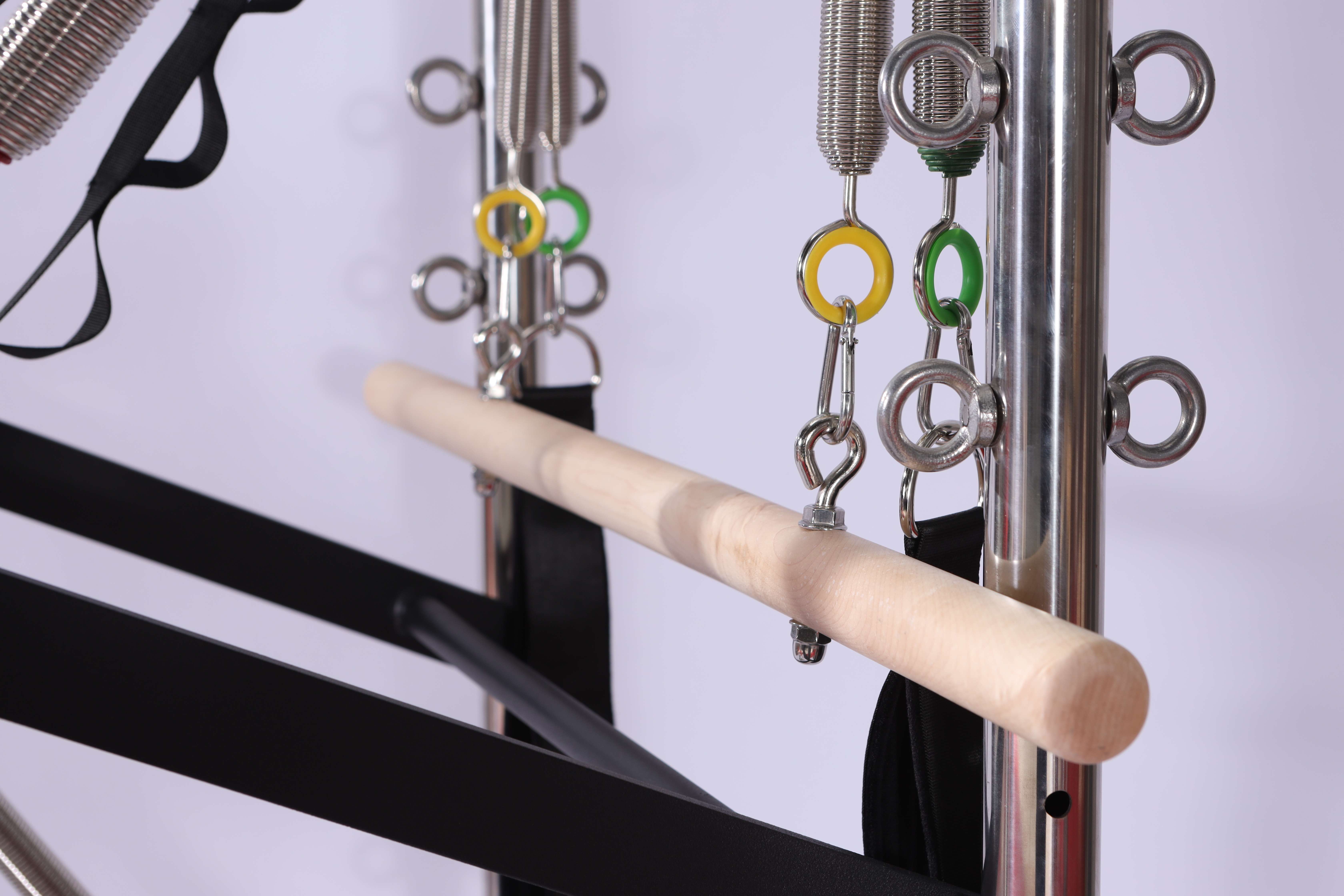
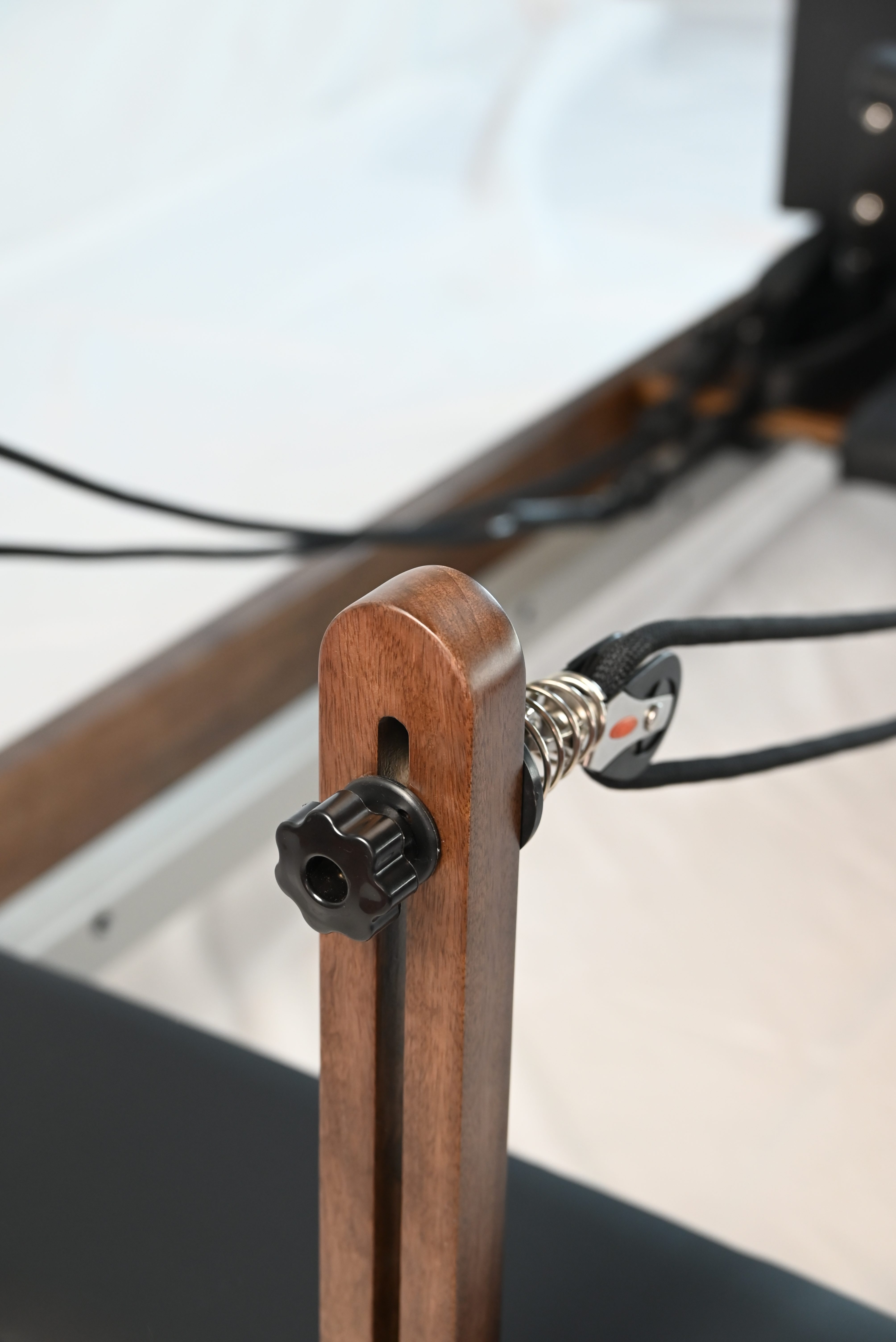
Build a formal inspection checklist before accepting or listing any pre-owned Pilates apparatus. The checklist should cover frame integrity, weld points, spring tension and fatigue, carriage track smoothness, straps, foot bars, padding, upholstery condition and locking mechanisms. Take dated photos and written inspection notes for every unit, and keep these records for several years after resale. Refuse any unit with irreversible structural damage, and avoid using off-brand, untested replacement parts for repairs.
Create standardised customer disclosures. Every listing, quotation and sales contract must state clearly: the equipment is pre-owned, original manufacturer warranty is void, it has passed your visual and mechanical inspection (if applicable), and it is not covered by the same factory compliance documentation as brand-new apparatus. If you offer a short limited reseller warranty for repairs, define exactly what it covers and exclude wear-and-tear, improper installation and operator misuse.
Separate your used inventory from new stock. Keep distinct pricing sheets, marketing materials and product pages. Do not mix used units in catalogues for brand-new equipment, to prevent accidental misrepresentation. For distributors offering white-label services for new Pilates gear, never rebrand or re-label used apparatus to look like newly manufactured stock. This practice carries severe compliance and legal consequences.
Review your business insurance policy carefully. Standard general liability insurance often excludes claims arising from resold used fitness equipment unless you add a specific endorsement. Talk to your insurance broker to confirm coverage for second-hand apparatus sales, inspection work and on-site repair services you may provide.
When to Walk Away from a Resale Deal
Not every used Pilates machine is worth reselling. Decline apparatus with unknown service history, previous structural repair by unqualified technicians, expired safety recalls, or heavily corroded aluminium frames. Older models that no longer meet current regional safety standards are also high-risk inventory, even if they still function. If the cost of parts, labour and third-party inspection exceeds the potential resale profit, it is better to decline the unit rather than take on legal exposure.
Final Takeaway
Used Pilates apparatus resale can be a profitable add-on service for regional distributors, but safety and compliance cannot be afterthoughts. Consistent inspection, transparent disclosures, proper contract wording and aligned insurance coverage are your best defences against liability claims. Treat every second-hand unit with the same safety rigour you apply to brand-new commercial Pilates equipment. By building clear resale rules, you protect your business, serve budget-focused studio clients responsibly, and preserve trust with your long-term distribution partners.