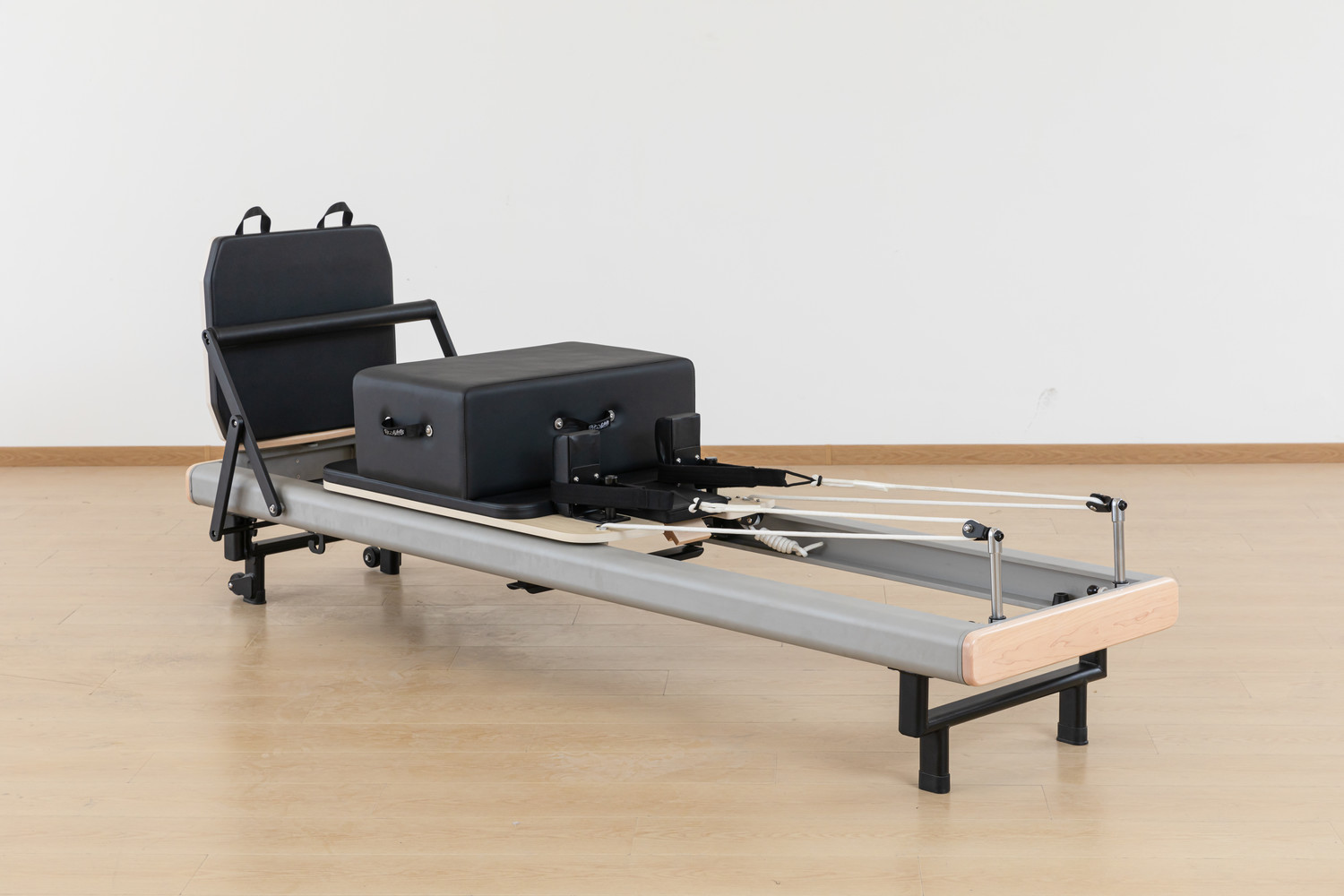
Upgrading Your Pilates Apparatus: Signs It's Time for the Next Level
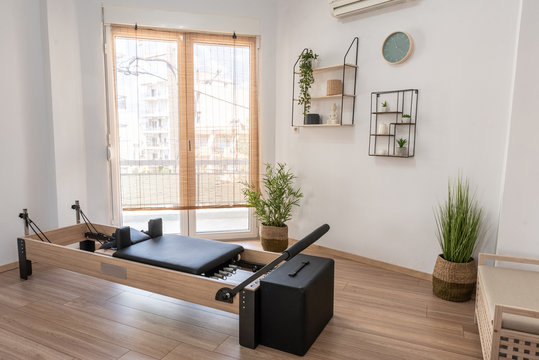
Every Pilates practitioner and studio owner eventually faces the same question: is the current equipment still serving its purpose, or has it become a limitation? Upgrading is not about chasing novelty. It is about recognizing when a machine no longer matches the demands of your practice, your clients, or your business. The signs are rarely dramatic—they appear gradually, as small frustrations and workarounds that you stop noticing. Learning to read them is what separates a well-run studio from one that quietly falls behind.
Performance Has Drifted From the Original Standard
The most reliable indicator is a change in performance that you can feel but struggle to name. A carriage that once glided now needs a nudge to return. Springs that once felt crisp now stretch with a soft, uneven pull. The footbar clicks into place but with a little more play than before. These are not failures; they are symptoms of wear that accumulate invisibly. When trainers begin compensating—shortening a range of motion, avoiding a particular spring setting, or skipping an exercise because the setup feels unreliable—the equipment has already stopped supporting the work. A machine that requires constant small adjustments is telling you something. Upgrading restores the precision that makes Pilates training effective, and it removes the subtle friction that drains a trainer's attention during sessions.
Client Needs Have Outgrown the Machine
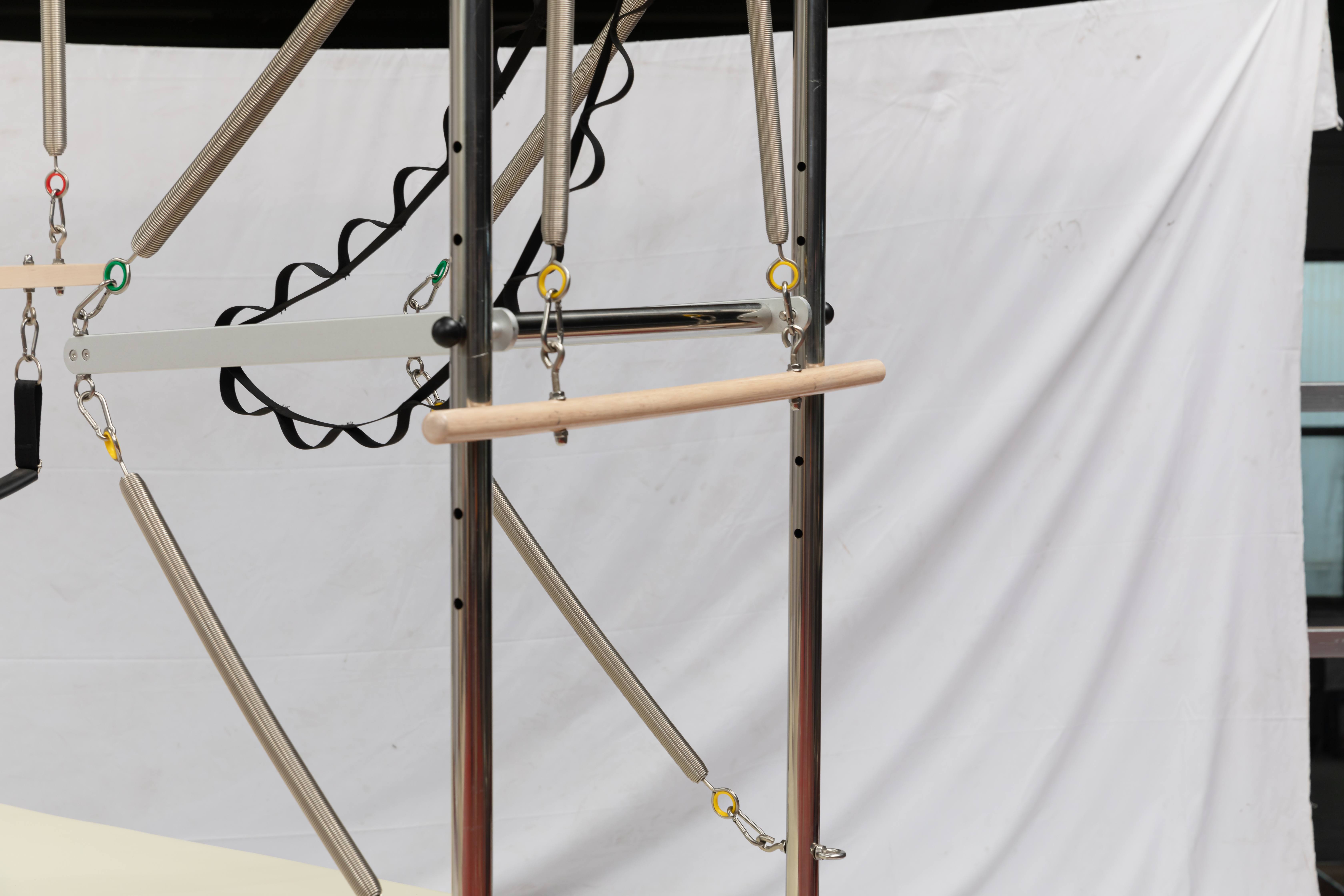
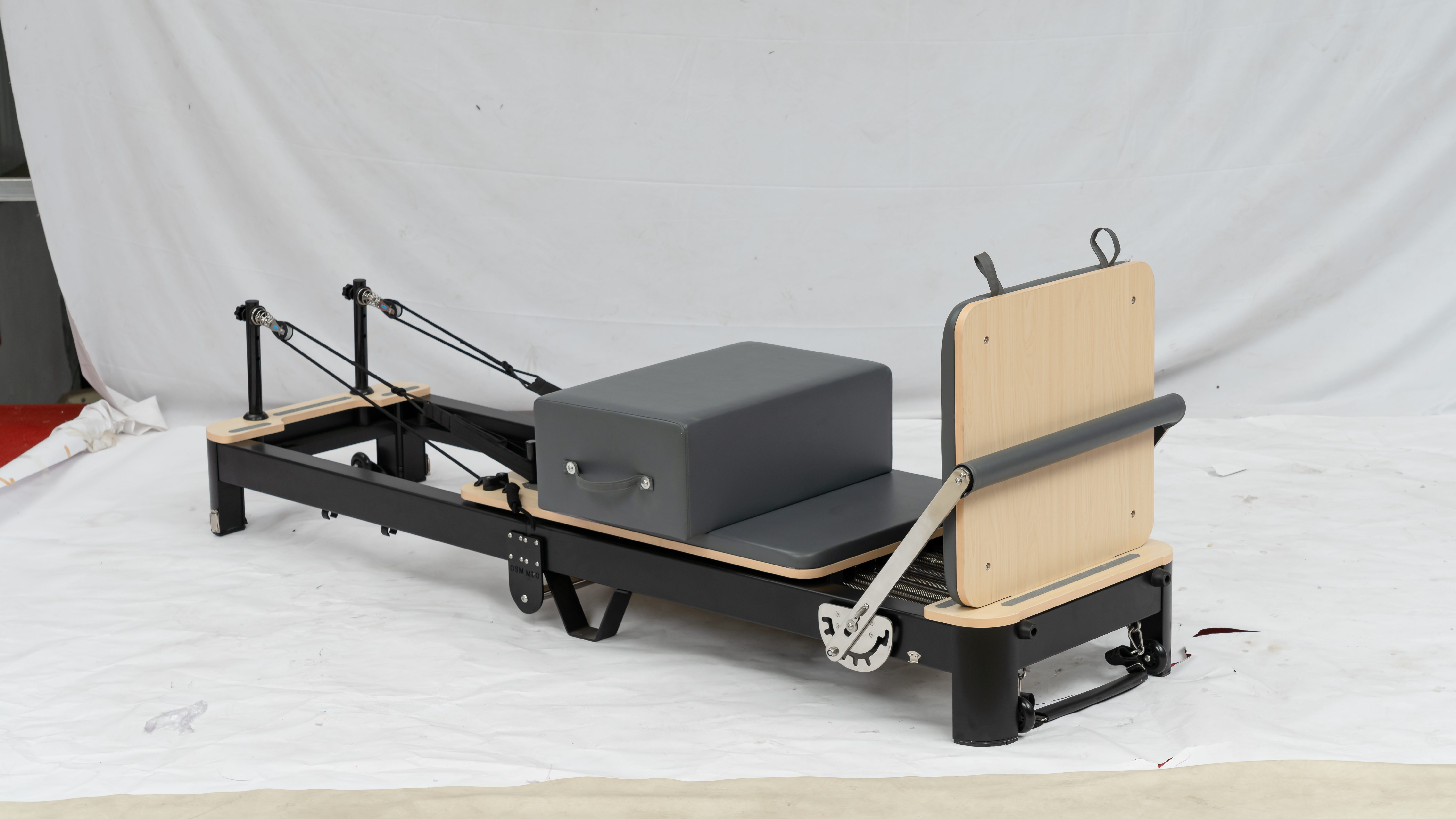
Equipment that suited a beginner-focused practice may not serve a clientele that has advanced. When regular clients move into intermediate and advanced work, they need a reformer with a longer carriage travel, a broader spring range, or a tower and jumpboard configuration that supports standing and aerial exercises. A studio that cannot offer these variations will find clients seeking them elsewhere. The same logic applies to rehabilitation and special populations: working with older adults, prenatal clients, or post-injury cases often benefits from equipment with finer resistance gradations, more stable support surfaces, and accessories such as the spine supporter or Pilates edge. If trainers regularly adapt exercises because the machine cannot accommodate a client's body or goals, the limitation sits with the equipment, not the client.
Repair Costs Are Climbing
Maintenance is normal and expected. But when repairs shift from occasional replacement of springs and straps to recurring structural fixes, the economics change. A frame that needs re-welding, a carriage system that requires new bearings every year, or upholstery that cannot be re-covered economically all signal that the machine is approaching the end of its serviceable life. At that point, each repair is a small payment on a machine you will eventually replace anyway. The smarter calculation is to compare annual repair spending against the cost of a new unit amortized over its expected lifespan. When the ratio crosses a certain line, upgrading is the more rational financial decision—and it eliminates the downtime that disrupts client schedules.
The Studio's Positioning Has Changed
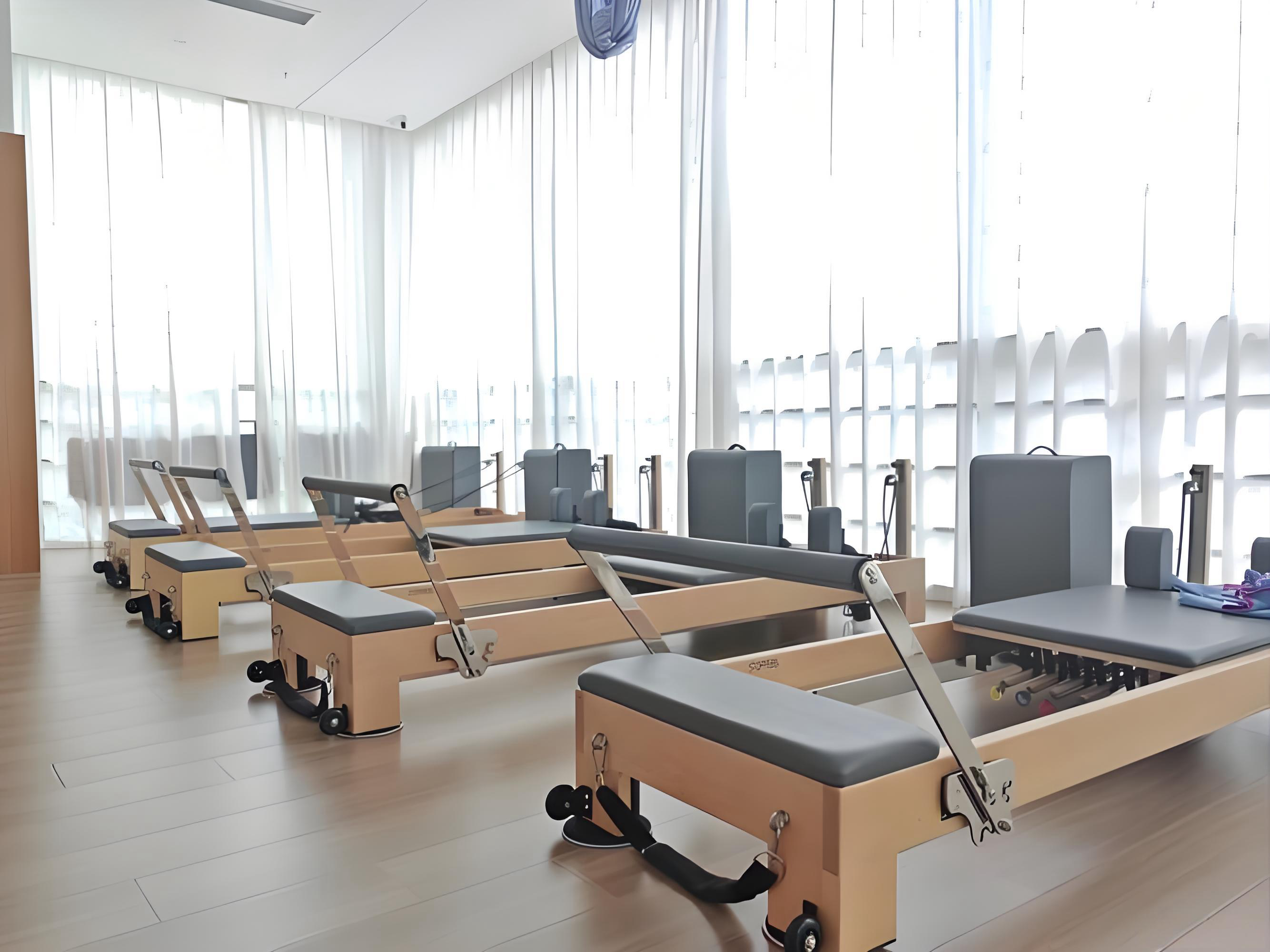
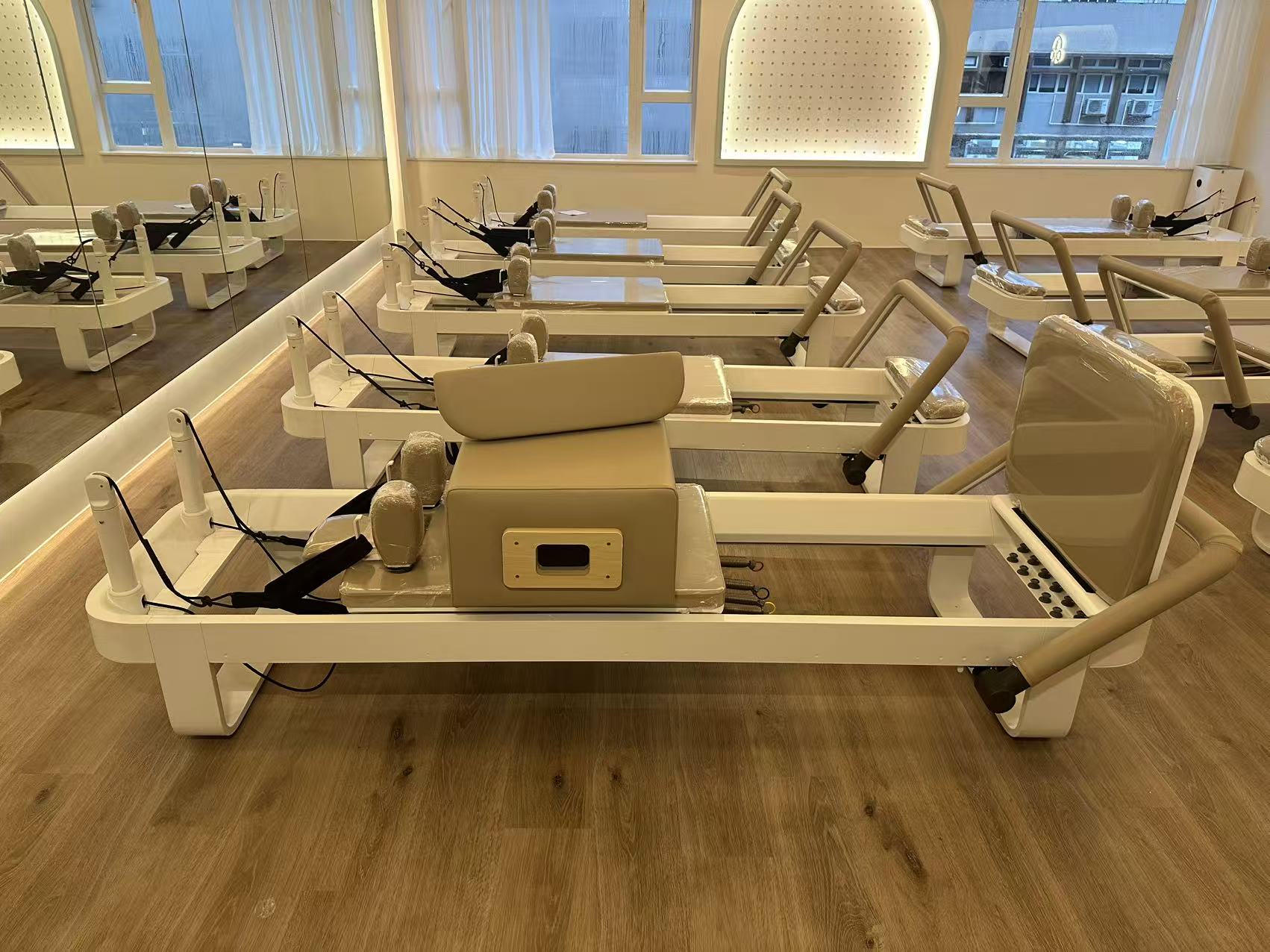
Equipment communicates. A studio that markets itself as premium cannot credibly do so with entry-level machines that wobble under load. Conversely, a studio expanding into group classes, teacher training, or rehabilitation certification needs equipment that meets the standards those programs require. Commercial-grade apparatus is built for daily, high-volume use and carries the durability and safety refinements that professional programs expect. Upgrading is often a branding decision as much as a practical one: it signals to clients, staff, and partners that the studio takes its craft seriously. When a studio's ambitions have grown beyond its equipment, the gap becomes visible to everyone who walks through the door.
Capacity No Longer Matches Demand
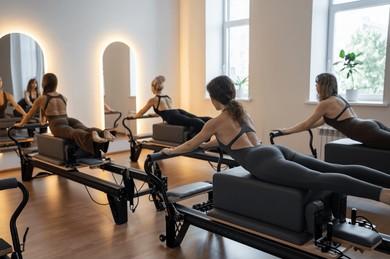
Growth brings its own signals. When class schedules are constrained by the number of available machines, when waitlists persist week after week, or when trainers must stagger sessions because there is not enough equipment to run parallel classes, capacity has become the bottleneck. Adding machines—or upgrading to models that support more versatile programming—directly translates into revenue. The calculation is straightforward: additional capacity allows more sessions per week, which offsets the capital cost over a predictable timeframe. Studios that delay this upgrade often find themselves turning away the very clients they worked to attract.
Safety and Standards Have Evolved
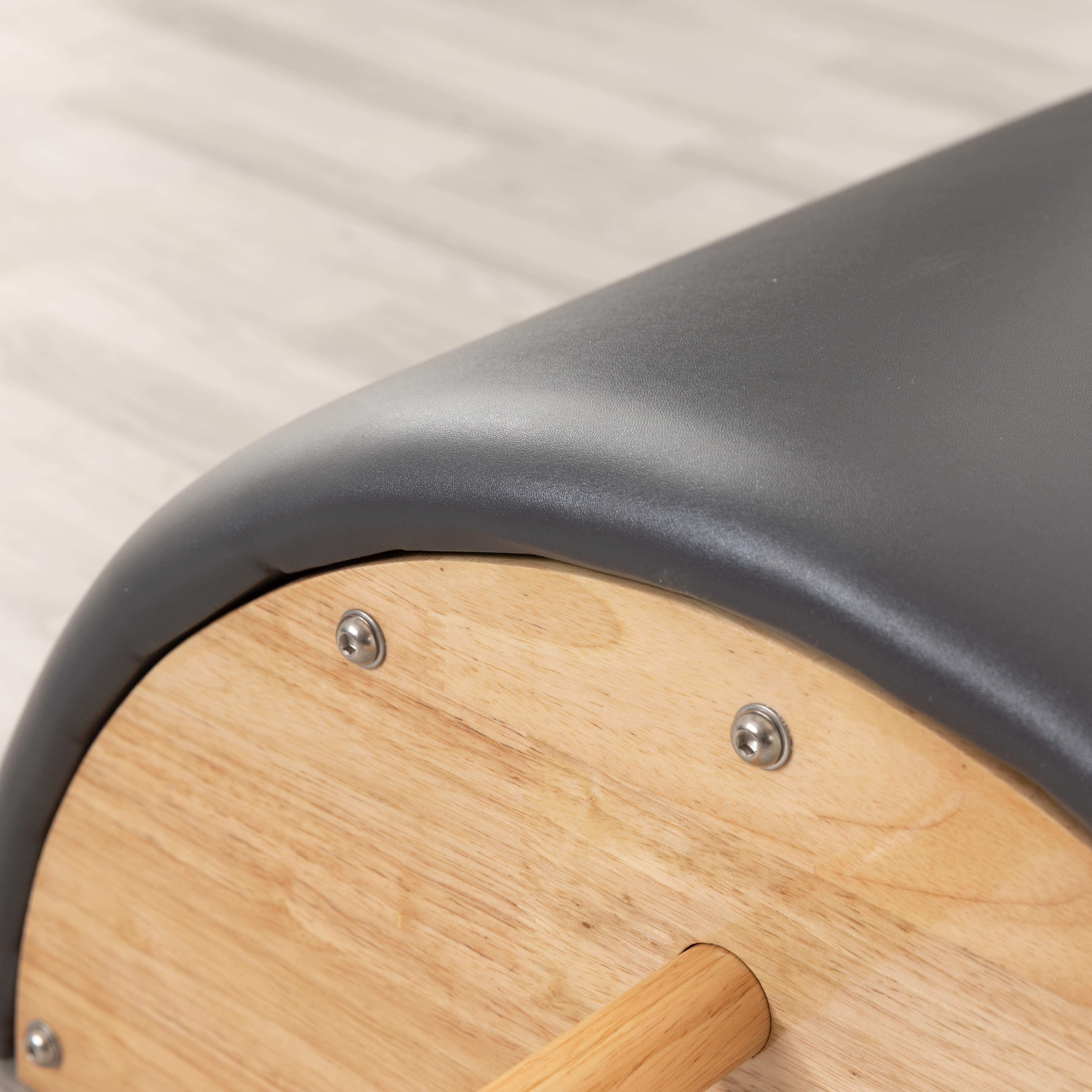
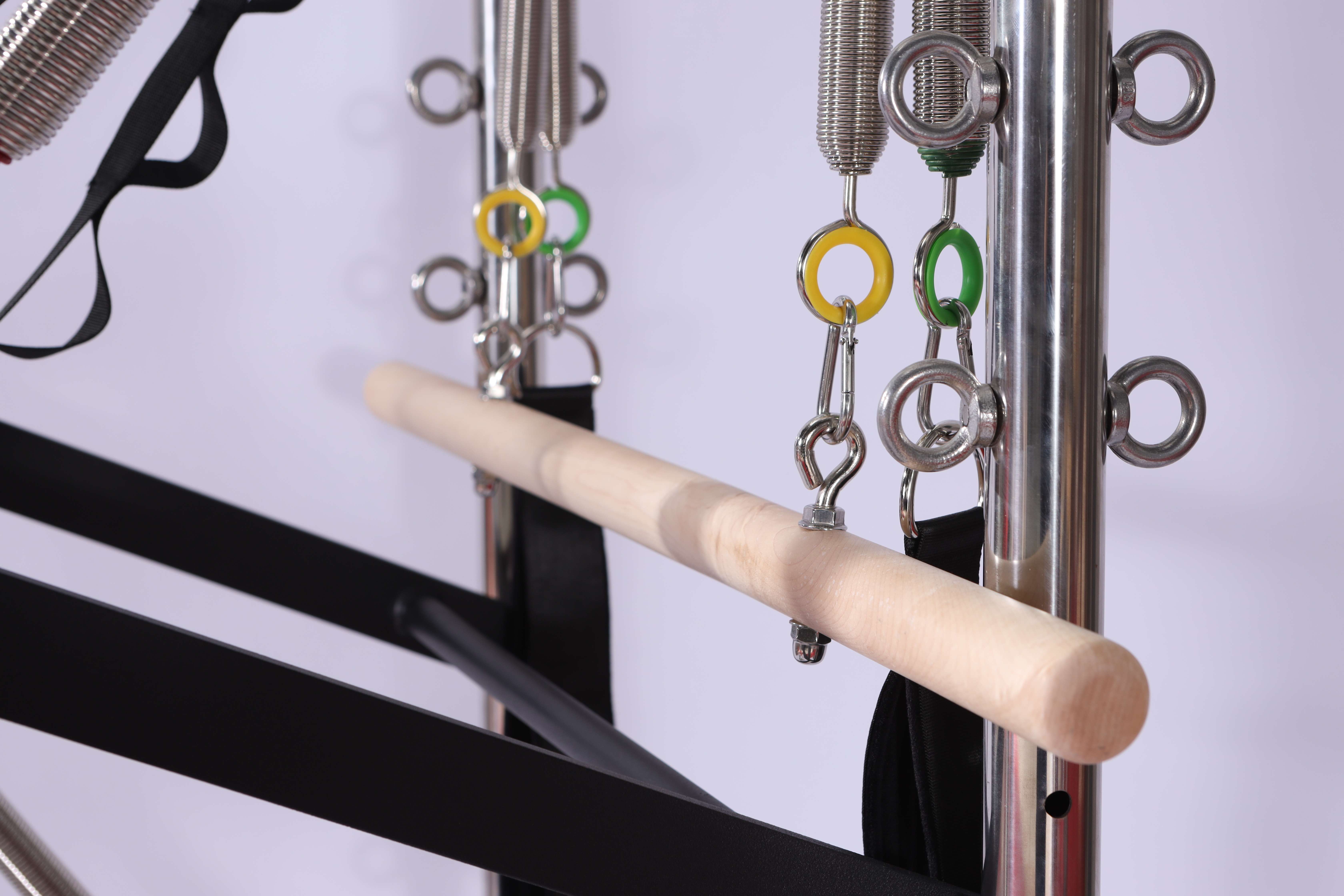
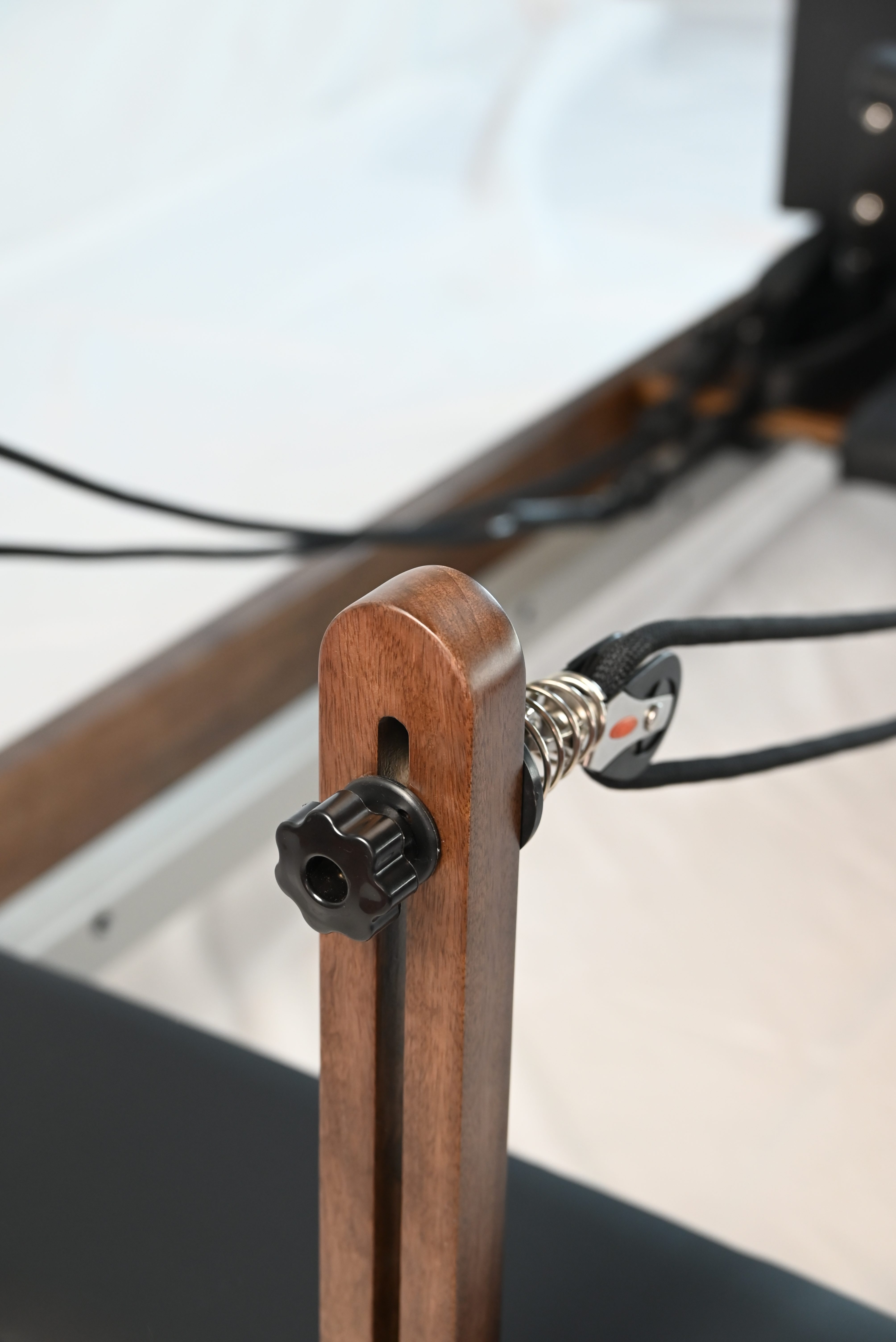
Equipment standards improve over time. Newer machines may incorporate better locking mechanisms, more secure spring attachments, improved stability features, and materials that resist wear more effectively. An older machine that passed inspection years ago may still function, but it may not meet current expectations for safety and reliability. For studios carrying liability exposure, this matters. Upgrading reduces risk and demonstrates due diligence. Trainers working with vulnerable populations—prenatal clients, older adults, rehabilitation patients—have an especially strong reason to ensure their equipment reflects current best practice.
The Emotional Signal
Finally, there is a quieter sign that experienced practitioners recognize: the machine no longer inspires confidence. Trainers who hesitate before loading a spring, who warn clients about a particular carriage behavior, or who find themselves apologizing for the equipment are already answering the question. Equipment should disappear into the background of a session, supporting the work without demanding attention. When it starts demanding attention for the wrong reasons, the next level is overdue.
Conclusion
Upgrading Pilates apparatus is not an indulgence—it is a maintenance of standards. Declining performance, outgrown client needs, rising repair costs, changed studio positioning, capacity constraints, evolving safety expectations, and the loss of confidence all point in the same direction. The right moment to upgrade is before these signals become crises. Practitioners and studio owners who read the signs early protect their clients' experience, their trainers' effectiveness, and the long-term value of their investment.