How to Audit Pilates Reformer Spring Lifespan and Source Replacement Springs for Commercial Studios
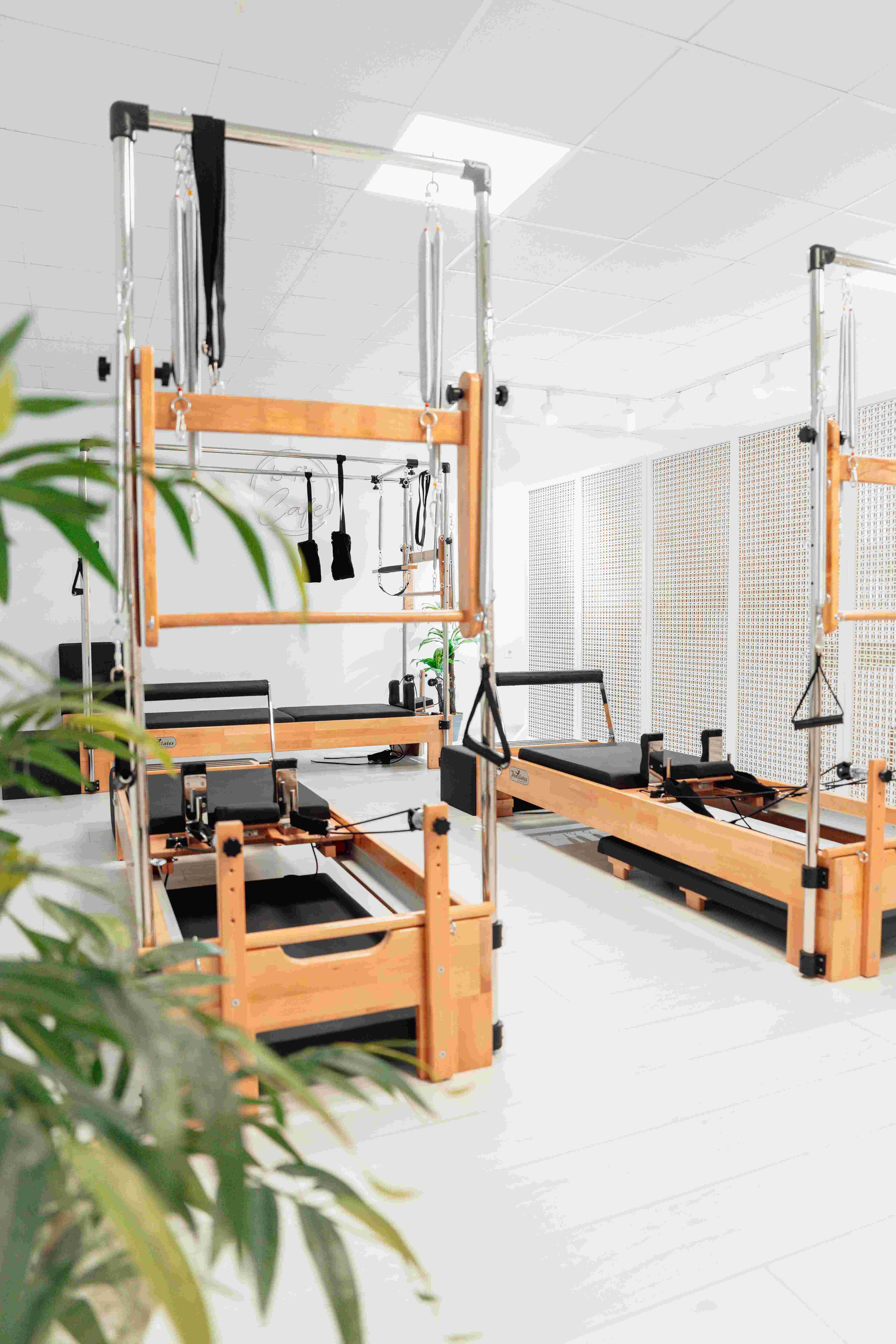
For commercial Pilates studios, reformer springs are the heart of every workout. These tension-carrying components endure thousands of stretches daily in group classes, private sessions, and rehabilitation training. While a brand-new set delivers consistent, predictable resistance, worn springs create uneven tension, compromise exercise safety, and ruin the client experience. Many studio owners only replace springs after a sudden snap, which puts instructors and participants at risk. A structured spring lifespan audit paired with a reliable sourcing plan for replacement springs keeps your equipment safe, reduces unexpected downtime, and protects your studio’s reputation.
What Shortens Reformer Spring Service Life
Pilates reformer springs are engineered from high-tensile steel, but several studio conditions accelerate fatigue far faster than the manufacturer’s estimated timeline.
Overloading is the most common cause. When instructors repeatedly stack multiple heavy springs for advanced clients, the metal undergoes constant stress beyond its design cycle count. Environmental factors also play a major role: high humidity, salty coastal air, poor ventilation, and sweat residue left on springs all trigger surface rust and micro-cracks. Even cleaning habits can cause damage. Harsh chemical cleaners sprayed directly onto springs strip protective coatings and speed corrosion.
Usage frequency is another key factor. A reformer used in back-to-back group classes every day will wear springs much quicker than a machine only used a few times weekly. Improper carriage adjustment, jamming, or rough handling during client transitions also creates small deformations that weaken the spring structure over time.
Step-by-Step Audit Checklist for Reformer Spring Lifespan
Set up a recurring inspection schedule, ideally once per month for high-traffic studios, and log every spring set in an equipment maintenance log.
- Visual Inspection
Check the entire length of each spring. Look for surface rust, pitting, discoloration, flattened coils, gaps between coils, twisted sections, or cracked end hooks. Even tiny rust spots are an early warning sign, not a cosmetic issue. Pay extra attention to the end loops and hooks, which are the highest-stress failure points.
- Functional Tension Test
Test springs side by side against brand-new reference springs of the same resistance rating. A fatigued spring will stretch further under the same weight and fail to snap back to its original length. If two springs marked with the same resistance pull differently, they must be replaced as a matched set. Mismatched springs create uneven carriage movement and poor body alignment.
- Hook and Connector Check
Inspect the spring hooks, carabiners, and attachment points. Bent, stretched, or worn hooks can detach mid-session. Do not reuse deformed hardware; replace it together with the springs.
- Record Cycle and Age Data
Track the installation date of every spring set. Most premium commercial reformer springs have a recommended service life of 12–24 months in busy studios. Mark this date in your maintenance calendar, and schedule proactive replacement before the end of the service window instead of waiting for failure.
- Document and Tag
Label reformers with inspection dates and note any springs marked for replacement. Keep photos and written records for insurance and safety compliance purposes.
Critical Risks of Delayed Spring Replacement
A broken spring can strike without warning. When a spring snaps during a movement, the carriage can slide abruptly, throwing clients off balance and causing strains, falls, or impact injuries. If your studio cannot prove regular safety audits, you may face liability issues if an accident occurs.
Beyond safety concerns, degraded springs hurt your service quality. Longtime clients and experienced instructors will notice inconsistent resistance, wobbly carriage movement, and a “soft” feel that does not match proper Pilates technique. This can make your studio look unprofessional and drive clients to competing facilities. Waiting for spring failure also creates urgent downtime: you may have to cancel booked classes while waiting for replacement parts.
How to Source High-Quality Replacement Reformer Springs
Not all Pilates springs are interchangeable, and price alone is a poor purchasing guide. Studio owners and distributors should verify these specifications before ordering replacement springs:
- Wire diameter, coil count, and free length: Replacement springs must match the original specs exactly. A spring with identical color coding may still have different tension curves from different manufacturers.
- Surface coating: Zinc plating or powder coating offers better rust resistance for humid studios. Uncoated raw steel springs will corrode rapidly in tropical or coastal locations.
- End hook construction: For commercial use, choose forged, not bent, end hooks. Forged hooks resist opening under heavy tension.
- Load rating and cycle testing: Ask suppliers for cycle test data. Quality commercial springs are rated for hundreds of thousands of stretch cycles, while cheap budget springs often fail after a fraction of that usage.
- Matched sets: Reputable suppliers pre-test and group springs into matched tension sets. Avoid buying loose individual springs unless you have the tools to calibrate them yourself.
Sourcing Options for Studio Operators
- Original equipment manufacturer (OEM) springs: These are guaranteed to match your reformer’s design, but they often come with longer lead times and higher costs.
- Specialized Pilates spare parts suppliers: Many fitness component manufacturers produce universal replacement springs compatible with mainstream reformer models. This is usually the most cost-effective choice for multi-studio groups buying in bulk.
- Local hardware suppliers: This is generally not recommended. Generic hardware springs are not designed for repeated dynamic stretching and have unpredictable tension curves, making them unsafe for Pilates apparatus.
Best Practices for Spring Inventory and Stock Management
For multi-location studio groups or distributors, maintain a small spare inventory of your most common spring resistances (light, medium, heavy). This lets you swap out worn springs immediately instead of halting classes.
When ordering in bulk, group your spring orders together to reduce shipping costs. Ask your supplier whether they offer custom branding, bulk discounts, or consolidated shipments. If you work with an equipment distributor, confirm whether spring replacement kits are included in your service agreement or sold separately.
Maintenance Tips to Extend Spring Lifespan
Simple daily habits can help you get the full rated life out of your springs:
- Wipe springs with a dry microfiber cloth after each class to remove sweat.
- Never spray cleaning disinfectant directly onto springs. Clean upholstery and frames separately.
- Avoid leaving springs fully stretched for long periods when the reformer is not in use.
- Train instructors to avoid overloading spring stacks unnecessarily.
- Keep studio humidity controlled with dehumidifiers in damp climates.
Final Takeaway
Pilates reformer springs are low-cost consumables, yet they carry outsized safety importance for commercial studios. A regular audit routine lets you spot fatigue, rust, and tension drift early, eliminating the risk of sudden spring failure. When sourcing replacements, prioritize matching specifications, cycle testing, and corrosion resistance over low upfront prices. By combining scheduled inspections with a reliable spare-spring supply chain, you will keep your reformers smooth, consistent, safe, and ready for every client session.