Sustainable Pilates Equipment Sourcing: Eco-Friendly Upholstery and Frame Material Options for European Importers
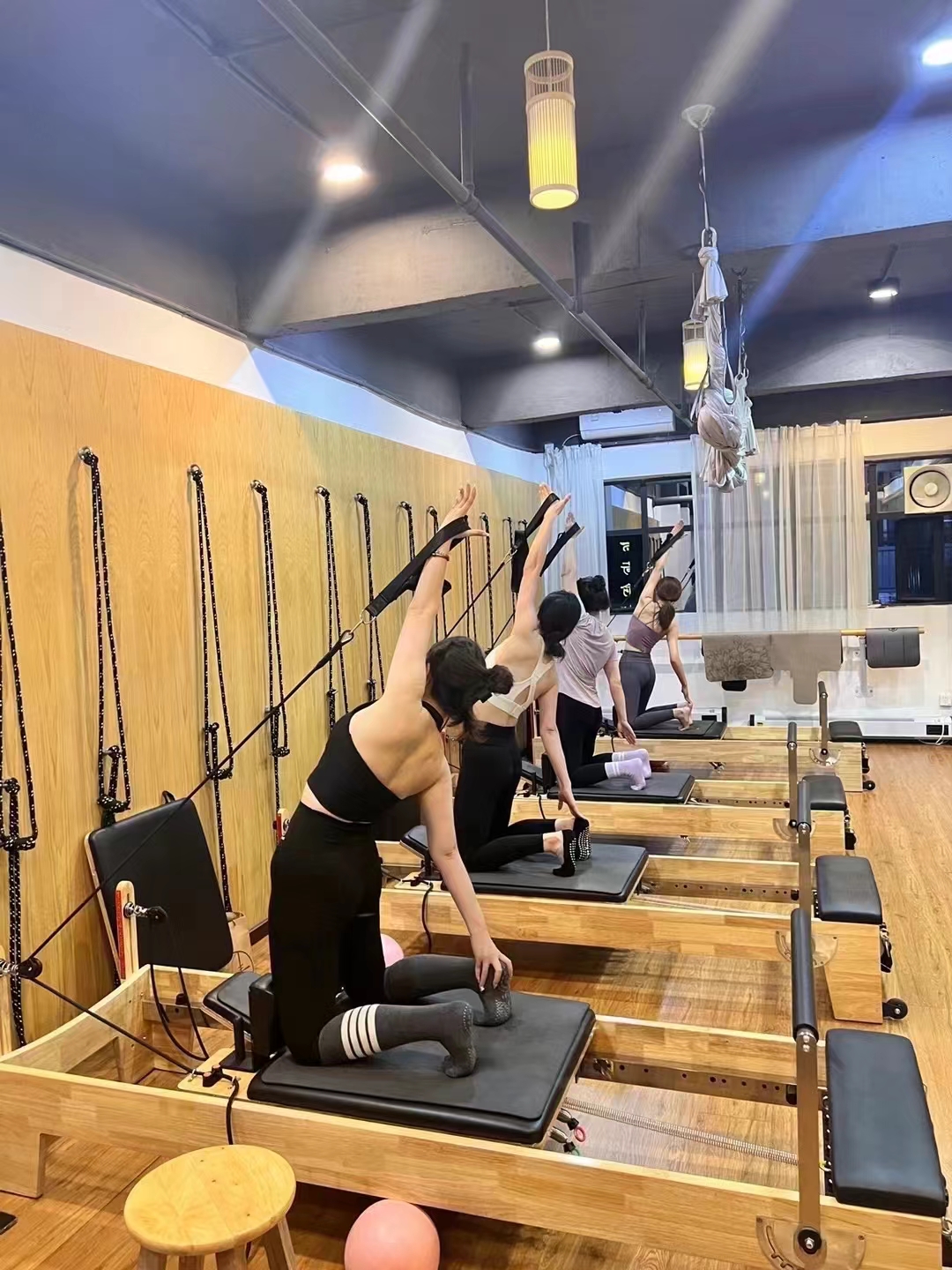
European Pilates studio buyers and fitness distributors are increasingly prioritising low-carbon, non-toxic, circular equipment options. Eco-conscious boutique studios, wellness chains and rehabilitation centres now ask suppliers for transparent material provenance, chemical compliance and end-of-life recyclability alongside the core safety standards such as EN 957. For importers, building a sustainable product line is no longer just a marketing differentiator; it is a strategy to meet evolving EU chemical rules, consumer demand and upcoming ecodesign obligations. Choosing the right upholstery and frame materials requires balancing sustainability, wear resistance, sanitisation compatibility and commercial-grade durability for high-traffic Pilates spaces.
EU Compliance Baseline for Sustainable Fitness Materials
Before comparing eco-friendly material options, importers must anchor sourcing decisions to European regulatory requirements. REACH regulation restricts substances of very high concern (SVHC), including heavy metals, phthalates and volatile organic compounds commonly found in cheap synthetic upholstery and paint finishes. Materials used on Pilates reformers, cadillacs and chairs must also pass emission testing, as many studios operate with limited ventilation and repeated skin contact during sessions. Oeko‑Tex certification is widely recognised by European buyers to verify low hazardous chemical content, while FSC certification validates responsible forestry for wooden frames.
It is critical to distinguish between genuine sustainable materials and “greenwashing”. Generic marketing claims such as “eco leather” or “environmentally safe” carry little weight in EU B2B sales. Importers should require suppliers to provide full material datasheets, test reports and valid certificates, not just descriptive product labels.
Eco-Friendly Upholstery Options for Pilates Apparatus
Upholstery is the most visible touchpoint and the area where many conventional Pilates equipment cuts corners with PVC vinyl and solvent‑based PU. These traditional materials release volatile compounds and are difficult to recycle once bonded to foam padding. Below are practical alternatives suitable for commercial studio use:
- Recycled PU / Bio‑based Vegan PU
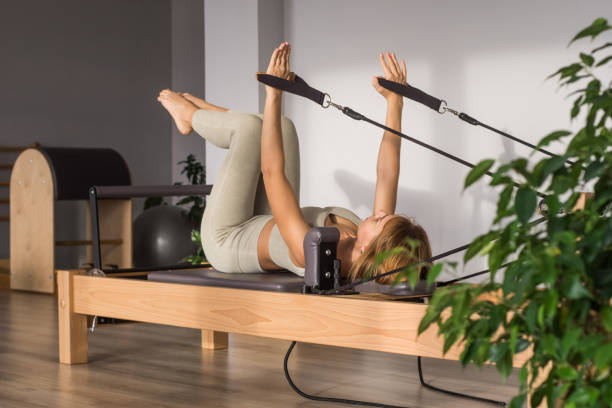
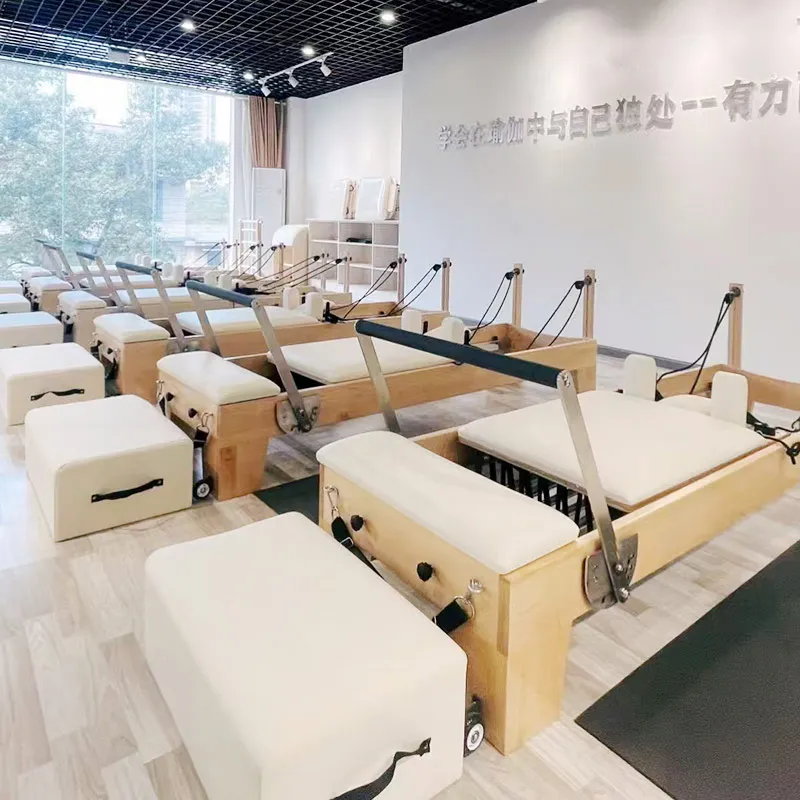
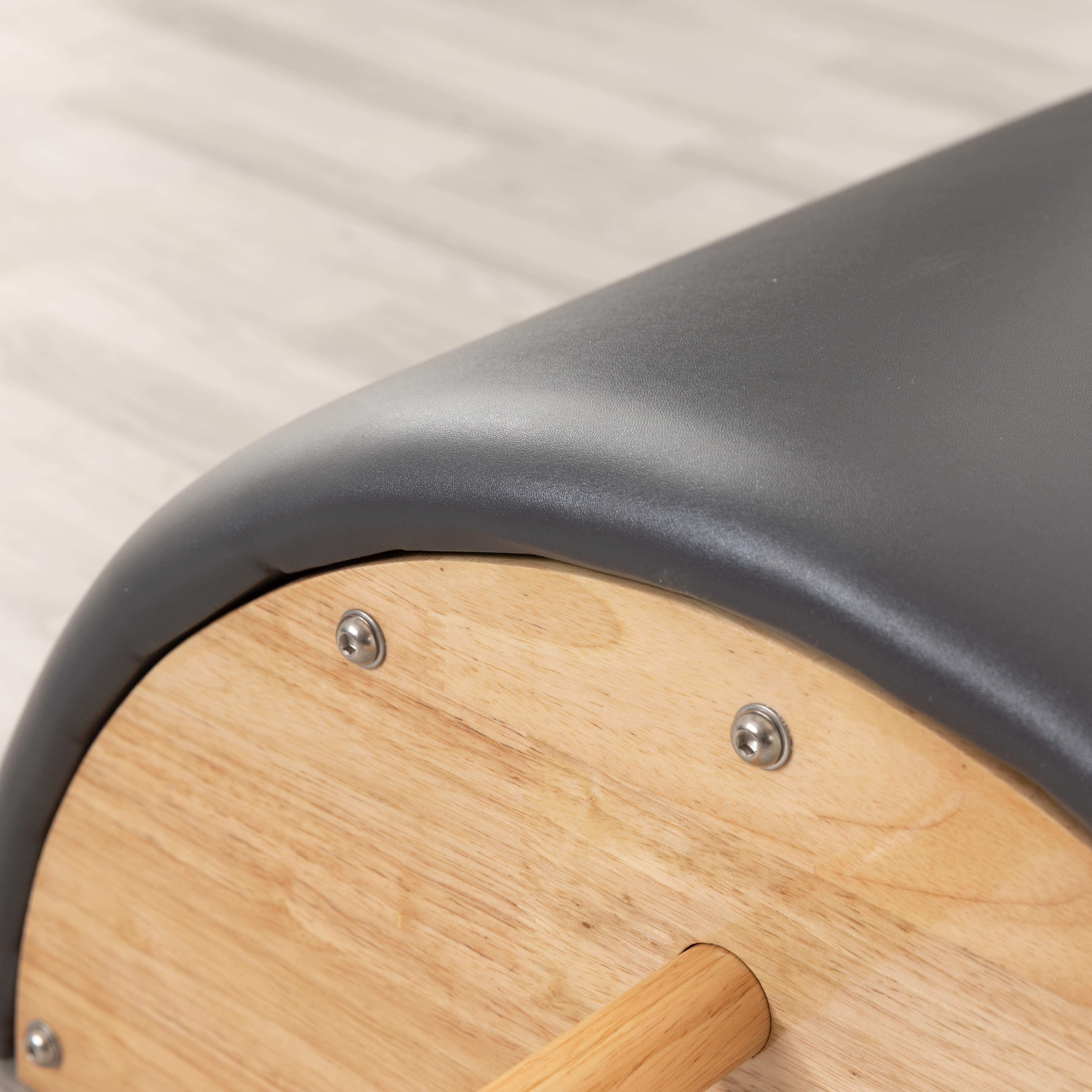
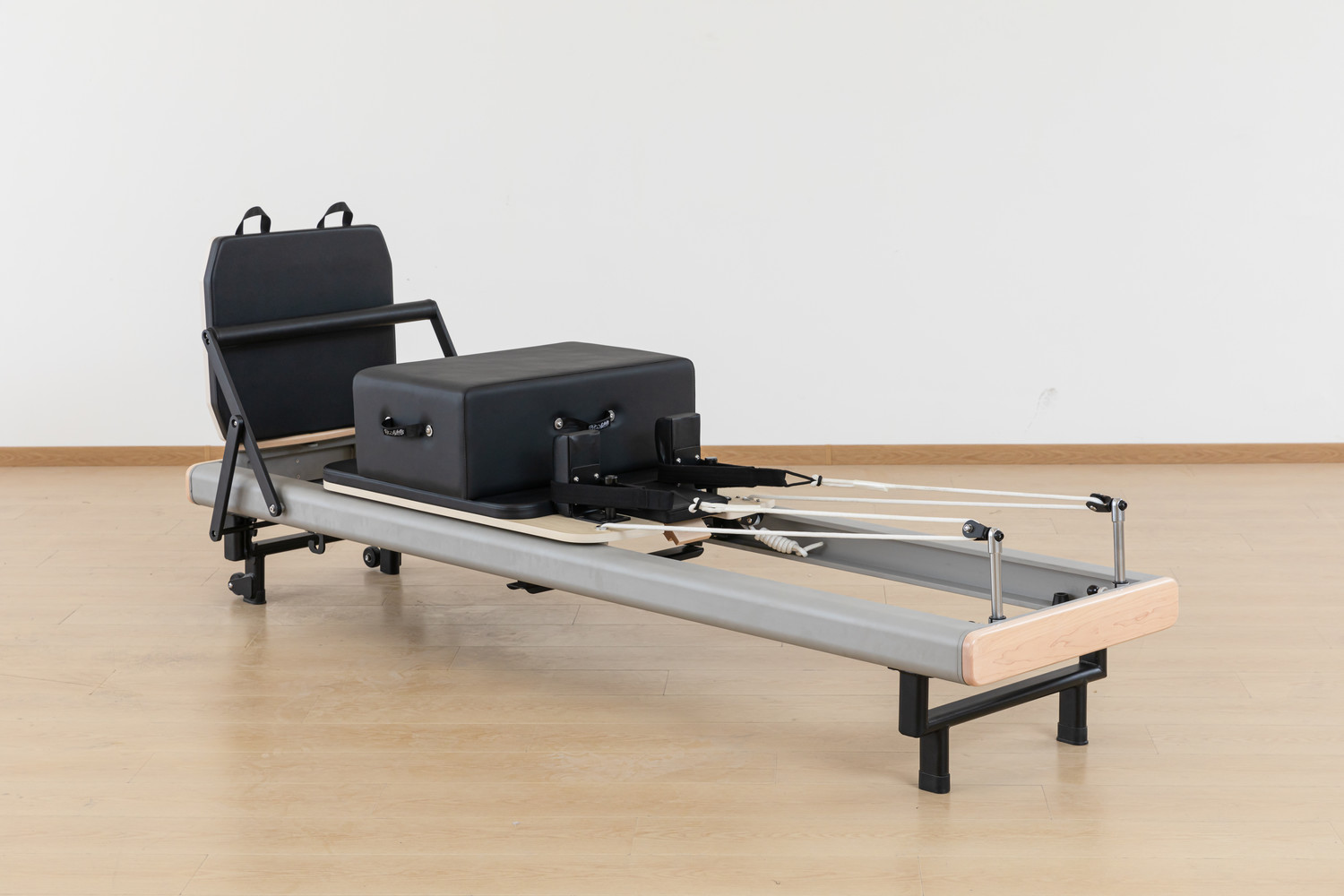
Recycled PU upholstery with GRS‑certified RPET backing fabric is one of the most popular replacements for standard PVC-free vinyl. It offers the same wipe-clean surface, stretch resistance and anti-abrasion performance required for daily studio use. Bio‑based PU formulated with plant-derived feedstock reduces fossil‑plastic content while remaining compatible with standard disinfectants used in European wellness facilities. It is vegan, animal-free and well suited for reformer carriages, stability chairs and tower padding.
- Recycled Leather Fibre Composite (E-Leather)
Made from post-industrial leather offcuts that would otherwise enter landfill, this composite material delivers a premium natural texture without harvesting new hides. It is durable, tear-resistant and easier to recycle than bonded leather. It is ideal for high-end studio and luxury Pilates fit‑outs, though it comes at a higher unit cost than recycled PU.
- PVC-Free Recycled Polyester Textile
Heavy-duty recycled polyester fabric with a water-based protective coating works for low-abrasion accessory padding and custom upholstery. It is fully recyclable, breathable and low‑odour, but it is less impermeable to liquid spills than synthetic PU, so it is better suited for private training spaces rather than busy group class reformers.
Key Upholstery Sourcing Checks
Ask factories whether the coating is water-based rather than solvent-based. Confirm that seams and adhesive are also REACH-compliant, as low-quality glue can introduce toxic emissions even if the top fabric is certified. For commercial studios, prioritise materials rated for repeated sanitisation; many eco fabrics degrade quickly if not formulated for frequent alcohol and disinfectant cleaning.
Sustainable Frame Material Choices
The frame forms the majority of a Pilates machine’s embodied carbon footprint. Each material has a unique sustainability profile, recyclability rate and practical trade-offs for European importers.
- FSC-Certified Solid Hardwood (Beech, Maple, Oak)
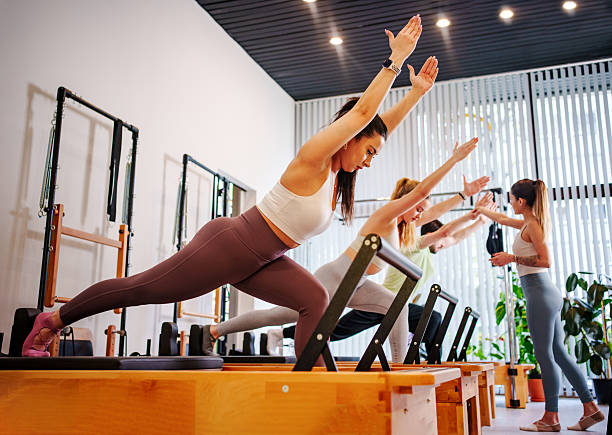
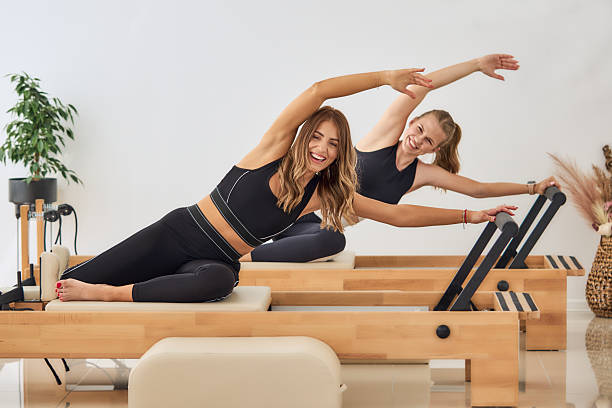
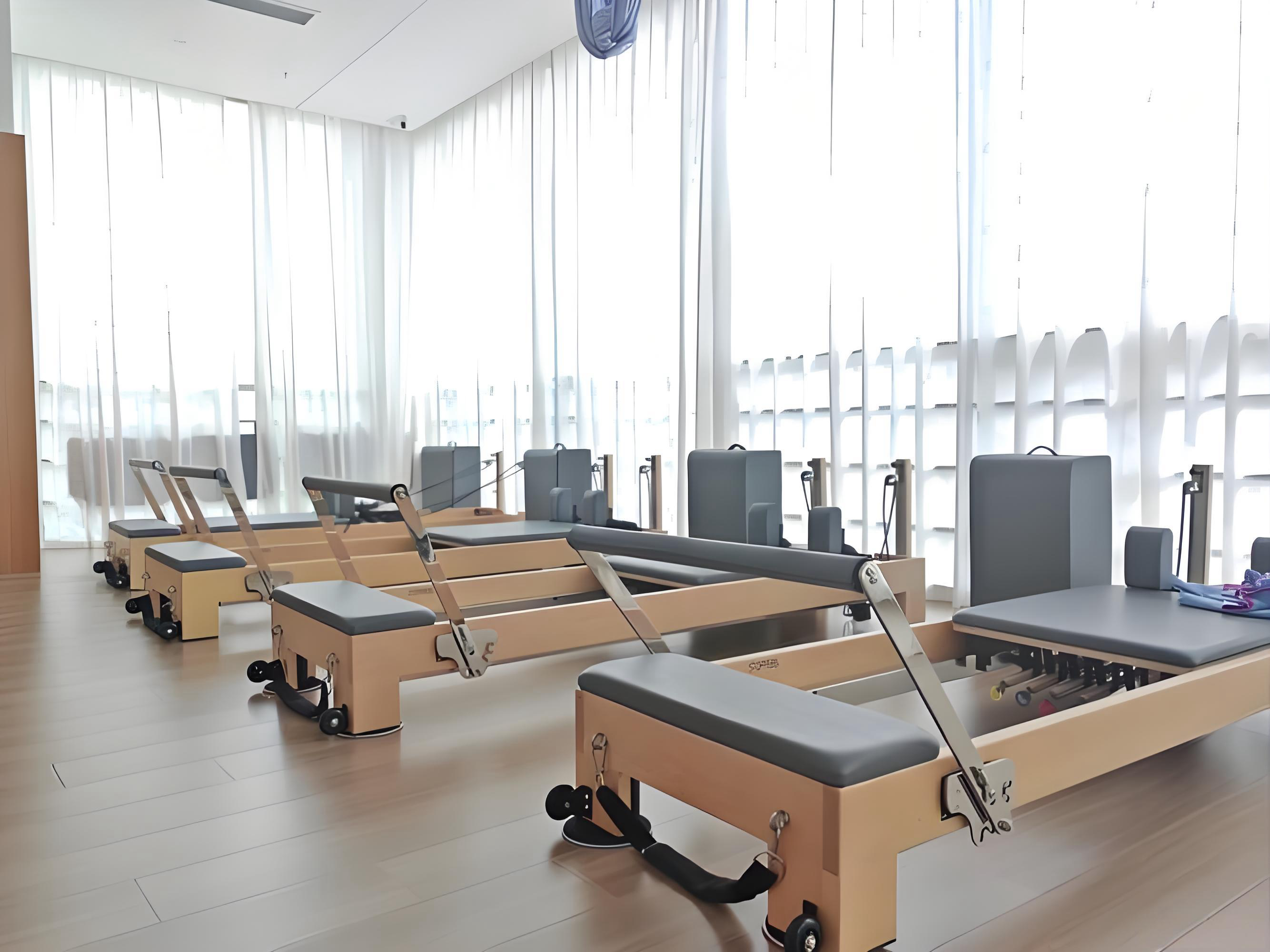
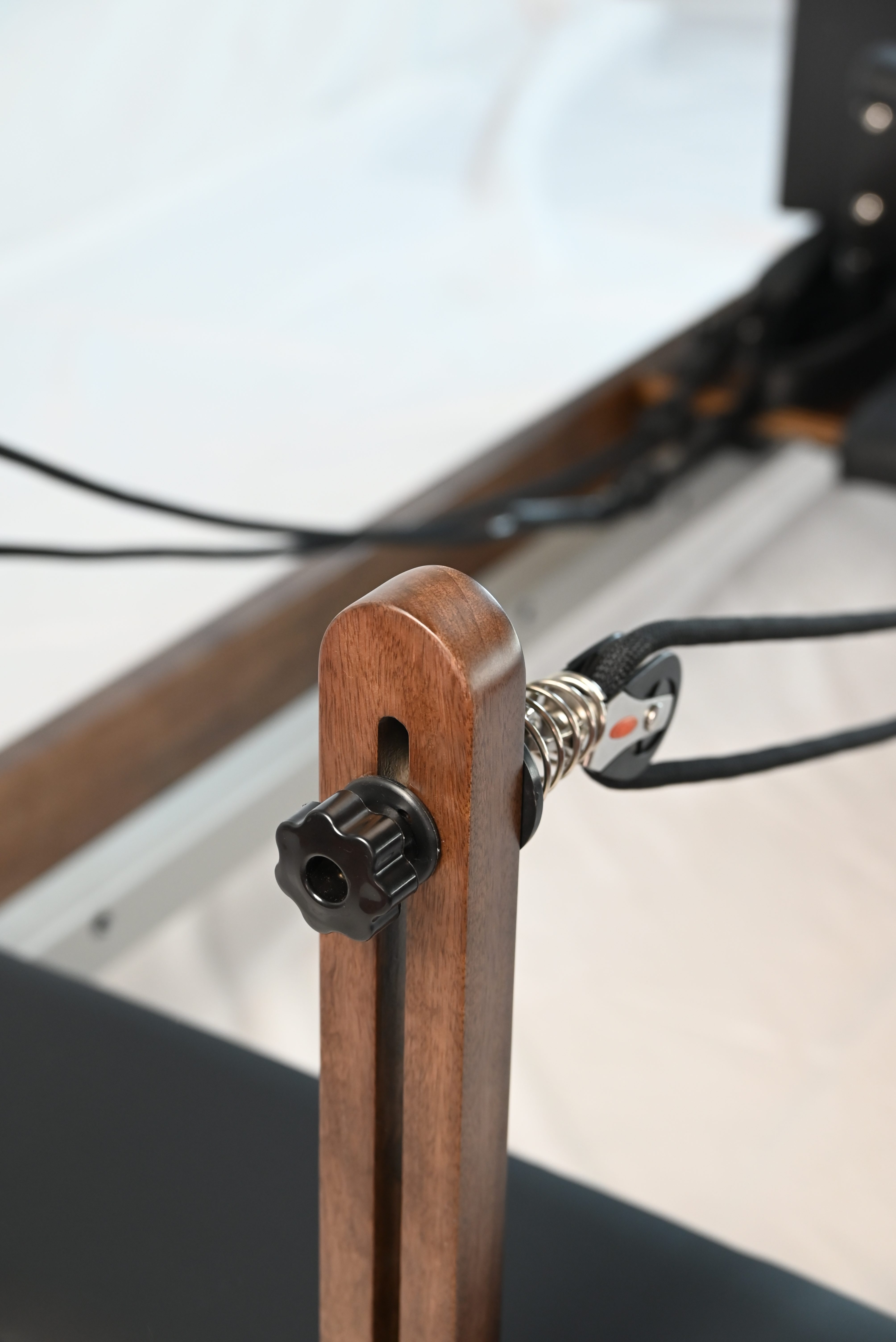
Solid timber remains the premium choice for classic Pilates reformers and ladder barrels. Only source timber carrying valid FSC certification, which confirms the wood comes from responsibly managed forests with controlled harvesting and replanting rules. Low-VOC, water-based clear lacquer or natural oil finishes replace toxic solvent varnishes. The main downside is weight and higher shipping carbon, plus vulnerability to humidity fluctuations in coastal European studios. Timber frames are repairable and can be refinished or upcycled, supporting circular resale models.
- Recycled Aluminium
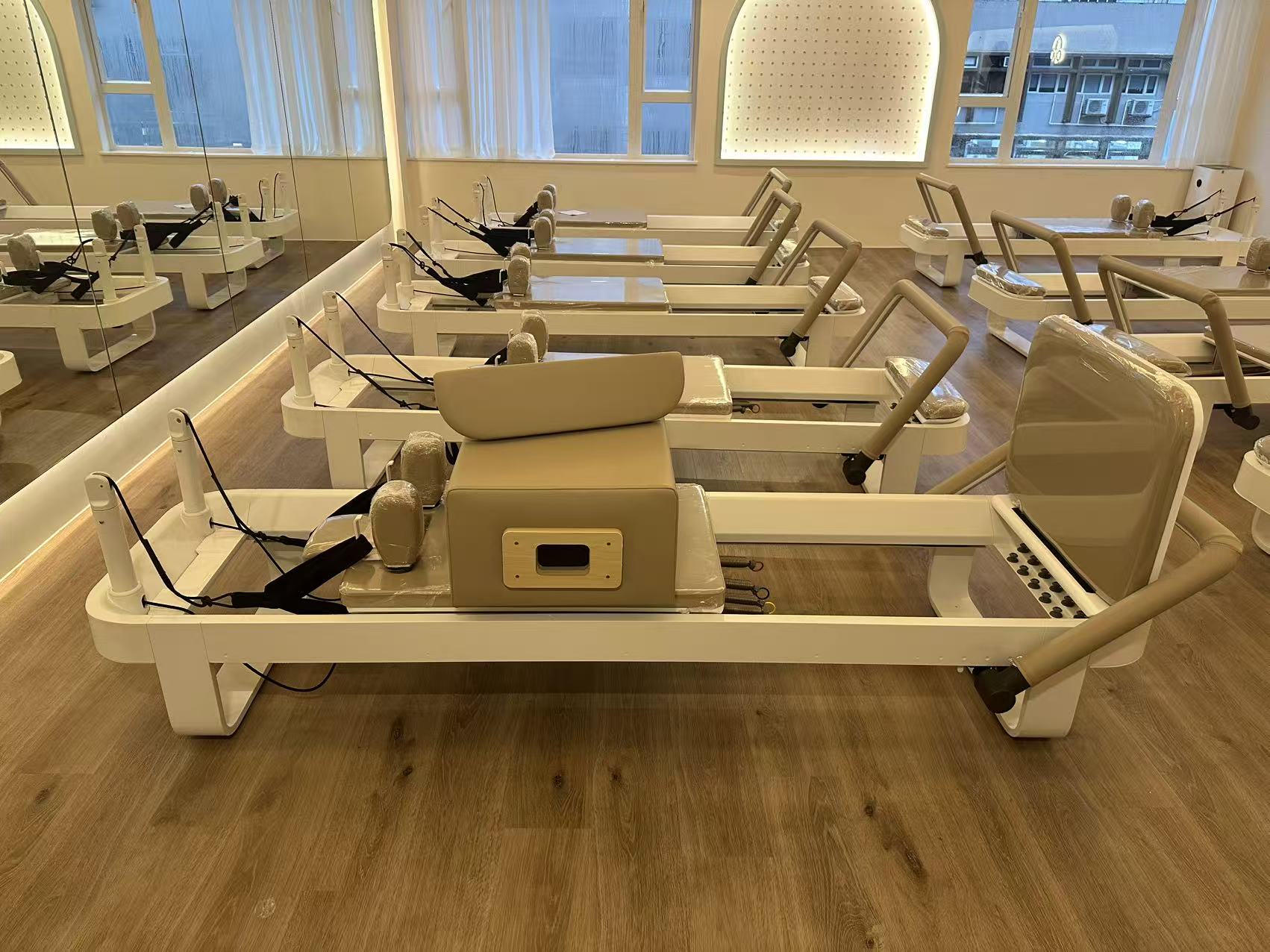
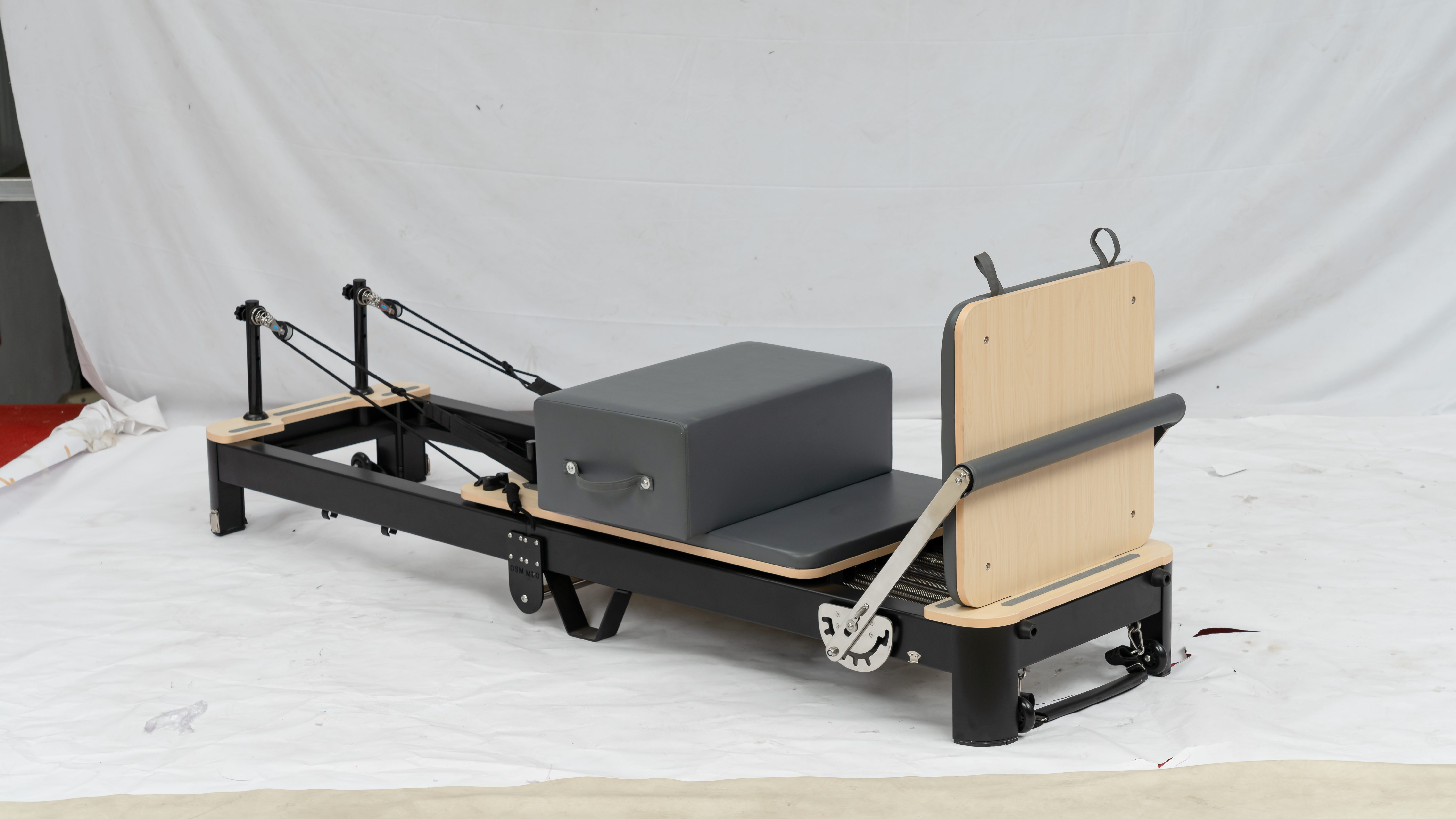
Aluminium is infinitely recyclable, and recycled aluminium production uses a fraction of the energy required to produce virgin aluminium. Powder-coated recycled aluminium frames are lightweight, rust-resistant and stable across humid climates, which makes them excellent for wall towers, stability chairs and mobile Pilates apparatus. Importers should verify the recycled content percentage and confirm the powder coating is free of restricted heavy metals. The trade-off is that aluminium frames lack the warm aesthetic of solid wood preferred by many traditional Pilates studios.
- Recycled Composite Lumber / Poly Lumber
Poly lumber is manufactured from recycled plastic waste, diverting HDPE and PET from landfill. It is rot-proof, low-maintenance and does not require paint or sealant. It is a rising option for reformer base platforms and outdoor pop-up Pilates equipment. Limitations include higher thermal expansion and a different tactile feel compared to natural wood, so it is still less widely accepted in premium classical Pilates markets.
- Recycled Steel
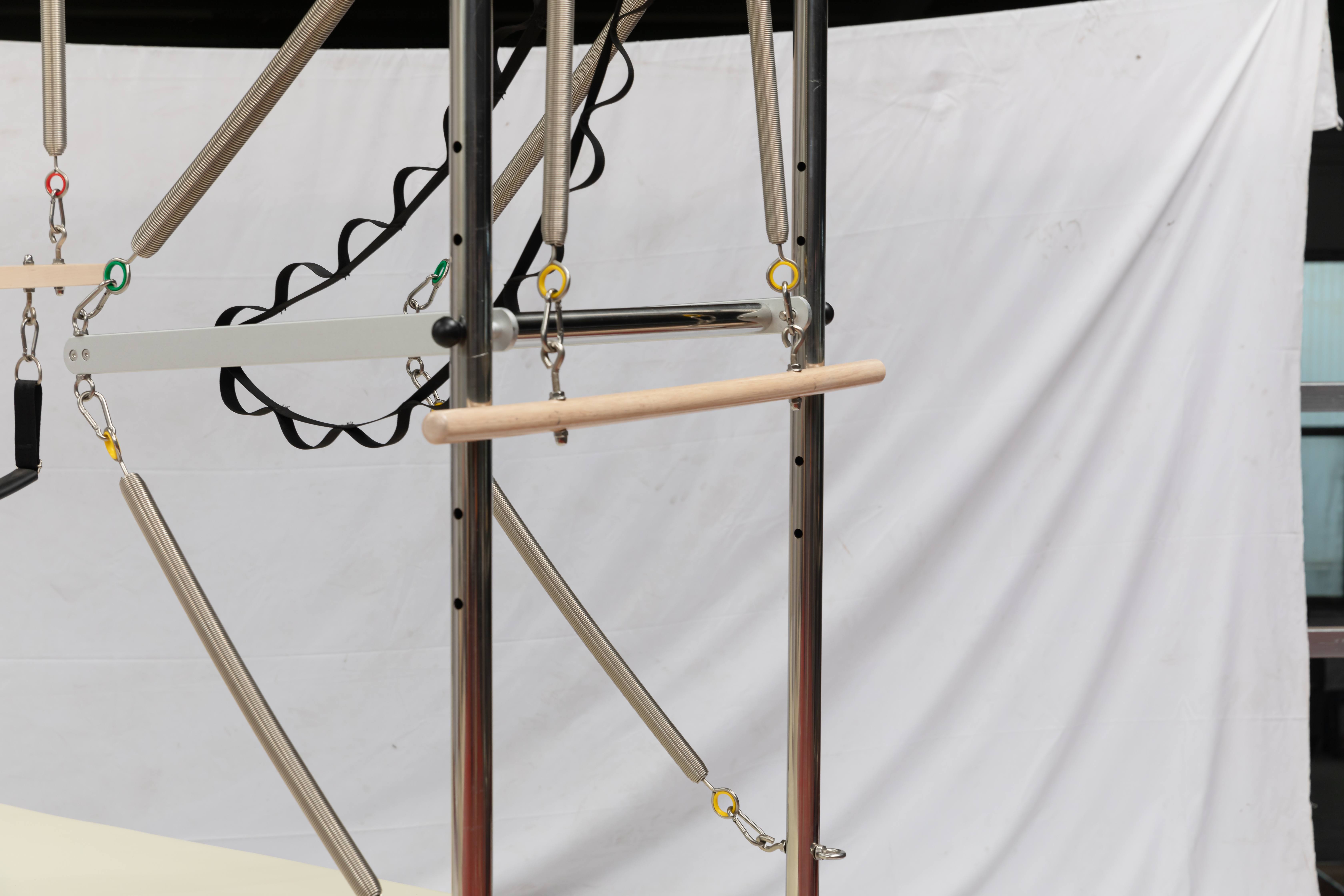
For heavy-duty Cadillac trapeze tables and high-load rehabilitation frames, recycled steel offers exceptional structural stability. Powder coating must be eco-grade and REACH compliant. Steel has high recyclability, but its weight pushes up ocean freight emissions, which importers should factor into carbon reporting for sustainability-focused clients.
Additional Sustainable Components to Complete the Specification
Frame and upholstery are the primary focus, but full circular sourcing extends to smaller parts:
- Straps and webbing: GRS-certified recycled PET webbing instead of virgin nylon
- Padding: Low-emission, formaldehyde-free recycled foam or plant-based foam
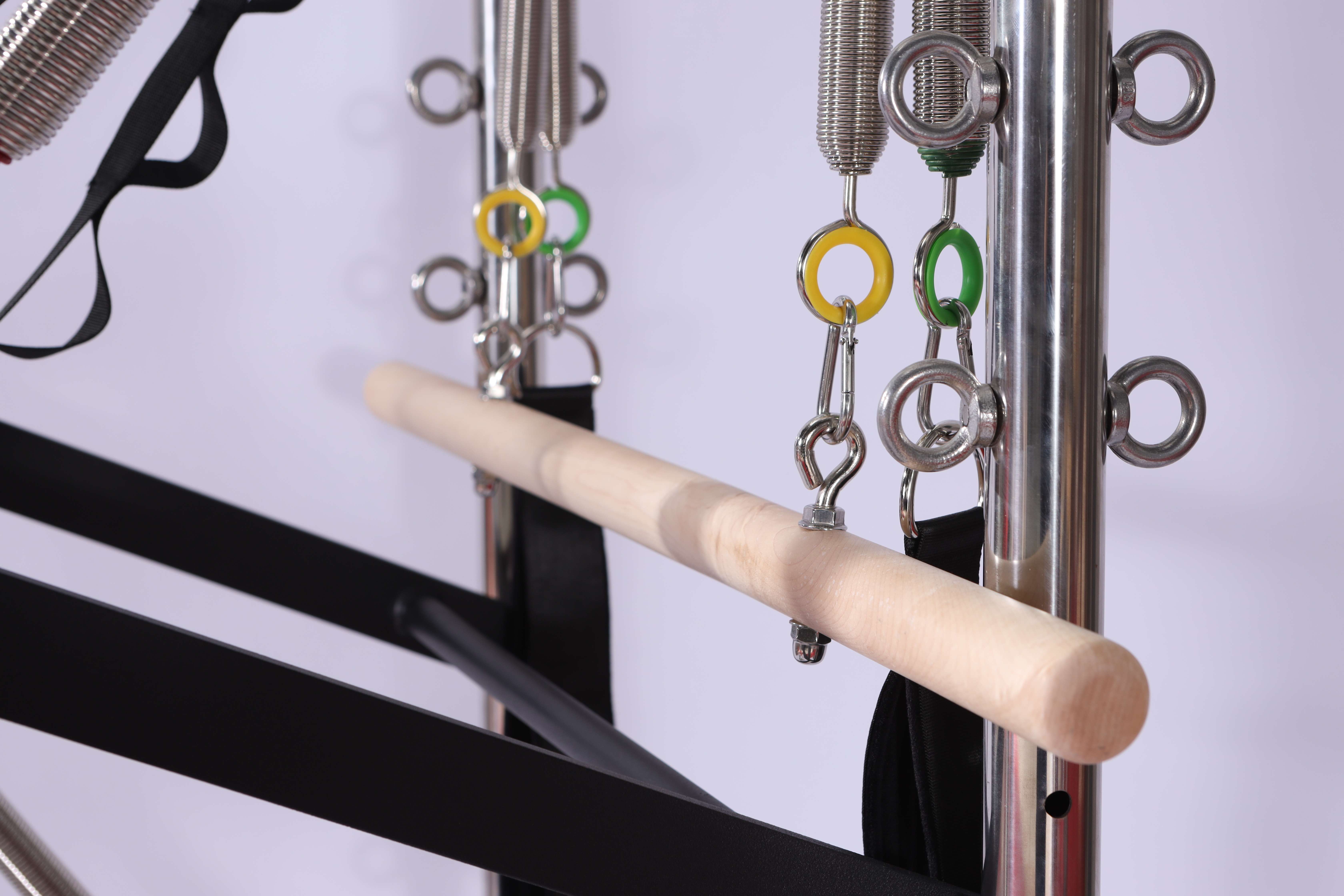
- Springs: Recycled high-tensile steel springs with zinc plating free of toxic passivators
- Packaging: FSC recycled cartons, paper tape and plastic-free filler to align with EU PPWR packaging rules
Balancing Green Claims, Cost and Studio Expectations
Sustainable Pilates equipment usually carries a higher ex-factory price. Importers need to segment their catalogue: a premium eco line for wellness studios, yoga retreats and sustainability-focused multi-location groups, alongside standard lines for budget buyers. Many European buyers are willing to pay a premium, but they will reject products that sacrifice durability. A recycled PU that scuffs easily or a low-grade recycled aluminium frame that flexes under load will generate warranty complaints and damage your brand reputation.
Sample testing is non-negotiable. Request long-term wear tests, sanitisation cycle tests and full chemical reports before committing to bulk orders. It is also wise to create a clear, honest product spec sheet that lists recycled content percentage, certification numbers and material limitations, avoiding overstated green claims that risk scrutiny under EU consumer protection rules.
Circular Business Opportunities for Importers
Sustainable sourcing pairs naturally with after-sale circular services you can offer European studio clients: frame refinishing, upholstery replacement, spring recycling take-back programmes and used equipment resale. When you design machines with modular, replaceable eco parts, you extend the service life and reduce the rate at which entire Pilates units become waste. This circular package is a powerful sales argument for studios that publish ESG and sustainability reports.
Final Takeaway
Sustainable Pilates equipment sourcing for Europe is not about picking one “perfect green material”. It is about matching upholstery and frame options to your buyer segment, documenting every certification, and aligning specs with REACH, EN 957 and forestry standards. Recycled PU upholstery and FSC hardwood suit classical premium studios, while recycled aluminium and poly lumber work well for contemporary, high-volume and coastal locations. By building transparent, tested eco lines, importers can capture fast-growing demand from European wellness operators while reducing compliance risks and staying ahead of incoming EU ecodesign requirements.