How to Choose a Reliable Pilates Equipment Supplier for Your Studio

Choosing a Pilates equipment supplier is one of the most consequential decisions a studio owner makes. The machines you buy will shape your clients' experience, your trainers' effectiveness, and your business's bottom line for years. Yet the evaluation process is often reduced to comparing prices on a spreadsheet. A reliable supplier offers far more than a competitive quote—they provide verifiable quality, dependable logistics, accessible spare parts, and a partnership that lasts as long as the equipment does.
Verify Whether You Are Dealing With a Manufacturer or a Trading Company
The first question to settle is who actually makes the equipment. Direct manufacturers offer factory-direct pricing, faster communication on specifications, genuine OEM/ODM capability, and direct control over quality. Trading companies may resell the same machines at a markup, and when problems arise, they often have limited ability to resolve them because they do not control production.
The fastest way to distinguish one from the other is to request a live video walkthrough of the production floor. A real factory can show its welding jigs, upholstery tables, assembly lines, and packing areas in a five-minute call. A trader will stall, send a catalogue, or show a building from the outside. Business licenses and physical addresses are useful, but a live walkthrough is the filter that is hardest to fake.
Demand Evidence of Quality Control and Certification
Every supplier claims strict quality control. The difference lies in whether they can describe the process. Ask what happens at incoming material inspection, in-line assembly checks, and finished-product testing. For a reformer, this means documented checks on spring tension, carriage glide, frame load, and hardware function before packing. A supplier who can explain a rework and re-test loop for failed units is operating a real quality system. One who responds with "don't worry, quality is good" is not.
Certifications matter, but only when they can be matched to the specific products you are buying. For commercial Pilates equipment, the relevant standard is EN ISO 20957, which covers structural integrity, user protection, and testing protocols for stationary training equipment. CE marking is mandatory only for electrical training machinery; non-powered reformers fall under the General Product Safety Regulation. ISO 9001 certifies the manufacturer's quality management processes rather than individual products, and many commercial buyers require it as a baseline. Ask for certificates with matching model numbers. Generic certificates without SKU references are a red flag.
For buyers concerned about liability, there is a further consideration: uncertified equipment may void insurance coverage for commercial studios, creating significant risk exposure.
Evaluate Component Quality Beyond the Frame
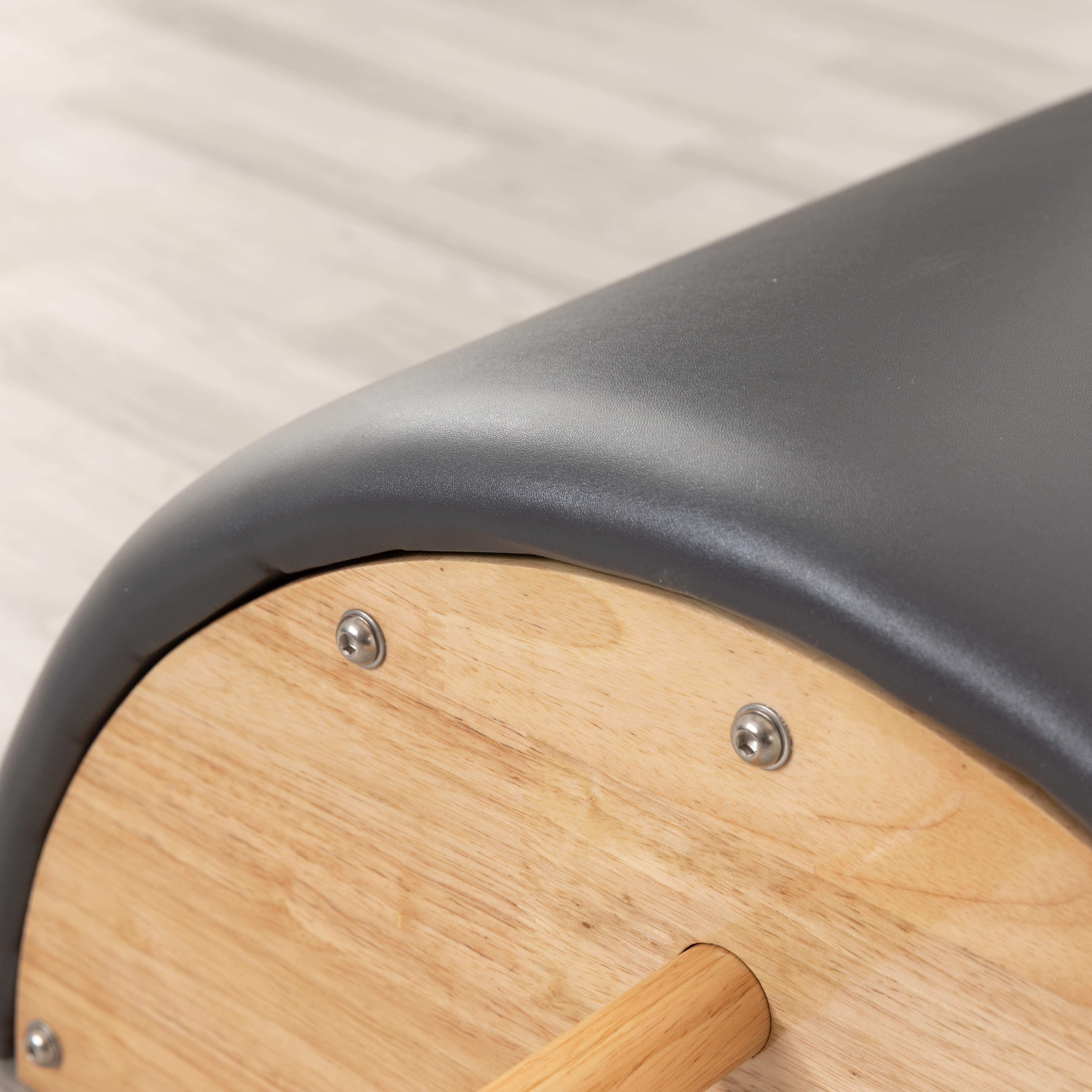
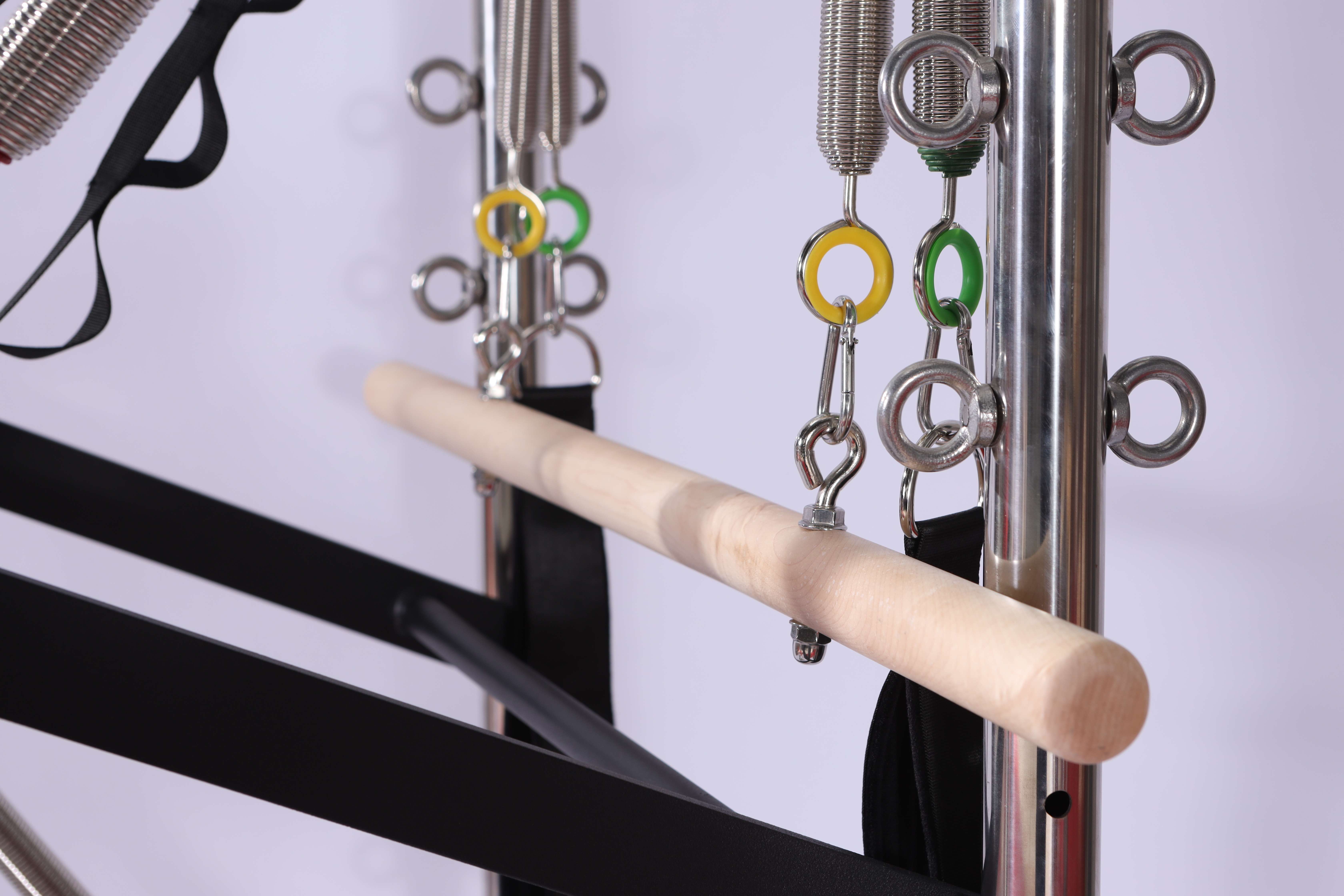
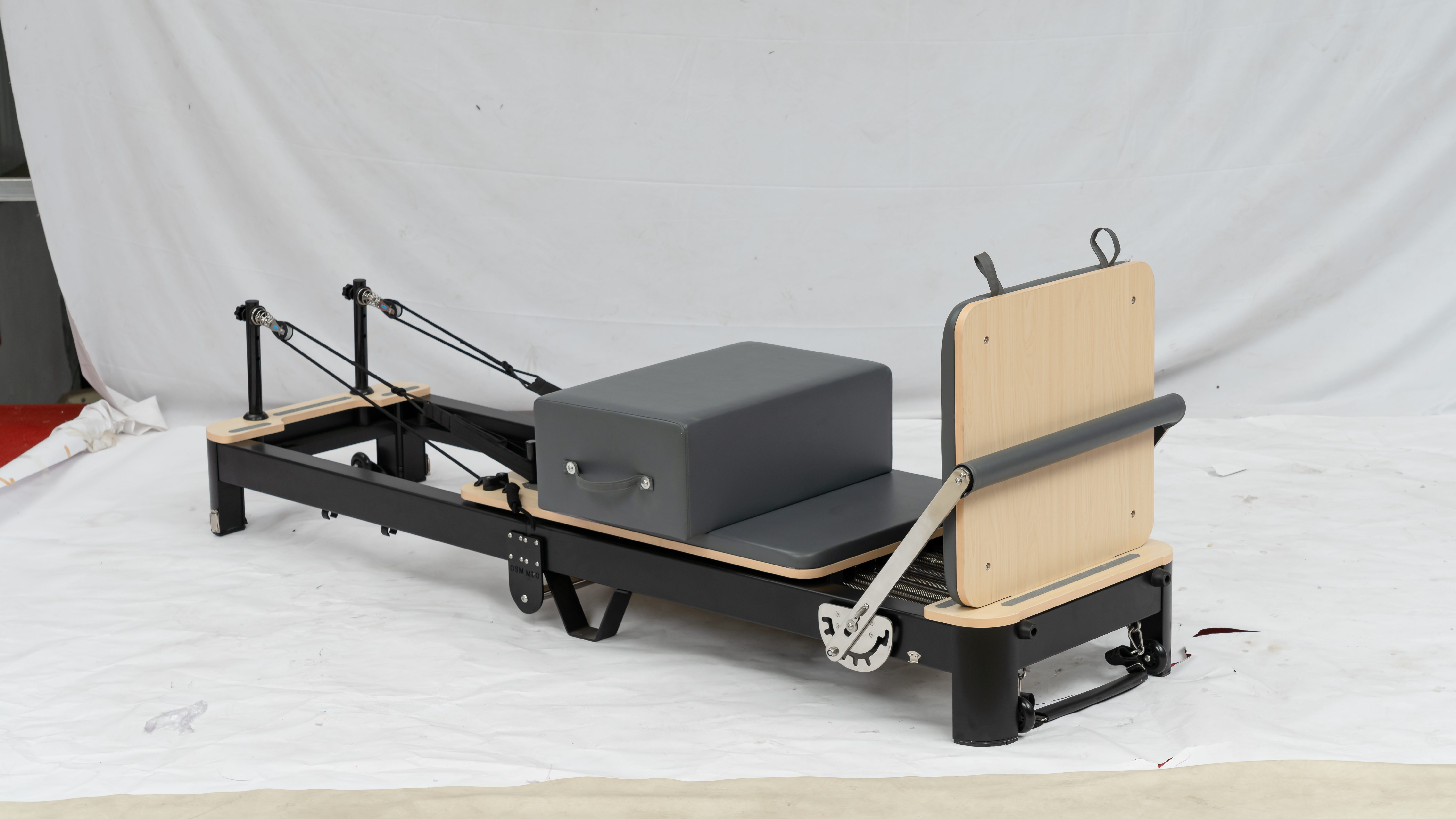
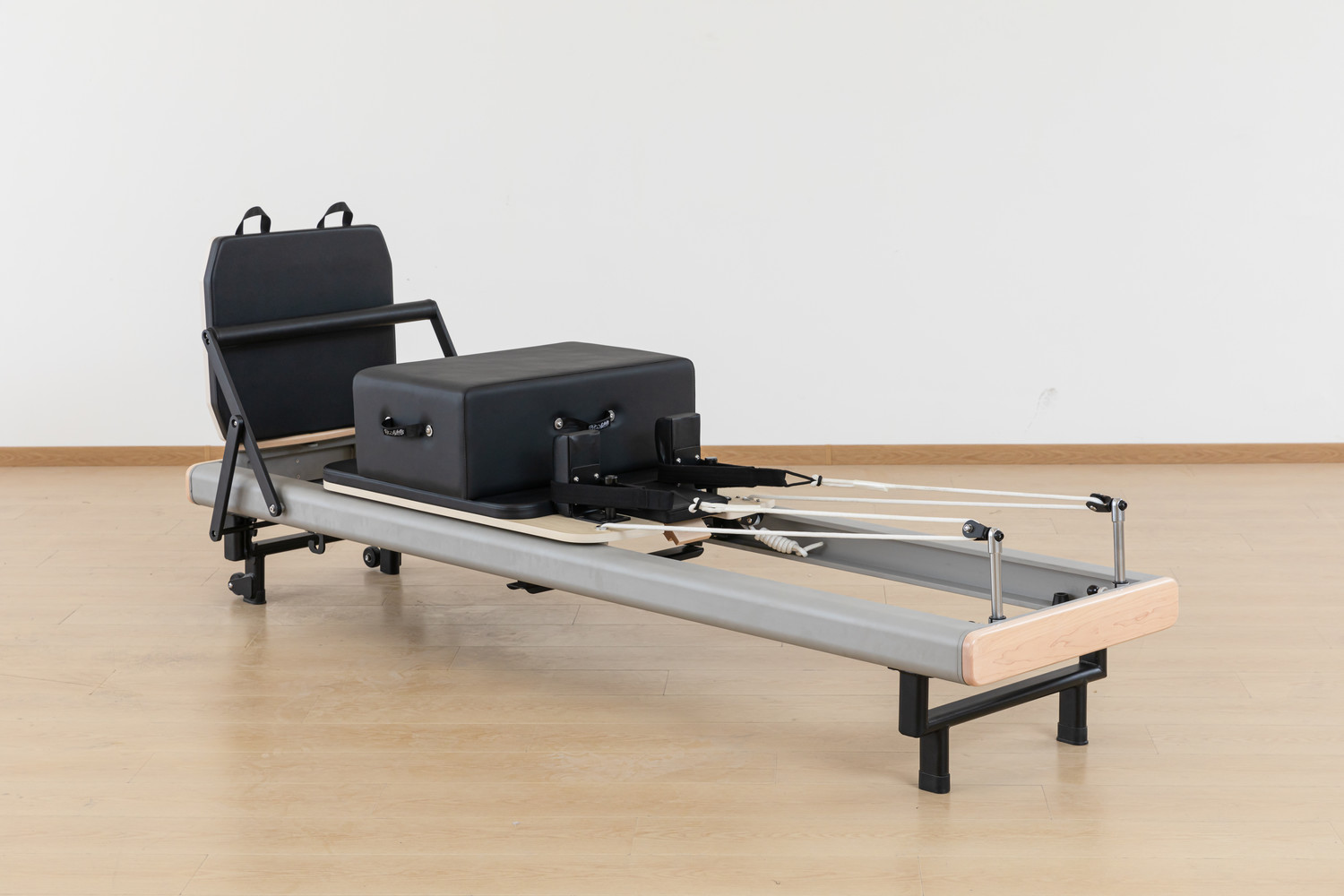
The frame receives most of the attention, and for good reason. Dense hardwoods such as rock maple and beechwood offer structural integrity and resist warping under humidity changes, while aluminum and steel excel in high-moisture environments. Powder coating on metal frames resists chipping far better than standard liquid paint.
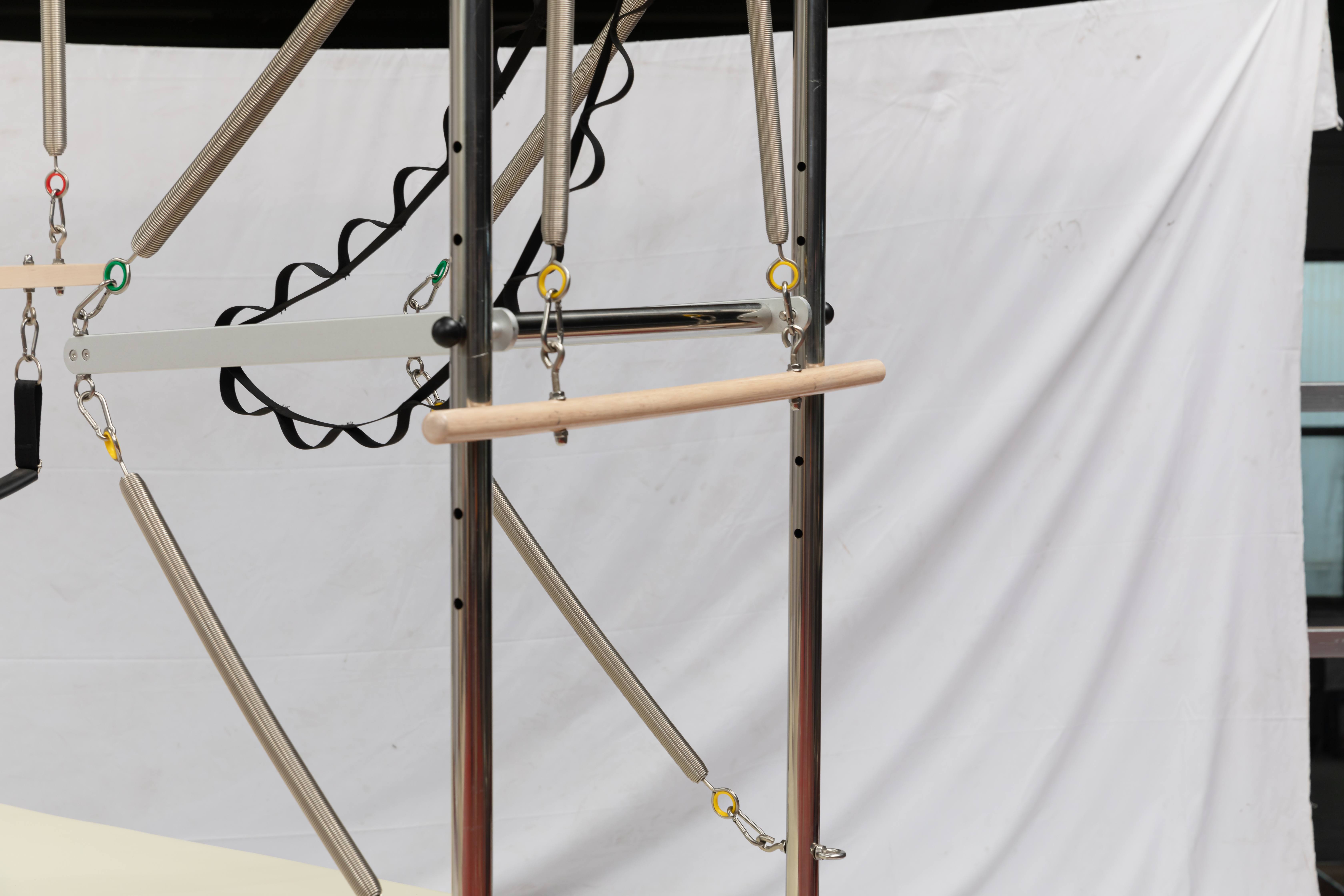
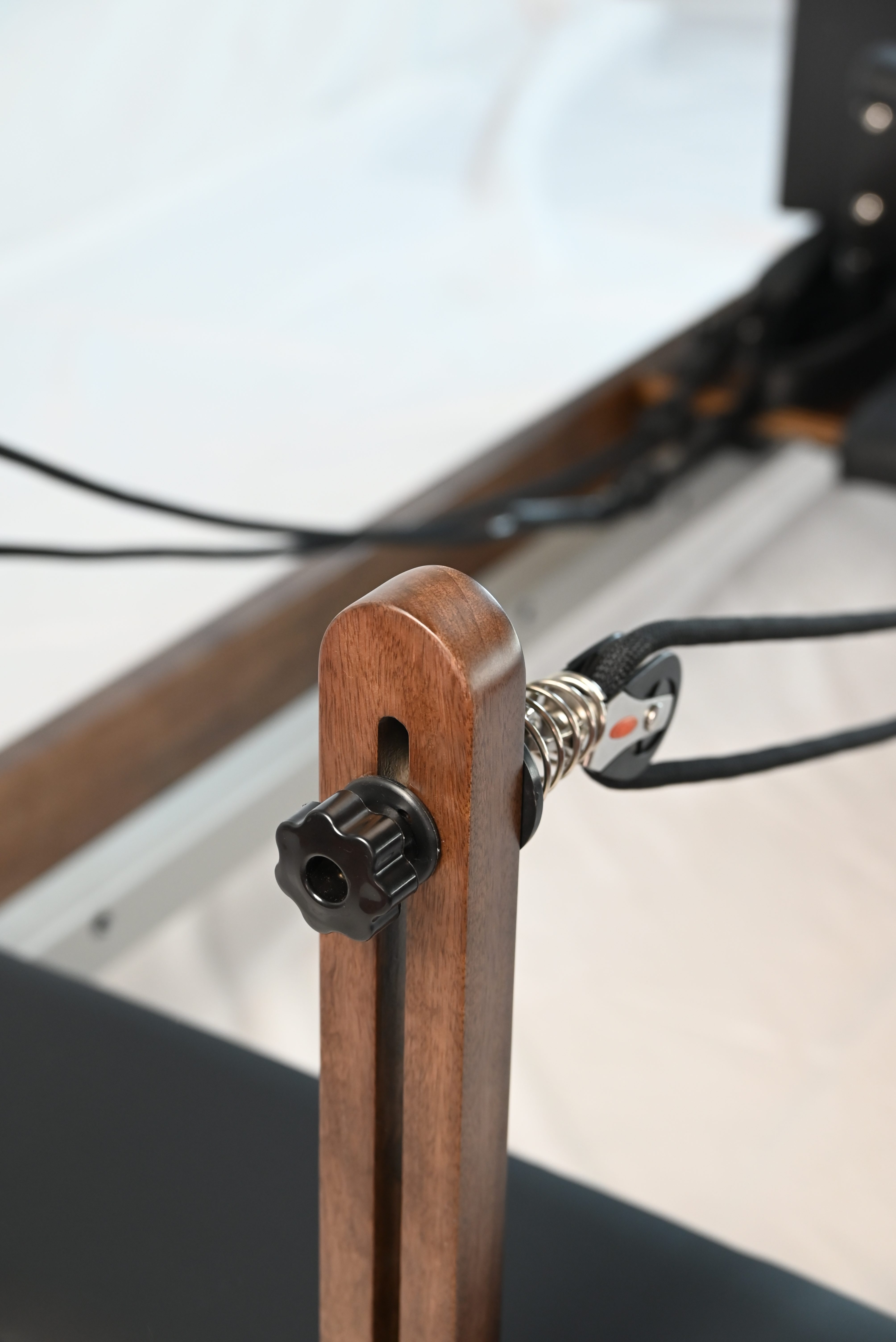
But moving parts fail first, and they deserve equal scrutiny. The carriage should glide silently and effortlessly. Multi-wheel systems with ABEC-rated bearings reduce friction and prevent track degradation. Springs pose the highest safety risk in any studio: nickel-plated carbon steel offers resilience and rust prevention, and suppliers should be able to provide tested life-cycle data demonstrating elasticity retention before snapping risks occur. Upholstery should use high-density foam beneath marine-grade vinyl, which withstands the frequent chemical cleaning that studio hygiene demands.
Scrutinize the Warranty Structure, Not Just Its Headline
Many suppliers advertise lifetime warranties. Read the tiers carefully. Frame warranties may indeed last decades—thick wood and metal structures rarely fail under normal conditions. But mechanical parts, springs, upholstery, and elastomer components typically carry much shorter terms. One manufacturer's published policy, for example, covers the frame for 25 years while springs and aluminum components carry two years, elastomer parts one year, and upholstery just six months. Knowing exactly what is excluded before you buy prevents unpleasant surprises later.
More important than the warranty length is the availability of replacement parts. A warranty is useless if the part you need cannot be shipped. Ask for a defined spare parts list with transparent pricing, and confirm that the supplier can support reorders reliably after delivery. Commercial Pilates equipment is used daily; springs, ropes, upholstery, wheels, bearings, pulleys, and footbar components have defined service lives. A supplier who stocks critical replacement parts domestically mitigates global shipping disruptions and keeps your studio operational during peak seasons.
Assess Logistics and Lead Time Transparency
Manufacturing quality matters little if the equipment never arrives. Demand hard data on dispatch dates. Separate in-stock fulfillment timelines from made-to-order production schedules. Vague delivery promises often lead to delayed openings and wasted rent.
Ask where the supplier's delivery responsibility ends. For international orders, clarify whether they handle customs clearance. Confirm whether liftgate delivery is standard, and whether inside delivery or installation services are available. Curbside drop-offs leave you struggling to move heavy crates indoors. For commercial orders, pre-shipment inspection by a third party is a reasonable expectation. A supplier unwilling to accommodate third-party inspection before shipment is a meaningful red flag.
Read the Quotation as Carefully as the Equipment
Many sourcing problems arise not from poor factory quality but from quotations too vague to hold anyone accountable. A professional quotation should specify the exact model and configuration, the materials and components used, the warranty terms, the spare parts included or available, the shipping terms (EXW, FOB, CIF, or DDP), and what costs remain the buyer's responsibility. The lowest product price does not necessarily mean the lowest total cost. Landed cost includes packaging, shipping, import duties, and the ongoing cost of spare parts.
Test Communication Before You Commit
International purchasing involves countless details: specifications, customization, production updates, packaging requirements, shipping documents, and after-sales issues. Track response times during the quotation phase—that is the supplier's best behavior. If quotes take five days during the sales cycle, production updates during peak season will be worse. Good communication reduces misunderstandings and makes repeat orders efficient. Poor communication during the sales process is a preview of what follows.
Conclusion
A reliable Pilates equipment supplier is not the one with the lowest price or the flashiest brochure. It is the one that can prove it manufactures what it sells, documents its quality control, matches certifications to specific products, stocks spare parts, provides transparent logistics, and communicates reliably. Evaluate these factors before you discuss price, because a supplier who is slow or evasive on any of them will be slow and evasive about everything else. Your studio's equipment will serve clients for years; the supplier behind it should be held to the same standard.