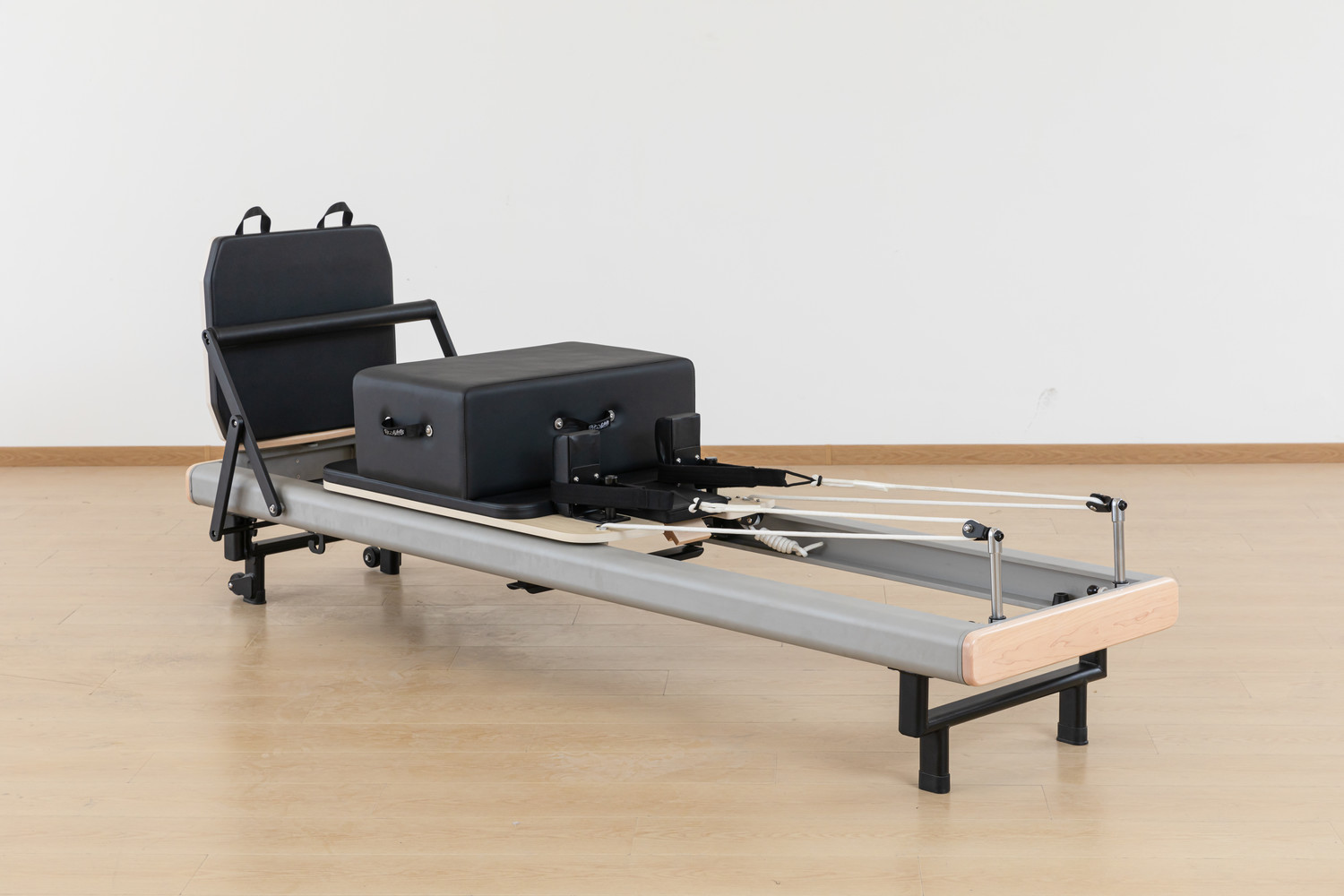
Wholesale Pilates Equipment: What Studio Owners Should Ask Before Ordering

Ordering Pilates equipment at wholesale volume is one of the largest capital decisions a studio owner will make. Unlike buying a single reformer for home use, a wholesale order involves specifications that must hold across every unit, logistics that can make or break the budget, and after-sales arrangements that determine whether a studio can keep running when a spring snaps mid-class. The questions below are the ones that separate a smooth procurement process from an expensive lesson.
Is This a Manufacturer or a Trading Company?
This is the first question, and it changes everything that follows. A direct manufacturer controls production, quality checks, and lead times. A trading company may offer convenience and a broader catalog, but it sits between you and the factory floor. Neither is inherently wrong, but you should know which one you are dealing with before you negotiate price or warranty.
Ask for the full registered company name and verify it against the business license and the bank details on the proforma invoice. All three should match. Then ask for a live video walk of the production floor—not a pre-recorded tour, not a catalog of stock photos. You want to see frames at various stages of assembly, the upholstery area, spring storage, and finished machines being packed. If the supplier cannot show you work in progress that matches the products you are buying, treat that as a significant warning sign.
What Exactly Is Included in the Quotation?
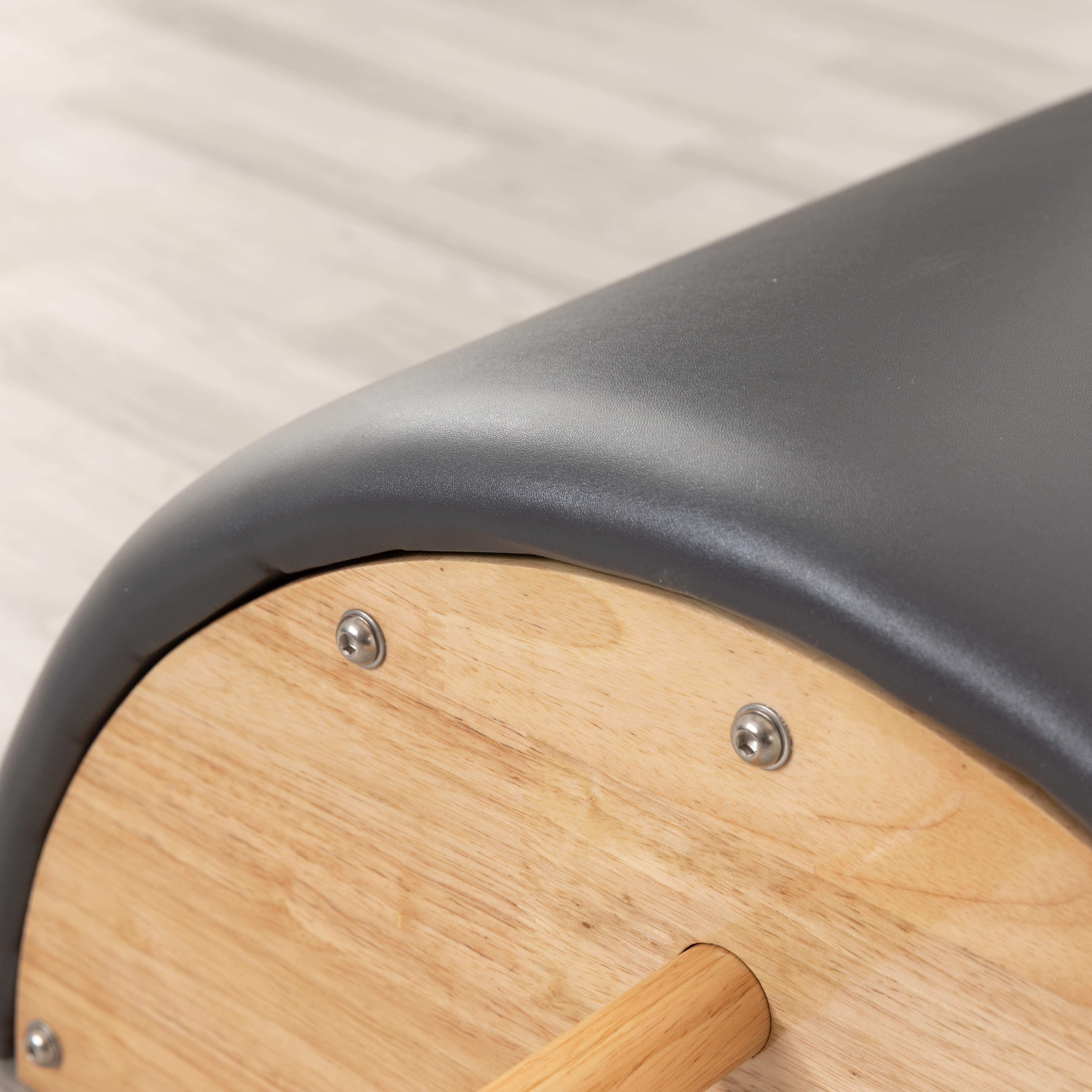
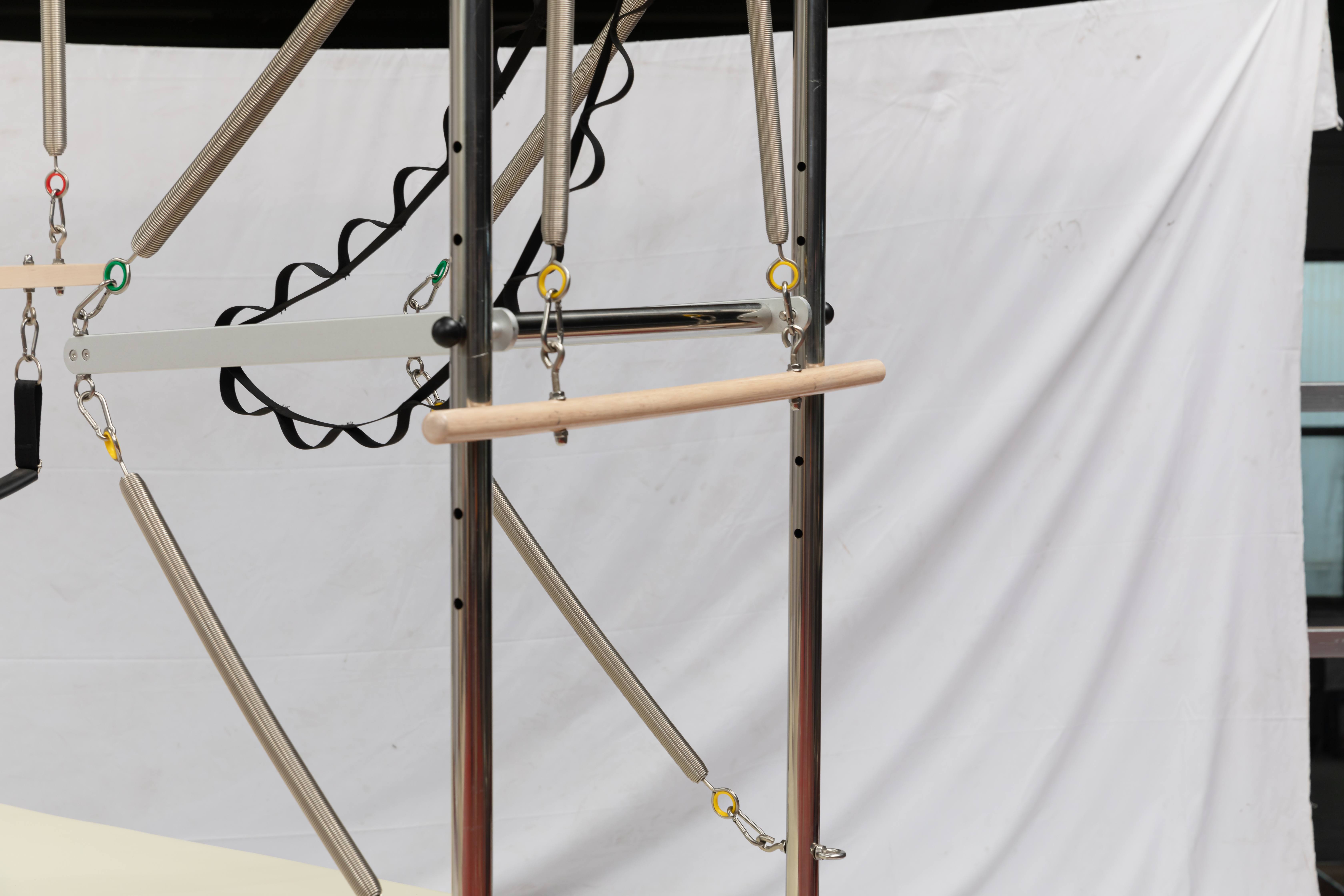
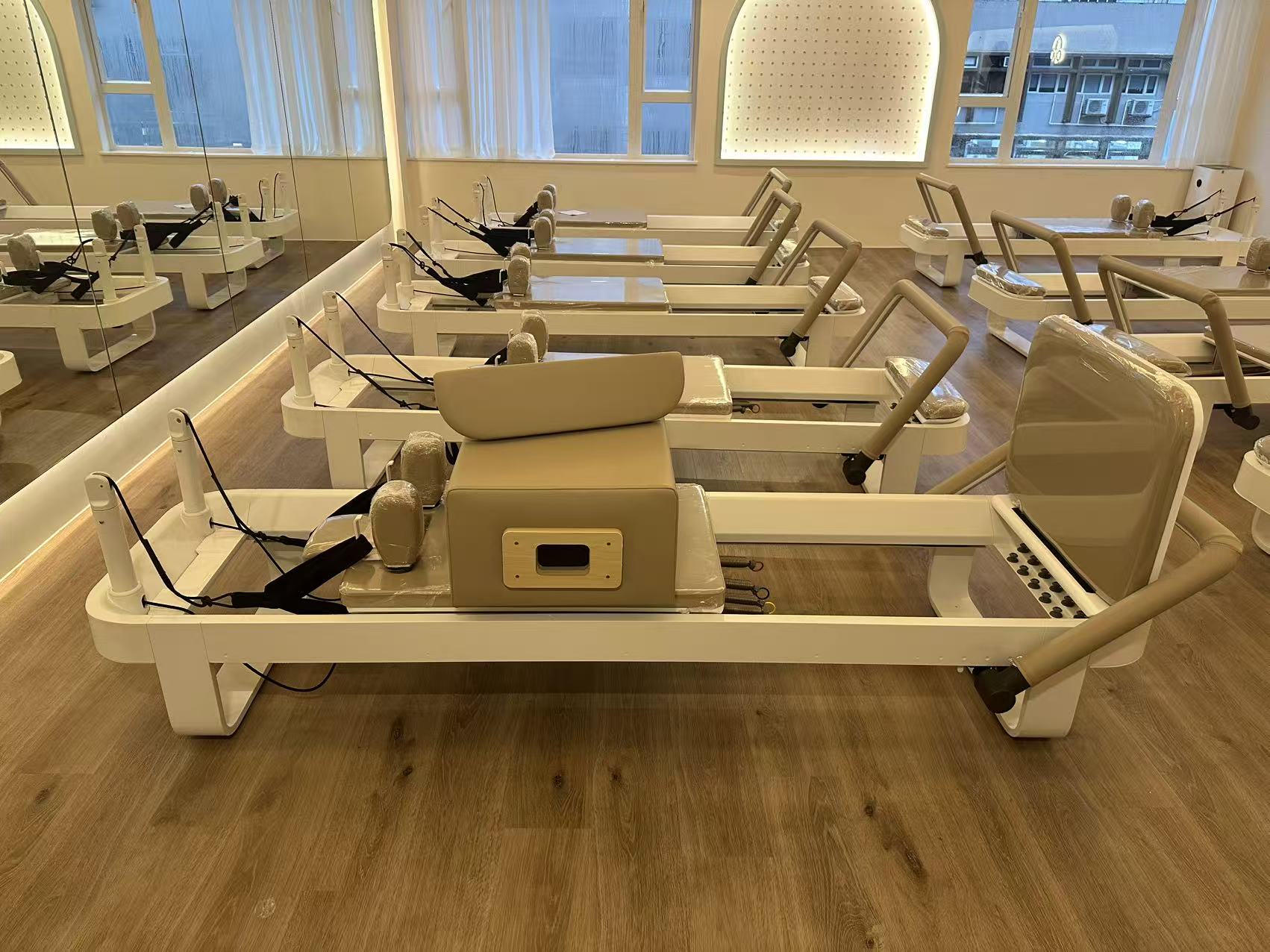
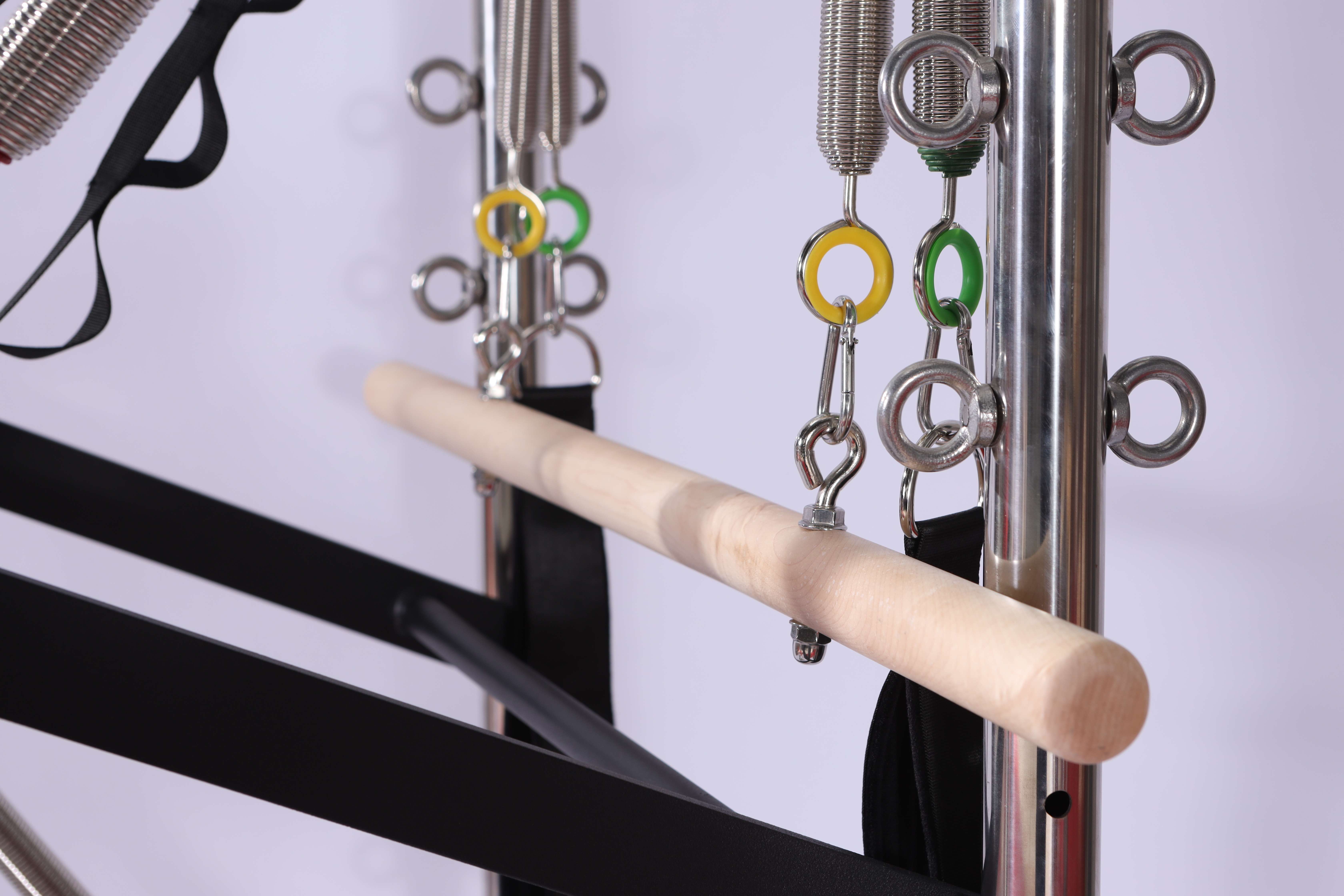
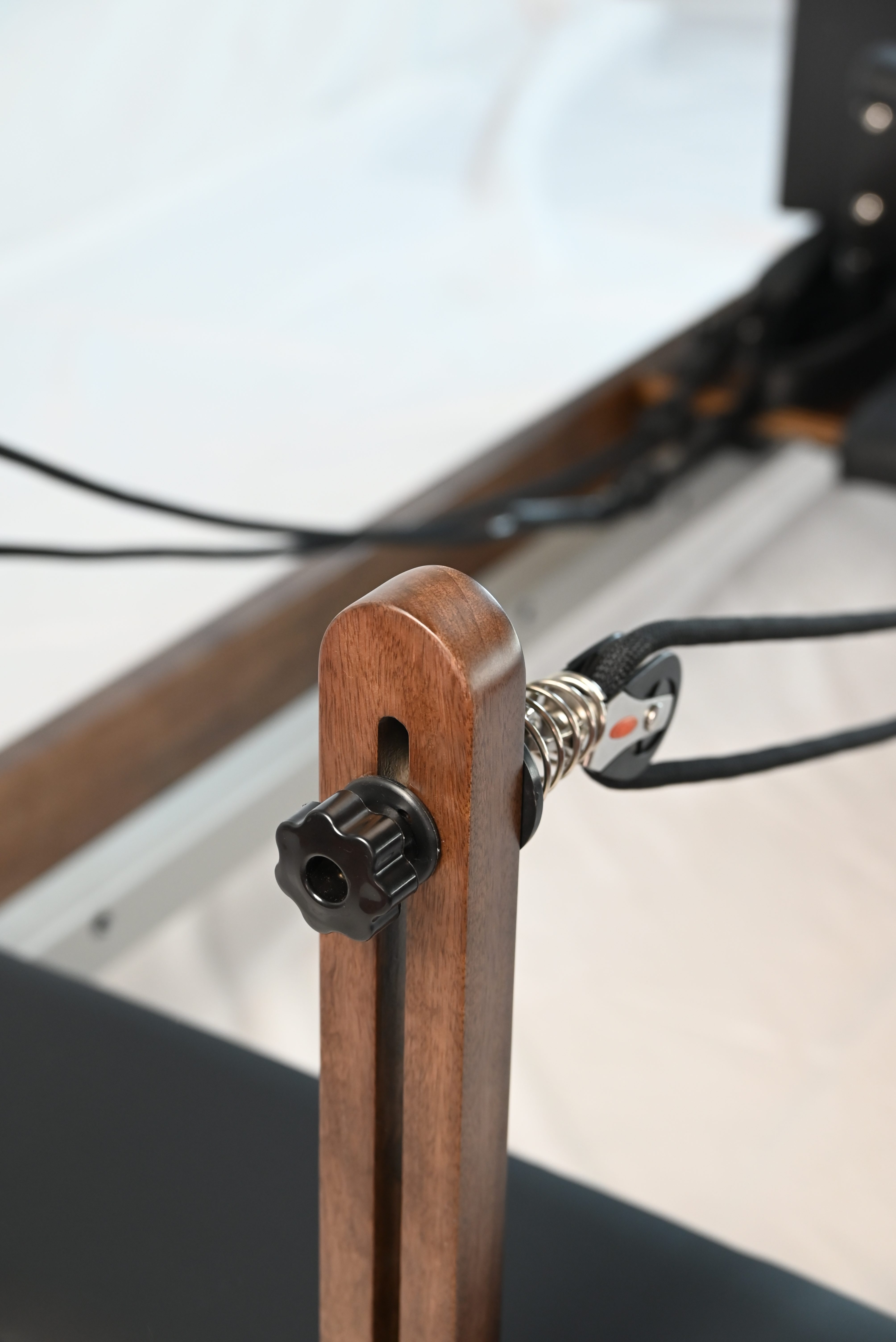
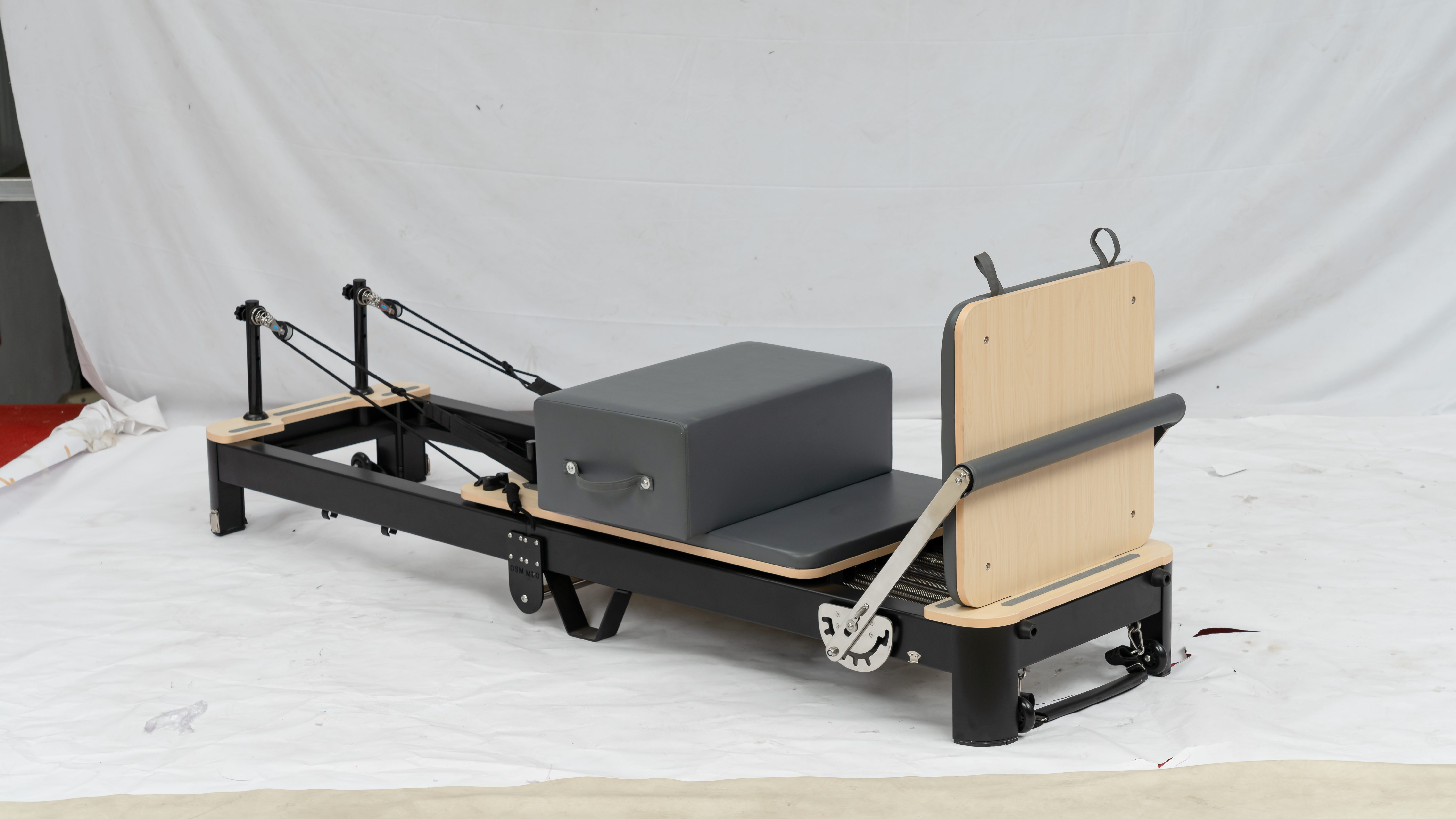
Wholesale quotations are frequently vague, and vagueness becomes expensive later. A professional quotation should specify the model name and SKU, frame material and construction method, finished dimensions, spring configuration including number and resistance grades, included accessories, upholstery material and available colors, hardware specifications, packaging method, minimum order quantity, sample lead time, production lead time, Incoterms, warranty terms, and spare parts availability and pricing policy.
Two quotations that look similar in unit price can differ dramatically in configuration. One may include the reformer box and jumpboard; another may list them as optional extras. One may use German piano-wire springs; another may use a generic equivalent. Ask each supplier to itemize what is included and what is not. A lower price often reflects a different configuration rather than a better deal.
What Are the MOQ and Customization Requirements?
Minimum order quantities vary by model and by customization. Standard products may have a lower threshold than custom colors, logo placement, or private-label packaging. Confirm the MOQ for the exact configuration you intend to order, not just the base model. If you are planning repeat orders, ask whether the MOQ applies per order or across a contract period.
For studios building a brand identity, customization of upholstery color or logo is often desirable. Ask about the approval process for artwork and samples, the additional lead time required, and whether customization affects the MOQ or the price per unit. Get all of this in writing before production begins.
What Is the Total Landed Cost?
The unit price on the quotation is only the starting point. The landed cost includes product price, packaging, international freight, customs clearance, duties and taxes, and final delivery to your studio door. Ask the supplier to specify which charges are included under the quoted Incoterm—whether EXW, FOB, CIF, or DDP—and which remain your responsibility.
Shipping is a particularly significant variable for Pilates equipment, which is bulky and heavy. Request package dimensions, gross weight, total cubic meters, and the number of cartons for the exact configuration you are ordering. These details allow you to compare freight quotes accurately and avoid surprise charges at the port. Divide the total estimated cost by the number of units to calculate a landed cost per unit, and use the same assumptions for every supplier to make a fair comparison.
What Is the Warranty and Spare Parts Policy?
Commercial Pilates equipment is used daily. Springs, ropes, upholstery, wheels, bearings, and footbar components have defined service lives. A supplier who maintains a transparent spare parts list, provides clear pricing for replacements, and can support reorders reliably after delivery is genuinely part of your long-term operating cost equation.
Ask for the written warranty terms and any exclusions. Confirm whether the warranty covers the frame, the springs, and the upholstery separately, and for how long. Then ask about the process for ordering replacement parts: how quickly can they be shipped, and is there a minimum order? A studio running full class schedules cannot afford to wait weeks for a carriage wheel. The availability of long-term spare parts is as important as the initial purchase price, and it is far easier to confirm before the order than to discover after.
Can I Order a Sample Before Committing?
For first-time buyers, a sample order is highly recommended. A single unit allows you to test carriage movement, spring performance, frame stability, noise levels, and packaging quality before committing to a full order. Even after a positive sample review, a pilot order of a few units can verify that bulk production matches the approved sample and that delivery timelines hold.
A supplier who manages a small order well is worth scaling with. One who does not is a problem that compounds with volume. Pay attention to whether the bulk configuration matches the sample exactly and how the supplier handles any issue that arises during the pilot phase.
What Are the Payment Terms and Delivery Schedule?
Wholesale orders typically involve a deposit and a balance payment. Clarify the percentages, the payment methods accepted, and the conditions for releasing the balance. Ask for a production schedule that specifies when materials are ordered, when production begins, when quality checks occur, and when the order is ready for shipment.
If you are opening a studio or expanding a location, the delivery date matters as much as the equipment itself. Confirm lead times in writing and build a buffer into your opening timeline. A delay in equipment delivery can cascade into missed pre-opening marketing, canceled training sessions, and frustrated clients.
Conclusion
A wholesale Pilates equipment order is not simply a larger version of a retail purchase. It requires verifying the supplier’s identity, pinning down specifications, calculating the true landed cost, and securing after-sales support before money changes hands. Studio owners who ask these questions before ordering protect their investment and their ability to serve clients without interruption. The right supplier will welcome the scrutiny; the wrong one will resist it.