Pilates and Fascia: Why Slow, Loaded Movement Changes How Your Body Feels
Understanding the connective tissue network that responds to sustained, controlled tension
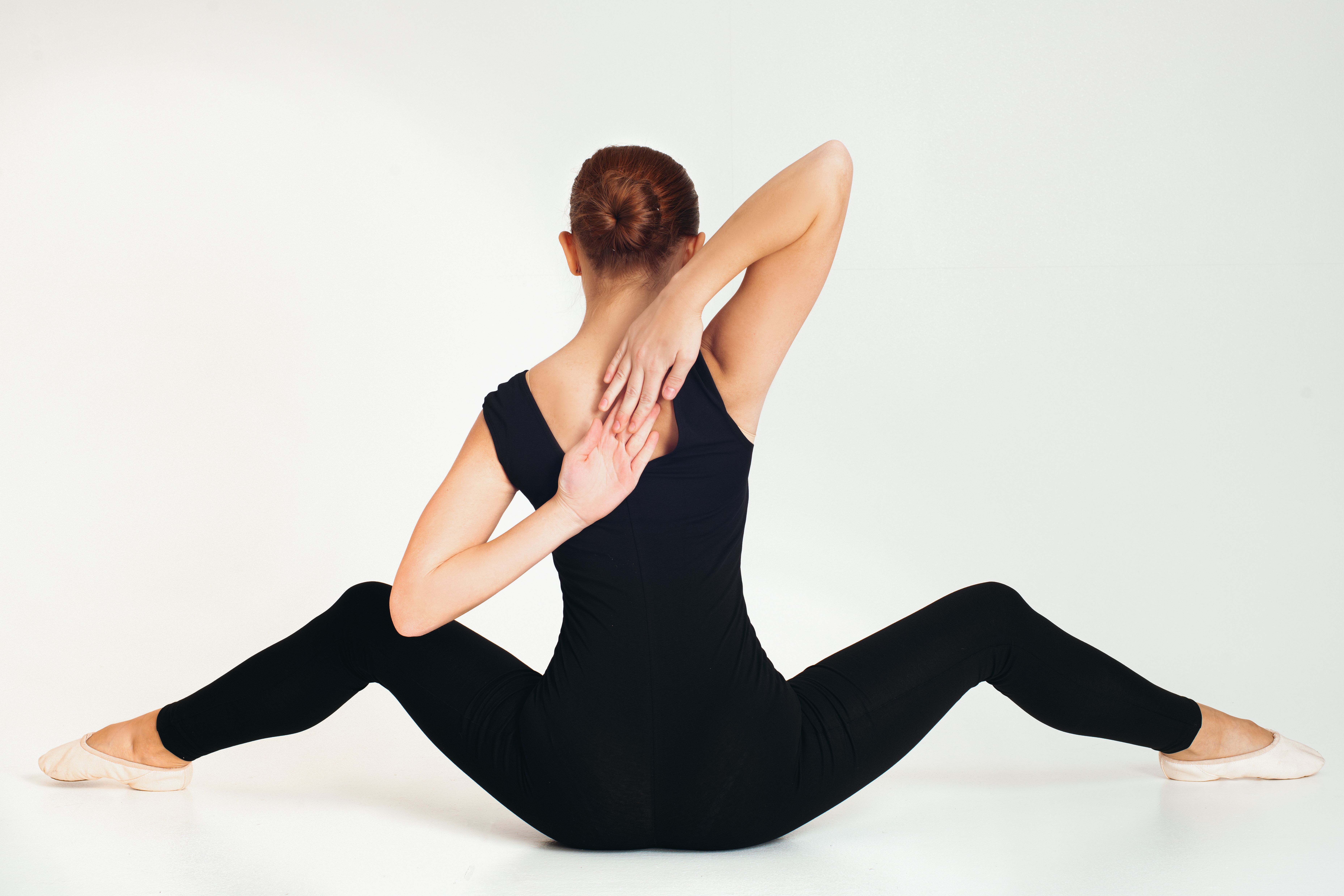
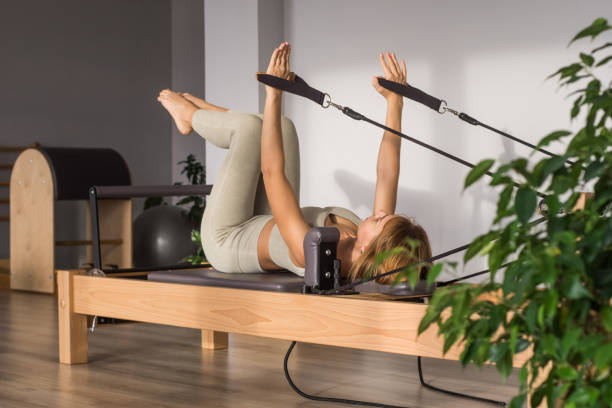
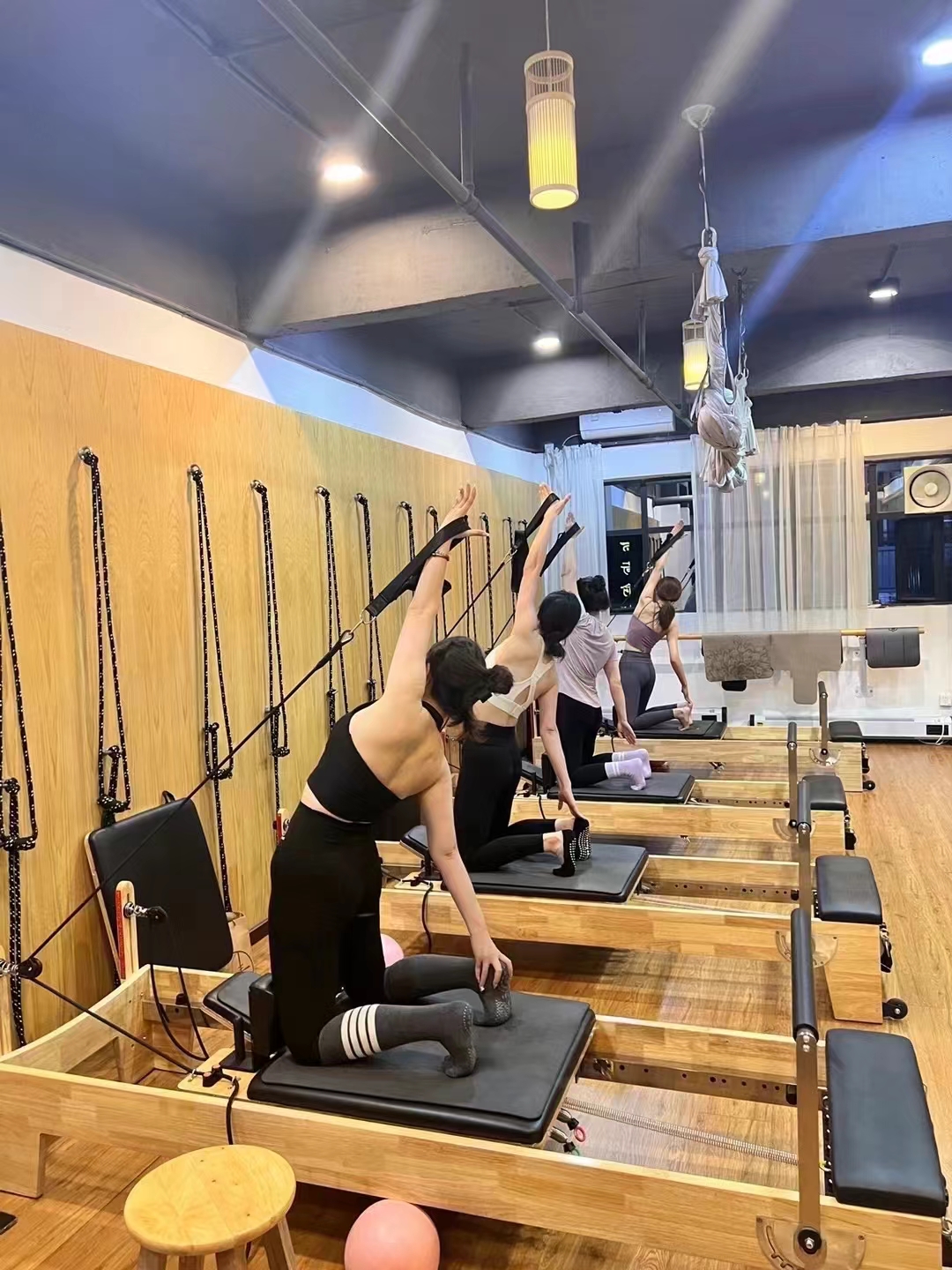
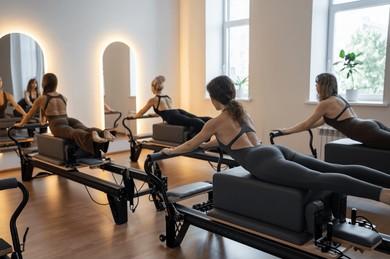
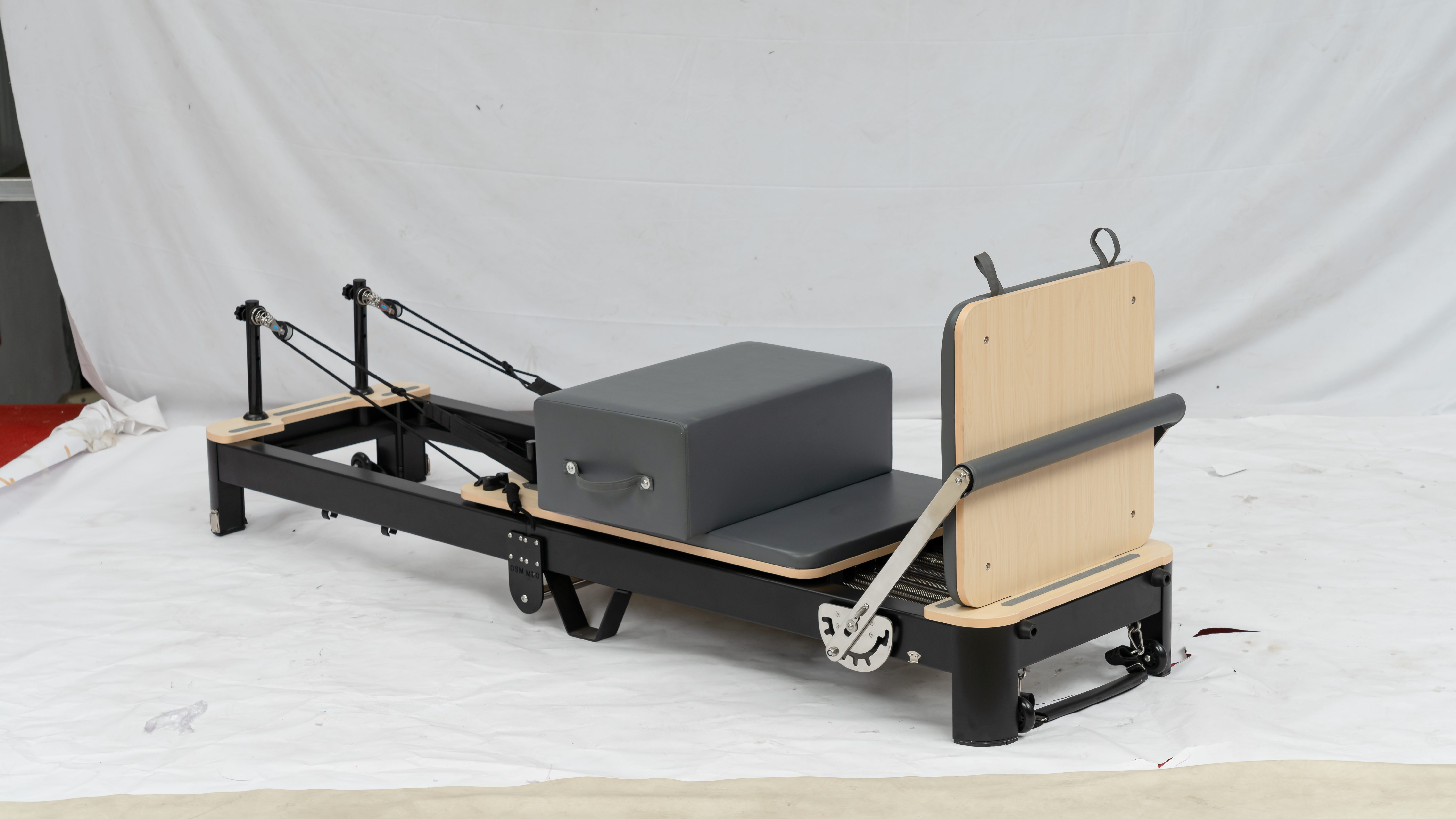
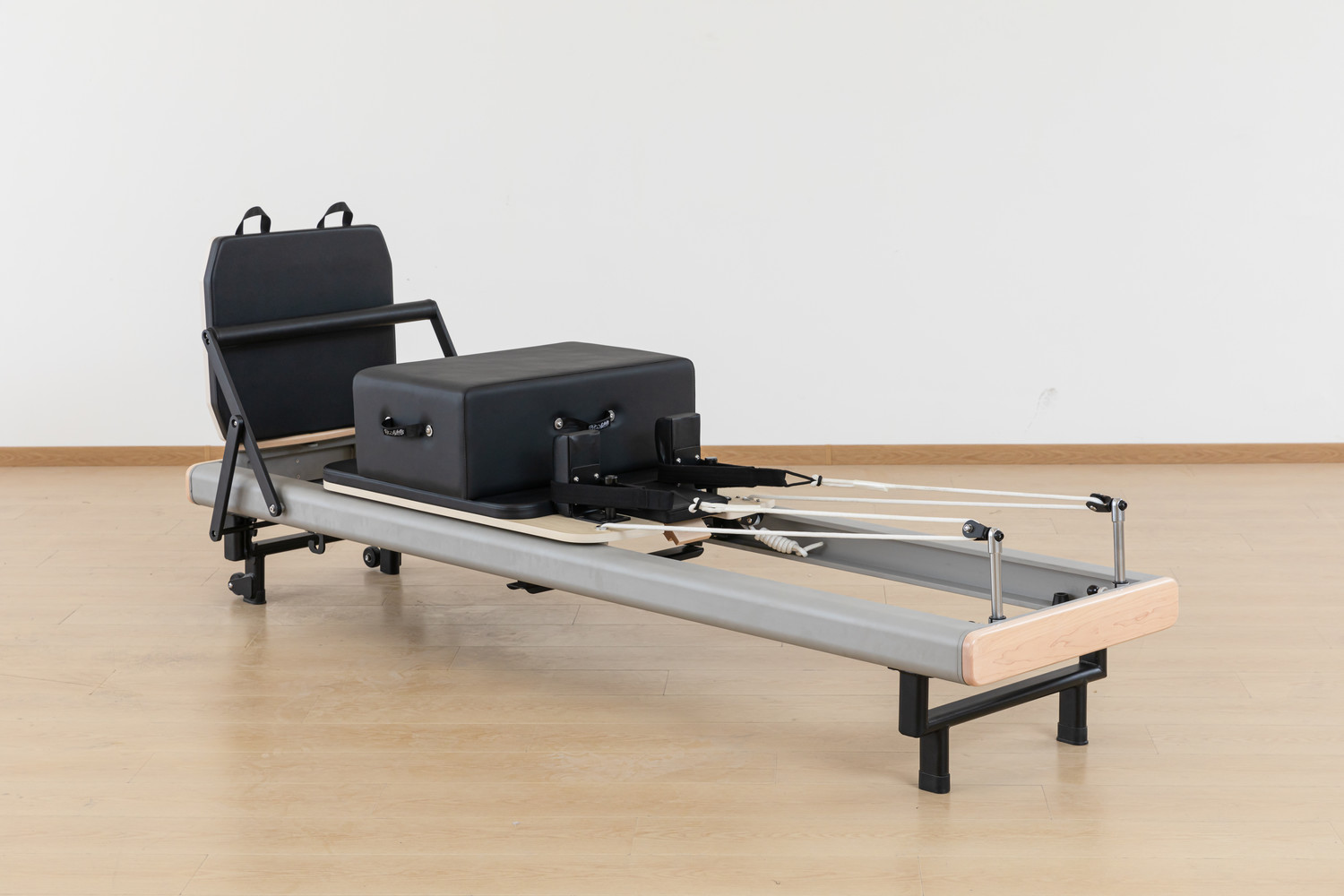
The fascia is the continuous web of connective tissue that wraps every muscle, bone and organ in the body. Unlike muscle tissue, which responds mainly to repeated contraction, fascia adapts to sustained, low-load tension held over time. This is exactly the kind of stimulus Pilates provides: long, controlled holds and slow, deliberate ranges of motion rather than fast repetitions. When you move slowly under gentle load, the tissue is given time to reorganise rather than simply shorten and rebound, which is why practitioners often describe a lasting sense of length and ease after a session. Fast, jerky training rarely produces that same quality of change because the tissue never spends enough time under tension to respond.
A practical way to apply this in daily life is to slow down the transitions you already make
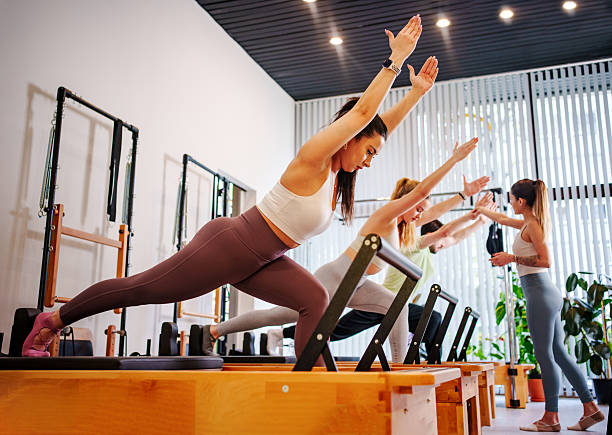
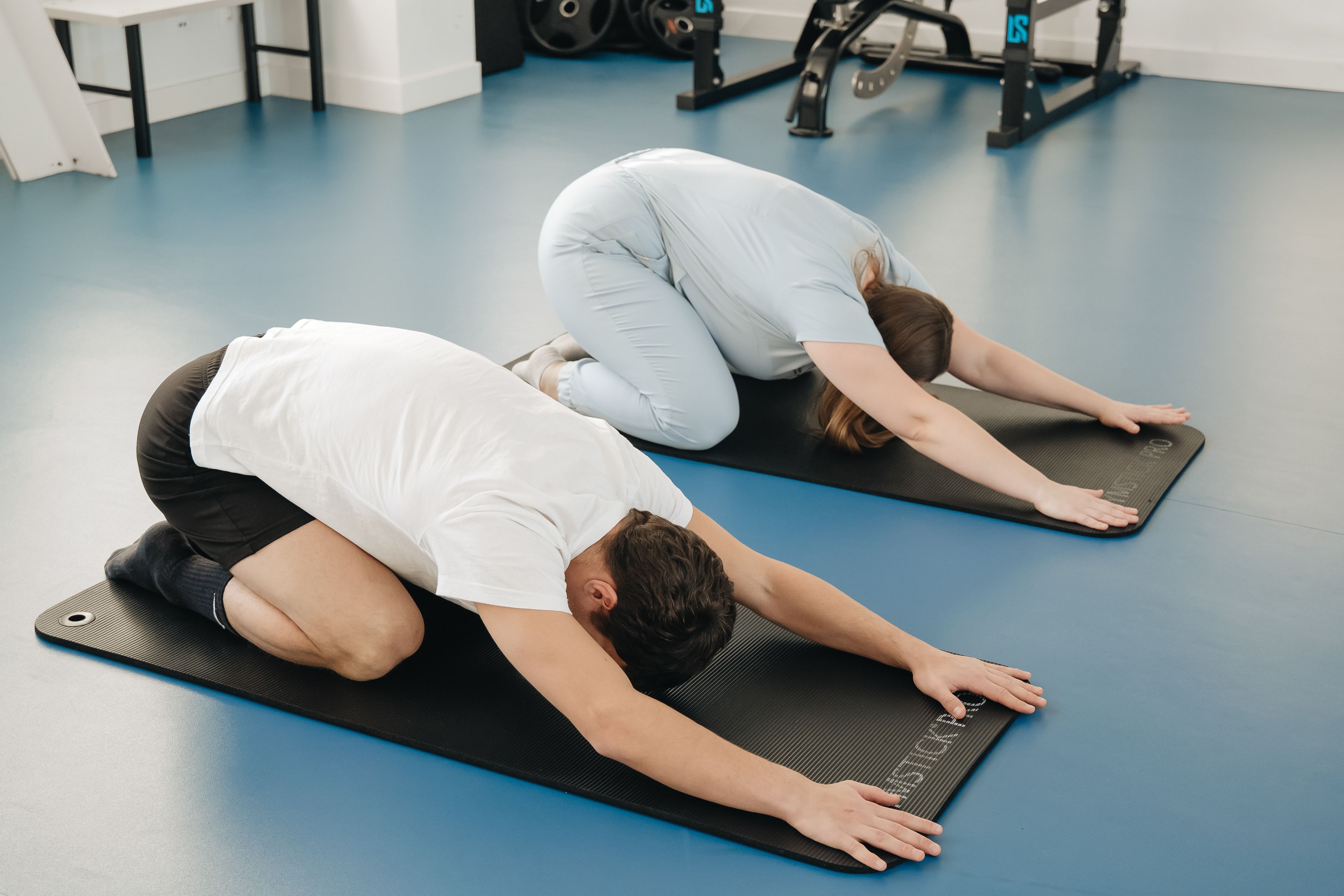
Most people rush through the transitions in a Pilates class, treating each exercise as a destination and the movement between them as dead time. Yet the transitions are where fascial change is most available. Rolling from a bridge to a plank, or lowering the legs with control instead of dropping them, keeps continuous tension through the whole chain. Practitioners who slow these transitions report less morning stiffness and more comfortable sitting within a few weeks. The lesson transfers outside the studio: standing up from a chair with control, or lowering a bag to the floor instead of dropping it, gives the same tissue the same chance to adapt. Slow is not a beginner stage to outgrow; it is the mechanism.