Text Neck and Pilates: Rebuilding Tolerance for Screen-Heavy Days
What hours of downward gaze actually do to the neck and upper back
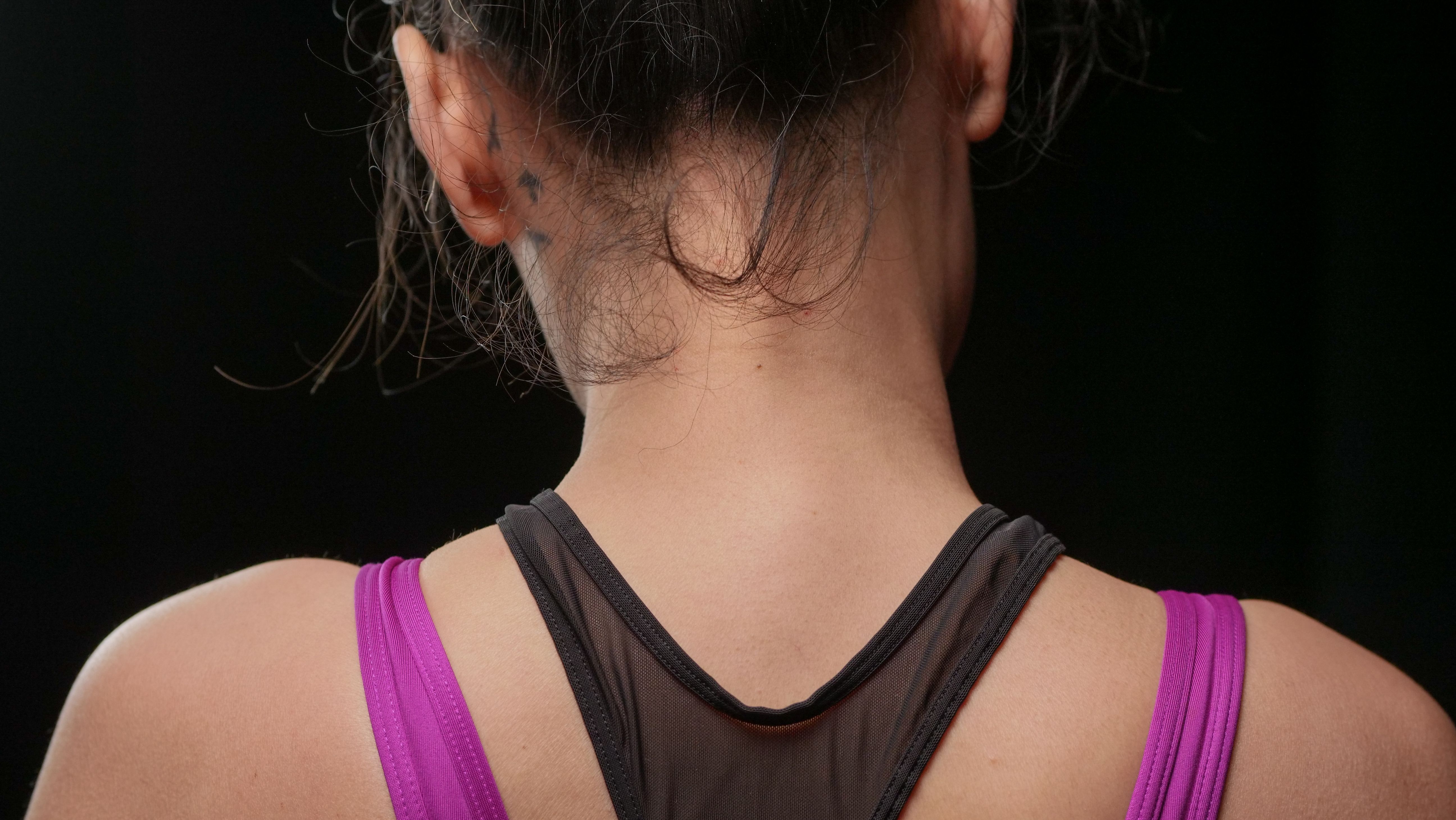
Looking down at a phone for long periods loads the cervical spine far beyond what it was designed to tolerate. At a typical reading angle, the head's effective weight on the neck multiplies several times over, and the deep neck flexors that should support the head become lazy while the upper trapezius and levator scapulae work overtime. The result is a familiar cluster: a dull ache at the base of the skull, tightness across the top of the shoulders, and a sense that the head feels heavy by late afternoon. Stretching the neck briefly relieves symptoms but does not restore tolerance, because the supporting muscles remain untrained.

A short daily Pilates sequence that targets deep neck support rather than stretching
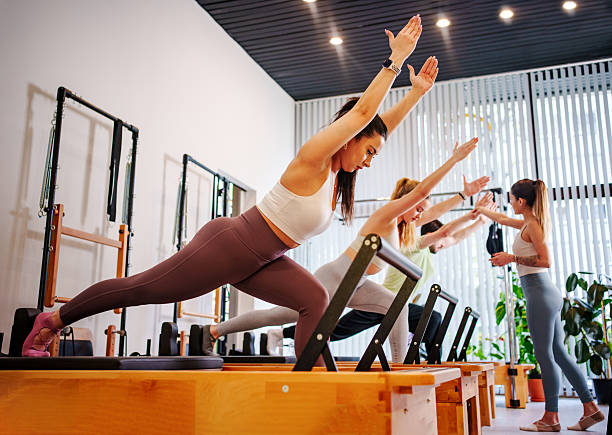
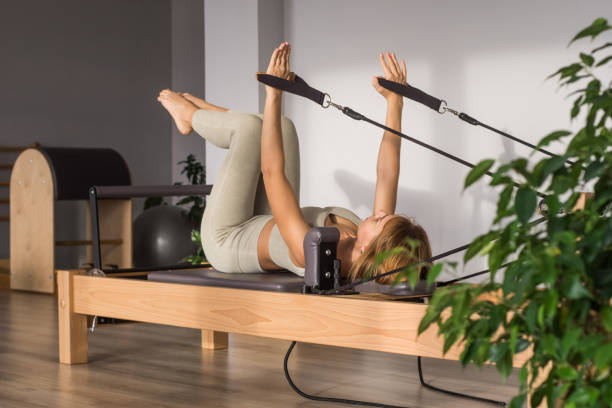
The useful work here is low-load endurance for the deep cervical flexors combined with shoulder-blade control. Lying on your back with the head supported, a gentle chin nod held for a few breaths trains exactly those muscles, and it can be progressed to lifting the head a centimetre while keeping the nod. Pair that with a quadruped position where you draw the shoulder blades gently down and around the rib cage without lifting the shoulders. Five minutes daily, done consistently, tends to change how the neck feels at the end of a working week. The goal is not a stronger neck in the gym sense but a neck that can hold its own position for hours without complaint.