Folding Pilates Reformer Buying Guide: Space-Saving Models for Small Boutique Pilates Studios
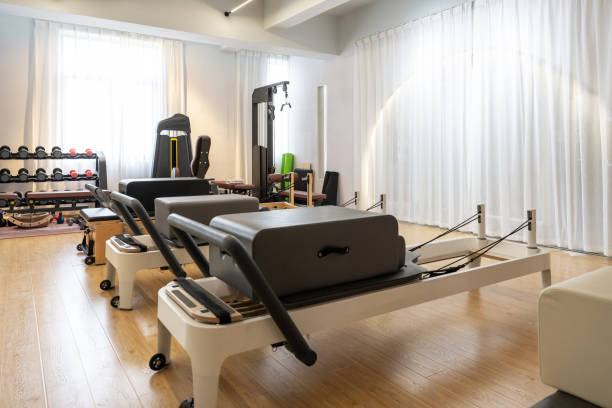
Small boutique Pilates studios face a shared pain point: they want to run reformer classes, mat sessions, and private training within limited square footage, yet traditional fixed reformers lock floor space permanently and restrict revenue flexibility. Folding Pilates reformers solve this conflict. When selected carefully, these space-saving machines deliver commercial-grade training performance and fold upright or compact for storage between classes, turning one multi-purpose room into a flexible revenue zone. This buying guide breaks down critical selection criteria, trade-offs, compliance checks, and operational tips for studio owners and distributors sourcing folding reformers for small boutique spaces.
Why Small Boutiques Choose Folding Reformer Models
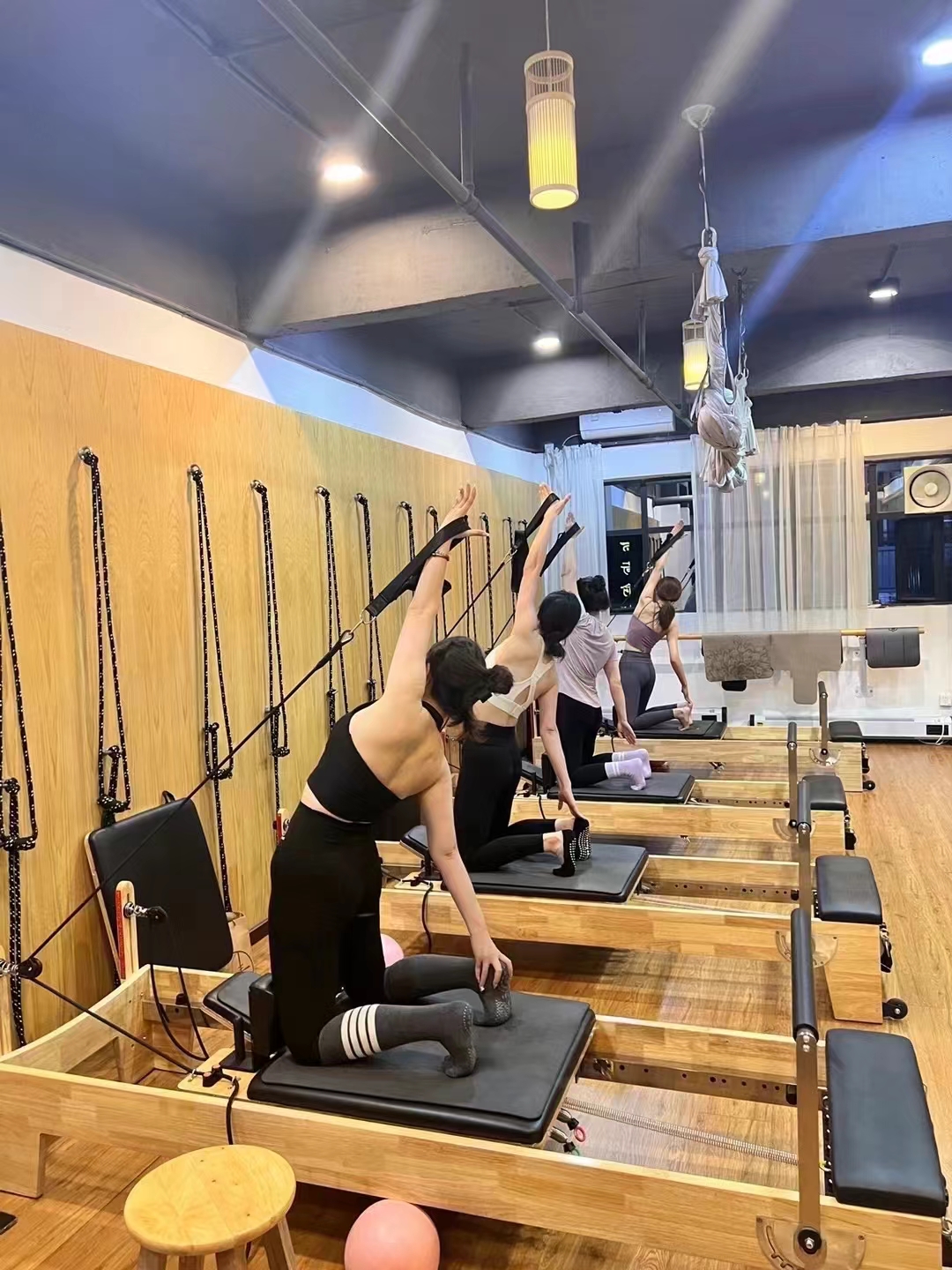
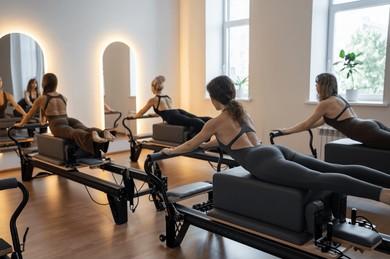
A standard fixed commercial reformer occupies roughly 2.5–3 square meters of floor area, plus mandatory clearance space around the carriage for safe instructor and client movement. For tiny studios, shared yoga rooms, or pop-up Pilates spaces, multiple fixed reformers quickly consume the whole layout and block alternative class formats.
Folding reformers use hinged or telescoping frames paired with built-in transport wheels. After class, instructors fold and roll the unit to stand vertically against a wall or tuck it into storage nooks, reducing its footprint to under 1 square meter in many designs. The biggest commercial advantage is versatility: the same room can host reformer group classes in the morning, mat Pilates or rehabilitation sessions in the afternoon, and be cleared fully for workshops or events.
That said, folding designs carry inherent engineering trade-offs. Hinge and locking joints introduce extra moving parts compared with welded fixed frames. A low-quality folding reformer may wobble during heavy spring resistance work, develop uneven carriage glide, or become unsafe if latches wear down with repeated daily use. For boutique studios running back-to-back paid sessions, stability, safety certification and long-term durability must never be sacrificed just for compact storage.
Core Buying Criteria for Commercial Folding Reformers
1. Folding Mechanism, Locking System and Ease of Operation
The locking mechanism is the single most important safety feature on a folding reformer intended for commercial use. Avoid simple single-point snap locks. Look for multi-point cam locks, heavy-duty safety latches that audibly click into place, and secondary anti-release safeguards. Instructors will fold and unfold these machines dozens of times weekly; poorly designed locks are the top source of studio accidents and premature equipment failure.
Two mainstream folding styles dominate the market:
- Vertical fold: The frame hinges at the midpoint and tips upward to stand against a wall. This is the most common space-saving style and works well if you have clear wall space and sufficient ceiling height.
- Telescoping slide design: The carriage base retracts instead of hinging, keeping the machine low-profile for sliding under raised platforms or storage shelves. It avoids overhead clearance risks but usually saves less floor space than vertical fold versions.
Test the folding workflow before bulk ordering. A studio-friendly model should be manageable by one trained staff member, with smooth wheel movement, no pinched cable or spring paths, and clear visual markers confirming the unit is fully locked before client use.
2. Frame Material, Stability and Weight Rating
Frame choice balances weight, stability, aesthetics and maintenance:
- Aluminum frame: Lightweight, rust-resistant, easy to roll and fold repeatedly. It is the most popular option for folding reformers. Check for reinforced hinge brackets; thin-gauge aluminum can flex under heavy spring load.
- Solid hardwood (oak / maple): Premium feel, quieter carriage movement and excellent stability. Wood-framed folding reformers are heavier, which makes folding and repositioning more physically demanding for instructors. They fit high-end boutique branding but require careful surface finishing to prevent scratches during handling and storage.
- Steel frame: Lower cost and rigid, but heavier and prone to rust if upholstery or paint gets damp in humid studios.
For commercial boutique use, minimum user weight capacity should reach 120–130 kg. Do not select home-grade folding reformers rated below this threshold, as they cannot accommodate all client body types and will fail faster under daily commercial load. Also check carriage rail quality: seamless tracks deliver consistent, quiet glide; models with a seam at the folding hinge often create a noticeable bump as the carriage travels across the joint.
3. Spring System, Adjustable Features and Accessory Compatibility
Pilates instructors rely on predictable spring resistance for programming. Prioritize folding reformers with colour-coded, interchangeable springs matching standard studio tension levels. Confirm springs are easy to replace, because folding machines tend to see frequent handling and spring wear over time. Some budget folding models use elastic cords instead of steel springs; these are not suitable for commercial Pilates instruction.
Key adjustable features to verify: multi-position foot bar, adjustable pulley risers, removable shoulder blocks and headrest support. Also check accessory compatibility. Many low-cost folding reformers cannot add jump boards, long boxes or tower attachments. If your studio plans to expand into advanced repertoire or rehab-focused sessions later, limited accessory support will cap the machine’s value.
4. Upholstery and Build for High-Traffic Studios
Most commercial folding reformers use durable PU upholstery, which resists sweat stains and is simple to wipe clean between clients. Ask suppliers about foam density (high-density blue foam is widely used for studio models) and stitching quality. Since folding reformers get rolled, leaned and stacked more often than fixed beds, upholstery edges and corner padding must be reinforced to avoid scuffs and tearing.
5. Safety Certification, Warranty and After-Sales Support
For European boutique studios, confirm compliance with EN 957 fitness equipment standards and that the supplier can provide the Declaration of Conformity. Certification covers structural load testing, pinch-point protection, spring containment and stability requirements. Non-compliant folding reformers create liability risks for studio owners and import delays for distributors.
Review warranty terms separately for frame, folding hinge mechanism, springs and upholstery. A 3-year frame warranty is standard for quality commercial models. Pay close attention to whether the warranty covers wear on moving hinge and lock components, as these are the highest-failure parts on folding reformers. Also confirm spare spring, latch and wheel availability locally; long lead times for replacement parts can shut down your class schedule.
Space Planning Checklist for Your Boutique Layout
Before placing an order, measure your space with both setup mode and storage mode in mind:
- Measure the usable floor length and width for each reformer when fully unfolded, plus a minimum 60 cm safety clearance around all sides for instructors to assist clients.
- Measure ceiling height and wall space where units will stand folded. Avoid folding positions near light fixtures, sprinklers or exposed wiring.
- Map storage routes: narrow doorways, tight hallways or uneven floors can make wheeling folded reformers difficult even if their folded size looks acceptable on paper.
- Calculate how many units you can operate simultaneously versus how many you can store. Many small studios buy more folding reformers than they run at once, storing the extra units for peak weekend classes.
Folding Reformer vs Fixed Reformer: Quick Decision Cheat Sheet
Choose folding reformers if:
- Your studio room hosts multiple service types (reformer, mat, massage, workshops)
- You run small group classes and only need 3–5 reformers active at the same time
- You rent the space and cannot permanently install heavy fixed equipment
- You are a distributor serving multi-purpose wellness boutiques
Stick with fixed studio reformers if:
- You run high-volume back-to-back reformer classes all day long
- Your instructors teach advanced, high-load repertoire every session
- You have dedicated, permanent reformer room space and no need to clear the floor
Common Mistakes Studio Buyers Make
The most frequent mistake is buying a home-grade folding reformer to save money. Home models look similar in photos but lack reinforced locking hardware, lower weight limits and no commercial safety certification. They may fold neatly, but they wobble during sessions and wear out rapidly.
Second, buyers underestimate the labour cost of repeated folding. If your timetable leaves only 5–10 minutes between classes, folding, rolling and locking multiple reformers adds pressure on your team. Many successful small boutiques set a hybrid layout: keep 2–3 reformers permanently set up for regular classes, and use folding models only for overflow or special sessions.
Third, overlooking storage protection. When reformers lean stacked against walls, frame edges and upholstery scratch easily. Add wall bumpers and protective fabric covers to keep your equipment looking professional.
Final Tips for Distributors and Studio Owners
If you are a Pilates equipment distributor serving small boutique clients, create a simple spec sheet separating folding reformers into entry commercial and premium commercial tiers. Highlight lock design, weight capacity, certification documents and accessory compatibility upfront, rather than only advertising folded dimensions. Offer spare latch, wheel and spring kits alongside each bulk order to reduce after-sales friction.
For studio owners, always request an in-person demo or video walkthrough of the folding and locking sequence before committing to a large order. Ask the supplier for client reference reviews from other small boutique operators, not just home users.
Folding reformers are not a compromise solution when sourced correctly. The right space-saving models let small Pilates businesses launch profitable reformer programs without being trapped by permanent floor footprint, turning limited square meters into flexible, growing revenue streams.