How Equipment Quality Affects Client Retention in Pilates Studios
Client retention is the quiet engine of every successful Pilates studio. Acquiring a new client costs far more than keeping an existing one, and a loyal client base stabilizes revenue, fills class schedules, and generates referrals. Studios invest heavily in instructor training, marketing, and studio design to improve retention—yet one of the most influential factors is often taken for granted: the quality of the equipment.
The First Impression Happens on the Machine
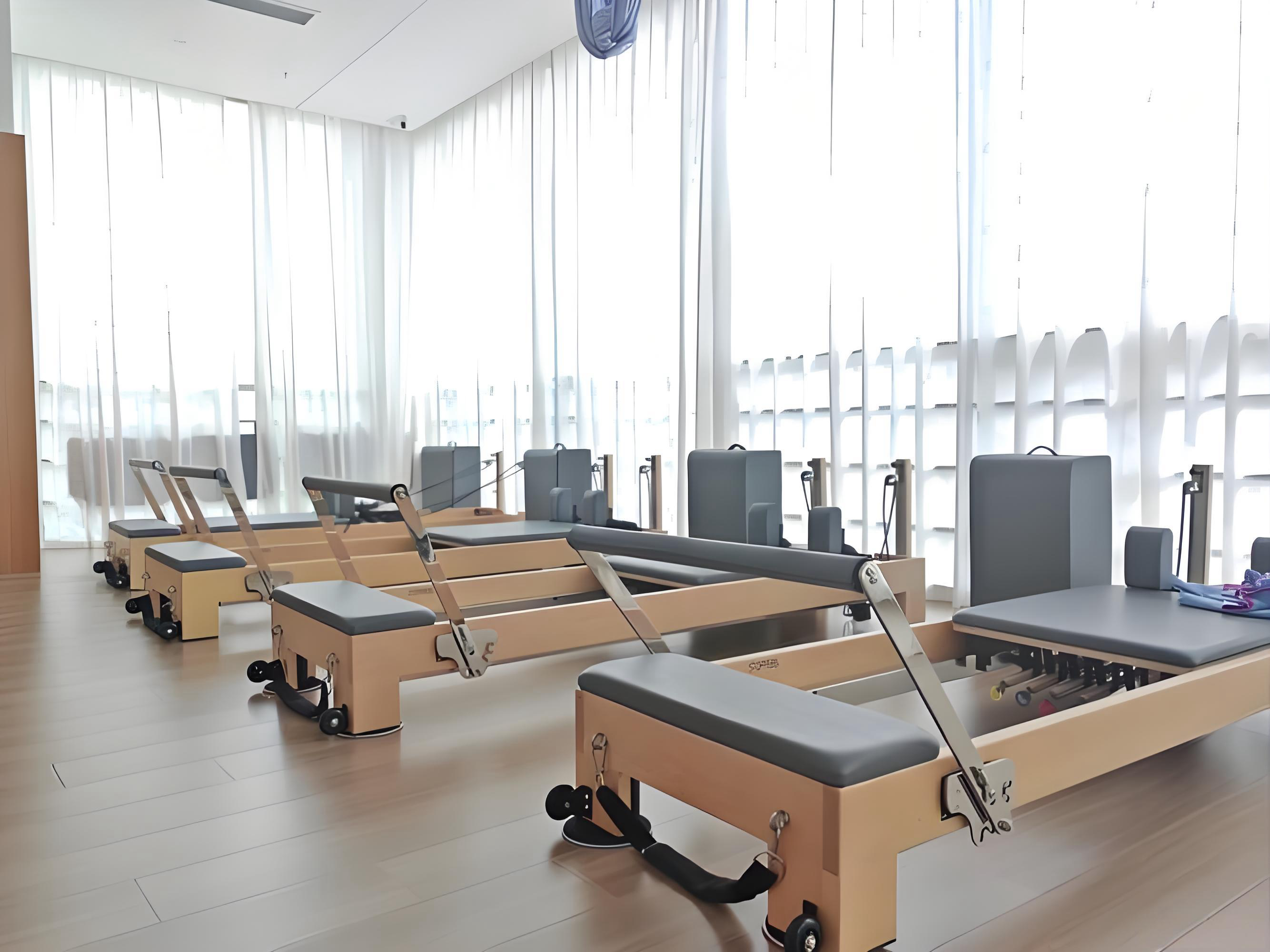
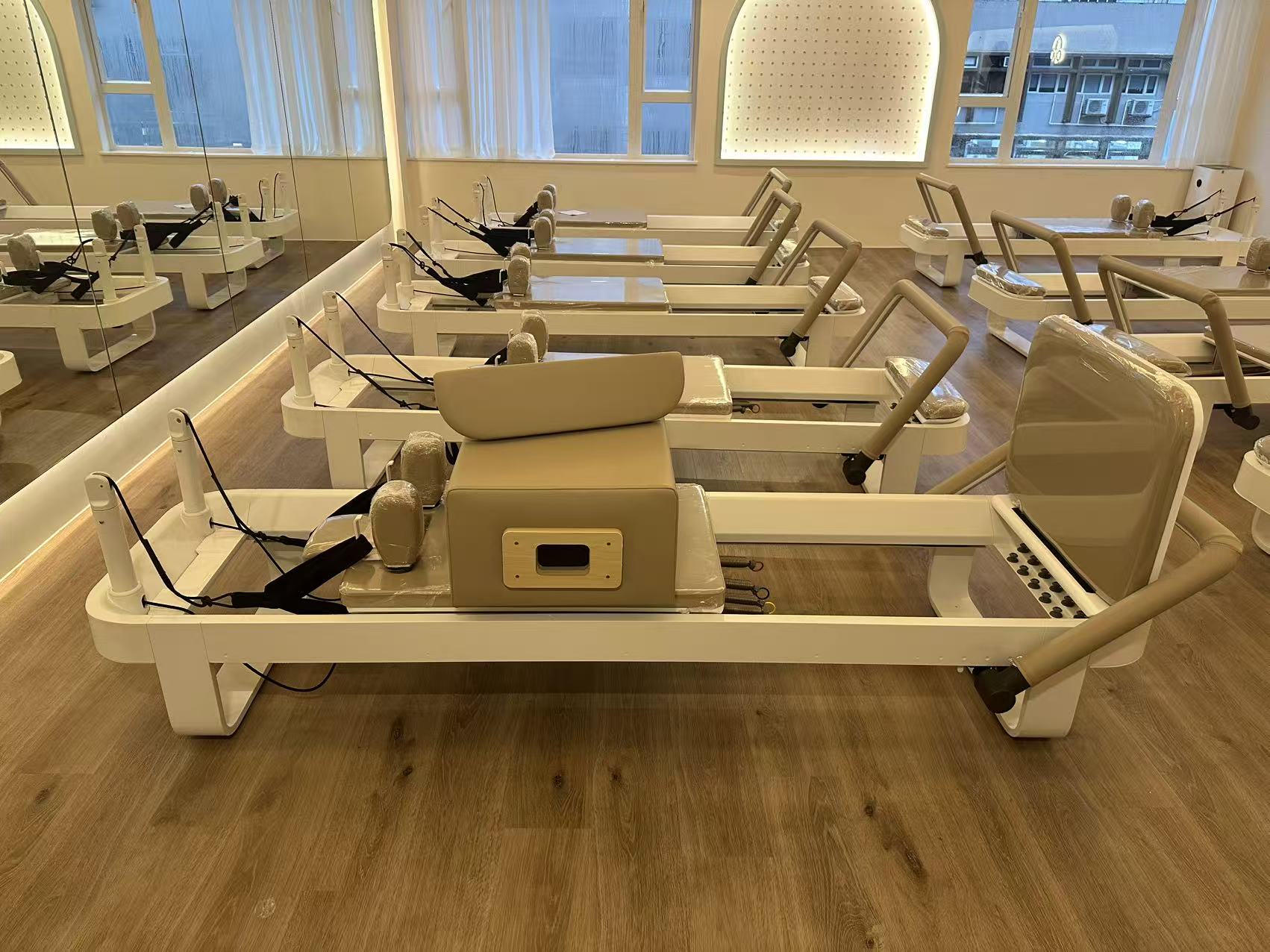
A new client forms an opinion within the first session, and much of that opinion is physical rather than verbal. They notice whether the carriage glides or jerks, whether the springs feel smooth or inconsistent, whether the upholstery is clean and supportive, and whether the machine feels stable beneath them. These sensory details accumulate into an overall impression of professionalism. A studio with premium equipment communicates that it takes its craft seriously. A studio with worn, wobbly, or squeaking machines communicates something else entirely, regardless of how skilled its instructors are. First impressions are difficult to reverse, and a client who feels uncertain in the first session is unlikely to commit to a long-term package.
Safety Concerns Drive Clients Away Silently
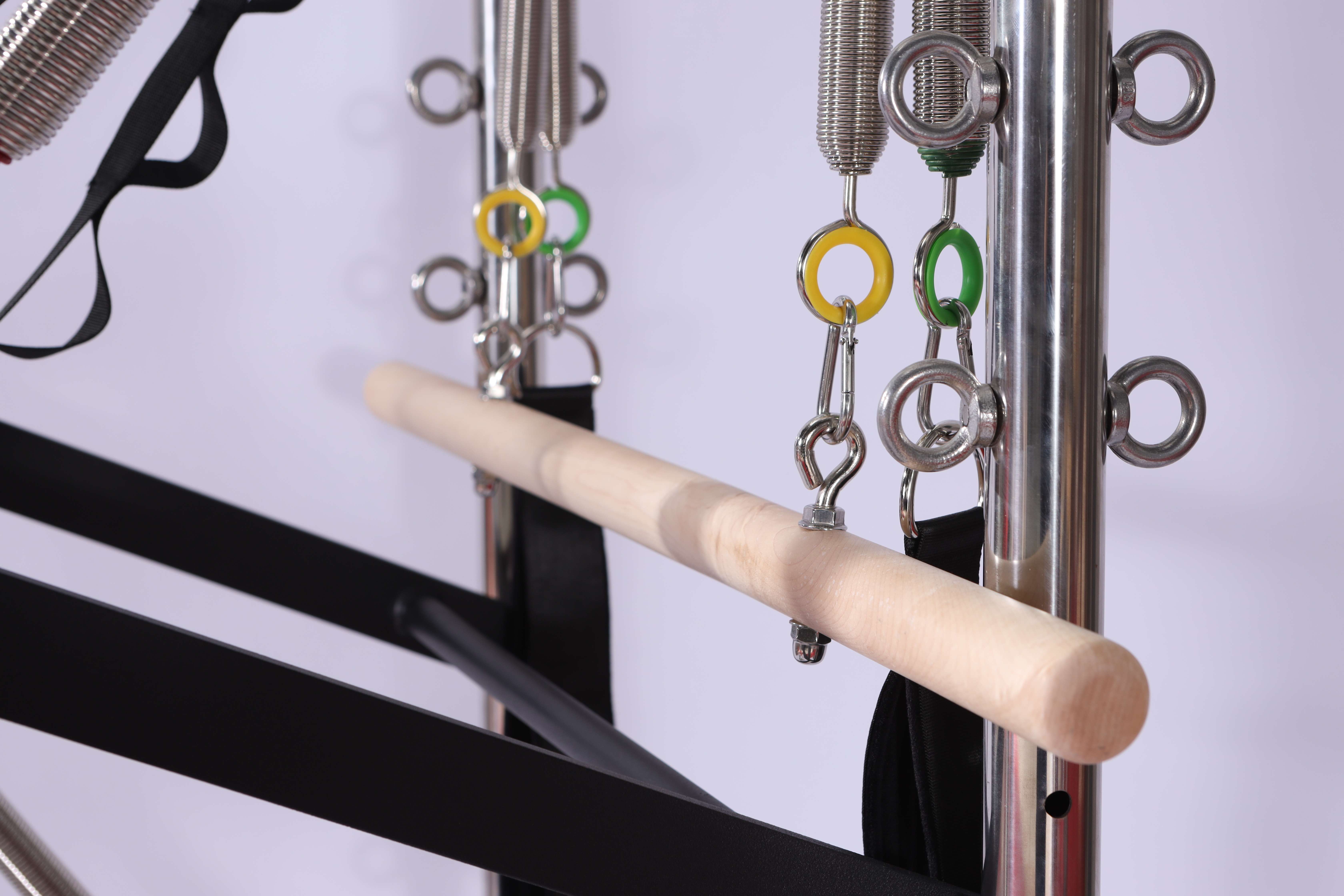
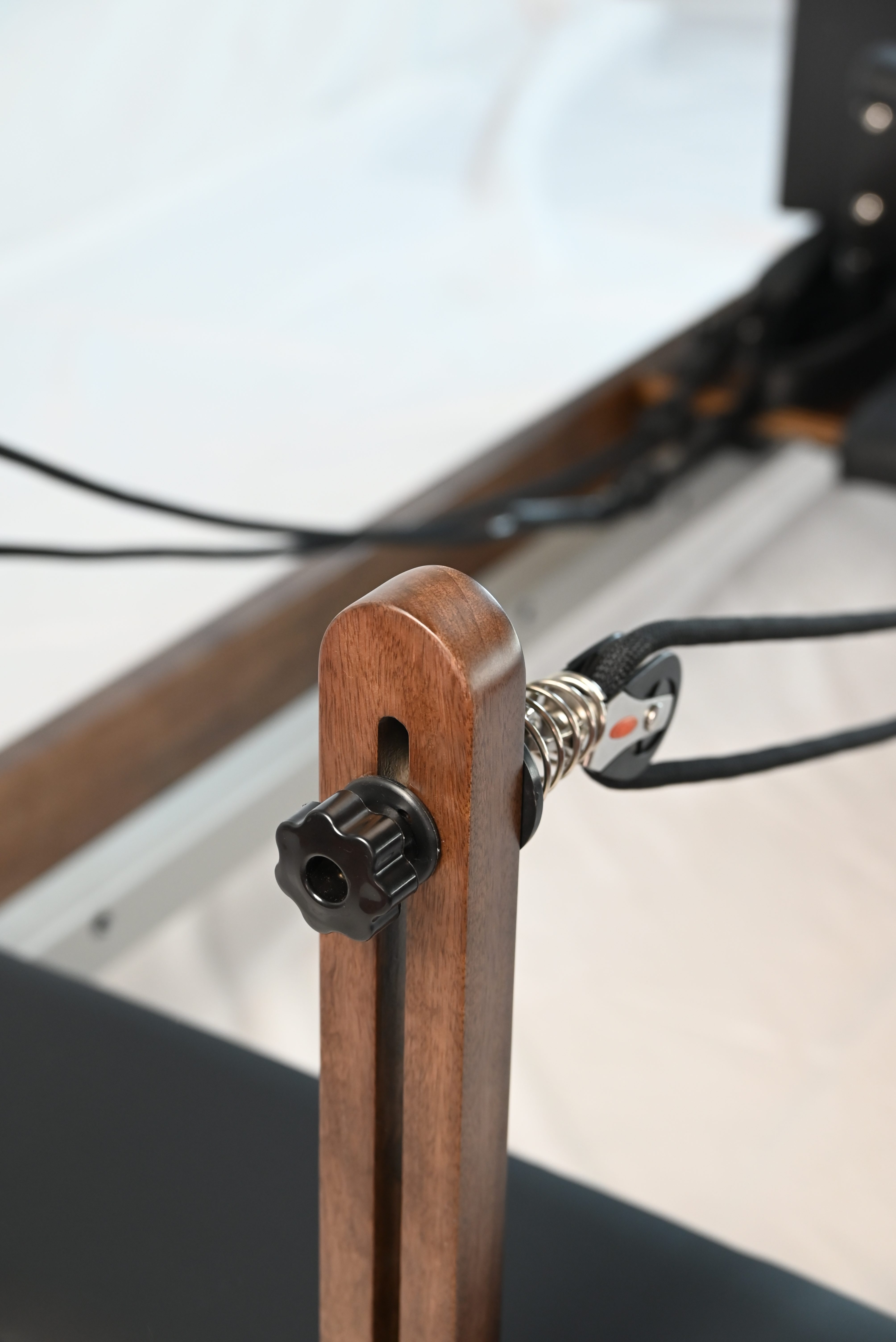
Clients rarely complain directly about equipment. Instead, they simply stop coming. When a spring snaps, a strap frays visibly, or a carriage locks unexpectedly, the client may not report the incident—but they remember it. Fear of injury is a powerful deterrent, particularly for beginners, older adults, and clients in rehabilitation. These groups need to feel secure in order to relax into the work, and relaxation is precisely what allows them to progress. When equipment quality creates doubt, clients hold back physically and eventually disengage emotionally. Premium apparatus with reliable springs, secure attachments, and stable frames removes this barrier and allows clients to focus on their practice rather than their safety.
Comfort Determines Frequency
Retention is not only about whether clients return—it is about how often they return. A machine that is uncomfortable to lie on, that pinches at the shoulders, or that forces awkward positioning will make clients hesitant to book frequently. Discomfort is cumulative: a client who leaves each session with a sore back from poor padding or a stiff neck from misaligned shoulder rests will gradually reduce their visits. Premium equipment, with contoured padding, adjustable components, and ergonomic design, allows clients to train comfortably for longer sessions and more frequent visits. Comfort directly translates into consistency, and consistency is what produces results.
Results Are What Clients Actually Pay For
Clients stay when they see progress. Progress depends on precise, consistent resistance that allows them to isolate muscles correctly, build strength safely, and feel the difference week over week. Inconsistent or degrading equipment undermines this process. Springs that have lost tension provide uneven feedback, making it harder for clients to sense whether they are performing an exercise correctly. A carriage that sticks forces compensation patterns that reduce training effectiveness. When clients stop seeing progress, they attribute it to the method or to themselves—rarely to the equipment—and they leave. High-quality apparatus supports the accuracy that produces visible results, and visible results are the strongest retention tool a studio has.
Equipment Quality Signals Respect for the Client
There is a psychological dimension to retention that studios often overlook. Clients interpret equipment quality as a reflection of how the studio values them. Walking into a space with well-maintained, premium machines feels different from walking into one with mismatched, worn-out equipment. The former says: we invest in your experience. The latter says: we cut corners. Clients who feel valued are more forgiving of schedule changes and more willing to renew memberships. Clients who feel undervalued begin looking for alternatives, often without ever explaining why. Equipment is a visible, tangible expression of a studio's standards, and clients read it instinctively.
Word of Mouth Travels Both Ways
Retention extends beyond the clients who stay; it includes the clients they bring. Satisfied clients recommend studios to friends, colleagues, and family. Their recommendations are shaped by what they experienced—the feel of the machine, the confidence it inspired, the comfort they enjoyed. Conversely, clients who leave because of equipment-related frustrations rarely recommend the studio, and some actively warn others. In a local market where reputation spreads quickly, equipment quality becomes a marketing asset or a liability. Studios that invest in premium apparatus give their happiest clients something concrete to praise.
The Compounding Cost of Neglect
The financial logic of equipment quality is straightforward once retention is factored in. A studio that saves on cheaper equipment may face higher client turnover, more frequent repairs, and shorter machine lifespans. Each lost client represents not just a single session fee but the entire lifetime value of that relationship—renewals, referrals, and additional services. When the cost of turnover is calculated against the savings from budget equipment, the premium option frequently proves less expensive over time. Equipment quality is not a line item to minimize; it is an investment in the stability of the client base.
Conclusion
Client retention in Pilates studios is shaped by many factors, but equipment quality is among the most powerful and least discussed. First impressions, safety, comfort, results, perceived respect, and word of mouth all flow directly from the machines clients use. Studios that treat equipment as a core part of the client experience—rather than a background expense—build the loyalty that sustains their business. In a competitive market, the machine beneath the client may be the most persuasive argument a studio makes.