Creating a Premium Client Experience with High-End Pilates Machines
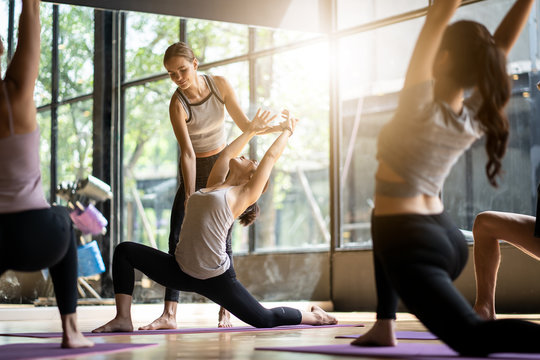
In a crowded fitness market, studios increasingly compete not on price but on experience. Clients who choose Pilates are often seeking something more than a workout: they want precision, personal attention, and an environment that feels considered. High-end Pilates machines are a central part of that experience, but their contribution is often misunderstood. A premium reformer does not create a premium experience by itself. It creates the conditions for one—conditions that trainers and studio operators must actively shape.
The First Impression Happens Before the Session
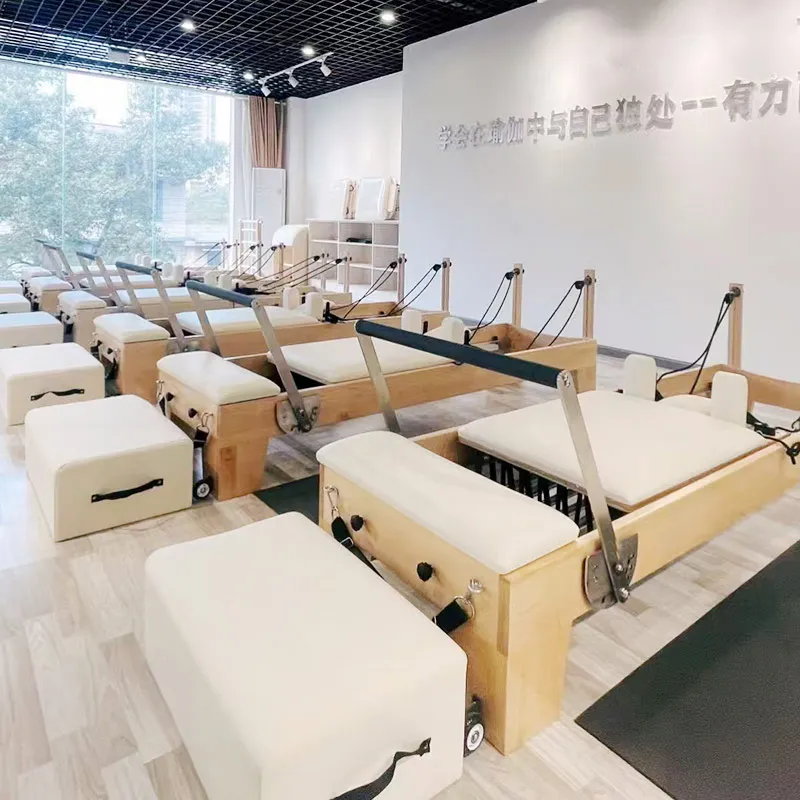
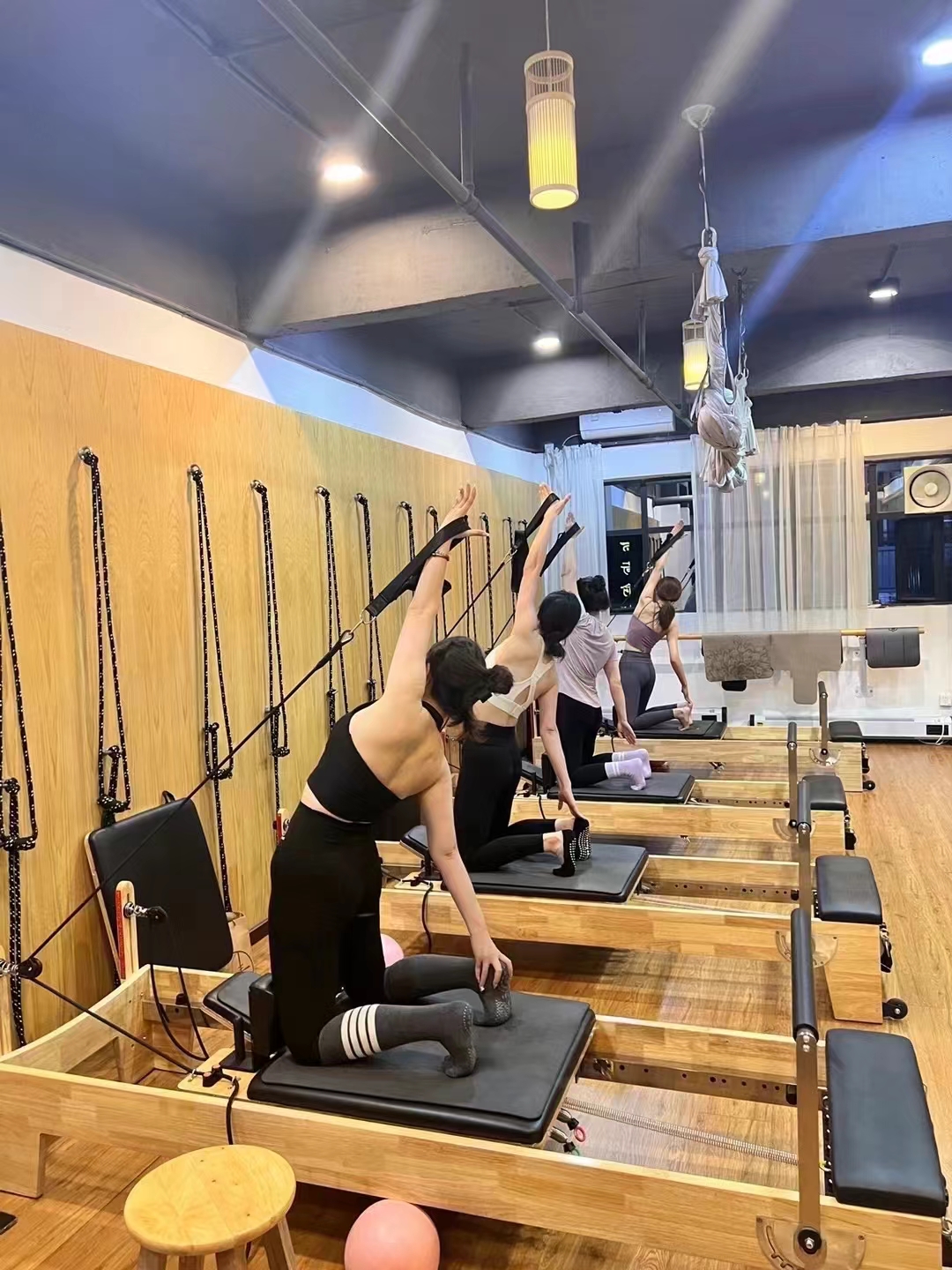
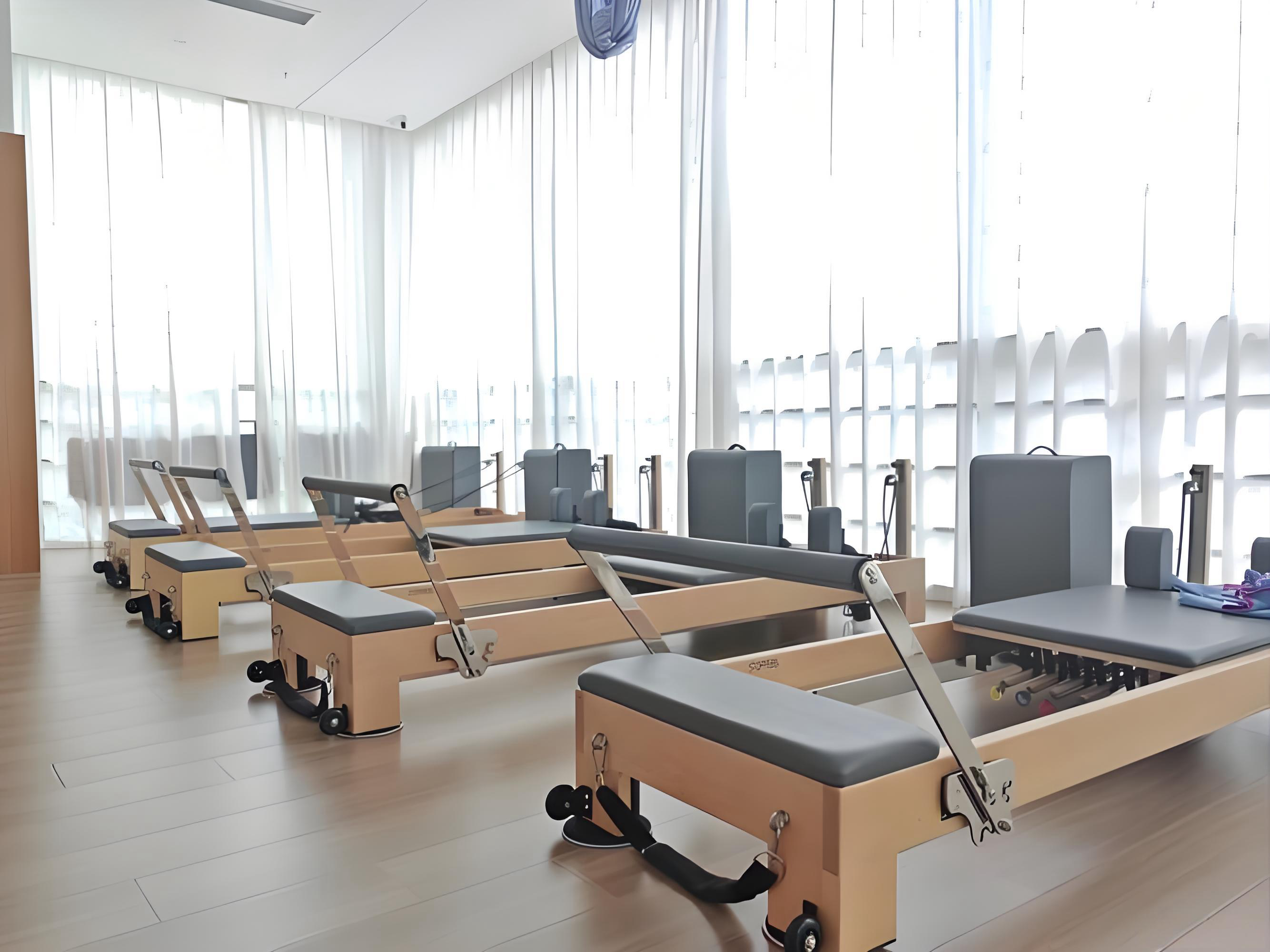
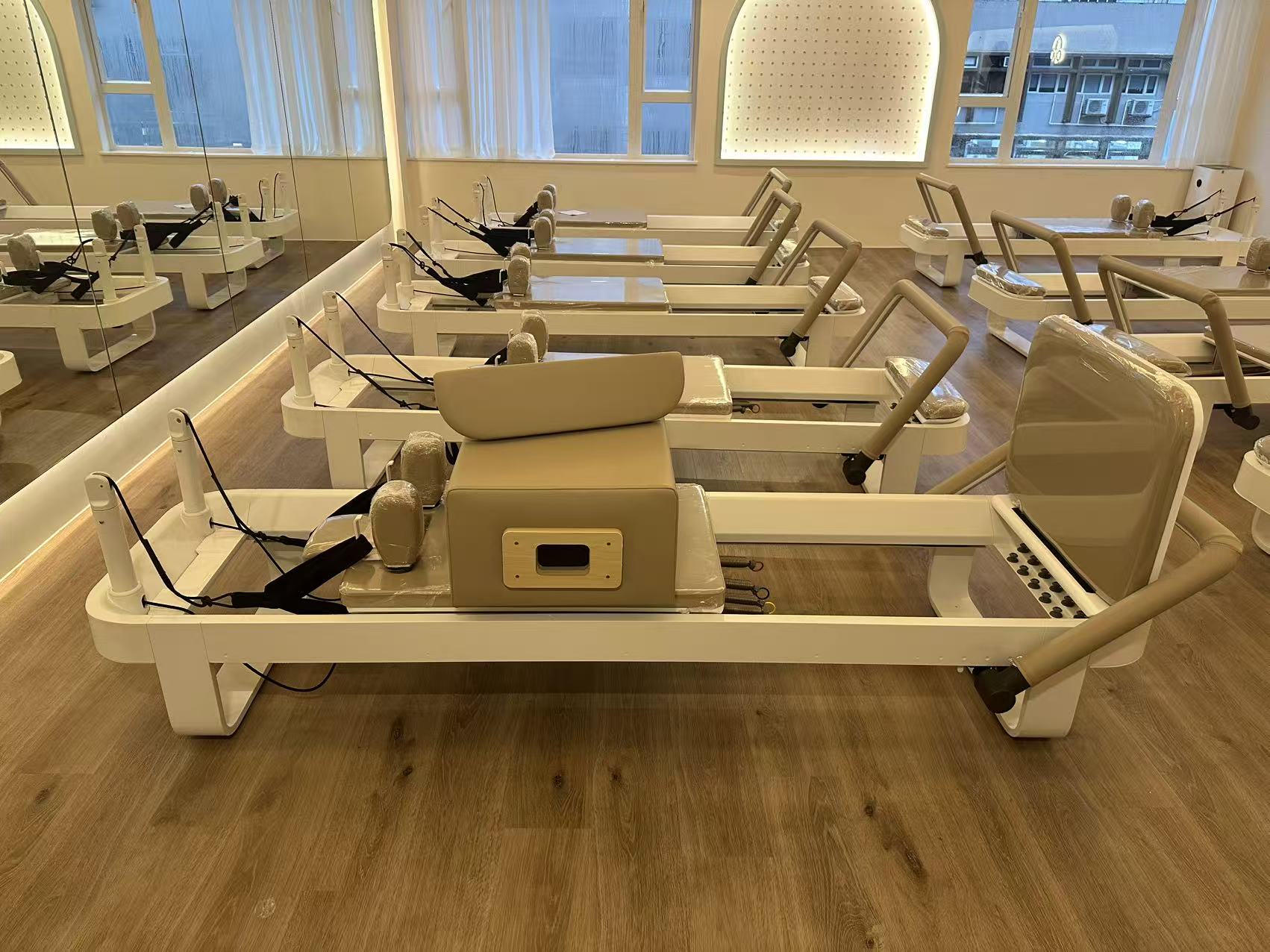
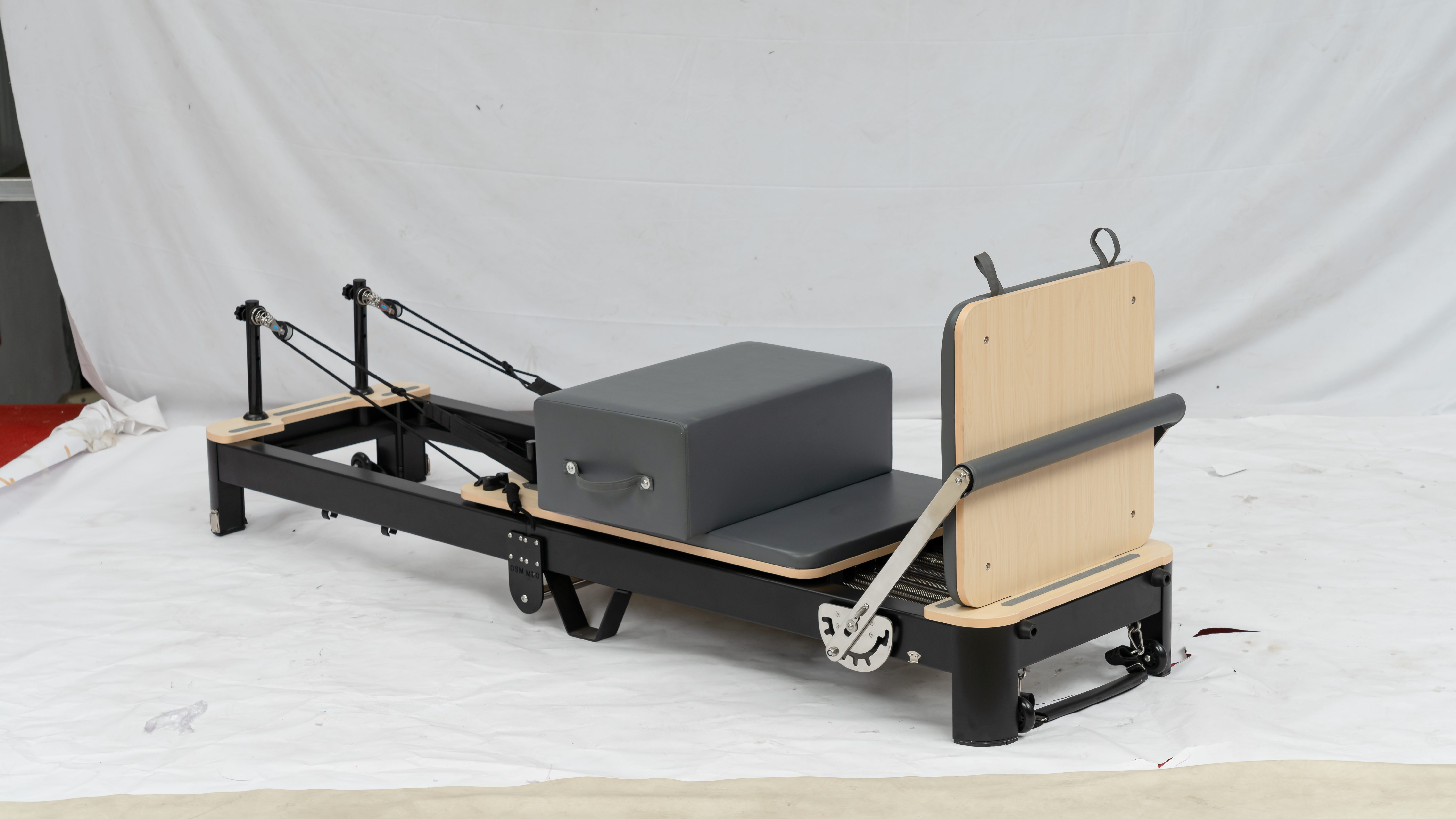
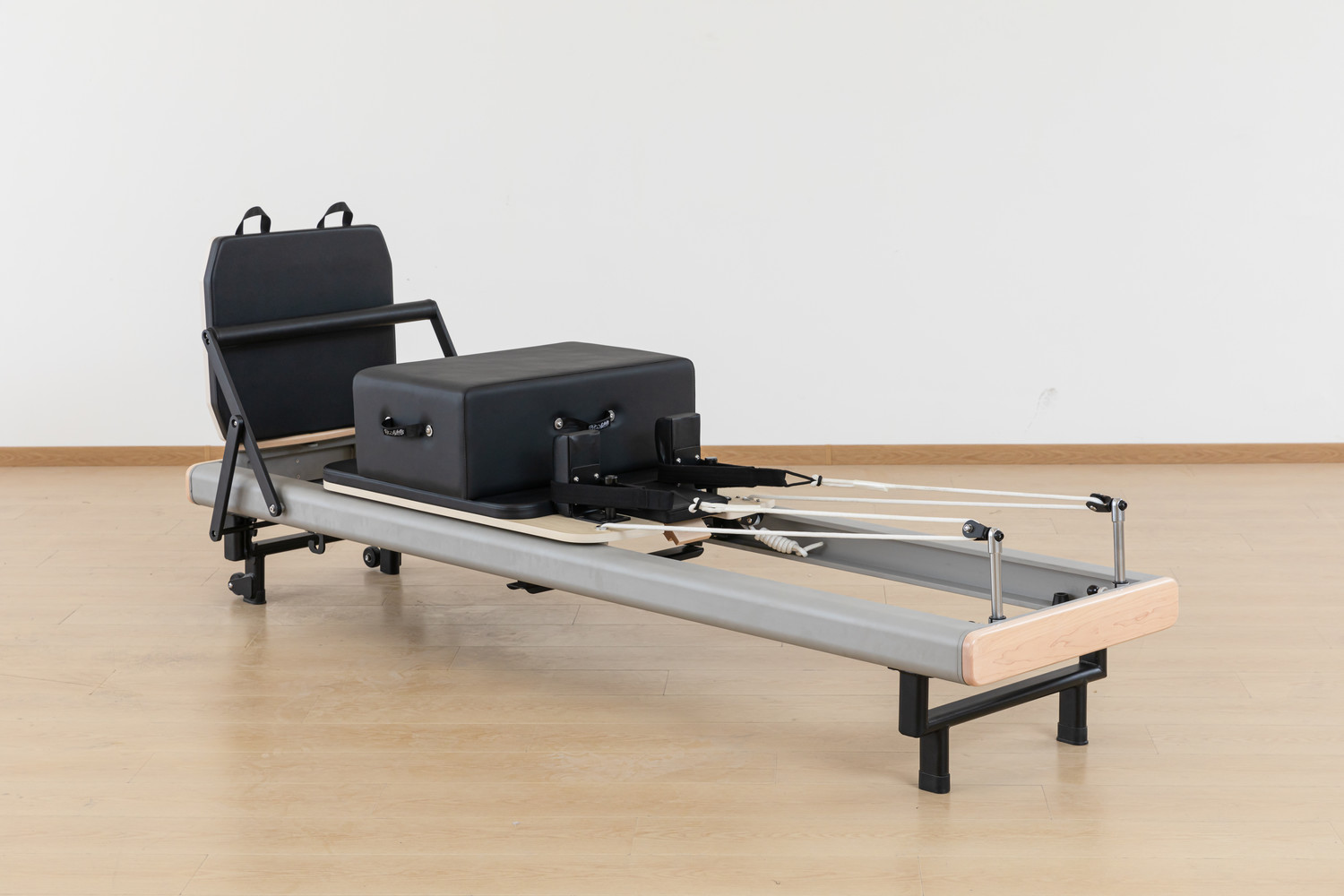
A client's sense of quality begins the moment they walk in. The equipment is visible, and it is read as a statement about the studio's standards. A well-maintained reformer with clean upholstery, aligned rails, and organized springs communicates care. A machine that squeaks, has frayed straps, or sits unevenly communicates the opposite, regardless of how skilled the trainer is. High-end machines make this first impression easier to manage because they hold their appearance and performance longer. But the impression still depends on upkeep: a premium machine left unmaintained looks worse than a modest machine that is carefully tended.
Silence and Smoothness Shape Perception
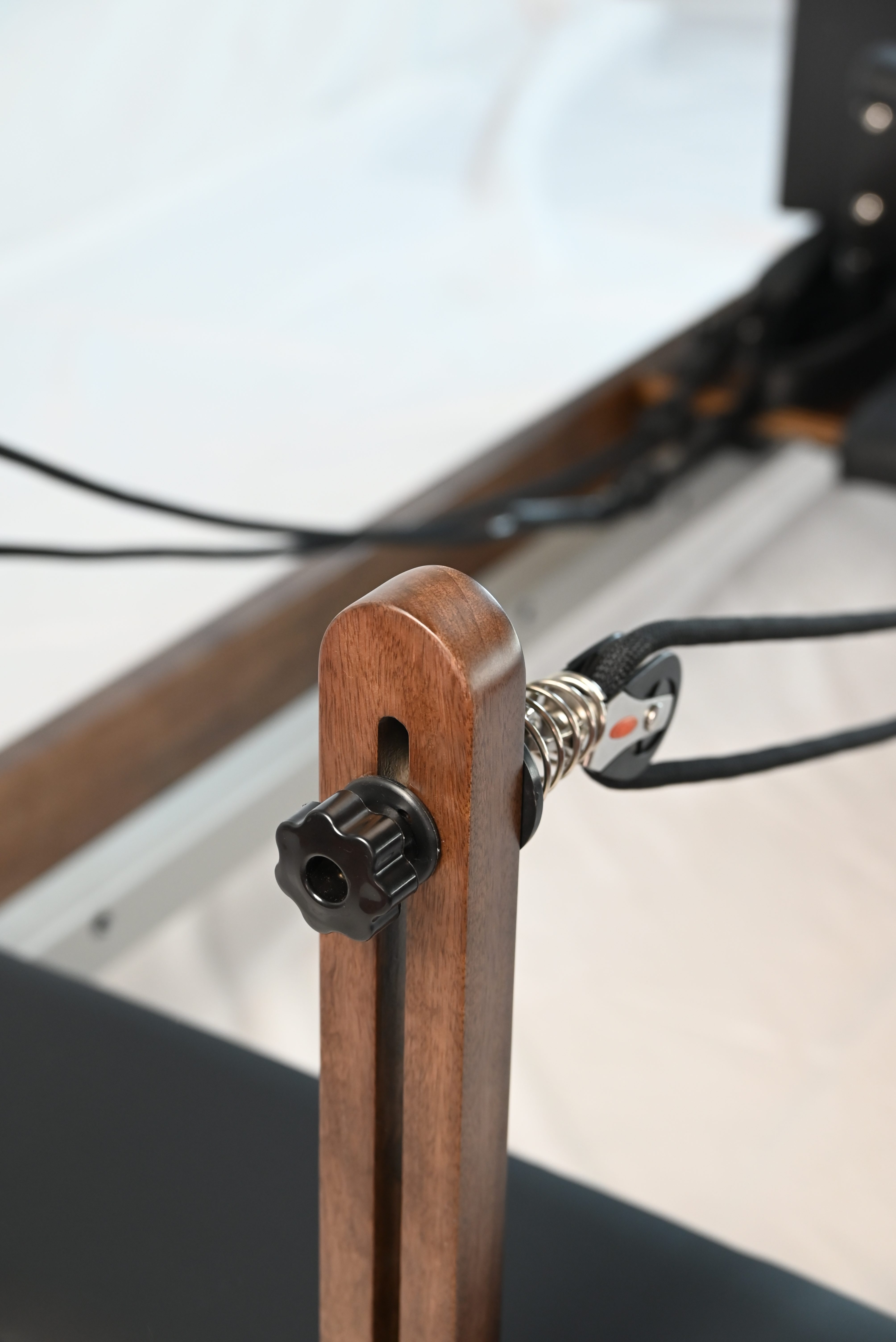
Clients may not consciously notice the sound of a carriage or the smoothness of a spring, but they feel it. A high-end reformer glides quietly and returns without a jolt. The springs engage evenly, and the footbar locks with a solid click. These small sensory details accumulate into a sense of trust. When the machine responds predictably, the client relaxes and focuses on movement rather than on managing the equipment. That focus is what makes a session feel professional. Lower-quality machines introduce noise, wobble, and inconsistent resistance that pull attention away from the body—and clients notice, even if they cannot articulate why the session felt less polished.
Precision Supports Better Teaching
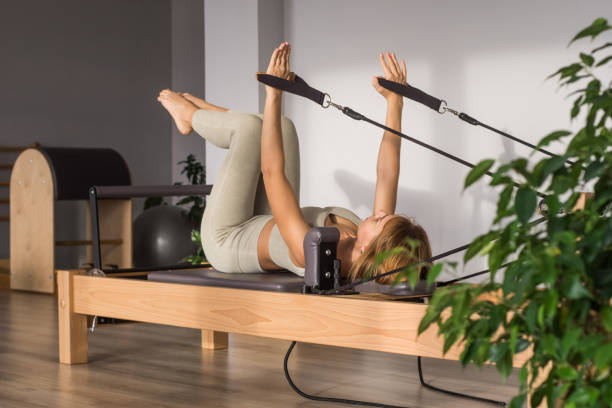
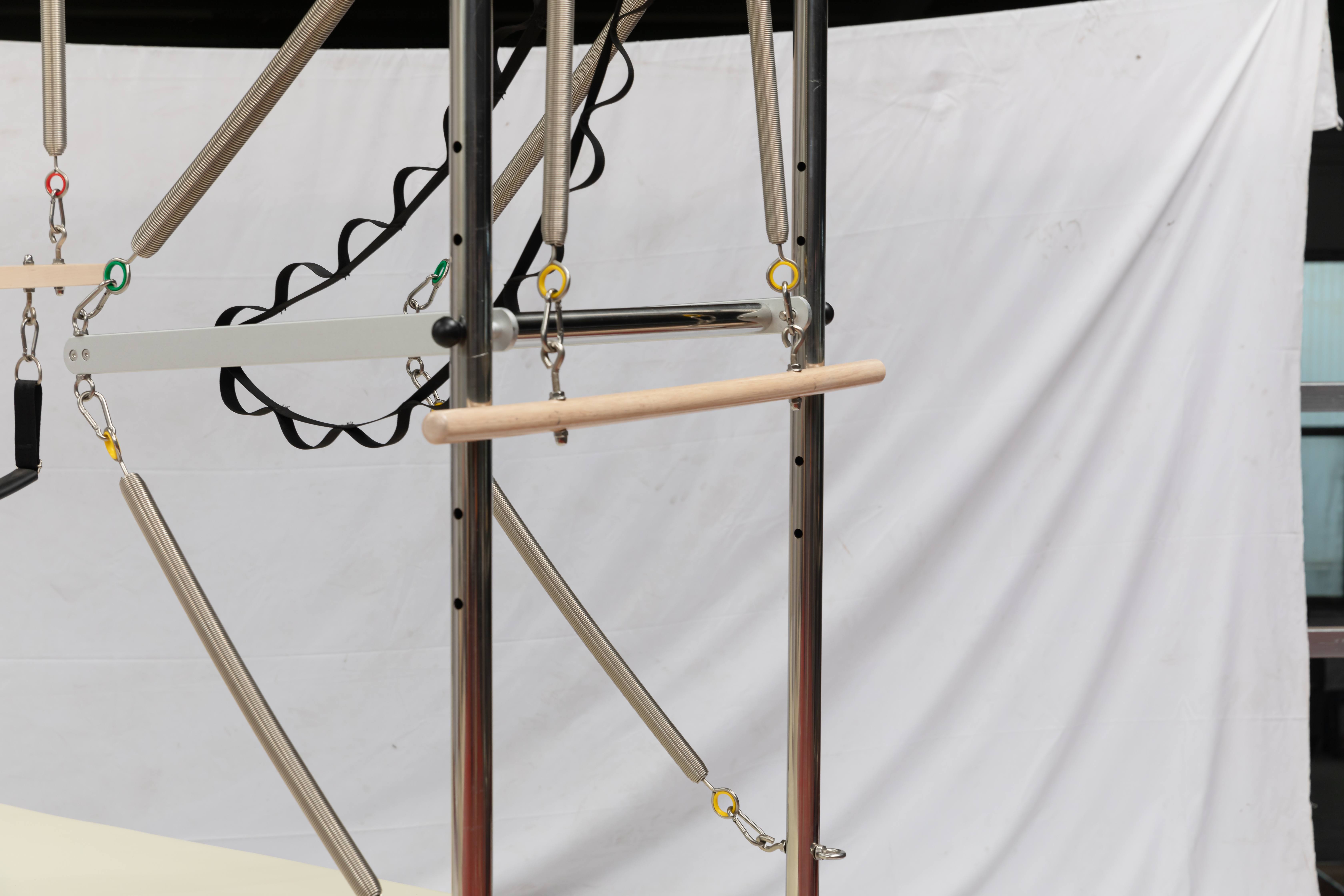
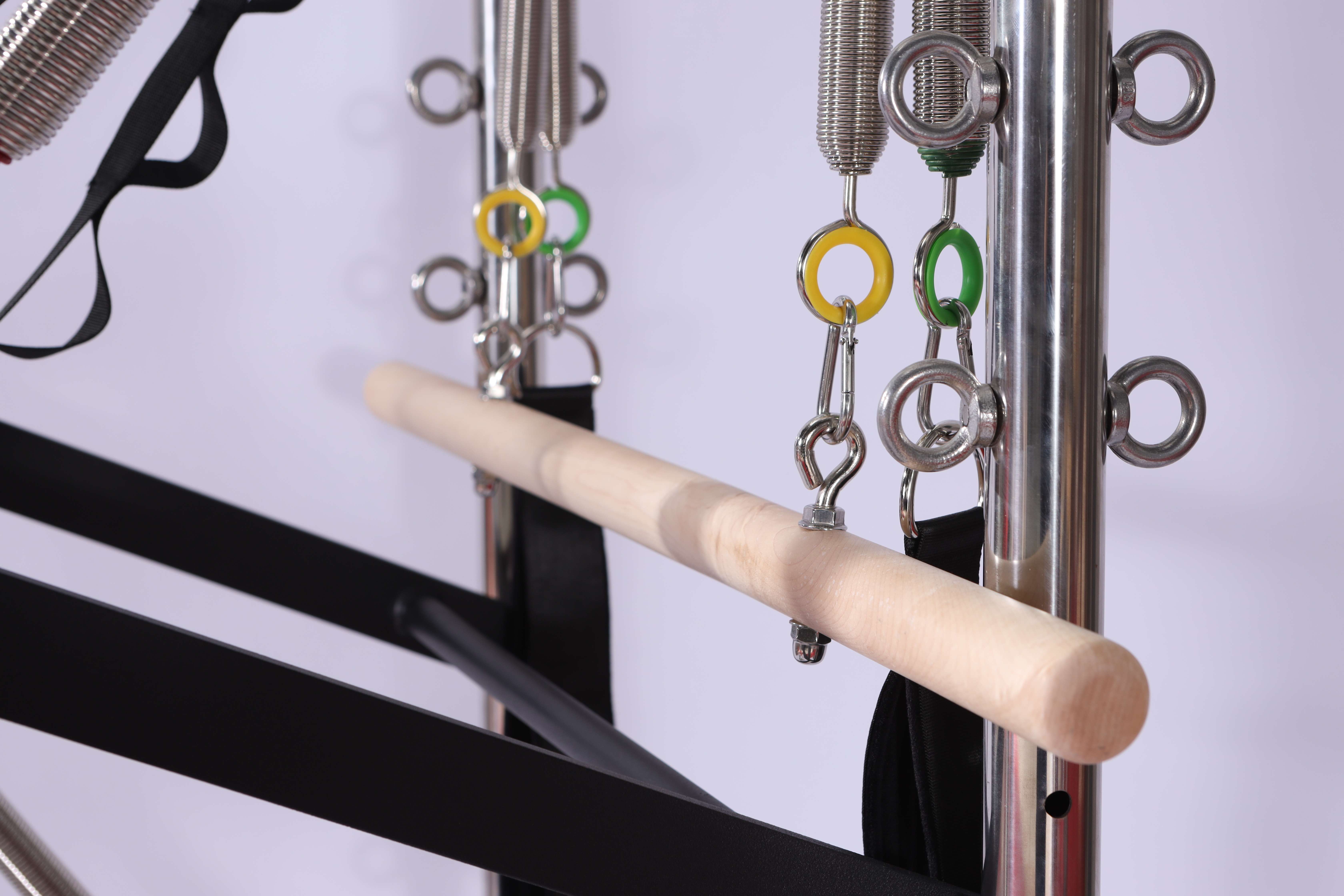
A premium machine gives trainers a wider working range. Finer spring gradations allow more precise resistance adjustments for each client's strength and stage. A stable frame and smooth carriage make hands-on cueing safer and more effective. A tower or jumpboard configuration expands the exercises a trainer can offer without switching equipment. This versatility translates directly into the client experience: sessions feel tailored rather than generic. When a trainer can adapt a movement to a client's body in real time, the client perceives expertise. High-end equipment makes that adaptation possible without interruption.
Comfort Signals Respect for the Client
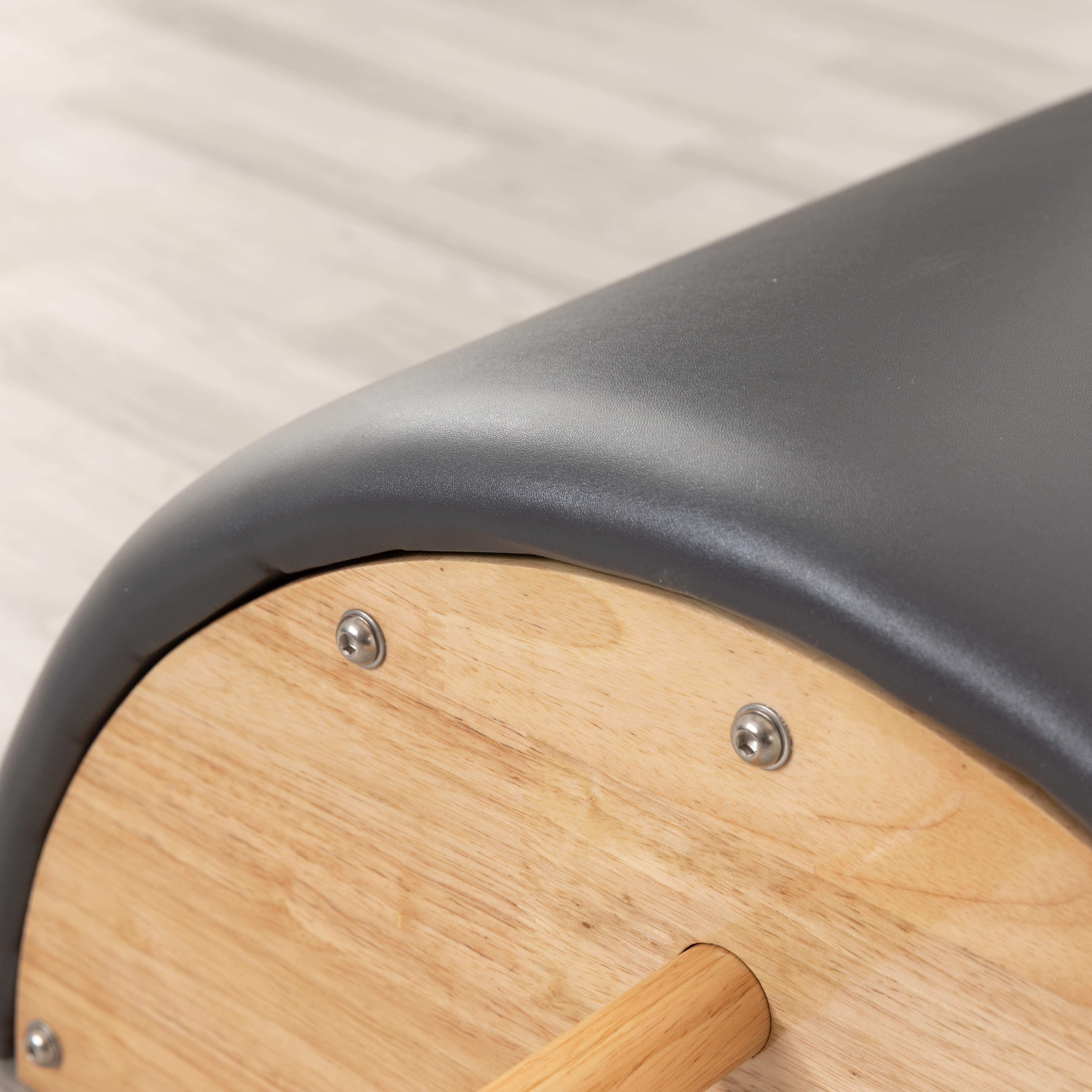
Upholstery quality, carriage padding, and adjustable shoulder rests are not luxuries; they are part of how a client experiences the studio's attitude toward them. A comfortable machine suggests the studio expects clients to spend real time there and has invested in their physical ease. Small discomforts—a hard carriage, a shoulder rest that does not adjust, a strap that digs in—are remembered. Premium machines tend to get these details right, and clients respond with longer memberships and stronger loyalty.
Consistency Builds Trust Over Time
The premium experience is not a single impressive session; it is the same quality repeated week after week. High-end machines are built to hold their settings and performance under daily use, which means a client's tenth session feels as reliable as their first. Inconsistency is corrosive: a carriage that behaves differently each visit, or springs that lose tension unpredictably, erodes confidence. Studios that invest in commercial-grade equipment are buying consistency, and consistency is what turns a first-time visitor into a long-term client.
The Studio Environment Extends the Machine
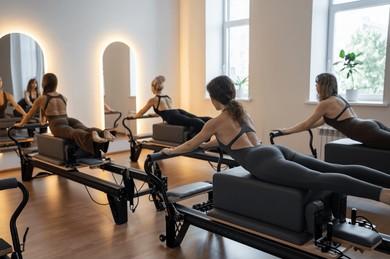
Equipment does not operate in isolation. Lighting, temperature, cleanliness, storage for props, and the layout of the room all shape how the machine is experienced. A premium reformer in a cluttered, poorly lit room loses much of its impact. Conversely, a thoughtfully arranged space amplifies the sense of quality. Trainers should also consider the ritual around the equipment: how springs are adjusted, how props are presented, how the machine is wiped down between clients. These small practices signal professionalism and make the equipment feel cared for, which clients mirror in their own respect for the studio.
Staff Knowledge Completes the Experience
The most expensive machine cannot compensate for a trainer who cannot explain it. Clients value trainers who understand the equipment deeply—who can describe why a particular spring setting is chosen, how the carriage should feel, and what a given exercise is developing. This knowledge turns the machine from a piece of furniture into a teaching tool. Studios that invest in high-end equipment should invest equally in training staff to use it fluently. The combination of premium apparatus and expert guidance is what clients actually describe when they recommend a studio to a friend.
Conclusion
High-end Pilates machines are a powerful contributor to a premium client experience, but they are an enabler rather than a guarantee. The experience is created by maintenance, by sensory smoothness, by precise teaching, by comfort, by consistency, by the surrounding environment, and by staff expertise. Studios that treat premium equipment as the beginning of a standard rather than the end of a purchase are the ones whose clients feel the difference—and return for it.